Training Tips for Senior Pets: Maintaining Agility and Well-Being
Understanding the Needs of Senior Pets
As pets grow older, they experience significant changes in their physical and emotional states. Senior pets, in particular, may face challenges such as decreased mobility, changes in appetite, and a decline in cognitive function, making it essential for pet owners to reevaluate their care strategies. In a vibrant country like Nigeria, pet ownership is a cherished aspect of many households, and ensuring that all pets, especially seniors, lead fulfilling lives is a vital undertaking.
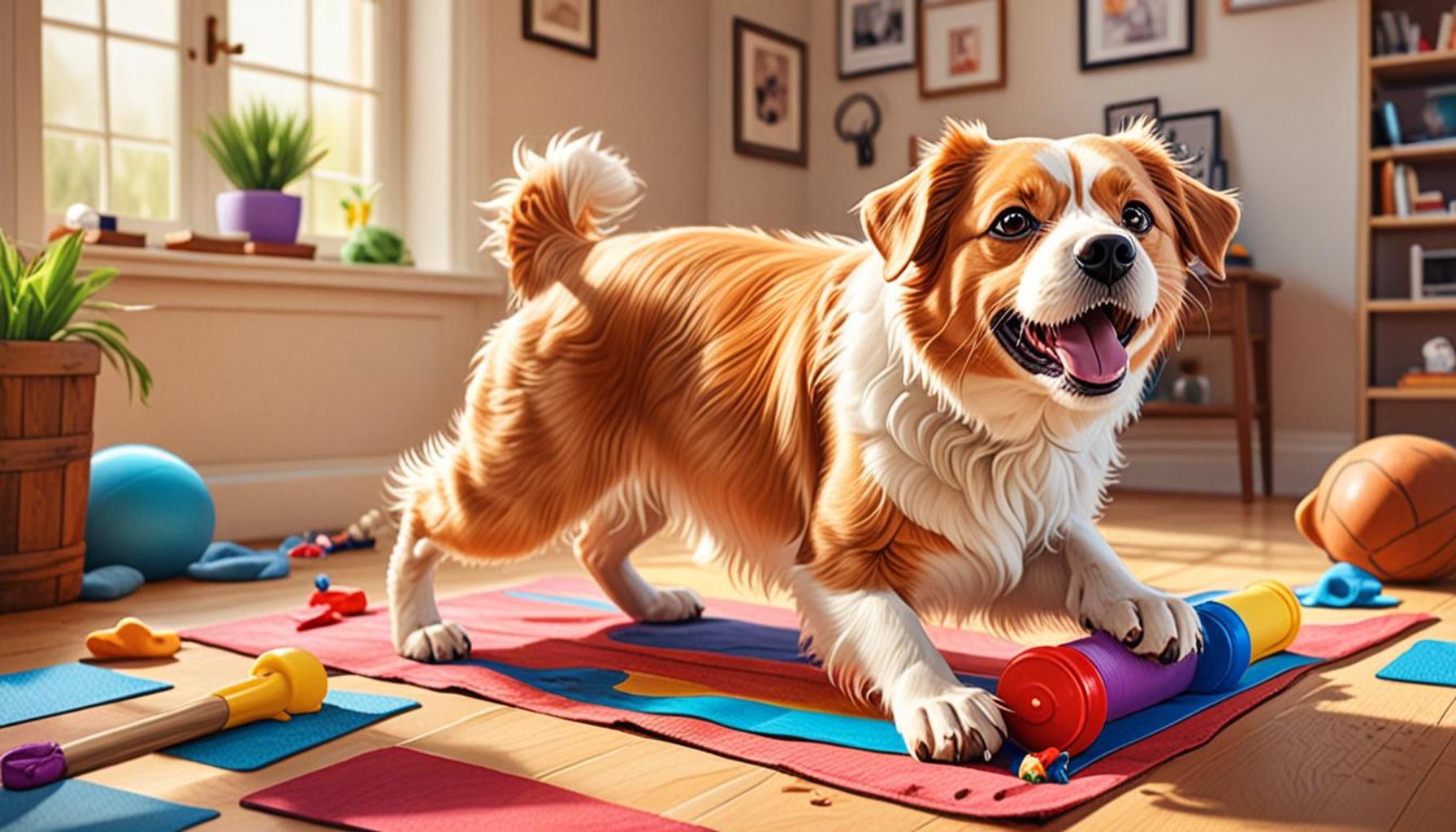
One of the key aspects of caring for aging pets is regular exercise. Engaging in gentle walks not only improves their physical fitness but also provides them with an opportunity to explore their surroundings. For instance, taking a leisurely stroll in local parks or even around the neighborhood allows senior dogs to enjoy fresh air and social interaction with other pets and people, contributing positively to their mental state. Activities like playing fetch with a soft toy are excellent for maintaining agility without overwhelming them.
Cognitive stimulation is equally important for senior pets. Engaging them in puzzle games or teaching them new tricks—like “sit” or “roll over”—can help keep their minds active. This is especially relevant for Nigerian pet owners as many local communities host dog shows and obedience contests that encourage training. Simple interactive toys can also provide mental challenges that stimulate their thinking, proving that age is just a number when it comes to learning and enjoyment.
Another crucial factor is making dietary adjustments to accommodate their evolving nutritional needs. A balanced diet rich in vitamins and minerals is fundamental to maintaining energy levels and overall vitality. Senior pet foods, which are often lower in calories but higher in fiber, can help manage their weight while ensuring they receive adequate nutrition. Consulting with a veterinarian to establish the best diet plan tailored to your pet’s specific needs can lead to significant improvements in their quality of life.
Routine veterinary check-ups are indispensable in monitoring the health of senior pets. Regular visits can help address age-related issues such as arthritis, dental problems, and organ function. Many veterinary clinics in Nigeria offer senior pet wellness programs that provide comprehensive check-ups and tailor-made health plans, allowing owners to stay informed about their pet’s evolving health conditions.
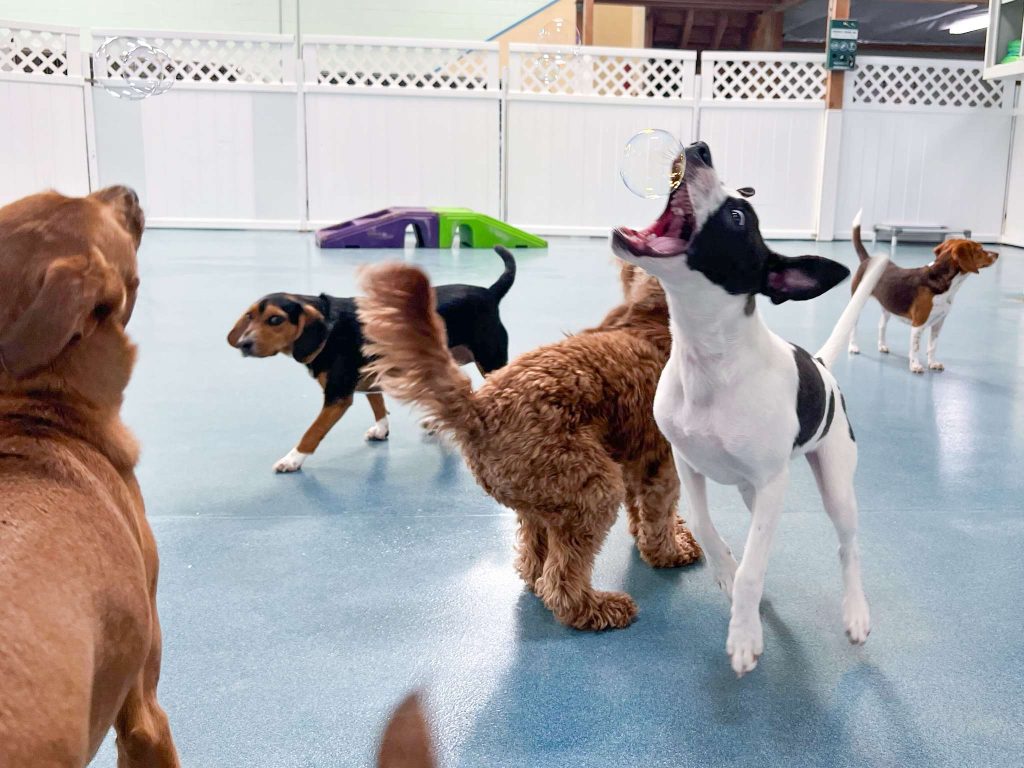
Incorporating training tips specifically designed for older pets not only aids in maintaining their agility but also reinforces the bond between pet and owner. Adapting training routines to suit their unique needs can make all the difference in their lives. Approaches such as implementing calm verbal cues and positive reinforcement techniques enjoy popularity among trainers and owners alike.
Ultimately, by valuing the specific requirements of senior pets and embracing thoughtful adaptations in care and training, we can significantly enhance their golden years. This approach not only empowers them to remain active and engaged but also enriches the connection they share with their owners, ensuring that their twilight years are filled with joy and vitality.
SEE ALSO: Click here to read another article
Tailoring Training to Enhance Agility
When it comes to training senior pets, it’s essential to adopt methods that respect their physical limitations while promoting activity and engagement. Tailoring exercises and training sessions can lead to improved agility and enhance their overall well-being. Here are some thoughtful strategies that can help in guiding pet owners through this process:
- Short Training Sessions: Senior pets often have reduced stamina, so it’s advisable to keep training sessions short and sweet. Aim for 5 to 10 minutes of focused activity, allowing your pet to rest in between. Engaging them briefly throughout the day can yield better results than one long session that may exhaust them.
- Use Gentle Commands: With age, pets can become more sensitive to harsh tones or rigid commands. Utilizing a calm and encouraging voice helps create a positive atmosphere for learning. Simple phrases like “nice work” or “let’s go” can motivate them without causing undue stress.
- Incorporate Low-Impact Activities: Activities such as swimming or gentle stretching can be highly beneficial. Many Nigerian pet owners have discovered that access to pet-friendly swimming pools provides a fantastic option for keeping their pets active without putting undue strain on their joints.
- Modify Activities: Tailor traditional commands to suit their physical capabilities. For example, if a senior dog struggles with “sit,” gentle adjustments like “hold” or “stay” can keep them engaged while being considerate of their mobility.
- Use Treats Wisely: Positive reinforcement remains an effective training tool. Select low-calorie treats to reward your pet during training sessions, ensuring that they remain healthy. Nigerian pet owners may find local treats made from natural ingredients to be beneficial for both health and training purposes.
Incorporating these strategies into training routines can significantly enhance a senior pet’s ability to navigate and enjoy their environment. Additionally, the mental stimulation from learning new skills is just as crucial as physical exercise, creating a well-rounded regimen that fosters agility and cognitive function.
Furthermore, it’s important to recognize the role of consistency in any training program. Regular reinforcement of commands and activities can help embed new behaviors while bridging the emotional connection between the pet and owner. A consistent approach solidifies a pet’s understanding and fosters a sense of security, making training a rewarding experience.
Pet owners in Nigeria, especially, can turn community engagement into opportunities for making training enjoyable. Consider organizing meet-ups at local parks or dog-friendly spaces where senior pets can socialize and learn in a stimulating environment.
Ultimately, maintaining agility in senior pets requires a dedicated approach that prioritizes patience and understanding. By harnessing these training tips, pet owners can ensure their elderly companions savor an active lifestyle, reducing the risk of common ailments related to aging while reinforcing a critical owner-pet bond.
| Advantage | Details |
|---|---|
| Increased Mobility | Regular training routines help to keep senior pets moving smoothly and efficiently, promoting joint health. |
| Mental Stimulation | Engaging activities enhance cognitive function, preventing issues such as dementia in older pets. |
| Weight Management | Training can be an effective tool for keeping senior pets at a healthy weight, reducing the risk of chronic diseases. |
| Strengthened Bond | Positive reinforcement techniques during training can help strengthen the bond between pet and owner. |
Incorporating these specific training tips into a senior pet’s routine can drastically improve their quality of life. Utilizing techniques that enhance strong bonds with their owners can make following training programs much more successful. Engaging in daily exercises like gentle fetch, slow walks, or even simple obedience training not only sustains their agility but offers them a sense of purpose. The mental health and physical condition of senior pets benefit richly from the love and care exhibited through such training. Furthermore, understanding the importance of age-appropriate exercising can further aid owners in customizing activities that suit their pets’ particular needs. Each aspect plays a vital role in ensuring that senior pets continue to enjoy life with exuberance and vigor.
LEARN MORE: This related article may interest you
Engaging the Mind: The Importance of Mental Stimulation
While training is imperative for maintaining physical agility in senior pets, mental stimulation plays a pivotal role in enhancing their cognitive well-being. As pets age, they may experience changes in memory and mental sharpness. Engaging their minds with challenging yet appropriate activities can facilitate an overall sense of joy and fulfillment. Here are various strategies to incorporate mental stimulation into your senior pet’s routine:
- Puzzle Toys: Invest in interactive puzzle toys designed for senior pets. The challenge of figuring out how to access treats hidden within the toy can provide hours of engaging entertainment. Many of these toys can be found in local Nigerian pet stores, where you can also get advice on ideal options for your pet’s specific needs.
- Obstacle Courses: Setting up a simple obstacle course using household items can enhance agility while stimulating your pet’s mind. Use cushions, chairs, and low hurdles to encourage your pet to navigate through the course. This also fosters a playful environment, making training sessions a fun activity rather than a chore.
- Hide-and-Seek Games: Use basic commands like “sit” or “stay” and then hide somewhere in the house. Once hidden, call your pet to find you. This game not only reinforces your training commands but also encourages physical movement as they search for you, combining fun with exercise.
- Memory Games: A simple method to challenge your pet’s memory involves placing treats under cups and shuffling them. Allow your pet to use their sense of smell and cognition to locate the hidden treats. This enhances their natural instincts and keeps their mind sharp.
Moreover, it’s essential to be aware of your pet’s preferences. Every animal is unique, and understanding which kinds of games or toys captivate your pet can make a significant difference. Tailor routines to their interests while introducing new challenges and activities gradually as they become more comfortable.
Monitoring Health and Well-Being
Incorporating training and engagement into a senior pet’s lifestyle also opens up the opportunity to monitor their health closely. Regular training can make identifying changes in behavior or mobility easier, an essential aspect in preventing decline. Pet owners in Nigeria are encouraged to:
- Schedule Regular Vet Check-ups: Regular veterinary visits help in detecting symptoms of common age-related conditions. Keeping track of your senior pet’s health can be as crucial as the training received. Utilizing local veterinary services can offer affordable check-ups and advice catered to the specific needs of different breeds.
- Observe Changes in Behavior: Changes in appetite, energy levels, or overall behavior could signal underlying health issues. Document any variations you observe and share this information with your veterinarian to create a comprehensive outlook on your pet’s well-being.
- Stay Hydrated: Ensure that your pet has access to clean water at all times. Proper hydration is crucial for older pets, especially those that are more active. Hydration aids in joint function, digestion, and cognitive function, ultimately contributing to a healthier lifestyle.
Incorporating these aspects into the training routines not only creates a holistic approach to well-being but also assures pet owners that their senior companions remain active, engaged, and healthy. As the pet industry grows in Nigeria, seeking out local resources for training tips and pet care can be immensely beneficial, making it easier for owners to provide the best support across the golden years of their furry friends.
SEE ALSO: Click here to read another article
Enhancing the Lives of Senior Pets
Providing a holistic approach to the agility and well-being of senior pets is essential, as their needs shift with age. This encompasses a combination of physical training and mental stimulation that caters specifically to their changing abilities. Older pets, much like humans, may experience a decrease in energy and an increase in health concerns; hence, adaptation in training methods becomes crucial. Simple exercises such as gentle walks or swimming can significantly benefit their physical health, while activities that engage their minds can help stave off cognitive decline.
For instance, incorporating interactive toys that dispense treats can motivate senior pets to engage in play without excessive physical strain. Moreover, designing obstacle courses that consider their mobility limitations can provide them with mild physical challenges, encouraging them to stay active. It is also beneficial to introduce memory games that utilize scent or simple problem-solving tasks. These can foster an enriching environment that not only stimulates their minds but also deepens the human-animal bond.
Importance of Routine Health Monitoring
Establishing a routine that prioritizes hydration, nutrition, and frequent veterinary check-ups is paramount. Regular vet visits allow for early detection of age-related conditions such as arthritis, dental disease, or diabetes, which are prevalent in senior pets. By addressing these issues promptly, pet owners can significantly improve their furry friends’ quality of life. Moreover, opting for senior-specific diets available in many local Nigerian stores can ensure that pets receive the proper nutrients to sustain their energy levels and overall health during their golden years.
Local Resources and Community Engagement
In Nigeria, there are various local resources available that can provide guidance tailored to both the individual needs of senior pets and specific breeds. Engaging with local veterinarians and pet care experts can offer invaluable insights into best care practices, while community groups may share resources and support for pet owners. Additionally, advancements in pet technology, including health monitoring apps and online support forums, can enhance the overall caregiving experience.
As we commit to enhancing our senior pets’ well-being through thoughtful engagement, we not only strive to extend their lifespan but also enrich each moment we share with them. By implementing simple yet effective training tips and staying vigilant about their health, we cultivate an environment where our loyal companions can thrive. Ultimately, this effort fosters greater joy, vitality, and companionship, ensuring that both pets and their owners can enjoy a fulfilling journey together as they navigate the challenges and victories of aging.
Related posts:
How to Incorporate Safety Commands in Pet Training
Training Techniques to Reduce Anxiety in Pets
Pet Training for Urban Living: Practical Tips for Congested Environments
Cat Training: Techniques for Teaching Desirable Behaviors
Puppy Training Tips: How to Teach Basic Commands
Behavior Training in Small Animals: Tips for Hamsters, Rabbits, and Other Pets

Linda Carter is a writer and pet care expert specializing in pet health, grooming, and wellness. With extensive experience helping pet owners create safe, loving, and enriching environments for their animals, Linda shares her knowledge on our platform. Her goal is to empower readers with practical advice and strategies to ensure their pets thrive and lead joyful, healthy lives.