Tips for Positive Dog Training in Urban Environments
Understanding the Urban Canine Experience
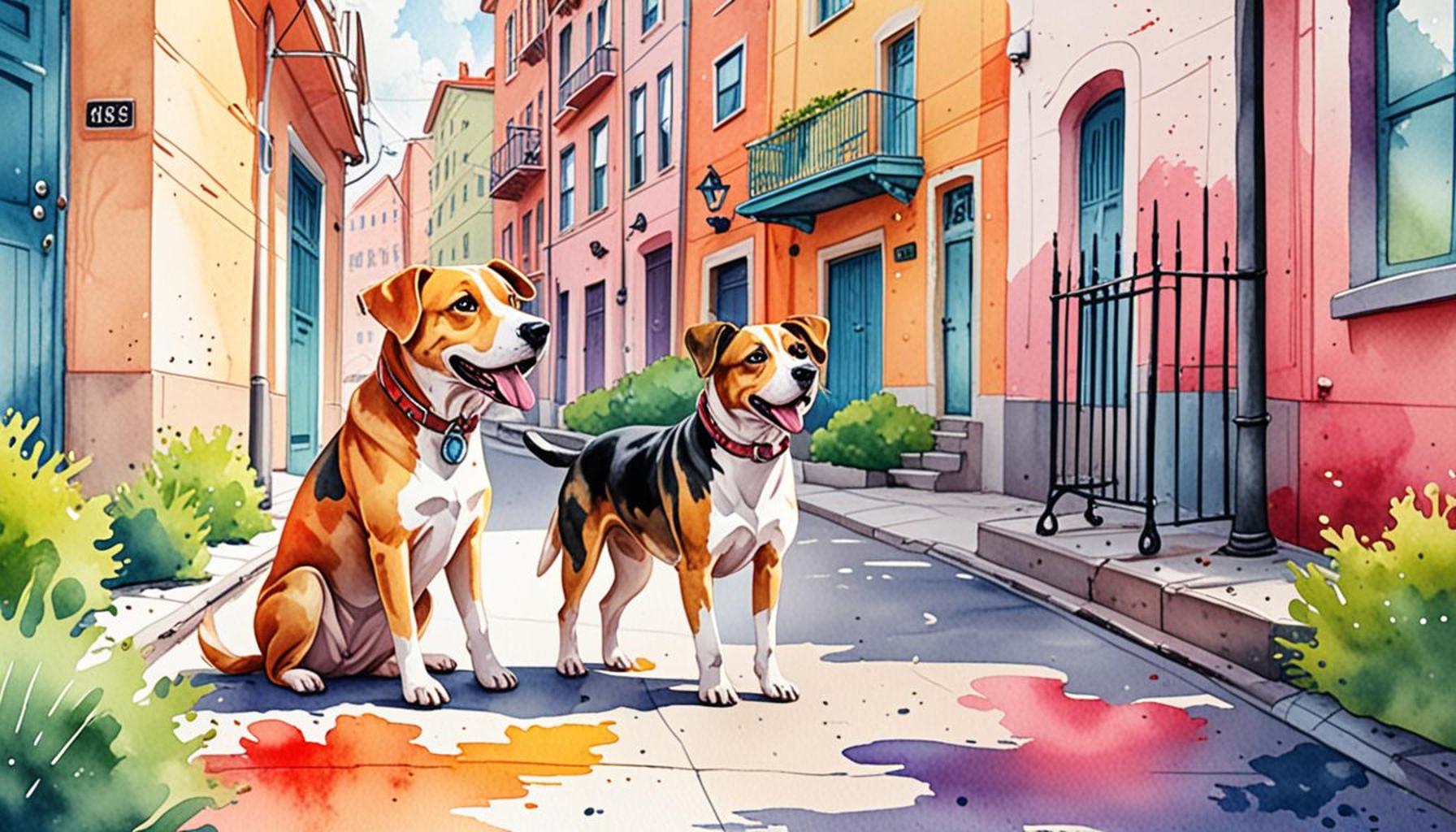
In an urban environment, dogs face a myriad of stimuli that can both excite and overwhelm them. From the sound of honking cars to the sight of bustling pedestrians, these experiences can lead to anxiety if not properly managed. Thus, effective training is not merely a luxury; it is a necessity for ensuring that dogs can thrive in such environments. Training methods need to be specifically tailored to account for the unique challenges faced by pets in cities.
Socialization: The Urban Playground
Socialization is one of the most critical components of positive dog training. Urban living exposes dogs to a wide array of stimuli, and effective socialization helps them adapt to these new experiences. For instance, take your dog for regular walks in different neighborhoods, allowing them to encounter various people, other dogs, and vehicles. This exposure can help them become more comfortable and confident in their surroundings.
Additionally, you can organize playdates with other dogs or enroll your pet in local agility or obedience classes that cater to urban settings. These interactions are invaluable, as they teach your dog how to behave around others, reducing the likelihood of fear or aggression.
Positive Reinforcement: The Power of Rewards
Utilizing positive reinforcement can significantly improve your dog’s behavior amidst the distractions of city life. Rewarding your dog with treats, verbal praise, or playtime when they successfully navigate a crowded park or remain calm while passing by a cyclist reinforces good behavior. By highlighting the behaviors you want to see more of, you build a more cooperative relationship with your pet. For example, if your dog sits calmly while waiting at a busy intersection, rewarding them immediately with a tasty treat will reinforce that behavior.
Utilize locally available snacks—like dried fish or kibble made from Nigerian ingredients—as enticing rewards that can motivate your dog while also being culturally relevant. The connection formed through positive engagement strengthens not just their obedience but your bond as well.
Space Management: Creating a Safe Haven
In urban settings, managing space can be quite challenging due to crowded parks or busy streets. Dogs can easily become overstimulated in these environments. To counteract this, consider creating a calming space for your dog in your home. Designate an area where they can retreat to when they feel overwhelmed, perhaps with their favorite toys and a comfortable bed.
When out and about, practice basic commands like “leave it” or “stay” to help your dog remain focused during outings. This not only helps maintain their focus amid distractions but is also instrumental in teaching them impulse control, which is vital for urban living.
Conclusion
Transforming your dog’s training experience in an urban environment requires patience, consistency, and tailored strategies. By emphasizing socialization, positive reinforcement, and effective space management, you equip your pet to navigate the challenges of city life with ease. Not only will this improve their behavior, but it will also lead to a more fulfilling relationship between you and your furry companion. Are you ready to embark on this rewarding journey? Explore these methodologies further, and see how they can drastically enhance your dog’s urban experience.
SEE ALSO: Click here to read another article
Building a Foundation for Success
For dog owners in urban environments, developing a comprehensive training strategy is essential to ensure that their pets can enjoy the freedom and excitement of city life without compromising safety or behavior. The unique challenges of urban settings, such as noise, crowds, and unforeseen distractions, necessitate a few key principles to guide effective training. Here are several essential tips to help dog owners foster a positive training experience:
Consistency is Key
One of the critical elements of successful dog training is consistency. Urban dogs can quickly become confused with mixed signals from their owners. Develop clear commands and stick to them. For instance, if “sit” means stop and sit down, it should not be confused with “stay,” which requires the dog to remain in one spot. Using the same commands at all times entrenches these behaviors in your dog’s routine, creating a familiar structure they can rely on.
Start with Short Sessions
With the distractions present in urban landscapes, it’s essential to keep training sessions short to maintain your dog’s attention. Aim for sessions of no longer than 5–10 minutes, focusing on one or two commands at a time. Gradually increase the complexity as your dog masters each command. This method helps to avoid fatigue and frustration, making learning enjoyable and engaging.
Incorporate Urban Enhancements
Utilizing the urban environment to enhance your dog’s training can yield fantastic results. Here are some techniques that make the most of city life:
- Leash Control: Practice walking techniques that focus on heel position and loose leash walking amidst bustling environments. This will help your dog stay focused despite distractions.
- Obstacle Navigation: Use curb edges, benches, or stairs as training aids to teach your dog commands like “jump” or “over,” turning daily walks into structured training excursions.
- Environmental Awareness: Train your dog to recognize scoffing pedestrians, honking cars, and other noise, reinforcing calm behavior over excitement or fear.
Join Local Training Groups
Networking with fellow dog owners can provide invaluable support. Many urban areas have dog training clubs or meet-ups that offer a sense of community while equipping owners with the necessary skills for effective training. Additionally, social events provide ample opportunities for dogs to socialize with each other, gaining exposure to different breeds and handling styles.
By creating an environment that fosters learning and interaction, both dogs and owners can thrive in urban settings. Gathering insights and sharing experiences with fellow dog lovers can be a game-changer in enhancing your training approach.
Through consistency, short sessions, and innovative training techniques, you enable your dog to effectively adapt to urban life. These foundational practices create the groundwork for developing an enriching and positive training routine. In the next sections, we will explore how specific training methods can be employed to enhance your dog’s experience even further.
| Training Strategies | Benefits |
|---|---|
| Consistency in Commands | Creates clarity for your dog in noisy urban settings, making training more effective. |
| Positive Reinforcement | Enhances trust between you and your dog, leading to a better learning experience. |
| Utilizing Urban Environments | Adapts training to everyday situations, helping your dog become more confident in new surroundings. |
| Short Training Sessions | Keeps dogs engaged, preventing boredom and ensuring they absorb commands quickly. |
In urban environments, training your dog effectively requires unique strategies that factor in distractions and varied stimuli. First, consistency in commands is indispensable. Urban settings can be chaotic, and maintaining a clear set of commands helps your dog focus amidst distractions. Secondly, using positive reinforcement not only enhances trust but also motivates your dog to learn more enthusiastically, which is critical in a bustling city landscape.Additionally, utilizing your urban surroundings in training can prove beneficial. By exposing your dog to various environments, noises, and people, you help them build confidence and adaptability. Short, focused training sessions are also vital; they keep your dog engaged while helping them quickly grasp new concepts. Together, these tips cultivate a strong foundation for successful dog training in an urban context, making for a more enjoyable experience for both owner and pet.
ADDITIONAL INSIGHTS: Expand your understanding here
Maximizing Engagement Through Play and Rewards
In urban environments, the hustle and bustle can sometimes overwhelm both dogs and their owners. To foster an enjoyable training atmosphere, it’s vital to incorporate play and rewards into your routine. These elements not only keep your dog engaged but also help them learn through positive reinforcement. Here are some practical strategies to consider:
Utilize Interactive Toys
Interactive toys are a great addition for urban dwellers looking to provide mental stimulation to their dogs. Items such as puzzle feeders or treat-dispensing toys can occupy your dog’s attention while encouraging them to think critically. Incorporating these toys into your training can make a regular session more dynamic. For instance, you could use a puzzle feeder to reward your dog for completing basic commands, turning mealtime into an exciting training opportunity.
Incorporate Rewards That Matter
Understanding what motivates your dog is a vital part of training. Whether it’s their favorite treat or a specific type of toy, use what excites them most as a reward. For example, Nigerian dog owners might find that pieces of dried fish or biscuits made with local ingredients serve as high-value rewards for their pets. This local flavor can especially resonate with dogs accustomed to the aromas of typical Nigerian cuisine.
Shorter, Fun Training Activities
To keep urban training sessions engaging, break them down into fun activities. One effective method is to create a mini-course in a nearby park or open space. For instance, owners can set up a few cones and practice weaving in and out while calling their dog. Making training a game not only enhances your dog’s focus but also fosters a joyful bond between you and your pet.
Socializing as a Training Tool
In an urban setting, socialization with people and other dogs can significantly benefit your training journey. Exposure to a variety of social scenarios not only helps them learn to behave appropriately in different situations but also reduces anxiety associated with crowded places. Attend dog-friendly events in your locality, or simply organize playdates with neighbors or friends. These opportunities to engage in social interactions will equip your dog with critical behavioral skills.
Desensitization and Counter-Conditioning
In urban environments, dogs can be bombarded with a range of stimuli, from cars to street vendors. It’s imperative to employ desensitization techniques to help your dog acclimate to these distractions. Start by exposing your dog to noise or movement from a safe distance, rewarding calm behavior when they remain relaxed. Gradually decrease the distance over time. This process, combined with counter-conditioning techniques where you teach your dog that these stimuli predict treats or play, can transform fear into excitement over time.
By maximizing engagement through play and effective rewards, dog owners in urban environments can create an inviting learning atmosphere. These tools help solidify a positive training experience, reinforcing good behavior while forming a deeper bond between the dog and the owner. This engagement is essential for successful canine integration into the vibrant fabric of city life.
CHECK OUT: Click here to explore more
Conclusion: Embracing the Urban Paw-sibilities
As urban life continues to evolve, so too must our approach to positive dog training in these bustling environments. The integration of dogs into city living requires a thoughtful strategy that combines engagement, play, and rewarding experiences. By applying the tips highlighted in this article, you can transform everyday training sessions into exciting, enriching activities that cater to both your dog’s needs and the unique character of urban settings.
Consider leveraging local resources, such as parks and community events, to enhance your dog’s social skills through positive interactions. This not only increases their comfort in diverse situations but also strengthens the bond you share. Embracing tools like interactive toys, understanding your dog’s personal rewards, and creating fun obstacle courses can significantly boost engagement and focus during training exercises.
Moreover, remember that desensitization techniques are crucial as they help your dog acclimate to potential stressors common in city life, from traffic noises to crowded spaces. By progressively introducing your dog to these stimuli while reinforcing calm behavior, you are laying the groundwork for a more confident and happy companion.
Ultimately, dog training in urban environments should be viewed as an adventure rather than a chore. With the right mindset and techniques, you and your dog can navigate city life together, making it a journey filled with joy, learning, and companionship. So embrace the vibrant cityscape and unlock the countless training opportunities that await you and your furry friend!
Related posts:
The importance of socializing cats in domestic environments
The importance of environmental enrichment for pet happiness
Parasite Prevention: Essential Care for Pets in Tropical Climates
Strategies to Promote Pets' Mental Health During the Pandemic
Tips for Integrating a New Pet into the Family and Promoting Harmony Among Animals
The importance of proper hydration for pet health in hot climates

Linda Carter is a writer and pet care expert specializing in pet health, grooming, and wellness. With extensive experience helping pet owners create safe, loving, and enriching environments for their animals, Linda shares her knowledge on our platform. Her goal is to empower readers with practical advice and strategies to ensure their pets thrive and lead joyful, healthy lives.