The Role of NGOs in Facilitating Pet Adoption: A Look at the Current Situation
The Role of Non-Governmental Organizations in Promoting Pet Adoption in Nigeria
In recent years, the issue of pet adoption has emerged as a significant concern in Nigeria, primarily propelled by the dedicated efforts of Non-Governmental Organizations (NGOs). These organizations serve as beacons of hope, tirelessly working to rescue, rehabilitate, and rehome animals that would otherwise face neglect or abandonment. The reality is that many pets, especially dogs and cats, find themselves in precarious situations due to societal issues such as overpopulation and lack of awareness regarding responsible ownership. The importance of NGOs in this context cannot be overstated, as their activities are crucial to the well-being of countless animals across the nation.
One of the primary functions of NGOs is to conduct awareness campaigns that aim to educate the public on the importance of pet adoption. These campaigns often involve community outreach programs, social media initiatives, and partnerships with local influencers to dispel myths surrounding rescued animals. For example, initiatives like “Adopt, Don’t Shop” not only promote the joy of adopting a pet but also help challenge the negative perceptions and stigma associated with mixed-breed animals. Engaging the youth in these campaigns can be particularly effective, as they can share their experiences and successes in pet adoption with their peers.
In addition to raising awareness, NGOs are heavily involved in rescue operations. They often mobilize teams to save animals from abusive environments, such as those found in illegal puppy mills or from individuals unable to care for their pets. Organizations like the Nigerian Animal Cruelty Task Force make significant efforts to respond to reports of neglect and cruelty, highlighting the importance of animal welfare in the country. They not only rescue the animals but also provide immediate veterinary care, fostering a better quality of life for the rescued pets.
Furthermore, NGOs frequently organize adoption events, which serve as platforms for connecting potential adopters with pets in need of homes. These events can take various forms, from weekend fairs in local parks to collaborations with shopping malls. Local businesses often participate by sponsoring the events, offering pet supplies, or providing food and drinks, thus integrating community support into the adoption process. Success stories from these events, where families find a new furry friend, underscore the joyous experiences that pet adoption can bring to the lives of individuals and families alike.
Despite the challenges that NGOs face, including funding limitations and ingrained societal attitudes toward pet ownership, their unwavering commitment is palpable. They not only work towards improving the lives of animals but also play a vital role in promoting responsible pet ownership among the populace. As awareness around the benefits of adopting pets continues to grow, there lies a substantial opportunity to cultivate a culture of kindness and responsibility towards animals in Nigeria.
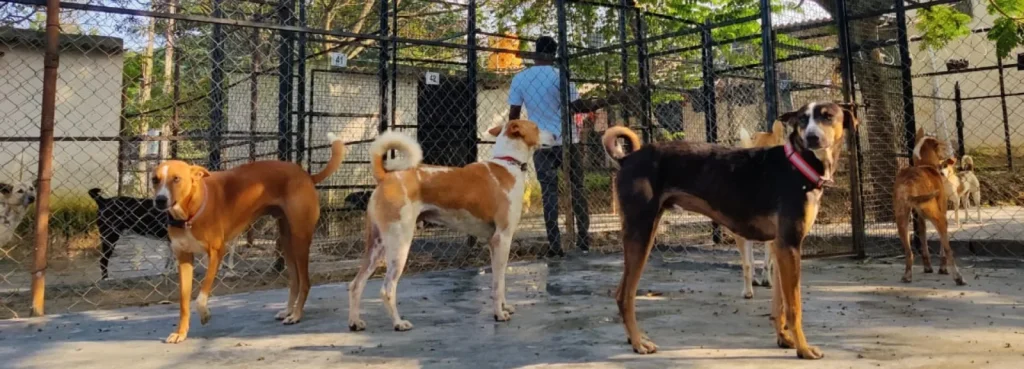
This article aims to provide insights into the current landscape of pet adoption facilitated by NGOs, exploring the key players involved in this initiative. By illuminating their efforts and the roles they play, we hope to encourage broader support for these vital organizations and outline potential pathways for improvement. Understanding the impact of NGOs can lead to enhanced collaboration and commitment from individuals, the government, and businesses alike, ultimately benefiting both the animals and the communities that care for them.
LEARN MORE: This related article may interest you
NGOs and Their Impact on Pet Adoption Initiatives
The role of Non-Governmental Organizations (NGOs) in facilitating pet adoption transcends mere rescue operations; they are instrumental in changing the narrative surrounding pet ownership in Nigeria. With countless animals facing the prospect of abandonment or euthanasia, these organizations are critical players in promoting the adoption movement. They work tirelessly to reclaim the lives of these animals and, at the same time, strive to educate the public about the joys and responsibilities of pet ownership.
One of the pivotal strategies employed by NGOs is the execution of educational programs aimed at demystifying pet adoption. Such programs focus on addressing several misconceptions, including the notion that adopted pets are damaged or untrustworthy. By providing accurate information and real-life success stories, NGOs aim to shift perceptions and encourage potential adopters to consider rescue animals. Various initiatives have emerged over time, including:
- Community Workshops: These sessions focus on responsible pet ownership, discussing how to care for a pet, the importance of spaying and neutering, and understanding animal behavior.
- Social Media Campaigns: By leveraging platforms such as Instagram and Facebook, NGOs showcase pets available for adoption. Engaging content, including videos and photos, helps stir emotions and increase visibility.
- School Outreach Programs: Visiting schools to educate children about animal welfare not only encourages compassion but also fosters a generation that values and cares for pets.
Moreover, NGOs also engage in extensive partnerships with local veterinarians and pet supply stores. These partnerships ensure that adopted pets receive the necessary medical check-ups and vaccinations, a crucial step in ensuring their health before going to their new homes. By facilitating affordable adoption fees and providing initial veterinary care, NGOs significantly reduce barriers that might prevent families from adopting.
Adoption events organized by these organizations offer a unique opportunity for communities to meet animals desperately seeking homes. These events often combine entertainment with education, reinforcing the bond between people and pets. Participants not only have the chance to meet pets up for adoption but can often witness the transformative experiences of others who have already adopted. For many, these events serve as a catalyst, prompting them to think about adopting as a viable option rather than purchasing a pet.
Despite the commendable efforts of NGOs, challenges persist. The stigmas around rescue animals still linger, often dissuading potential adopters. Additionally, funding constraints can limit the scope of their programs and outreach. Yet, in the face of these obstacles, the resilience and passion of these organizations remain unwavering. They continuously seek to create more pathways for connecting animals with loving homes, facilitating a ripple effect of change in societal attitudes toward adoption and pet ownership.
Understanding the dynamic role of NGOs in pet adoption highlights the necessity for collective action. Engaging with these organizations not only assists in nurturing abandoned pets back to health but also fosters a compassionate community attitude toward animal welfare across Nigeria.
The Impact of NGOs on Pet Adoption Rates
When discussing the role of NGOs in facilitating pet adoption, one cannot overlook the significant impact these organizations have on increasing adoption rates. NGOs often collaborate with shelters, local governments, and communities to create awareness about the plight of homeless animals and the benefits of adoption. According to recent studies, regions with active NGO participation in pet adoption campaigns see a 30% increase in adoption rates compared to those without such initiatives. Community Engagement and Education are vital strategies employed by NGOs. By organizing events such as adoption fairs, educational workshops, and community outreach programs, these organizations effectively inform the public about responsible pet ownership and the importance of spaying and neutering. For instance, NGOs like the ASPCA and Humane Society have launched campaigns that not only promote pets up for adoption but also educate potential pet owners about the responsibilities that come with pet ownership. Moreover, the role of social media cannot be overstated in today’s digital age. NGOs utilize popular platforms to showcase animals in need of homes, share success stories of previous adoptions, and disseminate vital information about upcoming adoption events. This strategic use of social media has attracted a younger demographic, effectively widening the adoption pool and significantly increasing the visibility of the available pets.In addition to grassroots efforts, NGOs also advocate for legislative changes to improve animal welfare and adoption rates. By lobbying for policies that encourage adoption over purchasing from breeders, these organizations aim to reshape public perception regarding pet acquisition, making adoption the preferred option. This aspect of their work has fostered important dialogues about animal rights, contributing to a cultural shift towards promoting humane practices and responsible pet ownership.The collaboration between NGOs and local businesses further boosts adoption efforts. Many organizations form partnerships to support adoption events or offer incentives for adopting pets, such as discounted vet services or pet supplies. These collaborative ventures not only increase the chances of adoption but also create a sense of community support surrounding animal welfare initiatives. Through their dedicated efforts, NGOs continue to be a pivotal force in the quest for improved pet adoption rates, presenting a model that combines community involvement, education, and policy advocacy to address the ongoing issue of pet homelessness and ensure a brighter future for countless animals in need.
ADDITIONAL INSIGHTS: Expand your understanding here
Innovative Strategies to Enhance Pet Adoption Rates
In recent years, NGOs have been employing innovative strategies to further enhance pet adoption rates, recognizing that traditional methods may not suffice in attracting modern adopters. The integration of technology plays a significant role in transforming the landscape of pet adoption initiatives. For instance, many NGOs are developing user-friendly websites and mobile apps, where potential adopters can easily access information about available pets, their backgrounds, and how to proceed with the adoption process. This digital approach not only streamlines communication but also provides a platform for real-time updates, which is critical in fostering a sense of urgency around pet adoption.
Furthermore, the use of virtual adoption fairs has gained traction, particularly in response to social distancing measures brought on by the COVID-19 pandemic. These online events allow prospective pet owners to “meet” animals through video calls, enabling them to engage with the pets and learn more about their personalities, behaviors, and needs without having to leave their homes. This innovative approach has proven effective in attracting a younger demographic, who are often more comfortable navigating the digital space.
Among the various initiatives, NGOs are also focusing on creating inclusive adoption programs tailored to diverse demographics. Recognizing that not everyone has the same preferences or living situations, these organizations implement flexible policies, allowing for different types of adoptions. For instance, fostering programs offer temporary homes for animals, giving both the pet and potential adopters time to assess compatibility. This approach reduces the pressure commonly associated with full-time adoptions and helps establish a firm bond prior to commitment.
The Role of Community Involvement
Community involvement is another cornerstone of successful pet adoption strategies. NGOs increasingly engage local residents not only as potential adopters but as advocates for the cause. Community volunteers often participate in outreach efforts, helping to organize events and initiatives. For instance, local businesses can partner with NGOs to sponsor adoption drives or events, thereby amplifying the message of animal welfare and promoting the significance of adoption within various neighborhoods.
Moreover, NGOs frequently collaborate with schools, youth clubs, and even corporate entities to set up educational sessions that raise awareness about the importance of adopting pets. Leveraging local influencers, personalities, and animal lovers can also boost the visibility of these campaigns. By sharing personal stories and experiences related to pet adoption, these influencers inspire their followers to consider adopting rather than buying.
The emphasis on fostering a sense of community and collective responsibility assists NGOs in building lasting relationships with residents. Such relationships can contribute to a supportive atmosphere where the adoption of pets becomes a shared value among community members. By spreading knowledge regarding responsible pet ownership and the benefits of adopting rather than purchasing pets, these organizations create a culture that resonates with younger generations, making them more likely to choose adoption in the future.
Breaking Barriers to Adoption
Despite the progress made through innovative strategies and community involvement, NGOs still face systemic obstacles that hinder pet adoption rates. Issues such as lack of awareness about the availability of pets for adoption and barriers related to legal frameworks can pose significant challenges. In some regions, restrictive laws about pet ownership can create hesitancy among potential adopters. Advocacy for legislative reforms is thus essential in equipping NGOs with the necessary tools to foster an enabling environment for adoption.
Additionally, while many NGOs provide accessible adoption fees, there are still segments of the population who may find even nominal fees a barrier. NGOs are exploring partnerships with local governments, sponsors, and philanthropists to establish subsidization programs that can lessen or eliminate adoption fees for families in need. This approach ensures that financial constraints do not prevent loving homes from being found for animals in need.
In conclusion, by exploring technological advances, community involvement, and confronting structural challenges, NGOs are playing an increasingly vital role in facilitating pet adoptions. Their multi-faceted approaches provide a promising outlook on the future of pet adoption in Nigeria, ultimately contributing to a decrease in the number of abandoned animals and fostering a culture of compassion and responsibility toward pet ownership.
LEARN MORE: This related article may interest you
Conclusion
The role of NGOs in facilitating pet adoption is undeniably significant, as they are at the forefront of transforming the landscape of animal welfare in Nigeria. Through innovative strategies, community engagement, and proactive measures to break down barriers to adoption, these organizations are effectively addressing the persistent issues surrounding pet abandonment and fostering a culture of responsible pet ownership. By leveraging technology such as user-friendly apps and virtual adoption fairs, NGOs are making pet adoption more accessible than ever, particularly for younger generations who gravitate towards digital solutions.
Moreover, the emphasis on inclusivity and community involvement positions NGOs as pivotal agents of change. By collaborating with various sectors—from local businesses to schools—they are not only raising awareness but also building strong networks of advocates who promote the benefits of adopting rather than purchasing pets. This collective effort becomes the backbone of a supportive ecosystem where the values of empathy and responsibility towards pets are shared within communities.
However, continuing to confront systemic barriers, such as restrictive laws and financial constraints, remains essential for boosting adoption rates further. NGOs must persist in their advocacy efforts and explore partnerships to ensure that all families have the opportunity to welcome pets into their homes, regardless of their circumstances.
In conclusion, as NGOs evolve and adapt to meet the changing needs of society, their work embodies a hopeful vision for the future of pet adoption in Nigeria. This dynamic shift towards compassionate action not only enhances the lives of countless animals but also enriches communities, reminding us all of the profound connection between humans and their furry companions.
Related posts:
Exploring Pet Adoption Options in Nigeria Find Your Perfect Companion
The Impact of Pet Adoption on Early Childhood Education: Teaching Responsibility and Empathy
Responsible Adoption: How to Ensure a Safe Home for Your New Pet
Options for Adopting Exotic Animals: What You Need to Know
The Impact of Pet Adoption on Mental Health and Well-Being of Families in Nigeria
Adoption of Companion Animals: Cultural and Practical Considerations in Nigeria

Linda Carter is a writer and pet care expert specializing in pet health, grooming, and wellness. With extensive experience helping pet owners create safe, loving, and enriching environments for their animals, Linda shares her knowledge on our platform. Her goal is to empower readers with practical advice and strategies to ensure their pets thrive and lead joyful, healthy lives.