The influence of the environment on cats’ mental health: creating a harmonious home
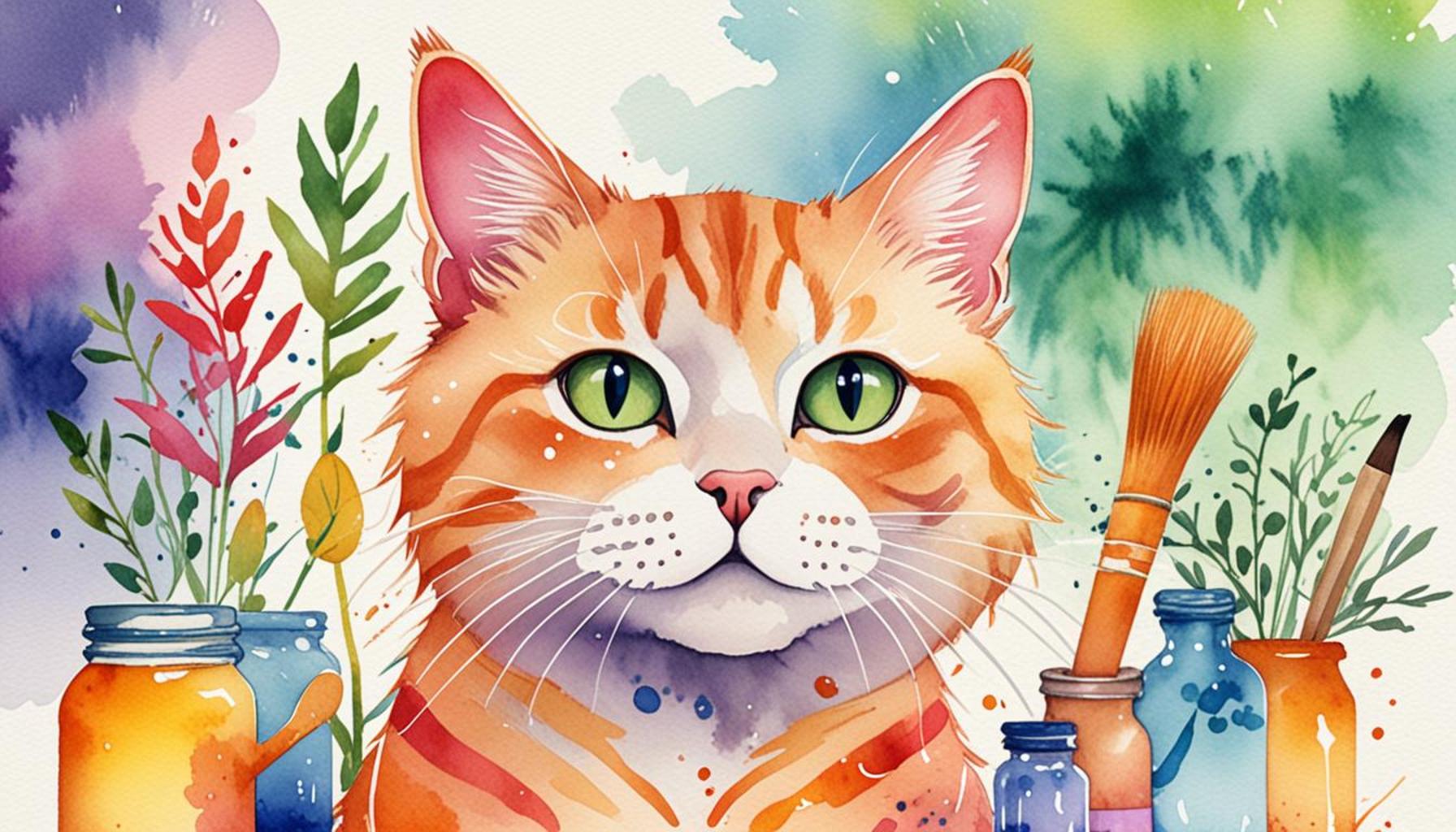
The Connection Between Cats and Their Living Spaces
The bond between a cat and its environment is complex, shaped by various factors that influence their mental health. Cats are known for their sensitive natures, which means they thrive in stable and harmonious surroundings. By delving into how different elements within their environment affect their mental well-being, cat owners can better cater to the needs of these graceful creatures.
Key Influences on Cats’ Mental Health
Several aspects of the environment can significantly impact a cat’s mood and behavior:
- Space and Layout: The physical layout of your home plays a crucial role in your cat’s comfort. A multi-level dwelling with vertical spaces, such as shelves or cat trees, encourages exploration and climbing. Cats, being natural climbers, feel safer and more enriched when they can observe their surroundings from a height.
- Noise Levels: Constant loud noises, whether from bustling streets or household commotion, can be overwhelming for felines. Cats generally prefer quieter settings, and excessive noise can lead to increased stress and anxiety. For instance, if a family lives in a noisy Lagos neighborhood filled with traffic, providing a peaceful corner with calming sounds, like gentle music, can help soothe their pet.
- Socialization: Interaction plays a vital role in a cat’s emotional landscape. Positive social experiences with family members and other pets can lead to a healthy balance of companionship and independence. In cultures where communal living is common, such as in many Nigerian households, ensuring that your cat receives adequate attention—while also having alone time—is essential for fostering their mental health.
By understanding these fundamental factors, pet owners can create an environment that promotes well-being and enriches their cat’s life.
Creating a Harmonious Home
To enhance your cat’s mental health, it’s essential to consider the following:
- Indoor enrichment is vital. Items such as cat trees, scratching posts, and interactive toys can stimulate a cat’s natural behaviors. In Nigeria, catnip plants can be grown in pots to provide both a scent and a play opportunity for the cat.
- Safe spaces are equally important; a quiet area where your cat can retreat when feeling overwhelmed—complete with a cozy bed—offers them a sanctuary. This is particularly relevant in densely populated areas where unpredictable sounds can intrude on a cat’s peace.
- Consistent routines help establish a sense of security. Feeding, playing, and cuddling your feline friend at the same times each day can replicate a structured environment that cats tend to prefer. This is particularly beneficial in households with children, where unpredictability can lead to stress for sensitive pets.
By focusing on these elements, cat owners can foster a thriving habitat that not only improves mood and behavior but also nurtures a loving bond between cat and owner, ultimately leading to a more fulfilling companionship.

YOU MAY ALSO LIKE: Read read another article
Understanding Environmental Factors Affecting Cats’ Emotional Well-Being
As the guardians of our feline friends, it becomes paramount to comprehend the intricate relationship between their emotional well-being and their environment. Cats are unique beings, exhibiting a range of behaviors that reflect their immediate surroundings. Understanding how to foster a peaceful home can create significant improvements in their mental health, leading to happier and more balanced lives.
Key Elements of a Cat-Friendly Environment
Creating a nurturing atmosphere for your cat requires consideration of various environmental elements that can either uplift or diminish their mental health. Here are critical factors to examine:
- Natural Light: Cats are instinctively drawn to natural light, which is vital for their emotional state. A home with adequate sunlight exposure can help regulate their circadian rhythms, leading to improved mood and general well-being. For Nigerian pet owners, strategically placing cat trees near windows can encourage your feline to bask in the sun while observing the outside world.
- Functional Space: The arrangement of furniture and spaces within the home matters greatly to cats. A cluttered environment can cause anxiety, while open spaces promote security and exploration. It’s essential to curate areas in your home that allow your cat to roam freely without the risk of injury. In a densely populated city like Lagos, ensuring a well-organized environment at home minimizes stress triggers, enhancing your cat’s comfort.
- Environmental Enrichment: Providing a variety of stimuli is crucial for a cat’s mental health. Engaging toys, scratching posts, and interactive devices can alleviate boredom and promote natural hunting behaviors. Incorporating local materials such as sisal rope or natural wood can also stimulate their senses. Offering DIY opportunities, such as creating puzzle feeders using common items, can infuse play into their everyday routine.
By focusing on these pivotal aspects, cat owners can better understand how to create an environment that not only supports emotional stability but also deepens the bond with their feline companions.
Addressing Environmental Stressors
While a vibrant living space is essential, it is equally important to mitigate potential stressors that can hinder a cat’s mental health. Factors such as frequent visitors, loud household activities, or even the presence of other pets can create an unstable environment.
- Visitor Interaction: For cats that are shy or anxious, unexpected visitors can be challenging. Establishing rules for visitor interactions is critical. Providing a quiet room where your cat can retreat when guests come over is a simple yet effective strategy, especially in cultures that emphasize hospitality.
- Noise Control: As previously noted, noise levels can significantly affect a cat’s stress levels. Consider soundproofing dense areas of your home or investing in soft furnishings that can absorb sound. This can create a more serene environment where your cat can thrive.
- Pet Dynamics: Managing relationships between different pets in the household is vital. Providing individual spaces with separate resources, such as food and toys, decreases competition and the stress that arises from it. In mixed species households, ensuring that each pet has its territory can minimize conflicts and promote a peaceful living experience.
By acknowledging these stress factors and working to alleviate them, cat owners can create a harmonious home that nurtures their feline’s mental health, making it a sanctuary where they feel safe, secure, and loved.
The Influence of the Environment on Cats’ Mental Health: Creating a Harmonious Home
When discussing the mental health of cats, it’s crucial to acknowledge how their environment plays a pivotal role. Indoor cats require thoughtful design of their living space to explore and feel secure. A lack of stimulation can lead to anxiety and behavioral issues, making it essential to create an engaging atmosphere.
Implementing vertical spaces, such as cat trees or shelves, is an effective method to offer both exercise and mental stimulation. Cats naturally enjoy climbing and perch on elevated surfaces, which makes them feel more at ease in their territory. Furthermore, providing hiding spots, such as boxes or designated cozy nooks, allows cats to retreat and reduce stress in a busy household.
Moreover, incorporating interactive toys or puzzle feeders can greatly enhance a cat’s mental engagement. These tools challenge their hunting instincts and prevent boredom, ultimately contributing to a happier and more balanced feline. Environmental enrichment does not stop at toys; consider adding scratching posts and play areas that encourage natural behaviors.
Another often overlooked aspect is the sensory elements within the environment. Soft lighting, ambient sounds, and even safe plants can help create a calming atmosphere. The choice of colors and textures in the home decor can also impact a cat’s mood; softer hues might promote relaxation while vibrant accents can stimulate their senses.
By prioritizing the design of a cat-friendly habitat, owners pave the way for a positive mental landscape. As we delve deeper into this topic, understanding the nuances of feline behavioral health becomes increasingly important, prompting further exploration and improved pet care strategies.
| Category | Advantages |
|---|---|
| Safety and Security | A calm and secure environment minimizes stress. Cats thrive in spaces where they feel protected, which promotes better mental health. |
| Enrichment | Engaging activities prevent boredom, reducing the likelihood of anxiety-related behaviors such as over-grooming or aggression. |
Ultimately, crafting a harmonious environment tailored to your cat’s needs is not just a luxury but a necessity for their mental well-being. Through intentional design choices and thoughtful enrichment, pet owners can play a significant role in their cats’ happiness, encouraging exploration and overall contentment.
SEE ALSO: Click here to read another article
Creating a Safe Haven: Enhancing Cats’ Emotional Security
A crucial aspect of promoting cats’ mental health lies in developing an environment that fosters a sense of safety and security. Vigilant cat owners can significantly impact their pets’ emotional state by providing not only a structured physical space but also engaging their instincts and emotional needs.
Safe Hideaways and Elevated Spaces
Many cats possess natural tendencies to seek out elevated locations or secluded spots where they can observe their surroundings while feeling shielded. Creating designated spaces that replicate these instincts can lead to happier felines. For instance, constructing cat shelves or utilizing vertical cat trees can give cats a safe perch to survey their domain.
It’s equally important to incorporate hideaway spots, such as cozy boxes or covered beds, where cats can retreat when feeling overwhelmed. In Nigeria’s bustling urban settings, these spaces are vital, allowing cats to escape from the chaos and recharge.
Routines and Predictability
Establishing a consistent daily routine can also enhance cats’ emotional well-being. Cats thrive on predictability, so incorporating feeding schedules, playtime, and quiet moments can lower anxiety levels. Adapting your routine around your cat’s natural inclinations, such as early morning play or evening cuddle time, correlates with improved mood.
Moreover, creating “quiet hours” in households can promote a calming environment. Limiting household activities during these times allows both pets and humans to bond over mutual relaxation, fostering a sense of stability in their lives.
Utilizing Natural Scents for Comfort
The sense of smell plays a critical role in felines’ emotional health. Utilizing calming scents, such as those derived from catnip, chamomile, or specially designed feline pheromone diffusers, can create a soothing atmosphere. In regions where urban stressors are prevalent, these simple additions can make a transformative difference in temperamental tendencies.
Consider placing calming diffusers in common areas or spritzing beds and favorite lounging zones with these scents to promote a serene environment that encourages relaxation and comfort.
Social Interaction: The Importance of Bonding Time
Cats, while often perceived as solitary creatures, benefit significantly from social interactions, whether with humans or fellow pets. Ensuring regular, quality time spent with your feline is vital for their emotional health. Such interactions can range from engaging in play, smooth petting sessions, or simply having them near during quiet activities like reading.
In homes with multiple pets, facilitating bonding activities and cooperative playtime can enhance relationships between animals, reducing stress and fostering a harmonious environment. Incorporating collaborative games encourages teamwork and allows each pet to feel valued in the household.
Mindful Adoption of New Elements
Introducing new elements into your home should be done gradually and mindfully. Sudden changes, such as moving furniture or bringing in new pets, can induce stress. To ease transitions, it is wise to allow cats time to acclimate to changes, offering ample opportunities for exploration at their own pace.
Creating an understanding of these subtle adjustments can make a world of difference in a feline’s response to environmental changes, contributing to overall mental health. Owners should aim to maintain an atmosphere that encourages autonomy, while also allowing for gradual introductions to new stimuli.
Engaging in these proactive measures to create an environment rich in understanding, security, and stimulation fosters a deeper bond between cat and owner while safeguarding cats’ mental health. Cats, being attuned to their surroundings, thrive in spaces that align with their innate needs and instincts, leading them to lead more fulfilling lives.
RECOMMENDED: Check out this similar article
Conclusion: Fostering Feline Well-Being Through Environmental Awareness
The intricate relationship between environment and cats’ mental health underscores the importance of creating a harmonious home that addresses the unique needs of our feline companions. By incorporating elements such as safe hiding spots, elevated spaces, and a consistent routine, cat owners can significantly enhance their pets’ emotional well-being. It is vital to recognize that while cats may exhibit independence, they require a nurturing atmosphere that accommodates their instincts and promotes security.
Furthermore, the integration of calming scents and the provision of social interaction through quality time can greatly influence a cat’s overall happiness. In urban settings like Nigeria, where external stressors abound, transforming your home into a sanctuary can be a game changer in combating anxiety and agitation in cats. Progressive methods, such as mindful adoption of new elements, also help in reducing stress and allowing for smoother transitions amidst change.
Ultimately, the focus should be on understanding the environmental factors that shape our cats’ emotional landscape. By doing so, we not only foster their mental health but also deepen the bond between pet and owner. The journey towards creating a harmonious home is one filled with empathy, adaptation, and love, leading to a more fulfilling and enriching life for our beloved felines. Cat owners are encouraged to explore these aspects further, delving into the endless possibilities of enhancing their pets’ lives through conscious environmental designs.
Related posts:
Healthy Eating for Dogs and Cats: What You Need to Know
Balanced Pet Nutrition Key to Healthy and Happy Pets
How Age Affects Pet Health: Tailored Care for Each Life Stage
How Nutrition Affects Pet Longevity: Discovering Foods that Promote Health
How to Prevent and Treat Obesity in Dogs and Cats: A Practical Guide
How to Identify Signs of Common Diseases in Pets: A Guide for Owners

Linda Carter is a writer and pet care expert specializing in pet health, grooming, and wellness. With extensive experience helping pet owners create safe, loving, and enriching environments for their animals, Linda shares her knowledge on our platform. Her goal is to empower readers with practical advice and strategies to ensure their pets thrive and lead joyful, healthy lives.