The importance of vaccination and sanitary control for pets in Nigerian communities
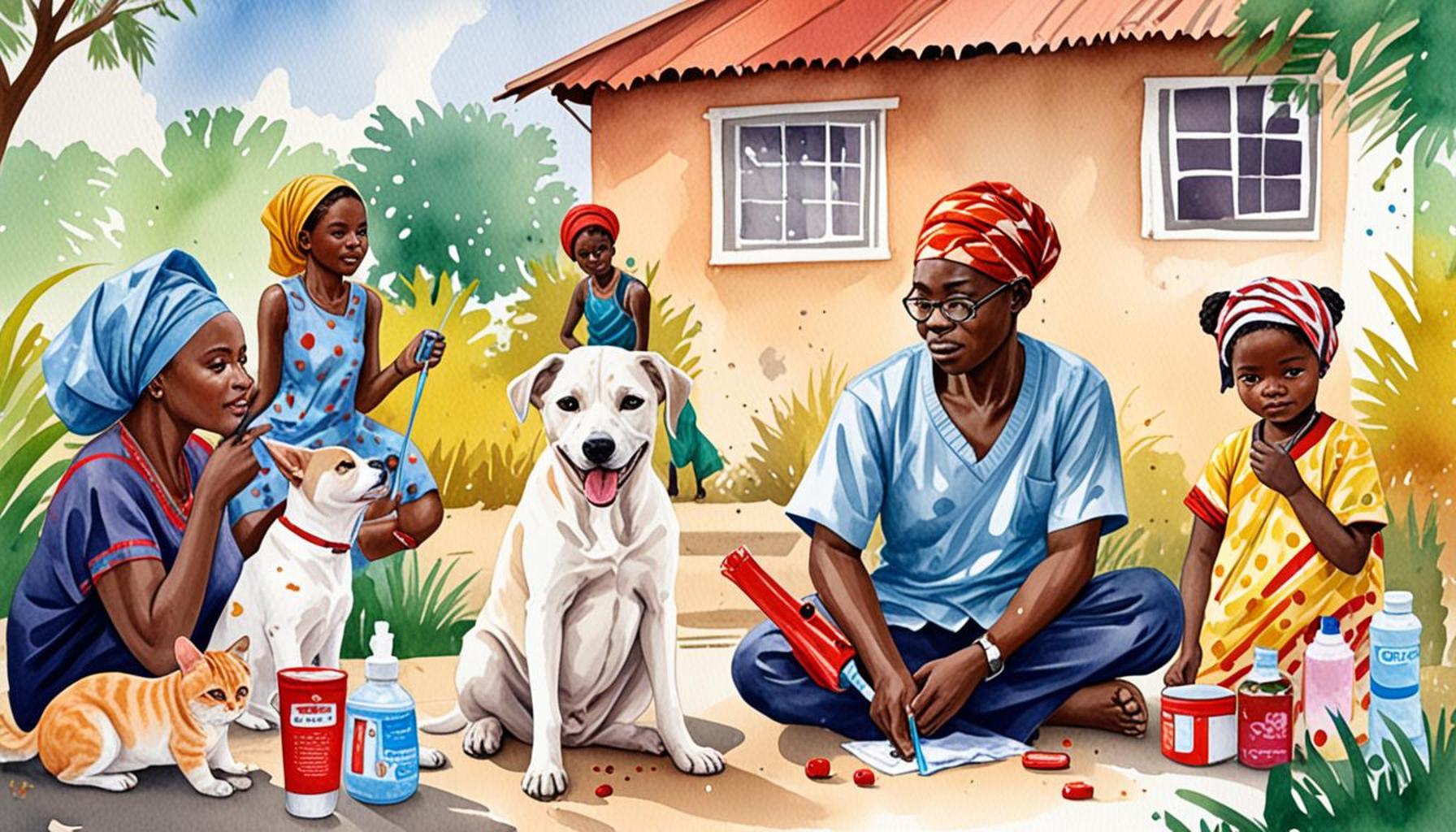
Importance of Vaccination in Pets
Pets play a vital role in the lives of many families in Nigeria. They are not just animals but companions, protectors, and in some cases, family members. Ensuring their health through proper vaccination and sanitary control is essential for both pet welfare and public health.
Vaccination is a cornerstone of preventive health care for pets, protecting them from diseases that can lead to severe health issues or death. Common diseases that vaccinations prevent include:
- Rabies: This viral disease is notorious for its fatal consequences and can be transmitted to humans through bites. In Nigeria, rabies remains a significant concern, particularly in rural areas where dog vaccination campaigns are sparse.
- Distemper: Highly contagious, canine distemper virus can lead to neurological and respiratory problems. Vaccination not only protects individual dogs but also helps prevent outbreaks in communities.
- Parvovirus: Known for causing severe gastrointestinal illness in dogs, parvovirus can result in high mortality rates, particularly among puppies. Vaccinating pets at an early age is essential to curb this disease’s spread.
Without these vaccinations, pets risk becoming carriers of infectious diseases, jeopardizing the health of other animals and even humans. The phenomenon of zoonotic diseases—those that transfer from animals to humans—highlights why it is crucial to safeguard the health of pets through vaccination.
Role of Sanitary Control
In addition to vaccination, proper sanitary control practices are crucial in managing waste and reducing the spread of parasites and zoonotic diseases. In many Nigerian communities, pet waste management is often neglected, leading to health hazards that can affect both pets and their owners. Ensuring that pet owners clean up after their animals and properly dispose of waste can significantly lower the risk of disease transmission.
Challenges in Nigerian Communities
The challenges surrounding pet health measures in Nigeria are multifaceted:
- Lack of access to veterinary services: Many areas, especially rural ones, lack adequately equipped veterinary clinics, resulting in limited access to essential vaccinations and treatment for pets.
- Limited awareness about zoonotic diseases: Despite their prevalence, many pet owners remain unaware of diseases that can be transmitted from animals to humans, which underscores the need for educational outreach.
- Increased stray animal populations: The rising number of stray animals can exacerbate the spread of infectious diseases, presenting challenges for both public health and community safety.
By understanding and addressing these issues, communities can cultivate a healthier environment for both pets and residents. Awareness campaigns, such as community workshops and social media outreach, play a vital role in promoting health and safety in these vibrant neighborhoods. Local organizations and government initiatives can also facilitate regular vaccination drives and provide education on responsible pet ownership practices.
Ultimately, investing in the health of pets through vaccination and sanitary control not only benefits the animals but also enhances the overall well-being of communities throughout Nigeria. By taking a proactive stance on these matters, residents can ensure a safer and healthier future for themselves and their beloved companions.
RECOMMENDED: Check out this similar article
The Impact of Vaccination on Community Health
Vaccination stands as a critical defense against numerous diseases that threaten not only pets but also the health of our communities. In Nigeria, where the bond between families and pets is deeply ingrained in the culture, ensuring the health of these animals transcends individual pet care; it positively influences public health as a whole. The effective vaccination of pets helps prevent outbreaks of diseases that could spiral into larger health crises. This is especially vital in densely populated areas where the interaction between animals and humans is frequent.
To grasp the significance of vaccination, it is imperative to recognize the array of deadly diseases that afflict unvaccinated pets. These include:
- Feline Leukemia Virus (FeLV): Affecting cats, this disease weakens the immune system and can lead to lethal infections and cancers. Vaccination against FeLV is essential to protect both the individual animals and the larger feline population.
- Canine Leptospirosis: This bacterial infection can be contracted by both pets and humans, leading to serious health complications. Vaccinating dogs against leptospirosis is crucial in preventing its spread, particularly in urban areas with poor sanitation.
- Heartworm Disease: Transmitted by mosquitoes, heartworm can lead to severe cardiovascular issues in dogs. Regular vaccinations and preventive treatments are necessary, particularly in the humid climates found in various regions of Nigeria.
The implications of neglecting these vaccines can be profound. Without effective vaccination, pets can transmit these diseases, which leads to increased veterinary costs, loss of beloved family members, and even potential health risks for humans. There are documented cases of rabies outbreaks among unvaccinated dog populations in Nigeria, highlighting the urgency of addressing this issue. The World Health Organization estimates that rabies causes over 1,000 deaths annually in the country, a statistic that underscores the dire need for widespread vaccination campaigns.
Sanitary Control: A Pillar of Pet Health
While vaccination is essential, it must be coupled with effective sanitary control practices. Maintaining cleanliness and managing pet waste are indispensable components of pet ownership. In many Nigerian communities, neglecting the proper disposal of pet waste can lead to serious health risks, as waste can harbor parasites and bacteria that are harmful to both pets and humans alike.
Implementing solid sanitary practices can drastically reduce the risk of disease spread, and key strategies include:
- Routine Waste Disposal: Pet owners are encouraged to clean up after their pets diligently and dispose of waste in designated areas.
- Regular Veterinary Check-ups: Ensuring that pets receive frequent check-ups can help in early detection of potential health issues related to poor sanitation.
- Community Education: Awareness programs can inform pet owners about the importance of sanitary practices and the benefits of vaccination.
By fostering good sanitation practices alongside vaccination, communities can create a healthier environment for their pets. This, in turn, enhances the overall quality of life for residents, minimizing the risk of zoonotic diseases and contributing to a safer community for everyone.
The Importance of Vaccination and Sanitary Control for Pets in Nigerian Communities
Vaccination is not just a preventive healthcare measure for pets; it’s a crucial element in fostering a safer and healthier environment for both animals and humans. In Nigerian communities, where interactions between pets, livestock, and humans are prevalent, the significance of vaccination cannot be overstated. Vaccinated pets are less likely to contract and spread zoonotic diseases, which are illnesses transmissible from animals to humans. With reported cases of rabies still alarming in some regions, ensuring pets receive their vaccines can drastically reduce risks to community health.
Moreover, proper sanitary control is pivotal in regulating pet populations and preventing outbreaks. The cleanliness of living environments directly impacts animal health and the broader ecosystem. Regular deworming and proper waste disposal can minimize parasitic infections that may lead to severe health consequences for the animals and humans alike. Such sanitary practices not only contribute to immediate health benefits but also enhance the overall quality of life in the community.
| Vaccination Benefits | Sanitary Control Advantages |
|---|---|
| Prevents Disease Spread | Reduces Parasitic Infections |
| Increases Pet Lifespan | Enhances Community Health |
With the integration of both vaccination and sanitary control measures, Nigerian communities can drastically improve the welfare of their pets and ensure a healthier environment for everyone. As more pet owners become aware of these practices, a collective effort toward a safer community can be achieved.
Understanding the intricacies of vaccination schedules, types of vaccines available, and the importance of regular health checks can empower pet owners to make informed decisions. Additionally, local veterinary outreach programs and increased access to veterinary services can facilitate the realization of these health standards, ultimately leading to a thriving pet population.
CHECK OUT: Click here to explore more
The Role of Community Engagement in Promoting Pet Health
Community engagement plays a pivotal role in enhancing the effectiveness of vaccination and sanitary control initiatives for pets in Nigeria. When individuals come together to support the health of their pets, the cumulative impact can lead to higher vaccination rates and better sanitation practices, thus decreasing the prevalence of pet-related diseases. Community-driven education initiatives can provide essential information to pet owners about the importance of these measures, fostering a culture of proactive pet care.
One of the successful methods of promoting engagement is through collaborative vaccination drives. Non-Governmental Organizations (NGOs) and local veterinary services can organize vaccination camps in public spaces such as markets, parks, or community centers. These camps not only facilitate accessible vaccination services but also serve as platforms for educating pet owners about the myriad of vaccines available and their life-saving importance. For instance, campaigns in cities like Lagos or Ibadan have led to a significant increase in rabies vaccination uptake among dogs, which in turn protects both the pets and the community’s well-being.
Public Health Partnerships are also crucial in this regard. By partnering with local health care providers, pet vaccinations can be integrated into broader public health campaigns. In many Nigerian communities, such efforts can lead to a multidisciplinary approach to health that resonates with the population. For instance, during periodic health outreach programs, including veterinary services can make a significant difference in elevating awareness and facilitating vaccinations.
Moreover, leveraging social media can amplify these efforts. Many Nigerians are active on platforms like Facebook and WhatsApp, making them valuable tools for disseminating information about vaccination dates, healthy pet practices, and upcoming sanitary control events. By creating engaging content such as success stories from pet owners who have seen tangible benefits from vaccination, community members can resonate with one another, encouraging participation in communal health initiatives.
Challenges to Overcome for Better Pet Health
Despite the critical nature of vaccination and sanitary practices, challenges abound in Nigerian communities. One significant issue is the cost of veterinary services. Many pet owners find it challenging to afford vaccinations and check-ups, leading to lower overall compliance. Addressing this barrier through subsidized veterinary services or government support programs is essential. It could provide much-needed relief to struggling pet owners, thereby promoting better public health.
Furthermore, misinformation surrounding vaccinations can pose a considerable hurdle to pet health. Some owners may hold misconceptions about vaccine efficacy or side effects, leading them to avoid necessary vaccinations altogether. Community outreach programs can combat this through targeted educational campaigns that directly address common myths, ultimately empowering pet owners to make informed decisions aligned with their animals’ health.
Equally vital is the need for community-wide acceptance and involvement in creating sanitation norms. In many places, cultural attitudes towards pet waste disposal can hinder sanitary control efforts. It is important to involve local leaders and influencers who can advocate for responsible pet ownership and effective sanitation practices. Presenting successful examples from other communities can inspire a shift in mindset, highlighting how cleanliness leads to healthier pets and people.
In summary, while the challenges are real, the potential for improving pet health through organized community action is immense. By fostering a culture of pet vaccination and sanitary control, Nigerian communities can build healthier environments, benefiting both pet owners and the wider public.
RECOMMENDED: Check out this similar article
Conclusion: Building Healthier Futures for Pets and Communities
The significance of vaccination and sanitary control for pets in Nigerian communities cannot be overstated. These practices not only protect the health of pets but also safeguard the wider community by reducing the risk of zoonotic diseases. With a focus on community engagement, collaborative efforts, and public health partnerships, we can elevate the standards of pet care while addressing the unique challenges that arise in our local contexts.
As explored throughout this article, engaging community members in vaccination drives and sanitation awareness campaigns is essential for fostering a culture of responsible pet ownership. It is imperative to dispel misinformation and provide accessible veterinary services that can alleviate financial burdens on pet owners, ensuring that essential services are within reach. Social media can also play a transformative role, serving as a vital tool for spreading information and encouraging greater participation in health initiatives.
The ripple effect of prioritizing pet health extends beyond individual pet owners; it impacts public health, environmental cleanliness, and community cohesion. For instance, as more pets receive vaccinations and owners become proactive about sanitation, the overall well-being of the community improves, leading to a healthier living environment for everyone.
In conclusion, as we advocate for better practices, let us remain united in our mission to create healthier, safer, and happier communities for both pets and their owners. By drawing on local resources, community spirit, and effective communication, we can pave the way for a brighter future where vaccination and sanitary control are integral aspects of pet care in Nigeria.
Related posts:
Balanced Pet Nutrition in Nigeria Essential for Pet Health
Parasite Prevention: Essential Care for Pets in Tropical Climates
The importance of proper hydration for pet health in hot climates
Fur Care: How to Keep Cats Healthy in Hot Climates
Essential Dental Care for Dogs in Nigeria
The choice of suitable accessories and equipment for pets in Nigerian homes

Linda Carter is a writer and pet care expert specializing in pet health, grooming, and wellness. With extensive experience helping pet owners create safe, loving, and enriching environments for their animals, Linda shares her knowledge on our platform. Her goal is to empower readers with practical advice and strategies to ensure their pets thrive and lead joyful, healthy lives.