The Importance of a Balanced Diet for Dogs and Cats: Essential Nutrients and Their Functions
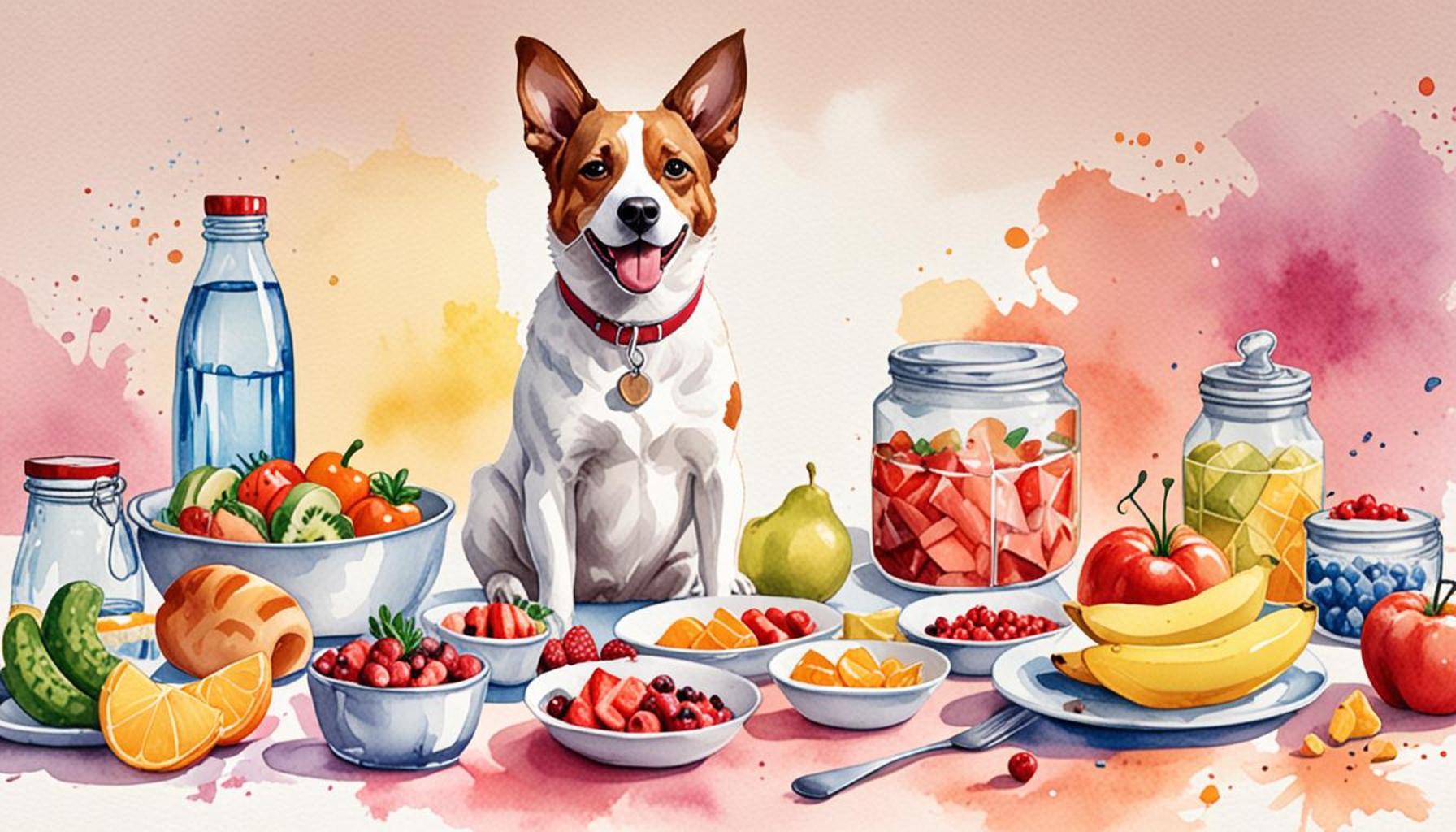
The Importance of Nutritional Balance in Your Pet’s Diet
Ensuring that our pets receive a balanced diet is not merely a matter of providing food; it is about fostering a healthy and vibrant life for them. Just as we humans require a diverse array of nutrients to maintain optimal health, our four-legged companions depend on a variety of ingredients to thrive. A well-rounded diet not only keeps them physically fit but also contributes to their emotional and mental well-being.
To comprehend the significance of proper nutrition, it is essential to examine the key components that constitute a balanced diet for pets. These nutrients serve specific and vital roles in maintaining health:
- Proteins: Proteins are the building blocks of life. They are crucial for tissue repair and growth, especially in active or young pets. High-quality protein sources, such as chicken, beef, and fish, support muscle development and overall vitality.
- Fats: Healthy fats play an integral role in providing energy and supporting cell health. They assist in the absorption of fat-soluble vitamins (A, D, E, and K) and contribute to a shiny coat. Omega-3 and Omega-6 fatty acids are often recommended for their anti-inflammatory properties, beneficial for pets suffering from joint issues.
- Carbohydrates: Often misunderstood, carbohydrates are a primary energy source. They also support digestive health; whole grains like brown rice and oats aid in providing fiber which is essential for smooth digestion. This is particularly vital for pets prone to gastrointestinal issues.
- Vitamins: Each vitamin plays a unique role in bodily functions; for instance, Vitamin A is crucial for vision and skin health, while Vitamin E boosts the immune system. Offering a variety of vegetables and fruits can help cover these needs.
- Minerals: Minerals such as calcium, phosphorus, and potassium are essential for bone health and metabolic functions. These can be found in meat, vegetables, and supplements if needed.
In Nigeria, pet owners are increasingly exploring varied dietary options for their pets, often incorporating local ingredients into meals. For example, staple foods like beans and rice can be mixed with commercially available pet foods, offering a nutrient-rich, homemade alternative. By understanding the nutritional value of what they feed their pets, owners can make informed choices that contribute to the health and happiness of their furry friends, reinforcing responsible pet ownership.
It’s important to note that an imbalance in these nutrients can lead to serious health issues. For example, a diet too high in fats can lead to obesity, while a protein-deficient diet may impair growth and recovery after illness or injury. Thus, maintaining a well-balanced diet not only enhances your pets’ longevity but significantly improves their quality of life.
As you delve into the world of pet nutrition, consider reaching out to specialists or conducting further research to tailor your pet’s diet to their specific needs. The journey of understanding your pet’s nutritional requirements is as rewarding as it is essential, paving the way for happier and healthier companions.
SEE ALSO: Click here to read another article
Understanding the Essential Nutrients for Your Pets
When it comes to nurturing your beloved dogs and cats, recognizing the essential nutrients pivotal to their diet is paramount. Each nutrient works synergistically to ensure that your pets not only survive but thrive, contributing to their overall wellness and happiness. An understanding of these nutrients can empower pet owners to make informed dietary choices, ultimately leading to a more enriching life for their furry companions.
Let’s delve deeper into the essential nutrients that should form the backbone of your pet’s diet:
- Proteins: Proteins are indispensable as they are fundamental in the repair and replacement of body tissues. They are particularly critical for growing puppies and kittens who are developing rapidly. For adult pets, a diet rich in high-quality protein sources—such as fish, chicken, and beef—ensures that they maintain their energy levels and vibrant health. In Nigeria, many pet owners utilize local protein sources, like fish from the Niger River, making it both cost-effective and nutritious.
- Fats: Beyond just being a source of energy, fats are crucial for the absorption of fat-soluble vitamins. They foster healthy skin and a lustrous coat, which is especially important in the hot Nigerian climate where skin conditions may arise. Incorporating sources of Omega-3 and Omega-6 fatty acids, found in ingredients like soybeans and fish oil, is beneficial to combat inflammation and promote joint health in pets.
- Carbohydrates: Contrary to common misconceptions, carbohydrates are not simply fillers in pet food. They serve as an essential energy source, enabling pets to remain active and agile. Whole grains, like brown rice and millet, are often incorporated in homemade meals and provide vital fiber to support healthy digestion. This is particularly important in Nigeria, where a variety of wholesome grains are readily available and cost-effective.
- Vitamins: Vitamins are crucial for various bodily functions and work as catalysts in metabolic processes. For instance, Vitamin A is essential for maintaining vision and skin health, while B vitamins are integral in energy metabolism. Local fruits and vegetables, such as carrots and leafy greens, can be a source of these vitamins, making it both practical and nutritious for pet owners to include them in their pets’ diets.
- Minerals: Minerals such as calcium and phosphorus play pivotal roles in bone health and structural development. A balanced ratio of these minerals is necessary to prevent problems such as brittle bones or developmental issues. Adequate mineral content is often found in meats and can be supplemented with local foods like yam and green leafy vegetables, bolstering both nutritional and cultural diets.
It becomes evident that each nutrient type fulfills a unique role in maintaining your pet’s health. An unbalanced diet might manifest in various health problems, including obesity, malnourishment, or chronic conditions requiring veterinary intervention. Thus, balancing these nutrients promotes not just longevity but ensures a higher quality of life for your furry friends, emphasizing the importance of balanced nutrition in pet ownership.
As you navigate the intricate landscape of pet nutrition, it’s advisable to consult with veterinarians or pet nutritionists who can provide tailored recommendations that honor both your pet’s dietary requirements and your local resources. Understanding the importance of a balanced diet is essential for any responsible pet owner looking to foster a healthy, happy, and energetic environment for their pets.
| Essential Nutrient | Function |
|---|---|
| Protein | Crucial for growth, repair of tissues, and overall health. |
| Vitamins | Support immune function and aid in metabolic processes. |
| Fats | Provide energy and support cell structure. |
| Minerals | Essential for bone health and enzyme functions. |
Understanding the importance of a balanced diet is essential for pet owners. Many overlook how vital essential nutrients are for maintaining their pet’s health. For instance, protein, primarily derived from meat, plays a critical role in tissue repair and muscle development. A deficiency can lead to a range of health problems, including delayed healing and weakened immune responses.Furthermore, vitamins like A, D, E, and K are imperative for ensuring that your pet’s metabolic processes function properly, enhancing their overall well-being. Each vitamin fulfills specific needs; for example, Vitamin A promotes eye health, while Vitamin D supports calcium absorption for stronger bones.Additionally, fats are often misconceived as unhealthy. In actuality, they are a concentrated energy source and necessary for optimal brain function and skin health. Finally, don’t underestimate the significance of minerals, which facilitate enzyme functions essential for digestion and maintain bone density.The interplay of these nutrients underscores why it’s crucial to provide a well-rounded diet, making informed choices about your pet’s meals will invariably lead to healthier, happier companions. Explore more about proper pet nutrition through dedicated resources and consult with a veterinarian to tailor your pets’ dietary needs effectively.
RECOMMENDED: Check out this similar article
Harnessing the Power of a Balanced Diet for Optimal Pet Health
With the essential nutrients outlined, it’s crucial to explore how a balanced diet can significantly impact the health and well-being of your furry companions. The synergy of these nutrients not only fuels daily activities but also fortifies the immune system, enhances cognitive functions, and establishes robust muscular and skeletal frameworks. Particularly in regions like Nigeria, where many pet owners may have limited access to specialized pet food, understanding the nutritional needs opens possibilities to create cost-effective, health-oriented diets using locally available resources.
One of the first noticeable benefits of a balanced diet is improved energy levels. Pets thrive on the right combination of proteins, fats, and carbohydrates. For instance, dogs and cats require a varied intake of animal proteins to sustain their energy and support muscle development. In communities where fishing is a common practice, utilizing local fish as a primary protein source can enhance your pet’s energy while also providing a sustainable option. Fish is not only rich in protein but also packed with Omega-3 fatty acids which contribute to brain health and cognitive function.
Moreover, a balanced diet plays a vital role in maintaining a healthy weight. Obesity in pets is on the rise, stemming largely from overfeeding and insufficient physical activity. An understanding of appropriate portion sizes, along with a diet rich in fiber from carbohydrates, can help mitigate this issue. In Nigeria, making use of local grains like millet and maize mixed with proteins can create satiety while preventing unhealthy weight gain. These fufu-like mixtures are well-received by pets and work as both an energy source and a satisfying meal.
Dental health is another area significantly impacted by nutrition. Chewing is a natural behavior for dogs and cats, aiding not only in keeping their teeth clean but also providing mental stimulation. Offering pets raw bones or high-fiber vegetables can promote dental hygiene. In urban areas, where many pet owners may opt for commercial kibble, considering the ingredient list is critical. Look for products that explicitly mention dental benefits, or combine kibble with fresh vegetables like carrots to encourage chewing while also being a source of vitamins and minerals.
Furthermore, the importance of hydration cannot be overstated. Many pet owners may underestimate the hydration needs of their dogs and cats, often relying solely on dry kibble diets. Hydration is essential for nutrient absorption and overall health. Wet or canned food can complement dry diets, especially in warmer climates where dehydration is a risk. Additionally, ensuring that clean water is always available encourages good hydration habits. In Nigeria, communal water sources can often be contaminated, so providing a clean and constant supply of water is critical to your pets’ health and wellbeing.
Another critical aspect of a balanced diet is its effect on longevity and overall vitality. Regular veterinary check-ups and monitoring can help identify any early signs of dietary deficiencies. In Nigeria, where veterinary services might be scarce in rural areas, educating pet owners about keeping pet food diaries can aid in recognizing changes in appetite or behavior. Tracking this data allows for timely adjustments to diet before health issues escalate.
Finally, the emotional and mental benefits of a nutritious diet are often overlooked. Pets that feel good physically are typically more social and engaged. Proper nutrition can reduce anxiety and stress levels, leading to happier, more well-adjusted pets. By focusing on a balanced diet, pet owners can foster an environment where their pets can explore their surroundings, making training easier and more enjoyable.
SEE ALSO: Click here to read another article
Promoting a Healthier Life through Balanced Nutrition
In summary, the significance of a balanced diet for dogs and cats cannot be overstated. By providing a well-rounded collection of essential nutrients, pet owners are not only fueling their pets’ daily activities but also laying the foundation for a long, healthy life. From the role of animal proteins in energizing their bodies to the importance of hydration in nutrient absorption, each aspect of nutrition contributes to overall well-being.
As we explored the benefits—including weight management, enhanced dental health, and improved mental wellness—it’s evident that the approach to pet nutrition requires attention and informed choices, especially in Nigeria where resource availability may vary. Animals thrive on nutritious and diverse diets made from locally sourced ingredients, promoting their health while being gentle on the wallet.
Moreover, fostering awareness about nutrient functions can empower pet owners to make choices that support their pets’ health, especially regarding hydration and portion control. The benefits reach beyond physical health, enhancing emotional bonds and social behaviors that result in well-adjusted and joyful pets. As you embark on the journey of pet ownership, remember that the choices you make at mealtime are crucial for their vitality and happiness.
In conclusion, embracing the principles of a balanced diet not only nurtures pets but also enriches the lives of pet owners, creating a harmonious environment for companionship to thrive. Understanding the role of essential nutrients and implementing them into your pets’ diet is a powerful step toward ensuring their health and longevity. So, invest in their nutrition today for a healthier tomorrow.
Related posts:
The Benefits of a Hypoallergenic Diet for Pets
Natural Foods vs. Commercial Pet Food: What Is Better for Your Pet's Nutrition?
Nutrition and Behavior: How Different Diets Can Impact Pets' Personality
How Nutrition Affects the Mental and Behavioral Health of Pets
Natural Foods vs Commercial Pet Food Which is Best for Your Pet
The Importance of Hydration in Pet Nutrition

Linda Carter is a writer and pet care expert specializing in pet health, grooming, and wellness. With extensive experience helping pet owners create safe, loving, and enriching environments for their animals, Linda shares her knowledge on our platform. Her goal is to empower readers with practical advice and strategies to ensure their pets thrive and lead joyful, healthy lives.