Pet Training for Urban Living: Practical Tips for Congested Environments
Understanding Urban Challenges for Pet Owners
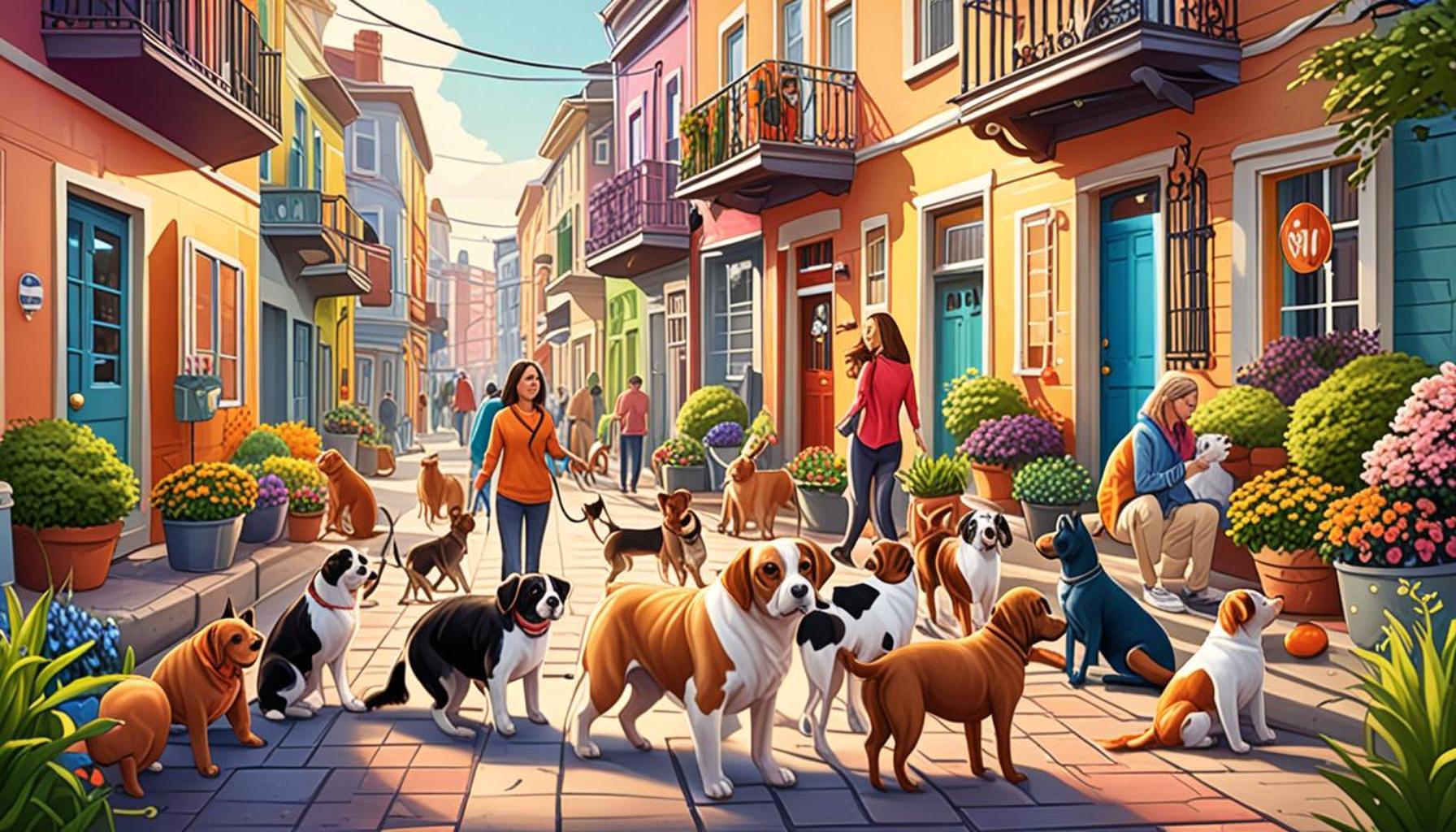
Living in an urban environment offers a blend of opportunities and challenges for pet owners. The energetic atmosphere of cities like Lagos or Abuja may seem like the perfect backdrop for a pet-friendly lifestyle, yet the reality is often more complicated. These challenges necessitate proactive training approaches to ensure pets thrive amidst the hustle and bustle of city life.
Understanding Space Limitations
In metropolises where numerous residents occupy compact apartments, space can be at a premium. For instance, in Lagos, many families live in flats with limited square footage, making it essential for pets, especially dogs, to learn how to adapt to smaller living conditions. Training your pet to respect boundaries and understanding their designated spaces can significantly enhance their comfort level. Simple commands such as “stay” and “place” can keep your pet settled in designated areas while allowing for increased mobility for the owner.
Noise Exposure
Cities are often filled with a cacophony of sounds: honking cars, street vendors calling out, and a multitude of people conversing. For pets, especially those sensitive to noise, this can be a source of anxiety. Training your pet to remain calm amidst such distractions is critical. Gradually exposing your dog or cat to these sounds during training sessions can help them acclimate. For example, playing recordings of city noises during training at home can prepare them for real-life situations. This gradual desensitization helps mitigate stress and fosters a more resilient pet.
Socialization Skills
Urban areas offer diverse encounters with other pets and people, which can set the stage for potential conflicts. Socializing your pet effectively can prevent aggressive behaviors and promote friendly interactions, vital in preventing altercations in public spaces like parks or sidewalks. Routine exposure to different environments, people, and other animals can help your pet develop necessary social skills. Taking your dog to busy areas or dog parks in cities like Abuja can be an excellent way to facilitate this process. Establishing a solid network of fellow pet owners can also provide great support in socialization practices.
Moreover, good training extends beyond obedience; it also contributes to the overall health of your pet. Regular exercise, which can be easily incorporated into training routines, can enhance physical fitness, significantly impacting their temperament. Incorporating games and mental challenges can keep them engaged and prevent behavioral issues stemming from boredom.
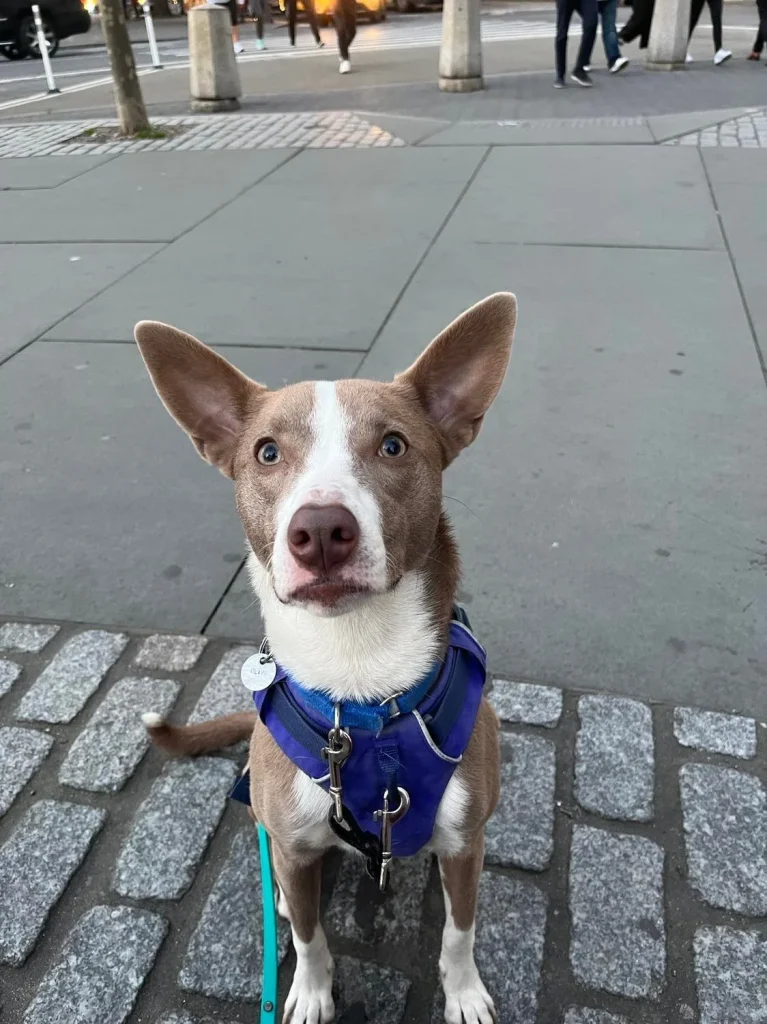
Mastering essential skills such as leash training and recall not only creates a safe environment for your pet but also improves the collective experience of pet ownership in the urban landscape. In conclusion, navigating pet ownership in cities like Lagos and Abuja doesn’t have to be a daunting task. With the right training techniques and consistent practice, pet owners can create a balanced, harmonious life with their furry friends in the vibrant heart of the city.
YOU MAY ALSO LIKE: Read read another article
Maximizing Pet Training in Limited Spaces
In urban settings, where living spaces can be cramped and often shared with multiple tenants, effective pet training becomes a necessity rather than a luxury. Understanding how to maximize the small areas available not only helps maintain order but also enriches the lives of pets and owners alike. Here are some strategic approaches to consider:
Utilizing Vertical Space
In an urban living environment, where floor space is often limited, using vertical space can offer innovative solutions. For instance, providing climbing shelves for cats or installing dog ramps can create additional areas for pets to safely explore. Not only does this engagement keep pets active, but it also addresses potential boredom, which can lead to undesirable behaviors. In cities like Lagos, where open spaces may be scarce, your walls can become a playground for your furry friends.
Creating a Consistent Routine
Consistency is key in the training process, especially in urban environments filled with distractions. Establishing a structured daily routine concerning feeding, walks, and playtime significantly helps pets adapt to the bustling environment. Train your pet to associate various activities with specific cues, contributing to a more predictable lifestyle. By maintaining a regular schedule, pets will have a clearer understanding of expectations, reducing anxiety associated with unpredictable city life. Consider the following routine structure:
- Morning Walk: Short walks can help expend energy before leaving for the day.
- Lunchtime Play: Use lunch breaks to engage with your pet, providing mental stimulation.
- Evening Training: Allocate time each evening for training sessions focusing on commands and obedience.
Positive Reinforcement in Small Spaces
Training in confined environments relies heavily on the principle of positive reinforcement. Techniques such as treats, verbal praise, and playtime reward your pet for good behavior, solidifying skills even in a smaller area. Focus on short training sessions that match your pet’s attention span, gradually increasing complexity as they become more proficient. For instance, teaching tricks or commands like “come” or “leave it” can take place in a small hallway or narrow balcony. Using game-like strategies in these settings can make the process more enjoyable and effective.
Engaging Local Amenities
Urban pet owners often overlook local amenities that can serve as excellent training grounds. Parks, pet-friendly spaces, or community centers can provide diverse environments for practice. Regularly visiting these venues can enhance socialization skills. Consider organizing training meet-ups with other pet owners in your area to share tips and practices. For those in cities like Abuja, exploring pet-friendly markets or cafes can offer new stimulation while practicing commands in a bustling environment.
In summary, navigating the world of pet training in urban settings demands creativity and adaptability. By maximizing space, establishing routines, engaging in positive reinforcement, and effectively using local amenities, urban pet owners can create an enriching environment for their pets that supports their well-being amidst the chaos of city life. It’s all about embracing the urban landscape and turning constraints into opportunities for growth.
| Training Techniques | Benefits for Urban Pets |
|---|---|
| Positive Reinforcement | Enhances obedience and builds a stronger bond between pet and owner. |
| Desensitization | Reduces anxiety from stimuli like traffic and crowds commonly found in urban settings. |
| Leash Training | Improves safety during walks, ensuring pets are under control in congested environments. |
| Socialization | Encourages adaptability to new environments and other animals, a crucial skill in busy cities. |
Incorporating effective training techniques is vital for achieving a harmonious coexistence between pets and urban life. Positive reinforcement is a powerful method not just because it enhances obedience, but it also strengthens the bond between the pet and the owner, fostering trust and understanding. Furthermore, desensitization helps to gradually introduce pets to the overwhelming sights and sounds of urban settings, significantly reducing anxiety.Safety is another key concern when navigating busy streets. Effective leash training plays an essential role in ensuring pets remain under control during walks, providing peace of mind to owners. Lastly, socialization is crucial for helping pets adapt to various environments and interact healthily with other animals, making urban living a breeze rather than a chore. Each of these techniques contributes to creating a well-adjusted pet ready to tackle the unique challenges of urban life.
ADDITIONAL INSIGHTS: Expand your understanding here
Enhancing Socialization and Exposure
In the crowded streets of Nigerian cities, urban living introduces unique challenges for pet owners, particularly regarding socialization and exposure to various stimuli. Proper socialization is essential for pets to become well-adjusted companions, free from anxiety and aggression. Here are strategic ways to enhance your pet’s social skills in congested environments:
Frequent Short Outings
Taking your pet out for short, frequent walks can expose them to different sights, sounds, and smells, crucial for their overall development. This gradual exposure helps your pets to adapt to urban hustle and bustle without feeling overwhelmed. Instead of long treks in crowded areas, think short routes around your block or quieter neighborhoods. This approach acknowledges their limits while enhancing their confidence. For instance, in a busy area like Lagos Island, opt for walks early in the morning when the streets are quieter.
Training Classes and Social Groups
Consider enrolling your pet in training classes or social groups tailored for urban life. These classes often focus on behavior management in busy environments, and importantly, they provide opportunities for pets to interact with others in controlled settings. Such socialization is vital for dogs, particularly, to develop confidence and adaptability. Additionally, forming relationships with other pet owners can foster camaraderie and support. Look for local options in cities like Port Harcourt, where community centers may host training sessions or pet meet-ups.
Utilizing Public Transport
In many urban areas, public transport can be a crucial component of your pet’s training regimen. Taking your well-behaved pet onto buses or trains can expose them to diverse experiences necessary for adaptability. Familiarizing your pet with the sights and sounds of transport facilities can reduce anxiety when commuting. However, ensure that your pet is comfortable wearing a harness and leash, and follows the local pet regulations, as this can vary from city to city. Training your pet to remain calm and composed in such dynamic environments prepares them for future outings, whether to a vet clinic or a dog-friendly café.
Mastering City Commands
Incorporating urban-specific commands into training can also enhance the experience for both you and your pet. Commands like “leave it” or “quiet” can be essential when navigating crowded sidewalks or interacting with other people and animals. By focusing on these commands in various urban settings, your pet will learn to focus on your guidance amidst distractions. Utilize rewarding techniques during training sessions in public spaces, allowing your pet to associate the bustling city with positive experiences and learning opportunities.
Enhancing socialization and exposure in urban environments requires thoughtful strategies that balance safety, fun, and education for pets. By employing frequent outings, engaging in training classes, utilizing public transport, and implementing city commands, urban pet owners can cultivate well-behaved companions who thrive amidst the vibrancy and complexity of city life. It is during these interactions that the true potential of urban living for pets can be realized, turning the streets into a rich canvas for their growth and development.
ADDITIONAL INSIGHTS: Expand your understanding here
Conclusion: Embracing Urban Life with Well-Trained Pets
In a bustling urban setting, pet ownership can be both a rewarding and challenging experience. By fostering effective training strategies, pet owners in Nigeria can transform their interactions with their companions, ensuring a harmonious coexistence amid the city’s energy and congestion. Socialization, frequent short outings, and tailored training techniques form the backbone of a sound training regimen that prepares our pets for the myriad stimuli they encounter in the urban jungle.
Moreover, leaning into community resources—be it local training classes or social groups—creates a supportive network that not only enriches our pets’ social experiences but also enhances our understanding as pet owners. Addressing the unique challenges of public transport and developing essential city commands will equip pets with the skills necessary to navigate unfamiliar and busy surroundings with ease. This newfound adaptability cultivates well-adjusted companions who can thrive amidst the vibrant pulse of city life.
Ultimately, pet training is an ongoing journey that reflects our commitment to our furry friends. By staying patient and proactive, urban pet owners can unlock the potential for a fulfilling partnership that resonates with love, trust, and adventure. In working together, humans and pets can embrace all that urban living has to offer, turning every outing into a new opportunity for exploration and growth. Beyond just surviving in our congested environments, let’s aim for a lifestyle where both pets and owners flourish.
Related posts:
Training Tips for Senior Pets: Maintaining Agility and Well-Being
How to Use Natural Reinforcements in Pet Training
Developing a Customized Training Program for Animals with Special Needs
Overcoming Common Challenges in Training Older Dogs: Tips and Strategies
The Importance of Socialization in Dog Training: Steps for a Well-Adjusted Animal
Training Techniques to Reduce Anxiety in Pets

Linda Carter is a writer and pet care expert specializing in pet health, grooming, and wellness. With extensive experience helping pet owners create safe, loving, and enriching environments for their animals, Linda shares her knowledge on our platform. Her goal is to empower readers with practical advice and strategies to ensure their pets thrive and lead joyful, healthy lives.