Pet Adoption in Rural Communities Challenges Solutions Revealed
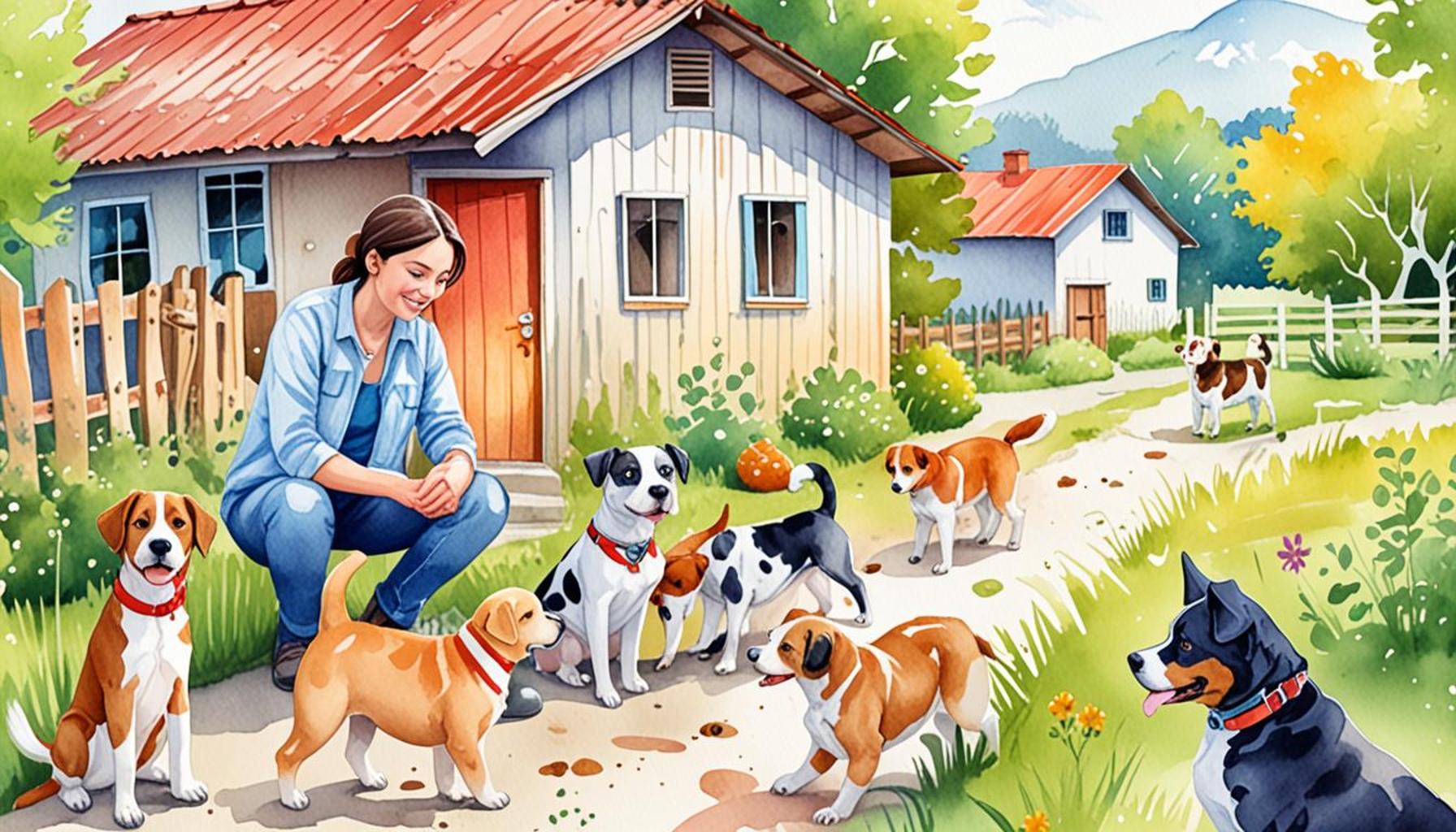
In rural communities, the bond between humans and pets can be incredibly strong, yet the journey to pet adoption is often fraught with challenges. Limited access to resources, awareness, and infrastructure creates a unique landscape for animal welfare efforts. Understanding these hurdles is crucial for fostering successful adoption practices in these areas.
This article delves into the significance of promoting pet adoption in rural settings, where animals often linger in shelters longer than their urban counterparts. By highlighting the specific obstacles faced, we can explore innovative solutions that are emerging to tackle these issues. The insights you will gain here not only aim to inspire action but also to illuminate the paths forward in creating better lives for both pets and their human companions.
Get ready to uncover the Top 5 challenges and solutions that define this important aspect of animal welfare. From community engagement strategies to education initiatives, each point serves as a stepping stone toward a brighter future for pets in rural areas.
Top 5: Animal Adoption in Rural Communities: Challenges and Solutions
In rural communities, pet adoption presents a complex mosaic of challenges and opportunities. While urban areas often dominate the discourse on animal shelters and adoptions, rural settings require a nuanced understanding of specific hurdles and ingenious strategies to foster a supportive environment for both humans and animals. Let’s dive into a ranked exploration of crucial elements affecting pet adoption in these communities.
5. Limited Access to Veterinary Services
The limited access to veterinary care is a prominent challenge in rural areas, where vast distances and sparse populations make it unfeasible for many veterinary clinics to operate. This scarcity creates significant barriers for pet owners who may need urgent medical assistance for their animals but lack nearby services. Moreover, without local clinics, tasks such as vaccinations, emergency treatments, and important procedures like spaying and neutering become daunting.
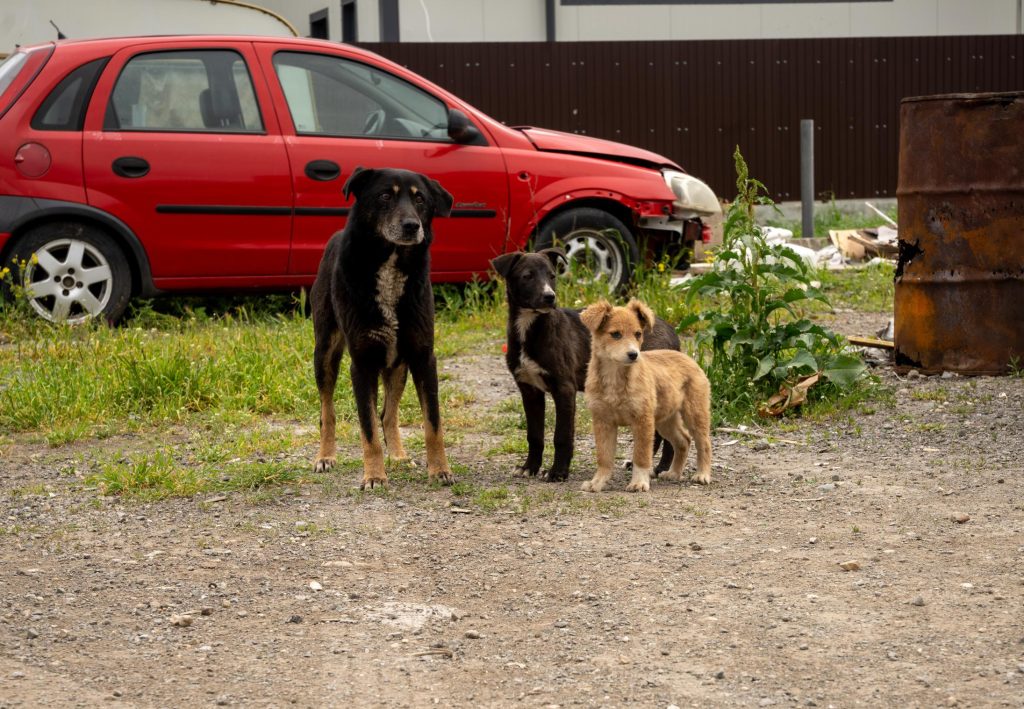
For many rural dwellers, traveling to a distant vet involves not just logistical hurdles but also substantial time and financial costs. These factors discourage pet adoption, as potential owners may fear they cannot provide the necessary care. Addressing this issue, initiatives such as mobile vet units and subsidized veterinary services at local county events can bridge the gap. Partnerships between urban veterinary schools and rural shelters could also enhance accessibility, empowering more individuals to adopt animals with the assurance of available medical support.
4. Lack of Awareness and Education
The lack of awareness and education surrounding animal adoption and welfare significantly impacts rural communities, where the culture of adopting stray or abandoned pets may not be as prevalent as purchasing from breeders or marketplaces. Misunderstandings about shelter animals, paired with a lack of information on the benefits of adoption, often hinder prospective adopters.
To counter these knowledge gaps, targeted educational campaigns are essential. Initiatives can include collaborations with schools for pet care workshops and community meetings that double as informational seminars about the advantages of adoption, such as saving lives and reducing overpopulation. Engaging storytelling through platforms like social media or local newspapers can also reveal heartwarming adoption stories, demystifying the process and encouraging broader participation.
3. Financial Constraints in Adoption Initiatives
Financial constraints are another formidable obstacle for pet adoption endeavors in rural areas. While urban shelters may benefit from donations and city-funded programs, rural areas often find themselves underfunded, restricting their ability to provide essential services like immunizations or spaying/neutering at little to no cost.
However, innovative fundraising strategies can help. Communities might rally by hosting local events, from charity walks to seasonal festivals, attributing proceeds to animal welfare causes. Moreover, applying for state and national grants specifically designed for rural animal welfare can bring additional support. Collaborations with local businesses could create mutually beneficial sponsorship arrangements, enabling financiers exposure in exchange for philanthropic contributions towards community pet welfare efforts.
2. Overpopulation of Stray Animals
The overpopulation of stray animals is a pervasive issue in many rural communities, where limited resources for animal control often lead to a tragic cycle of abandonment and survival struggles for stray animals. Without proper intervention, these animals face malnutrition and disease, underscoring the critical need for effective population management.
Community-led programs like Trap-Neuter-Return (TNR) have shown significant promise in controlling stray populations humanely and sustainably. These initiatives can drastically reduce the number of strays over time by preventing new litters. Through TNR, community members gain a greater understanding of the importance of controlling pet populations, fostering a more compassionate environment for all animals.
1. Collaborative Community Involvement
The critical role of collaborative community involvement cannot be overstated in reinforcing the framework for successful pet adoption in rural settings. By uniting local animal shelters, enthusiastic volunteers, and experienced veterinarians, communities can create robust networks that ensure effective support systems for pet adoption.
When communities organize adoption drives or fairs, they bring animals directly to potential adopters, breaking down barriers and creating connections. Volunteer networks can significantly enhance efforts by providing foster care, transportation for animals, and educational outreach. Strong partnerships with local businesses can also lend financial support while enhancing community spirit.
Ultimately, collaborative efforts can transform challenges into opportunities, generating sustainable solutions with long-term benefits. As rural communities invest their time and resources into cohesive strategies for pet adoption, they not only combat the immediate challenges but lay the groundwork for thriving relationships between humans and animals. By adopting such holistic approaches, communities cultivate environments where pet adoption efforts succeed, ultimately leading to healthier pets, happier families, and harmonious living spaces.
In conclusion, the journey of enhancing pet adoption in rural areas, while fraught with challenges, is an achievable endeavor when approached with purposeful action and awareness. Through collaboration, education, and strategic resource allocation, these communities can create brighter futures for both animals and their human counterparts. As more people recognize the immense benefits of adoption, rural innovation could potentially set new standards for compassionate pet ownership across the board.
| Category | Details |
|---|---|
| Community Engagement | Fostering a sense of community involvement is essential for successful pet adoption initiatives. Local events and workshops can actively involve both existing and potential pet owners. |
| Education and Awareness | Implementing educational programs about responsible pet ownership can mitigate common issues such as abandonment and neglect in rural settings. |
| Access to Resources | Providing access to veterinary services and pet supplies in remote areas is crucial to ensure that animals receive necessary healthcare and maintain quality of life. |
| Partnerships with Organizations | Collaboration with animal welfare organizations can help in creating structured adoption programs that cater specifically to the unique challenges faced by rural communities. |
Frequently Asked Questions: Pet Adoption in Rural Communities
What are the main challenges of adopting pets in rural communities?
The adoption of pets in rural areas faces several unique challenges. One of the primary issues is the limited access to veterinary care. Many rural areas are distant from veterinary clinics, making regular check-ups and emergency care difficult. Additionally, there is often a lack of resources for spaying and neutering, which can lead to overpopulation of stray animals. Transportation can also be a significant barrier for potential adopters who do not have easy access to amenities in more urbanized areas, resulting in low adoption rates.
How can rural communities improve animal adoption rates?
Enhancing adoption rates in rural communities requires a multifaceted approach. Creating local partnerships with national and regional animal welfare organizations can provide necessary resources and support. Establishing mobile veterinary units can help address the healthcare access issue, bringing services directly to remote areas. Community education programs are also crucial to inform residents about the benefits of adoption and responsible pet ownership. Finally, setting up local adoption events and creating online platforms can increase the visibility of animals needing homes.
What role do local governments play in addressing these challenges?
Local governments have a critical role in supporting pet adoption initiatives. By implementing policies that incentivize spaying and neutering, and funding for rural animal shelters, they can effectively manage the animal population. Governments can also subsidize veterinary care for low-income pet owners in these areas, making pet ownership more accessible. Furthermore, endorsing educational campaigns can raise awareness about animal welfare and encourage more adoptions.
Are there any innovative solutions currently being implemented?
Yes, several innovative solutions are being explored. For instance, some communities are utilizing volunteer networks to facilitate animal transportation to and from urban veterinary services. Others are harnessing technology through apps that connect potential pet adopters with animals in need, showcasing their profiles and facilitating remote adoptions. Small-scale, community-driven shelters that rely on crowdfunding are also emerging as a viable solution, offering a refuge for stray animals while engaging locals directly in adoption efforts.
Conclusion
The adoption of pets in rural communities presents a unique set of challenges and opportunities that deserve attention. Throughout this article, we have explored how geographic isolation, limited access to veterinary care, and economic constraints pose significant barriers to pet adoption in these areas. However, these challenges are not insurmountable.
Community Engagement and Education
One of the most effective solutions lies in engaging local communities through education and empowerment programs. By raising awareness about the benefits of pet adoption and responsible pet ownership, communities can foster an environment where animals are valued and cared for. Additionally, partnerships with local organizations can provide essential information and resources, allowing residents to make informed decisions about pet adoption.
Mobile Veterinary Services
The implementation of mobile veterinary clinics can bridge the gap in healthcare services, ensuring that rural pet owners have access to necessary medical care for their companions. These services can offer vaccinations, spaying and neutering, and routine check-ups, effectively reducing the incidence of preventable diseases and overpopulation.
Collaborative Efforts
Collaboration between governmental bodies, non-profit organizations, and local communities can lead to sustainable solutions for pet adoption in rural areas. Such initiatives can include financial support for low-income families seeking to adopt pets and the development of animal welfare laws that protect both pets and their owners.
In conclusion, while the challenges faced by rural communities in adopting pets are considerable, the solutions are within reach. Through education, innovative healthcare solutions, and strategic collaborations, we can ensure that every pet finds a loving home, regardless of geography. By addressing these issues with focused and informed efforts, rural areas can become thriving environments for both people and their animal companions, enriching the lives of all involved.
Related posts:
How to Prepare Your Home for a Newly Adopted Pet
How Social Media Boosts Pet Adoption Key Role and Strategies
Inspiring Stories of Special Animal Adoption Make a Difference Now
Options for Adopting Exotic Animals: What You Need to Know
The Importance of Responsible Adoption Key Commitments Care Tips
How Pet Adoption Improves Mental Health Positive Impact Revealed

Linda Carter is a writer and pet care expert specializing in pet health, grooming, and wellness. With extensive experience helping pet owners create safe, loving, and enriching environments for their animals, Linda shares her knowledge on our platform. Her goal is to empower readers with practical advice and strategies to ensure their pets thrive and lead joyful, healthy lives.