Pet Adoption Impact How Pets Unite Nigerian Communities Socially
Understanding the Social Impact of Pet Adoption in Nigeria
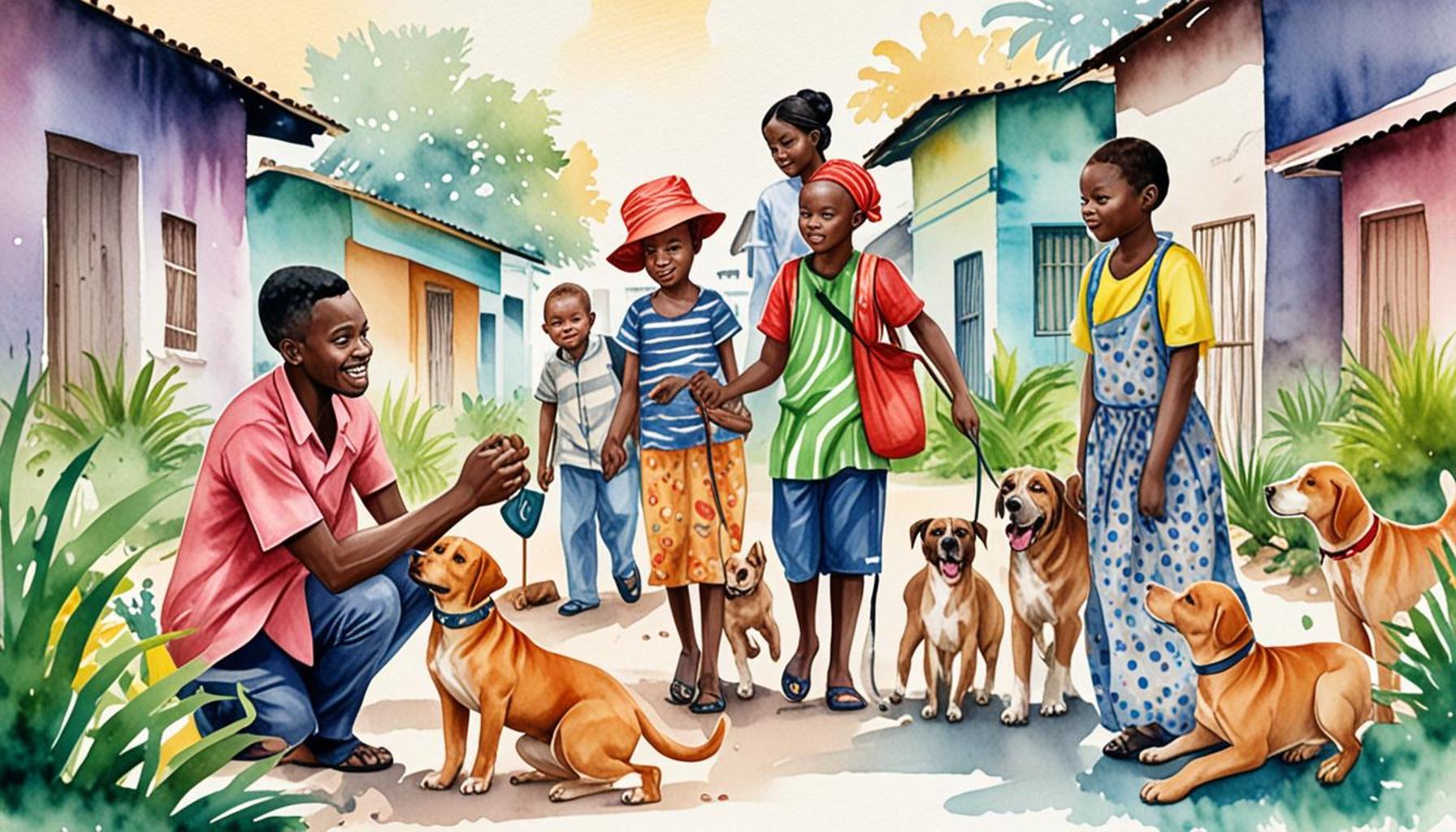
Pet adoption serves as a catalyst for social cohesion in communities across Nigeria. As more families open their homes to furry companions, the resulting interactions can foster connections, elevate awareness, and enhance community spirit. This article delves into the transformative power that pets can have in uniting diverse groups of people.
The Importance of Pets in Society
In various Nigerian cultures, pets are increasingly seen as family members rather than mere animals. This shift in perception emphasizes the role of pets in:
- Strengthening relationships among neighbors.
- Encouraging empathy among community members.
- Promoting volunteerism and animal welfare initiatives.
Exploring the Top 5 Ways Pets Foster Community Unity
From reducing loneliness to inspiring collective action, we will explore the top five ways pets contribute to social integration and community building in Nigeria. Prepare to discover how a simple act of adopting a pet can ripple through society, creating bonds that enrich lives and communities alike.
Top 5: Pet Adoption and the Importance of Social Integration in Nigeria
Discussions surrounding pet adoption often focus on issues of animal welfare and owner responsibility. However, in Nigeria, a fascinating phenomenon is taking place: pet adoption is emerging as a powerful agent of social change. Here, we will explore how pets are not just companions, but also catalysts for uniting communities. Let’s delve into our ranking from 5 to 1, starting with the factor considered less impactful, yet still significant, in the realm of pet adoption in Nigeria.
5. Raising Awareness About Animal Protection
Pet adoption is fostering a greater awareness of animal rights and protection in Nigeria. Local organizations are working tirelessly to educate the public on animal welfare, using adoption stories as positive examples. This not only increases visibility on issues of animal cruelty but also encourages communities to take action towards rescue and adoption. The outcome is a gradual shift in societal norms, where the welfare of animals is gaining prominence. By championing the rights of these voiceless beings, Nigerians are fostering a culture that values kindness and ethical treatment of animals.

- Educational programs in local schools focused on animal care.
- Social media campaigns promoting adoption and responsibility.
This growing awareness leads to greater community involvement in advocating for animal rights, although the social impact is still in its nascent stages. By embedding these values early, generations to come will likely view animals not as disposable entities, but as integral members of society.
4. Volunteer Opportunities and Personal Empowerment
As part of the effort to rescue and promote pet adoption, numerous non-governmental organizations (NGOs) in Nigeria offer volunteer opportunities. This allows community members to engage actively, providing a sense of belonging and responsibility. Voluntary work not only benefits animals but also empowers volunteers to develop new skills and expand their social networks. This edifies individuals on multiple levels, as they contribute their time to a meaningful cause that transcends personal gains.
Social integration can be observed through:
- Development of interpersonal skills.
- Increased empathy towards animal welfare.
This empowering connection can foster lasting bonds among people who are united in their shared mission of animal welfare. It serves as a stepping stone for individuals to play active roles in their communities, leveraging their newfound skills and insights to tackle other social issues.
3. Intergenerational Connections and Social Inclusion
Pets also play a crucial role in promoting intergenerational interactions. Engaging both the youth and the elderly in pet adoption and care can notably enhance the mental and emotional health of the community. Pets act as bridges between different age groups, creating meaningful interactions and reducing isolation, especially among the elderly. This transgenerational interaction is vital in a country like Nigeria, where tradition and family values hold significant importance.
- Community activities involving dog walking.
- Workshops where seniors and youth share pet-related experiences.
In this way, pet adoption not only provides homes for animals but also strengthens familial and social bonds. It creates a symbiotic relationship where both pets and people flourish, nurturing a community rich in empathy and understanding.
2. Fostering Empathy and Compassion in the Community
Interaction with pets has been shown to increase empathy and compassion among individuals. Adopting a pet brings forth feelings of responsibility and care, which translate into positive behaviors, not only towards pets but also towards fellow humans. This shift in mindset is proving effective in various Nigerian communities, where kindness towards animals correlates with overall societal compassion.
Scientific studies indicate that living with animals can reduce stress levels and enhance quality of life, thus promoting social unity. Adoption, therefore, becomes an act that transcends merely providing a home, transforming into a true form of fostering collective care.
As these psychological changes ripple through communities, the impact is tangible: less conflict, more cooperation, and a unified front in the face of communal challenges. By cultivating a culture of empathy, communities are better equipped to support one another, driving a communal evolution rooted in understanding and care.
1. Uniting Communities Through Adoption Events
At the top of the list, pet adoption events have proven to be the most powerful catalyst for community integration in Nigeria. These events create an atmosphere of celebration and interaction, even among people from different cultural and economic backgrounds. Often organized with the help of NGOs and local groups, these gatherings not only encourage adoption but also serve as a melting pot for diverse groups to come together.
- Collaboration between various social groups and organizations.
- Cultural events that coincide with adoption, enhancing community spirit.
Such events not only lead to successful adoptions but also lay the groundwork for community cohesion. By mingling over a shared passion, individuals develop mutual respect and understanding, which are essential for a harmonious society. These connections build resilience and preparedness, uniting neighborhoods with a communal sense of purpose. In this sense, pets act as silent diplomats, bridging gaps and forging strong communities ready to thrive together in shared prosperity.
Ultimately, the adoption of pets in Nigeria goes beyond mere companionship. It serves as a pivotal social mechanism that enhances interpersonal relationships, instills empathy, and breaks down cultural barriers. As Nigeria continues to navigate its path through modernization and social change, the role of pets as agents of community cohesion and personal fulfillment remains indispensable.
Adoption of pets in Nigeria is not just about providing a home to an animal; it plays a significant role in fostering community ties and social integration. The act of bringing a pet into one’s home has implications far beyond companionship. It can bridge gaps between diverse groups and facilitate social cohesion in various aspects. Below, we explore how pets influence community integration.Pets as Catalysts for Community Engagement:The adoption of animals such as dogs and cats often leads to increased community activities and engagement. Community events such as pet parades, adoption drives, or fundraising fairs encourage residents to come together to support a common cause. Such gatherings foster interactions among individuals from different backgrounds who might otherwise not have the opportunity to connect. These events create an inclusive environment where residents can share their love for animals, establish friendships, and collectively promote animal welfare.Enhancing Mental and Emotional Well-being:Pets also play a crucial role in enhancing mental health within communities. In Nigeria, where mental health awareness is still developing, the companionship of pets can serve as a therapeutic outlet for many individuals. Owning a pet has been linked to reducing feelings of loneliness and depression. Social gatherings centered around pets provide a safe space for individuals to express their feelings and experiences. This emotional support can be pivotal in building a supportive community network where people feel understood and valued.Fostering Responsibility and Social Values:In communities where pet adoption is promoted, a sense of responsibility is instilled among residents. When individuals adopt animals, they learn about the importance of caring for another living being. This responsibility encourages understanding, empathy, and compassion—values critical for social harmony. Engaging children and young adults in pet care can cultivate a sense of duty toward both animals and fellow community members.Training Programs for Pet Owners:Establishing training programs for new pet owners can further augment community ties. These programs not only teach responsible pet ownership but also emphasize collaboration and socialization among participants. Pet owners who participate in such programs can share tips, experiences, and challenges they face, creating a strong support network. By learning together, these individuals create bonds that extend beyond pet care into broader community engagement and cooperation.Cross-Cultural Connections Through Pets:In Nigeria’s diverse cultural landscape, pets can create cross-cultural connections. When individuals from different ethnic backgrounds come together to discuss pet care, they share cultural values, traditions, and knowledge. This interaction helps to break down barriers and stereotypes, fostering mutual respect and understanding. By highlighting the universal love for pets, communities can celebrate their diversity and work towards common goals.In summary, the adoption of pets in Nigeria transcends the immediate benefits of companionship. It serves as a powerful avenue for community engagement, mental health support, and the cultivation of social values. By embracing the potential of pet adoption, Nigerian communities can enhance their social fabric, creating a more inclusive and united environment. The ripple effect of such initiatives can transform communities, demonstrating that when it comes to pets, everyone has a role to play.
Frequently Asked Questions about Pet Adoption and Social Integration in Nigeria
What role do pets play in strengthening community bonds in Nigeria?
Pets can act as social catalysts, bringing people together by encouraging interactions among neighbors during walks or community events. In Nigeria, where communities often thrive on social engagements, pets can serve as conversation starters, fostering a sense of belonging and unity among residents. As pet ownership increases, so do the communal activities related to their care, leading to stronger community ties.
How can adopting pets impact the social landscape of Nigerian neighborhoods?
Adoption of pets can significantly influence the social dynamics of Nigerian neighborhoods by promoting a culture of compassion and responsibility. Being pet owners encourages individuals to become more involved in their communities, whether through participating in pet care discussions or organizing events such as pet-friendly gatherings and awareness campaigns. This active participation helps build networks and encourages a collective approach to community issues.
Are there specific challenges to pet adoption in Nigeria, and how are they being addressed?
Yes, pet adoption in Nigeria faces challenges such as misconceptions about certain breeds, lack of resources for proper pet care, and limited access to veterinary services. These issues are being addressed by local initiatives that aim to educate the public and provide resources for responsible pet ownership. Advocacy groups and non-profit organizations are also working to improve the accessibility of veterinary care, thereby enhancing the overall adoption experience.
What initiatives exist to support pet adoption and promote integration in Nigerian communities?
Several initiatives have been launched to support pet adoption in Nigeria, including awareness campaigns by NGOs and animal welfare organizations, which highlight the benefits of adopting pets. Community programs focus on training pet owners and providing resources such as vaccinations and health check-ups at affordable prices. Additionally, these initiatives often collaborate with local governments to facilitate pet-friendly policies, aimed at promoting harmonious coexistence between pet owners and non-pet owners.
How does pet adoption contribute to cultural exchange and diversity in Nigeria?
Pet adoption contributes to cultural exchange by introducing varying practices of pet care and appreciation from different parts of the world. In a culturally diverse country like Nigeria, this can lead to the exchange of ideas and practices among community members, fostering a rich tapestry of cultural interactions. By embracing pets as part of everyday life, communities can learn from each other’s experiences, which in turn encourages mutual respect and understanding.
Conclusion
The adoption of pets in Nigeria has emerged as a transformative movement, offering more than just companionship; it fosters robust social connections and strengthens community bonds. Pets have the unique capability to bring people together, bridging social gaps and promoting empathy and understanding. As communities in Nigeria become increasingly diverse, these furry companions serve as a unifying force, bringing people from varied backgrounds closer through shared interests and mutual care.
Throughout the article, we underscored several crucial points: firstly, the integration of pets into daily life can break down social barriers, fostering inclusivity and collective responsibility. Secondly, communal activities centered around pets, such as adoption fairs and pet-friendly gatherings, play a pivotal role in creating a sense of belonging and purpose among community members. The presence of pets not only enhances individual well-being but also nurtures a more connected and resilient society.
Moreover, as urbanization and technological advances continue to shape lifestyles in Nigeria, the need for physical and emotional interaction remains critical. Pets can fill that gap, reducing feelings of isolation and promoting mental health. Governments and local organizations can harness this potential by encouraging and facilitating pet adoption, thereby catalyzing positive social change.
In conclusion, the adoption and care of pets in Nigeria offer more than meets the eye. They are not just animals to be loved and cherished but are powerful agents of social cohesion. As communities embrace the potential of pets to unite them, the ripple effects of companionship, empathy, and social integration will continue to inspire and foster a more harmonious future.
Related posts:
How to Prepare Your Home for a Newly Adopted Pet
How Pet Adoption Improves Mental Health Positive Impact Revealed
Exploring the Benefits of Adopting Pets from Shelters in Nigeria
Benefits of Adopting Pets with Special Needs and How to Help
Pet Adoption in Rural Communities: Challenges and Opportunities
Discover the Benefits of Adopting Pets from Shelters A Complete Guide

Linda Carter is a writer and pet care expert specializing in pet health, grooming, and wellness. With extensive experience helping pet owners create safe, loving, and enriching environments for their animals, Linda shares her knowledge on our platform. Her goal is to empower readers with practical advice and strategies to ensure their pets thrive and lead joyful, healthy lives.