How to Use Natural Reinforcements in Pet Training
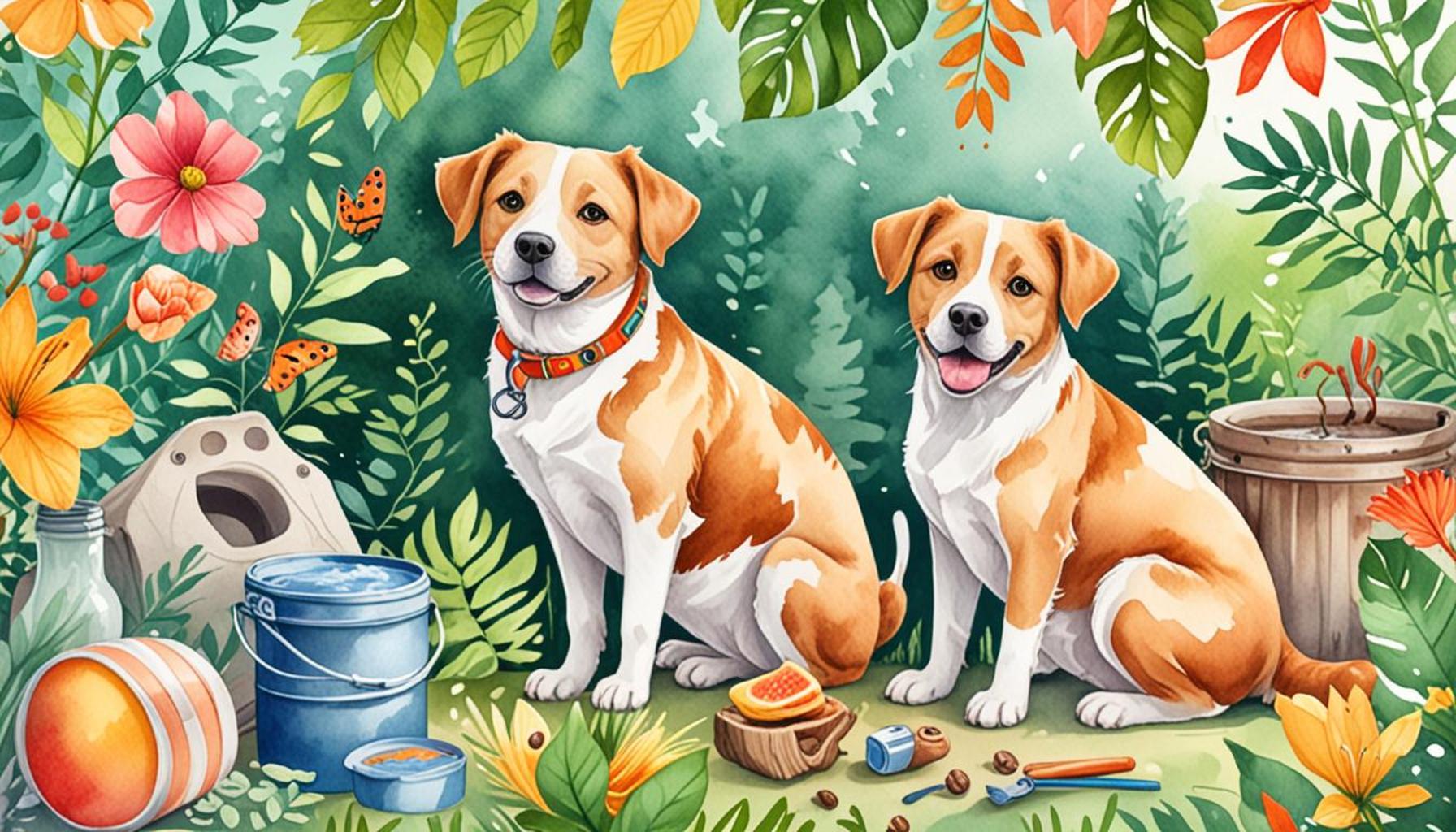
Understanding Natural Reinforcements in Pet Training
Training your pet can often pose various challenges, particularly in creating a method that effectively promotes learning and obedience. One of the most vital aspects of effective training is the use of natural reinforcements. These methods emphasize the importance of positive interactions, which not only enhance the bond between you and your pet but also pave the way for improved behavior over time. In Nigeria, where pet ownership continues to rise—especially with a growing affinity for dogs, cats, and even smaller mammals—grasping these techniques is essential for any pet owner.
The concept of natural reinforcements primarily revolves around using rewards that are inherently enjoyable and satisfying to pets. This allows owners to create a learning environment that feels less like a chore and more like a fun activity. Let’s delve deeper into the types of natural reinforcements that can be employed:
- Affection: Simple gestures such as physical touch, hugs, and verbal praise can be incredibly effective. Dogs, for instance, thrive on affection, and a warm “good boy” or “good girl” can make all the difference after they’ve successfully completed a command.
- Play: Engaging activities, such as fetching a ball or playing tug-of-war, not only provide exercise but also serve as a reward. These interactions stimulate your pet’s mind while reinforcing a lesson learned. In urban areas like Lagos, creating space for play can be achieved at local parks, fostering a social environment for both pets and owners.
- Everyday Treats: Using healthy, everyday snacks, such as pieces of yam, plantains, or even local fruits like bananas, can convert ordinary food into powerful training rewards. This approach aligns well with the Nigerian diet and helps pets feel more connected to their cultural landscape. Not only are these rewards nutritious, but they are also readily available, making it practical for everyday training.
Integrating these simple techniques into your training regimen can significantly enhance your pet’s happiness and overall well-being. As you develop a nurturing atmosphere filled with joy and trust, you are more likely to see a positive transformation in behavior. The interaction and engagement created can be invaluable, strengthening your relationship with your furry companion.
In our journey of exploring natural reinforcements, we will further discuss practical strategies and insights on how to seamlessly incorporate these rewards into your pet training routine. From understanding your pet’s unique preferences to tailoring activities that resonate with their instincts, this exploration will serve as a guide for creating a fulfilling and effective training process.
ADDITIONAL INSIGHTS: Expand your understanding here
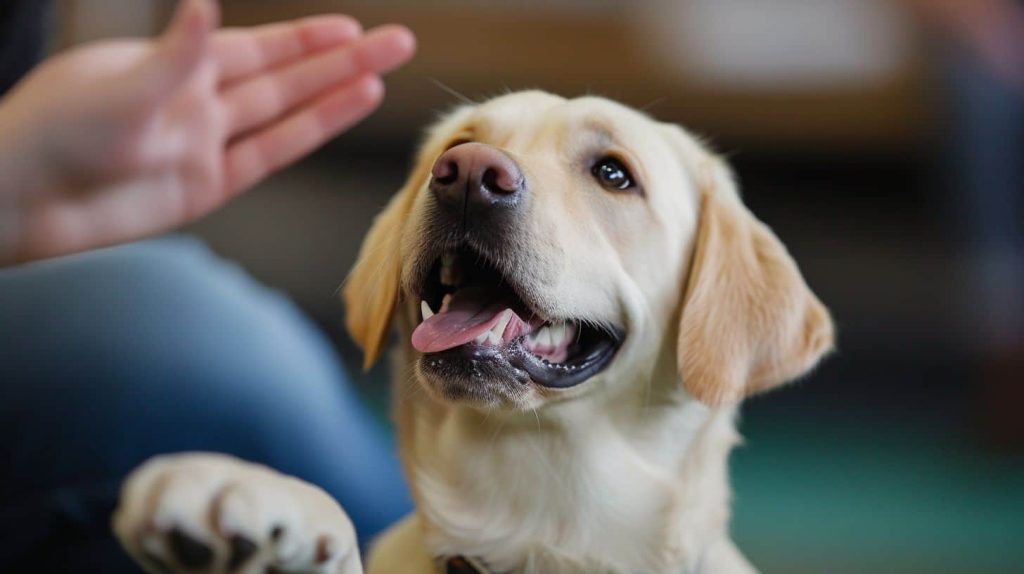
Identifying Your Pet’s Preferences
Before diving into the world of natural reinforcements, it’s essential to understand that each pet has unique preferences and behaviors that can significantly influence training outcomes. A crucial first step is to observe and identify what specifically motivates your pet. This varies not only among species but also between individual animals even within the same breed.
For instance, dogs may respond more favorably to verbal praise, while cats often appreciate physical affection or interactive play. Consider the following factors when determining your pet’s preferences:
- Body Language: Your pet’s posture and movements can reveal what excites or comforts them. A wagging tail or playful pounce can indicate readiness for play, while a relaxed body may signify comfort with physical affection.
- Response to Treats: Pay attention to which treats your pet gravitates towards during mealtimes. Are they eager for a specific snack? Incorporating these favorites into training can enhance motivation.
- Play Styles: Observe how your pet engages in play. Some pets love to chase and retrieve, while others prefer interactive games that involve mental challenges. Tailoring your training to suit their play style can significantly boost engagement.
Once you’ve identified what resonates with your pet, you can incorporate these preferences into your training routine. This personalized approach not only makes learning more gratifying but also fosters a positive atmosphere where your pet feels safe and motivated.
Creating a Rewarding Environment
A key component of using natural reinforcements is crafting an environment that enhances your pet’s desire to learn. To make training sessions more enjoyable, consider the following strategies:
- Conduct Sessions in Familiar Spaces: Training in a familiar environment helps minimize distractions. Whether it’s your backyard or living room, ensure the space is safe and conducive to learning.
- Keep Sessions Short and Engaging: Short bursts of training—around 5 to 10 minutes—can maintain your pet’s focus and interest. Frequent positive reinforcements during these sessions keep them eager for the next interaction.
- Use Consistent Cues: Whether verbal or through hand signals, consistency is key to helping your pet associate commands with actions. This repetition builds their understanding and confidence over time.
By implementing these techniques, you’ll cultivate an inviting atmosphere that nudges your pet toward the intended behavior. Remember, the ultimate goal is to make training sessions feel less like an obligation and more like a fun-filled bonding experience between you and your pet. The positive reinforcement provided through affection, play, and tasty rewards will lead to meaningful connections and improved behavior.
As you continue in this journey of utilizing natural reinforcements, exploring additional techniques and sharing experiences with fellow pet owners can provide insights and innovative ideas to further enhance your training efforts. Stay tuned as we uncover more practical tactics to make training enjoyable and efficient!
| Category | Description |
|---|---|
| Positive Reinforcement | Utilizing natural rewards, such as treats or praise, to encourage desired behaviors in pets. |
| Behavior Modification | Applying natural reinforcements helps diminish unwanted behaviors by redirecting focus to positive actions. |
| Enhanced Bonding | Using natural reinforcements fosters strong connections between pets and owners, enhancing mutual trust. |
| Stress Reduction | Natural enrichment techniques lead to lower anxiety levels in pets, creating a calmer training environment. |
In the realm of effective pet training, understanding the importance of natural reinforcements can significantly elevate your techniques. Positive reinforcement is highly regarded among pet trainers, emphasizing rewards like tasty treats and verbal praise that resonate with your pet’s instincts and preferences. Moreover, behavior modification achieves impressive results by redirecting your pet’s actions towards more desirable outcomes, effectively curbing unwanted behaviors. Additionally, the emphasis on enhanced bonding cannot be overstated, as these methods build trust and strengthen the human-animal relationship. This deepened bond often results in an eager and engaged learning experience for your pet. Furthermore, training that incorporates natural reinforcements plays a substantial role in reducing stress, creating a relaxed atmosphere conducive to learning. Such techniques are not only beneficial but pivotal in shaping a harmonious coexistence between you and your furry companions.
RECOMMENDED: Check out this similar article
Incorporating Natural Reinforcements into Training Techniques
Now that you’ve established what motivates your pet and created a rewarding environment, it’s time to delve into specific training techniques that utilize natural reinforcements. These techniques are designed to leverage the inherent preferences and behaviors of your pet to maximize learning and positive behavior.
Utilizing Play as a Reward
For many pets, especially dogs and cats, playtime is a primary driver of behavior. Incorporating their favorite toys or games as reinforcements during training can lead to remarkable results. For example, if your dog enjoys fetching, you could use a ball as a reward for successfully following a command, such as sit or stay. This not only reinforces the desired behavior but also channels their energy into a productive activity.
Similarly, for cats, engaging them with a feather wand or laser pointer right after they successfully execute a trick can enhance their enthusiasm for the training session. The key is to ensure that the play is directly linked to the training success; this creates a strong association in your pet’s mind between specific behaviors and the joy of play.
Incorporating Affection and Praise
Natural reinforcements don’t always have to be physical items. Many pets thrive on affection and verbal praise. When your pet performs a task correctly, immediate verbal affirmation such as “Good boy!” accompanied by a gentle stroke can be far more meaningful than conventional clickers or treats. In Nigeria, where bonding with pets is culturally significant, consider personalized phrases or even local language terms of endearment—this can enhance the connection in your training sessions.
Consistency is crucial here; the same praise should be given for the same action each time. This consistency nurtures the pet’s understanding and strengthens the bond between you and your furry friend. Remember that the tone of voice can also greatly impact your pet’s response. Using a cheerful and upbeat tone signals your pet that they have done something right.
Integrating Daily Routines
Another effective way to use natural reinforcements is by integrating training into your pet’s daily routines. While performing everyday activities such as feeding or walking, you can include training components. For instance, asking your dog to sit before serving their meal or to wait for a command before going outside teaches patience and discipline. Each time you reinforce this behavior with a calm tone and gentle pets, you are embedding positive associations into the learning process.
This method not only increases the frequency of practice but also ensures that your pet receives immediate rewards, creating a seamless link between the desired behavior and the outcome. Over time, these small achievements can build into more complex behaviors, enhancing your pet’s ability to learn.
Socialization as a Natural Reinforcer
For many pets, especially dogs, socialization is a powerful motivator. Organize playdates or outings to parks where your pet can interact with other animals and people. Each successful interaction or command executed in these social environments can be reinforced by allowing free play or social engagement. This not only aids in training but also helps to develop critical social skills that are vital for their overall behavior and well-being.
Using natural reinforcements such as play, affection, routine integration, and socialization engages your pet’s innate preferences, creating a joyful learning atmosphere. These methods emphasize the importance of understanding your pet’s individuality and contribute to a path of mutual respect and affection in the training process. Remember, training is not just about correcting behavior; it’s a journey of connection and growth between you and your beloved pet.
SEE ALSO: Click here to read another article
Conclusion
Embracing natural reinforcements in pet training transforms the experience into a mutually beneficial journey of growth and understanding. By tapping into your pet’s innate drives—be it through play, affection, routine integration, or socialization—you create an engaging environment that fosters learning and strengthens your bond. Each method discussed not only reinforces good behavior but also nurtures a deeper connection, reflecting the cultural significance of pet companionship prevalent in Nigeria.
As you implement these techniques, remember that consistency and patience are key. Personalized praise, localized phrases of endearment, and the joyful interactions that arise from social experiences can significantly enhance your pet’s enthusiasm for training. The integration of training into daily routines ensures that learning is continuous and seamlessly intertwined with your pet’s everyday life, making it less of a chore and more of an enjoyable activity.
Exploring natural reinforcements is not just about teaching commands—it’s about enriching the relationship you share with your pet. Consider this an invitation to delve deeper into understanding your pet’s unique personality and preferences. As you observe and adjust your training methods to fit your furry friend’s needs, you will likely find the process becomes more enjoyable, effective, and fulfilling. In the end, pet training using natural reinforcements can cultivate a happier, more balanced environment for both pet and owner, promoting harmony in every interaction.
Related posts:
Training Tips for Senior Pets: Maintaining Agility and Well-Being
Training Strategies for Pets in Rural Environments
Pet Training for Urban Living: Practical Tips for Congested Environments
How to Integrate Pet Training into Family Routine
Puppy Training Tips: How to Teach Basic Commands
Training Techniques to Reduce Anxiety in Pets

Linda Carter is a writer and pet care expert specializing in pet health, grooming, and wellness. With extensive experience helping pet owners create safe, loving, and enriching environments for their animals, Linda shares her knowledge on our platform. Her goal is to empower readers with practical advice and strategies to ensure their pets thrive and lead joyful, healthy lives.