How to Maintain Your Pets’ Dental Health: Essential Tips
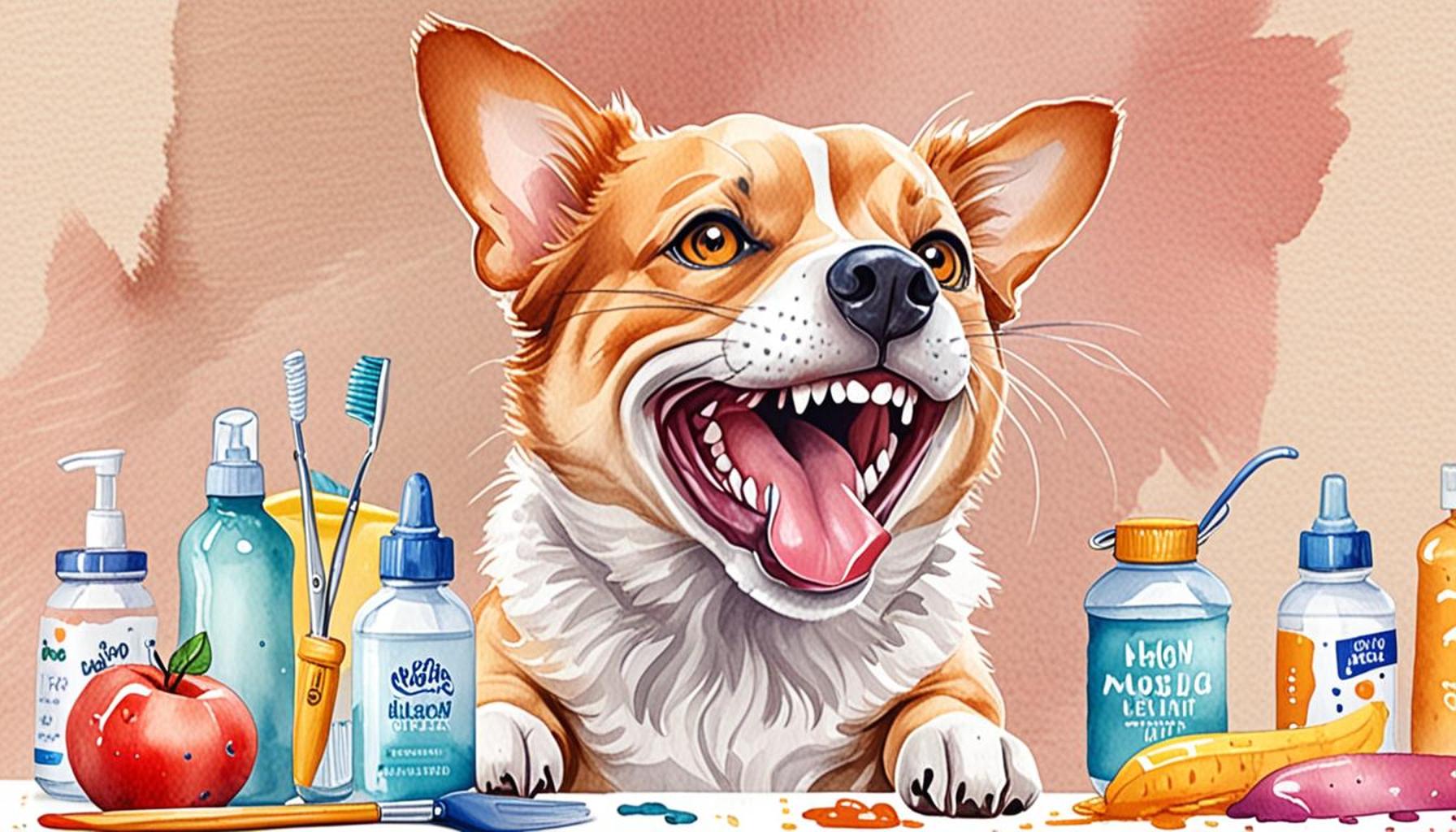
Understanding the Importance of Dental Care for Pets
The connection between a pet’s dental health and their overall well-being cannot be understated. Just as with humans, neglecting dental hygiene in animals can lead to numerous health complications. In a country like Nigeria, where veterinary services might not be as accessible, pet owners must take the initiative in maintaining their pets’ dental health. The repercussions of ignoring oral care can be dire, and preventive measures are key to ensuring your pet stays healthy and happy.
Why Dental Care Matters
Many pet owners may not realize that neglecting dental hygiene can result in serious health issues. Bacteria from dental diseases can enter the bloodstream, potentially affecting the heart, liver, and kidneys. For pets, the threat of gum disease—which can lead to tooth loss and chronic pain—is significant. Bad breath, a common indicator of dental problems, might be a warning sign that your pet requires immediate attention.
Proven Strategies for Maintaining Dental Health
Implementing good dental practices for your pets is crucial. One effective approach is regular brushing. Aim to brush your pet’s teeth at least two to three times a week using pet-safe toothpaste. The routine not only helps to remove plaque buildup but also allows you to check for any abnormalities in their gums or teeth. When introducing teeth brushing, do so slowly, allowing your pet to get accustomed to the process to prevent anxiety.
Choosing appropriate food is another fundamental strategy. Certain brands offer dental formulas specifically designed to support oral health. These foods might have a texture that encourages chewing, helping to scrape away plaque as your pet eats. Moreover, high-quality ingredients contribute to overall health, providing your pet with greater energy and resilience against diseases.
Dental Treats: A Tasty Solution
Incorporating dental treats into your pet’s diet is an easy and enjoyable way to combat dental issues. Many brands produce treats that are formulated to help reduce tartar and plaque. When selecting snacks, look for those that have a veterinary seal of approval or claims of dental health benefits. These treats not only serve as a reward but also assist in the ongoing battle against oral bacteria.

The Consequences of Ignoring Dental Health
Failing to address your pet’s dental hygiene can have severe consequences. Beyond just bad breath, neglected mouths can lead to painful infections and dental disease. These issues can sometimes necessitate costly veterinary interventions or even surgical procedures. In light of this, prioritizing your pet’s dental health can save both pain and expenses in the long run.
Conclusion
In summary, keeping your pet’s smile healthy goes beyond aesthetics; it is integral to their overall health. By adhering to regular brushing, providing quality food, and offering dental treats, you can ensure your furry friends lead a happy and vibrant life. By taking these proactive steps, you not only enhance their quality of life but also contribute to a long, healthy relationship that you can cherish for years to come.
YOU MAY ALSO LIKE: Read read another article
Proven Strategies for Maintaining Dental Health
Implementing good dental practices for your pets is crucial and should be a key part of your overall pet care routine. One effective approach to maintaining your pet’s dental health is regular brushing. Aim to brush your pet’s teeth at least two to three times a week using pet-safe toothpaste. This routine not only helps to remove plaque buildup but also allows you to inspect for any abnormalities in their gums or teeth. When introducing teeth brushing, do so gradually to ensure your pet becomes familiar with the process, preventing any anxiety or fear associated with the toothbrush.
In addition to brushing, choosing appropriate food plays a significant role in maintaining your pet’s oral hygiene. Certain brands offer dental formulas specifically designed to support oral health. These foods often have textures that encourage chewing, which can help scrape away plaque as your pet eats. Additionally, high-quality ingredients contribute to overall health, providing your furry friend with greater energy and resilience against various diseases.
Incorporating Good Dental Habits
Beyond brushing and food choices, implementing other dental care routines can further enhance your pet’s oral health. Consider the following practices:
- Regular Vet Check-ups: Schedule dental check-ups with your veterinarian at least once a year. Professional cleanings help remove tartar and plaque that regular home care cannot.
- Use of Dental Toys: Invest in dental toys designed for chewing. These can stimulate your pet’s gums while also promoting cleaning through the chewing action.
- Fresh Water: Ensure your pets have access to fresh water at all times. Staying hydrated helps wash away food particles and reduces the chance of bacterial growth.
- Chew-Approved Bones and Chews: Offer raw bones or dental chews that are suitable for your pet. These options can be beneficial to their teeth and gums when monitored and offered safely.
Another valuable addition to your pet’s dental regimen is treating bad breath, which can be an indicator of underlying dental problems. A simple solution might include not only regular brushing but also considering dental rinses or water additives that can help combat oral bacteria. However, always consult your veterinarian before introducing new treatments to ensure they are safe for your particular pet.
When it comes to dental treats, incorporating dental chews into your pet’s diet provides a tasty and effective way to combat dental issues. Many brands produce treats formulated to help reduce tartar and plaque. When selecting snacks, look for those that carry a veterinary seal of approval or advertise dental health benefits. These treats not only serve as a reward but also assist in your ongoing battle against oral bacteria, contributing to a healthier mouth.
Maintaining your pets’ dental health is crucial for their overall well-being. Just like humans, pets need regular dental care to prevent diseases and ensure healthy gums and teeth. Regular brushing, alongside providing appropriate chew toys, plays a pivotal role in safeguarding their dental hygiene. Choosing the right dental products designed specifically for pets can also enhance their oral care routine. Remember, early intervention is key; schedule regular veterinary check-ups to monitor oral health. This proactive approach can catch any potential issues before they become serious.
Additionally, incorporating dental-friendly diets can make a significant difference. Certain kibble shapes and sizes are designed to reduce tartar buildup while providing necessary nutrition. Adding dental treats into their diets can also promote oral health in a more enjoyable way for your pet. Beyond routine care, educate yourself about the signs of dental problems, such as bad breath or difficulty eating, and address them promptly. By understanding these essential tips, you can greatly contribute to the quality of life and longevity of your beloved pets.
| Category | Benefits |
|---|---|
| Regular Dental Check-ups | Helps to identify dental issues before they worsen. |
| Daily Brushing | Significantly reduces plaque and tartar buildup. |
| Dental Chews | Promotes chewing which aids in cleaning teeth. |
| Specialized Diets | Designed to reduce dental issues while nourishing pets. |
RECOMMENDED: Check out this similar article
The Role of Preventative Care in Dental Health
Maintaining your pet’s dental health isn’t just about brushing and dental treats; preventative care plays a critical role as well. This can include being vigilant about changes in your pet’s behavior or eating habits, as these could indicate oral health issues. For instance, if your pet is suddenly reluctant to eat or is chewing on one side of their mouth, it might be time for a dental evaluation. Recognizing these signs early can help catch potential problems before they escalate into serious health concerns.
Another fundamental aspect of preventative care is monitoring oral hygiene products. In Nigeria, many pet stores offer a variety of dental care products, from toothpastes and brushes to mouth rinses and sprays. It’s important to choose products specifically formulated for pets; human dental products can often contain harmful ingredients. When selecting a product, look for those that have been approved by veterinary associations, indicating they are safe and effective for your furry companions.
Exploring Natural Remedies
Many pet owners are intrigued by natural remedies for dental care, especially considering the holistic approach to pet health that is gaining popularity. Some common natural aids include coconut oil, which can help reduce bacteria in the mouth, and baking soda, which may assist in removing plaque build-up when used cautiously. Introducing these remedies, however, should be done with caution and preferably under the guidance of a veterinarian to ensure your pet’s safety and comfort.
Additionally, certain fruits and vegetables can contribute positively to oral health. For example, apples can act as a natural toothbrush due to their fibrous texture, while carrots can engage your pet in chewing action, which is beneficial for their teeth and gums. Always be cautious and ensure that any fruits or vegetables are safe and appropriate for your pet’s breed and size.
Understanding Age-Related Dental Needs
As your pet ages, their dental needs may change significantly. Older pets are more prone to dental disease, which can lead to severe health complications if left untreated. Regular veterinary visits become increasingly important, as your vet can provide tailored advice based on your pet’s age and dental health history. You may also need to adjust the frequency of teeth brushing or consider additional dental care products that cater to the senior age group.
Furthermore, be aware that certain breeds are more susceptible to dental problems. Small dog breeds like Chihuahuas and Yorkshire Terriers often experience dental issues due to overcrowded teeth. If you have a breed known for dental problems, it is wise to seek a tailored dental care plan that includes specialized cleaning and dental diets.
Understanding the interconnection between dental health and overall wellness can empower you to make informed decisions about your pet’s care. The implications of poor dental hygiene extend beyond just the mouth; they can affect heart, kidney, and even respiratory health, leading to more serious conditions if left unaddressed.
With a combination of vigilance, regular dental practices, and tailored strategies that consider your pet’s unique needs, you can maintain their dental health effectively. This comprehensive approach not only ensures a brighter smile but also paves the way for a longer and healthier life for your beloved companion.
ADDITIONAL INSIGHTS: Expand your understanding here
Conclusion: Safeguarding Your Pet’s Smile
Maintaining your pet’s dental health is not just a chore; it’s a fundamental aspect of their overall well-being. Through consistent dental care practices—including regular brushing, dental chew toys, and appropriate dietary choices—you can significantly reduce the risk of dental diseases that may lead to more serious health complications. Remember, the mouth is a gateway to your pet’s overall health, and issues left unattended can affect vital organs like the heart and kidneys.
Taking a proactive approach to preventative care will help you spot early signs of dental problems, ensuring timely veterinary intervention. While natural remedies can complement your efforts, it’s essential to consult with a veterinarian to select the safest options tailored to your pet’s specific needs. Additionally, recognizing age-related changes in your pet’s dental health will better equip you to respond effectively as they grow older.
In Nigeria, the growing availability of specialized dental products and veterinary services underscores the importance of prioritizing your pet’s oral health. Investing time and effort in dental care today will pay off with a happier, healthier, and more vibrant life for your furry friends tomorrow. So take that first step—grab a toothbrush, select some dental treats, and explore your options for enhancing your pet’s dental hygiene. Their smiling faces will be worth every effort!
Related posts:
The role of hydration in the overall health of pets: tips to ensure your pet drinks enough water
Preventive Care: The Importance of Regular Check-ups for Early Disease Detection in Pets
Tips for Pet Hearing Health: Preventing and Treating Ear Problems
How to Prevent and Treat Obesity in Dogs and Cats: A Practical Guide
How to Deal with Separation Anxiety in Dogs: Effective Strategies
How Age Affects Pet Health: Tailored Care for Each Life Stage

Linda Carter is a writer and pet care expert specializing in pet health, grooming, and wellness. With extensive experience helping pet owners create safe, loving, and enriching environments for their animals, Linda shares her knowledge on our platform. Her goal is to empower readers with practical advice and strategies to ensure their pets thrive and lead joyful, healthy lives.