How to Create a Safe and Stimulating Space for Pet Rodents
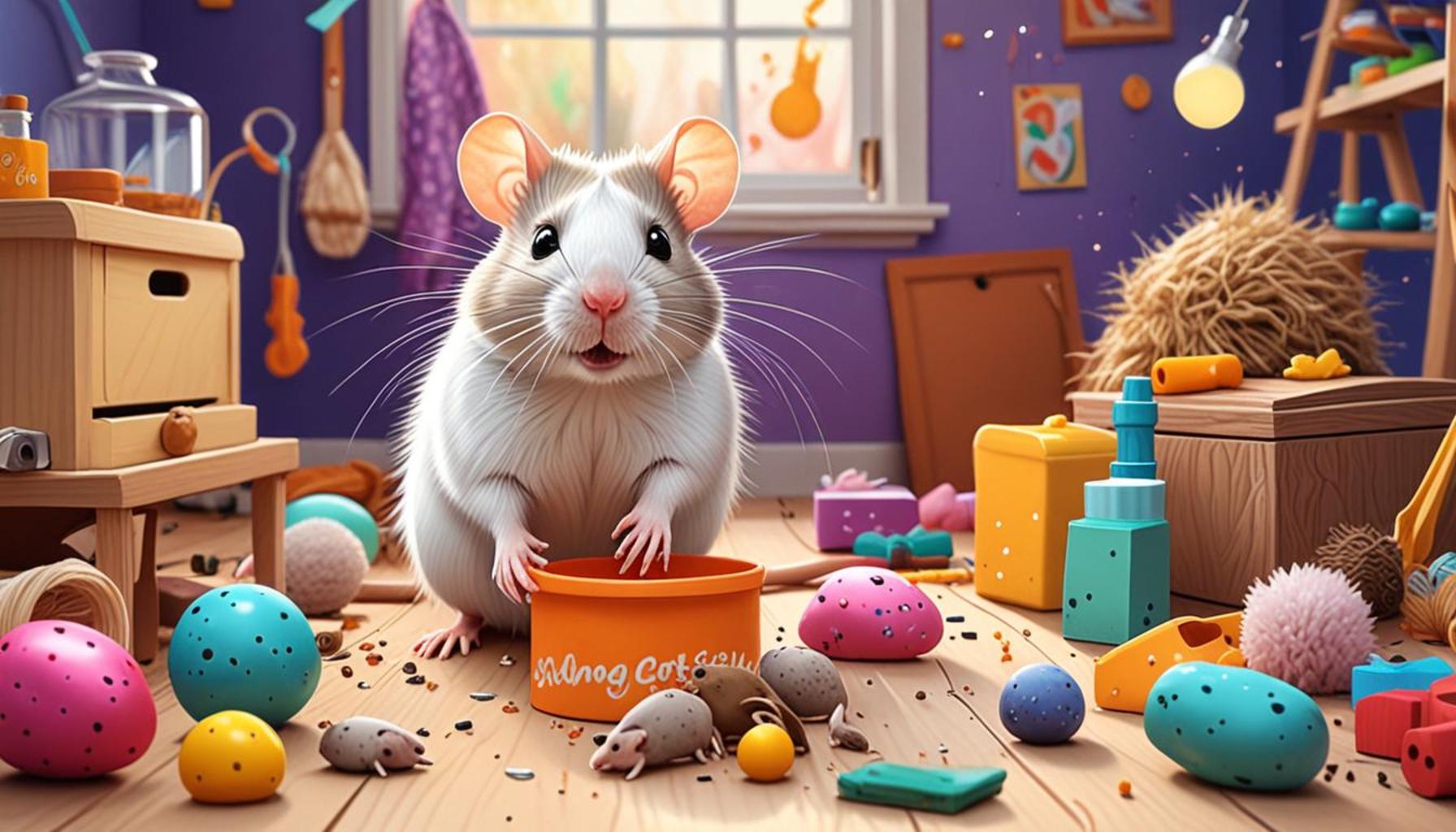
Creating the Ideal Environment for Your Pet Rodents
The responsibility of pet ownership extends beyond mere feeding and cleaning; it encompasses providing a nurturing and enriching habitat for your beloved rodent companions. These small animals, including hamsters, gerbils, and guinea pigs, have unique needs that require thoughtful consideration, particularly in diverse environments like Nigeria. Understanding how these factors come into play is crucial for fostering their well-being and happiness.
Enclosure Size
A vital aspect of your pet rodent’s comfort is the size of their enclosure. Opt for a cage that offers ample space for exploration and movement. For instance, a cage measuring at least 24 x 12 inches is recommended for hamsters, while guinea pigs should ideally have a cage that measures at least 7.5 square feet. In Nigeria, where spacious living conditions may vary, consider using multi-level cages that allow vertical space utilization. This not only conserves ground space but also encourages natural climbing behaviors while providing your pets with more room to roam.
Comfortable Bedding
Selecting appropriate bedding materials is essential for maintaining a healthy environment. Avoid cedar or pine shavings as they can emit harmful oils that irritate your pets’ respiratory systems. Instead, consider using safe options like paper-based bedding or aspen shavings, which are hypoallergenic and allow for natural burrowing. Create a comfortable nest area with additional materials, such as hay or shredded paper, where your rodents can feel secure and cozy, which is particularly important given Nigeria’s warm climate.
Enrichment Activities
To foster mental stimulation and physical activity, it is crucial to incorporate a variety of enrichment activities within their living space. Introduce toys made from safe, non-toxic materials, such as chew toys or tunnels that encourage exploration. Many pet owners find that homemade enrichment items, such as cardboard boxes or even dried branches, can serve as ideal playgrounds for their rodents. Tunnels help to mimic natural burrowing, making for an engaging environment. Furthermore, consider rotating toys regularly to maintain their interest and keep boredom at bay.
Understanding the specific needs of different rodent species is equally important. For example, hamsters, being nocturnal creatures, require adequate running wheels and climbing structures, while guinea pigs thrive in social environments and need companions to reduce loneliness. Their social nature makes them more prone to stress when isolated, hence it is advisable to keep them in pairs or small groups.
Creating a safe and stimulating environment not only elevates your rodents’ quality of life but also enriches the bond you share with them. As you explore the intricacies of rodent care, you will uncover various strategies and resources tailored to both novice and seasoned pet owners in Nigeria, ensuring your small companions lead happy, healthy lives.
ADDITIONAL INSIGHTS: Expand your understanding here
Essential Elements for Your Rodent’s Habitat
Creating a safe and stimulating space for your pet rodents involves careful planning and consideration of various factors that contribute to their overall well-being. As you embark on this journey, it’s crucial to pay attention to the key elements that will make your pets feel secure and actively engaged in their environment.
Temperature and Climate Control
In Nigeria, the climate can be quite warm and humid, which poses specific challenges for pet rodent owners. Rodents are sensitive to extreme temperatures, and it’s essential to maintain a comfortable environment within their cages. Ensure that their habitat is placed in a well-ventilated area away from direct sunlight and drafts. Ideally, the temperature should be kept between 18 to 24 degrees Celsius.
Utilizing fans or air conditioning units can be beneficial during the hotter months. Additionally, consider introducing cooling tiles or ceramic tiles for your rodents to rest on during particularly warm days. This helps to regulate their body temperature and prevents overheating, which can be detrimental to their health.
Safe Additions for Their Enclosure
Incorporating various items into your rodent’s enclosure can significantly enhance their living experience. Here are some items you can include:
- Hiding spots: Utilize small houses or tunnels constructed from wood or ceramic, providing your rodents with a retreat and a sense of security.
- Climbing structures: Consider adding safe climbing materials such as branches or ramps to encourage physical activity and mimic their natural behavior.
- Food and water dispensers: Ensure the availability of clean, fresh water and food. Use sipper bottles or heavy ceramic bowls to minimize spills and keep the bedding dry.
Cleanliness and Maintenance
Regular cleaning is vital for maintaining a healthy environment for your rodents. It’s recommended to clean their cage at least once a week, removing soiled bedding and leftover food. Consider using a safe pet-friendly disinfectant to wipe down surfaces. In addition to weekly deep cleaning, spot clean daily to remove any waste to ensure their habitat remains hygienic.
Establishing a routine can help in making this process easier. Setting specific days for cleaning not only ensures that your rodent’s environment is always fresh but also teaches them that a clean space is essential for their health and happiness.
The care that you invest in creating a safe and stimulating habitat for your pet rodents will go a long way in shaping their lives. A well-maintained environment leads to happier, healthier pets, fostering stronger bonds between you and your adorable rodent companions. As you navigate the nuances of rodent care, remember that your pets need not only a cozy home but also an engaging space to thrive and explore.
Creating an Ideal Environment for Your Pet Rodents
Providing a safe and stimulating environment for pet rodents is essential for their well-being and happiness. Rodents are naturally curious creatures that thrive on exploration, which highlights the importance of their habitat. Here are several crucial aspects to consider when setting up a home for your furry friends.
Choosing the Right Cage
The cage serves as the primary living space for your pet rodents. Opt for a cage with ample space that allows them to move freely, exercise, and explore. A multi-level cage is ideal, as it enables vertical living space, simulating their natural habitat. Look for cages with wide bar spacing to prevent escapes, as some rodents can squeeze through surprisingly small gaps.
Providing Enrichment
Create an engaging environment by incorporating various enrichment items. Chew toys, tunnels, and climbing structures are vital for keeping rodents active and mentally stimulated. Natural materials such as untreated wood, cardboard tubes, and hay encourage gnawing and instinctual behaviors. Ensure that any items added to the cage are non-toxic and safe for pets.
Cleanliness and Hygiene
Maintaining cleanliness is crucial for the health of your pet rodents. Regularly clean the cage substrate, replace bedding, and sanitize food dishes. Establish a routine that includes checking for waste and uneaten food to prevent build-up. A clean environment fosters less stress and significantly contributes to your rodents’ overall health.Integrating these elements into your pet rodents’ habitat lays the groundwork for a happy and secure life. Meeting their physical needs, along with providing mental stimulation, builds a strong bond that enhances their quality of life.
| Category | Details |
|---|---|
| Cage Type | Multi-level cages provide ample space for movement. |
| Enrichment Tools | Toys and tunnels keep rodents physically active and mentally engaged. |
Understanding these elements will further empower you to create a nurturing environment that promotes the physical and emotional well-being of your beloved pet rodents. Continue exploring the dimensions of their care to ensure a fulfilling life filled with joy and longevity.
YOU MAY ALSO LIKE: Read read another article
Enrichment Activities for Your Rodent Companions
Beyond the physical attributes of a rodent’s habitat, enriching their environment with engaging activities plays a pivotal role in their mental and emotional health. Pet rodents are intelligent and curious creatures that thrive on exploration and exploration should be actively encouraged. To create a stimulating environment, consider integrating various enrichment activities that motivate them to explore, foraging, and play.
Interactive Toys and Accessories
Investing in interactive toys can greatly enhance your pets’ daily experiences. Simple items can be made from safe household materials or purchased from specialty pet stores. Here are some interactive elements you might consider:
- Chew toys: Rodents have continuously growing teeth, so providing natural wooden chew toys made from untreated wood is essential. These not only keep their teeth trimmed but also provide an enjoyable activity to prevent boredom.
- Foraging puzzles: These toys are designed to stimulate your rodent’s natural instinct to search for food. Fill them with their favorite treats or food pellets, encouraging them to work for their rewards.
- Exercise wheels: Many pet rodents, especially hamsters and gerbils, benefit from exercise wheels. These *should be solid-surfaced* to prevent injuries, allowing your rodent to run freely and expend energy in a safe manner.
Social Interaction and Playtime
Creating a stimulating space isn’t just about physical structures; social interaction is equally significant. Rodents, particularly species like rats and gerbils, are highly social animals that thrive on companionship.
Spend time with your rodents outside their cages in a secure area. Engaging them through gentle handling, encouraging exploration on a safe surface, or introducing new toys can provide mental stimulation. You might even consider creating a small playpen where they can interact with one another safely. However, always supervise playtime to prevent any accidents or escapes.
Naturalizing Their Environment
To mimic their natural habitat, consider introducing elements that reflect their wild environment. For example, you can use organic materials such as untreated leaves or branches to create a sense of familiarity.
By establishing a naturalistic environment, you might also include items like small logs or flat stones for climbing, which can appeal to their exploration instincts and provide physical challenges. Make sure any natural items you introduce are clean and safe for your pets.
Routine and Stability
An often-overlooked aspect is the importance of stability in a rodent’s routine. Consistency is key; maintaining a regular schedule for feeding, cleaning, and interaction helps your pets to feel secure within their space. This stability reduces stress and encourages them to engage more freely with their environment.
For optimal results, track your pet’s behavior and moods, adjusting enrichment activities as needed to align with their preferences. By observing your rodents, you’ll notice their interests and establish a dynamic habitat that evolves with their needs, ensuring a fulfilling life.
Overall, the combination of a thoughtful habitat design, enriching activities, and routine will ensure that your rodent companions lead happy, healthy lives in their safe and stimulating space. By nurturing their natural behaviors and instincts, you will see a remarkable evolution in their behavior, leading to a stronger bond between you and your delightful little friends.
LEARN MORE: This related article may interest you
Conclusion
Creating a safe and stimulating space for your pet rodents encompasses a holistic approach that combines thoughtful habitat design, engaging enrichment activities, and a consistent routine. By prioritizing environmental safety, you can protect your little companions from potential hazards, while an inspiring setup encourages them to express their natural instincts. Incorporating a range of interactive toys, from chewables to foraging puzzles, not only enhances their physical health but also enriches their mental well-being.
Another vital aspect is the social interaction and playtime you provide, as rodents are inherently social beings that thrive on companionship. Spending quality time with them—whether through gentle handling, engaging play, or simply observing their behaviors—will foster a deeper bond and enhance their happiness. Introducing natural elements into their environment can further mimic their instincts while providing mental stimulation.
Ultimately, fostering a sense of stability through routine helps your rodents feel secure, effectively reducing stress and encouraging exploration. Each rodent is unique, and monitoring their preferences will help you adapt their habitat to continually suit their needs.
By implementing these strategies and nurturing a stimulating environment, you can ensure your pet rodents lead fulfilling lives filled with joy and curiosity. This not only benefits them but also enriches your own experience as a pet owner, creating a harmonious living space that celebrates the delightful qualities of these small yet vibrant creatures.
Related posts:
Strategies to Promote Pets' Mental Health During the Pandemic
Balanced Pet Nutrition in Nigeria Essential for Pet Health
The influence of interactive play on dogs' mental health
Essential Dental Care for Dogs in Nigeria
The importance of environmental enrichment for pet happiness
The benefits of sterilization and neutering of pets for public health

Linda Carter is a writer and pet care expert specializing in pet health, grooming, and wellness. With extensive experience helping pet owners create safe, loving, and enriching environments for their animals, Linda shares her knowledge on our platform. Her goal is to empower readers with practical advice and strategies to ensure their pets thrive and lead joyful, healthy lives.