How to cope with separation anxiety in dogs and cats
Recognizing the Causes of Separation Anxiety
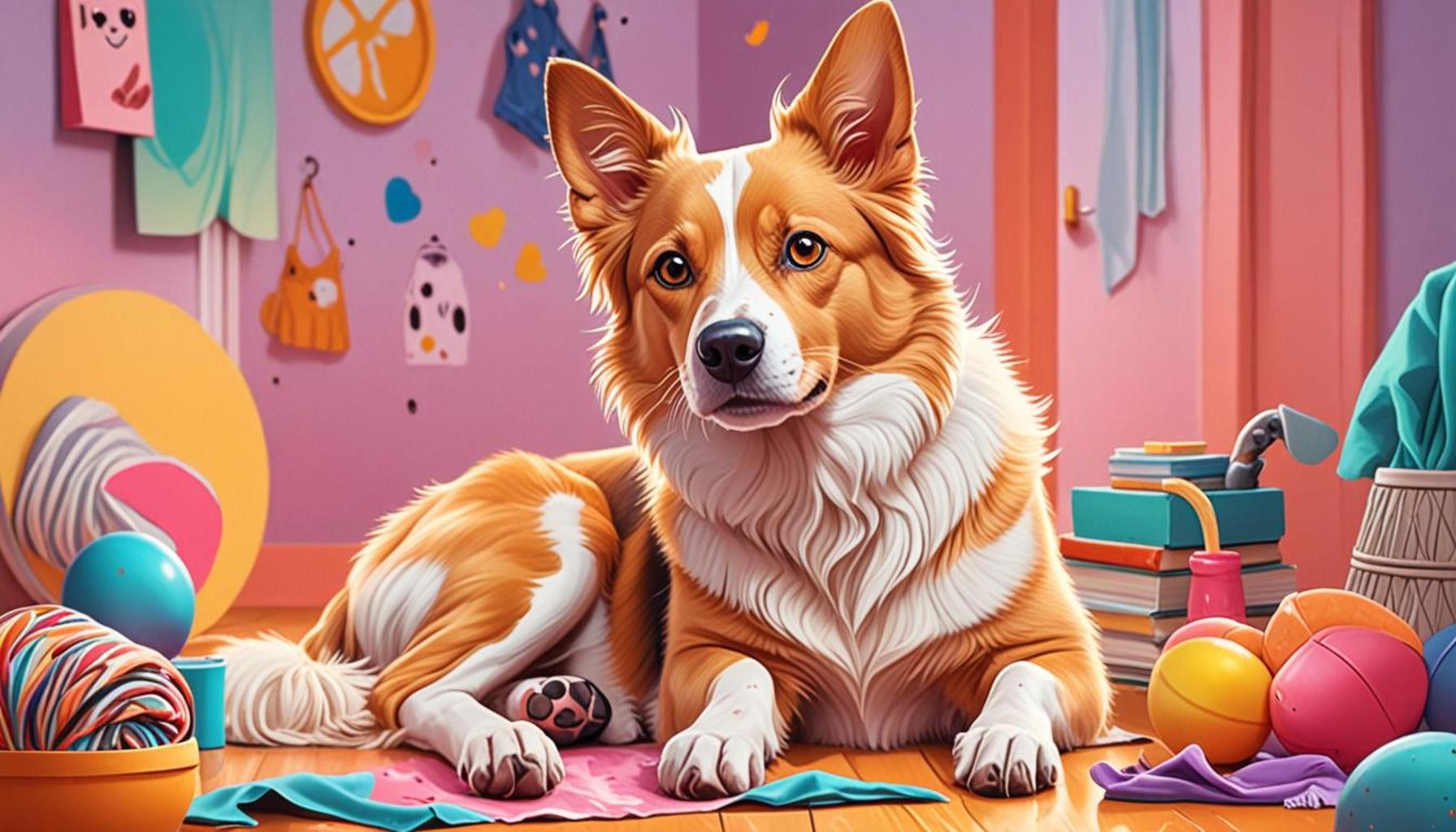
Separation anxiety in pets, a distressing condition for both animals and owners, manifests most prominently when pets are left alone. Understanding the causes of this anxiety is crucial, particularly for pet owners in Nigeria who are increasingly becoming aware of their pets’ emotional needs. Various factors contribute to the onset of separation anxiety.
Changes in Routine
One of the primary triggers for separation anxiety is changes in routine. For instance, a family moving to a new neighborhood might disrupt their pet’s familiar environment. New smells, sights, and sounds can overwhelm animals, resulting in noticeable signs of anxiety. Furthermore, changes in work schedules can also disturb a pet’s typically structured day, especially if a pet has grown accustomed to more time spent with its owner.
Increased Time Alone
As remote work gains popularity in Nigeria, many pet owners find themselves spending extended periods away from their pets, even if they are physically at home. This period of isolation, coupled with a pet’s growing dependence on their owner for companionship, intensifies feelings of anxiety when they are suddenly left alone for any duration.
Trauma from Past Experiences
Another contributing factor is traumatic experiences. Pets that have faced abandonment or loss, such as the death of a previous owner or separation from littermates, may struggle to adjust when faced with solitude. The emotional scars left by such experiences can make them more susceptible to anxiety in future situations of separation.
Identifying Signs of Separation Anxiety
Recognizing the early signs of separation anxiety can save both pets and owners from distress. Some typical behaviors include:
- Excessive barking or meowing: This is often a cry for help, as pets seek comfort and reassurance from their owners. Neighbors may complain, causing additional stress for both the pet and owner.
- Destructive behavior: Chewing on furniture or scratching doors is another signal of distress. In Nigerian households, this might lead to significant damage, resulting in further guilt and frustration for pet owners.
- Urinating or defecating indoors: Contrary to common belief, this behavior is not just a sign of misbehavior; it indicates a pet’s inability to cope with anxiety and stress.
Strategies for Alleviating Separation Anxiety
Addressing separation anxiety requires a combination of patience, understanding, and practical strategies. During this exploration, pet owners can learn various techniques to help their furry friends feel more secure and confident when alone. Some effective strategies include establishing a positive departure routine, using interactive toys that stimulate the pet’s mind, and gradually increasing the time spent apart to help pets adapt to being alone.
Ultimately, gaining insight into your pet’s emotional landscape can lead to innovative ways to maintain a peaceful coexistence. With careful attention and the right tactics, pet owners can transform their homes into spaces where pets can thrive independently, providing comfort and relief for both parties.
SEE ALSO: Click here to read another article
Strategies for Alleviating Separation Anxiety
Addressing separation anxiety in dogs and cats requires a multifaceted approach that combines understanding, patience, and actionable strategies. For pet owners in Nigeria, where there is a growing concern for the emotional well-being of their furry companions, implementing effective techniques can significantly improve the quality of life for both pets and their owners.
Establish a Positive Departure Routine
One of the most effective strategies is to create a positive departure routine. A predictable pattern can help pets understand when their owner is leaving and returning. Start by practicing short departures that gradually increase in duration. Use a cue word or phrase, such as “Be good!” or “I’ll be back,” during your leave, and consistently reinforce this phrase to create a sense of security. Never make a big fuss when leaving or returning, as this can heighten anxiety. Instead, practice calm and brief exits and entrances.
Utilize Interactive Toys
Interactive toys designed to engage pets mentally can be invaluable in alleviating feelings of loneliness. These toys can distract your dog or cat, keeping them occupied while you are away. Consider using treat-dispensing toys, puzzle feeders, or even a simple cardboard box filled with treats that they can discover over time. Not only do these toys enrich your pet’s environment, but they also serve as a source of entertainment, minimizing destructive behaviors often associated with separation anxiety. In Nigeria, where many pet shops supply a variety of stimulating toys, finding creative options is quite accessible.
Gradual Desensitization
Another effective technique is gradual desensitization. Start by leaving your pet alone for short periods—just a few minutes—and gradually increase that time as your pet becomes more comfortable being alone. This step-by-step approach helps in building their confidence and can lead to a smoother transition into longer separations. Be sure to monitor your pet’s responses during these short absences, and adjust the duration according to their comfort levels. Consistency is key, and this method can be particularly beneficial for pets that display severe anxiety symptoms.
Creating a Safe Space
It’s also crucial to create a safe and comfortable environment for your pets. Designate a specific area in your home where your pets feel secure, filled with their favorite blankets, toys, and maybe even an item of your clothing that carries your scent. This designated ‘safe zone’ can provide a comforting refuge when they feel anxious. Adding soothing music or white noise can also help mask environmental sounds that might trigger anxiety.
- Positive departure routine: Helps establish a predictable pattern for your pets.
- Interactive toys: Engages pets mentally and distracts them from feelings of loneliness.
- Gradual desensitization: Builds confidence by slowly increasing time apart.
- Safe space: Provides a secure environment that can help soothe anxiety.
By employing these strategies, pet owners in Nigeria can transform their homes into supportive environments that promote emotional well-being and help diminish the symptoms of separation anxiety in their furry friends. Consistently applying these techniques holds the potential to enhance not only the quality of life for pets but also the overall harmony within the household.
| Strategies | Benefits |
|---|---|
| Desensitization Techniques | Gradual exposure helps pets adjust to being alone, reducing stress over time. |
| Positive Reinforcement | Encourages desired behaviors and creates positive associations with alone time. |
| Interactive Toys | Keeps pets mentally stimulated, diverting their attention when being left alone. |
| Calm Environment | Creates a soothing space that helps pets feel safe and secure. |
Addressing separation anxiety in dogs and cats involves a multitude of strategies aimed at fostering comfort during those alone times. Desensitization techniques gradually introduce pets to short absences, eventually lengthening the duration as they become more accustomed to being by themselves. This approach significantly reduces acute stress and panic responses.Utilizing positive reinforcement is crucial in shaping behaviors that ease anxiety. Pets learn to associate being left alone with rewards, enhancing their emotional resilience. Moreover, the provision of interactive toys can serve as an important distraction, encouraging your furry companions to engage in play during your absence.Finally, cultivating a calm environment with soothing music or familiar scents can create a secure sanctuary for your pets, minimizing feelings of distress and enhancing their coping mechanisms. Each of these strategies contributes to a holistic approach to managing separation anxiety, nurturing a happy and healthy environment for your beloved animals.
RECOMMENDED: Check out this similar article
Additional Techniques for Managing Separation Anxiety
In addition to establishing routines and creating safe spaces, there are several other effective techniques that can empower pet owners in Nigeria to manage separation anxiety in their beloved dogs and cats. Understanding these methods can help provide a more holistic approach to alleviating the emotional distress that pets sometimes experience when left alone.
Training and Socialization
Training and socialization are integral parts of a pet’s life that can significantly reduce anxiety. Engaging your pet in basic obedience training can solve underlying behavioral issues that may contribute to anxiety. Training encourages pets to focus on specific commands, fostering a sense of discipline and confidence. Moreover, socializing your pet with other animals and humans can expose them to different environments and situations, reducing their fear of being alone. Group training classes or puppy schools, available in many urban areas of Nigeria, provide a great opportunity for this kind of interaction.
Consider Pheromone Products
Pheromone products, such as sprays or diffusers, simulate the calming scents released by mother animals and can help soothe anxious pets. These certified pheromone products are designed to reduce stress and can be especially helpful during transitions like moving or during thunderstorm seasons, which can often exacerbate anxiety. Many pet owners in Nigeria have reported positive outcomes using these products, making them a viable option for those whose pets struggle with separation anxiety.
Seek Professional Help
In some cases, pets may require more than just home-based solutions. Seeking professional help, such as behaviorists or veterinarians, may provide the guidance and support needed to tackle severe anxiety issues. Professionals can offer tailored plans that might include behavior modification techniques and, if deemed necessary, medication. Many veterinary clinics across Nigeria have a range of resources available for pet owners dealing with difficult behavioral problems, ensuring that access to expert help is readily available.
Consistent Exercise and Mental Stimulation
Ensuring that your pets receive consistent exercise and mental stimulation can have profound effects on their emotional health. Engaging your dogs in regular walks or playtime not only helps to physically tire them but also promotes emotional well-being. For cats, interactive play sessions using feathers or laser pointers can stimulate their hunting instincts, keeping boredom at bay. In Nigeria, where the weather permits outdoor activities, regular outings can become a fun ritual that benefits both dogs and owners, fostering a deeper connection.
Monitor Dietary Needs
A well-balanced diet can have a direct impact on your pet’s mood and behavior. High-quality pet food ensures that your pets receive the necessary nutrients, potentially reducing anxiety levels. Some pet food brands offer specialized formulas targeting anxious behaviors. Exploring local options that cater to your animals’ dietary needs can promote a healthier lifestyle and create a calmer atmosphere at home.
- Training and socialization: Essential for building confidence and reducing anxiety.
- Pheromone products: Help to calm pets by emitting comforting scents.
- Seek professional help: Consider behaviorists and veterinarians for severe cases.
- Consistent exercise: Promotes physical and emotional well-being for pets.
- Monitor dietary needs: Provides the right nutrients that may help alleviate anxiety.
By integrating these additional techniques into a comprehensive care plan, pet owners can equip themselves with the tools necessary to effectively cope with separation anxiety in dogs and cats in Nigeria. The journey towards a happier, more relaxed pet is increasingly attainable with dedication and the right strategies.
YOU MAY ALSO LIKE: Read read another article
Conclusion
Managing separation anxiety in dogs and cats is a multifaceted journey that requires patience, understanding, and a tailored approach. The methods discussed in this article, including establishing routines, ensuring consistent exercise, and utilizing pheromone products, serve as fundamental building blocks toward creating a calmer environment for your pets. Engaging in proper training and socialization not only empowers your furry companions but also strengthens the bond you share, enabling them to feel more secure when you’re away.
It’s essential to recognize that every pet is unique. While some may respond well to home-based strategies, others might require intervention from professionals like veterinarians or behaviorists. Seeking expert guidance can provide personalized solutions, ensuring you address the specific needs and triggers of your pet’s anxiety. Additionally, exploring high-quality diets that suit their nutritional requirements can play a significant role in enhancing their overall well-being.
As pet owners in Nigeria, embracing these strategies fosters a holistic approach to pet care, contributing to happier, healthier lives for your dogs and cats. By remaining observant and proactive, you can transform your pets’ experiences with separation, allowing them to thrive even in your absence. Ultimately, the key lies in your commitment to understanding and supporting your furry friends, paving the way for a peaceful coexistence that delights both you and your beloved animals.
Related posts:
The choice of suitable accessories and equipment for pets in Nigerian homes
Essential Tips for Pet Care in Tropical Climates Practical Guide
How to identify signs of stress in cats and dogs and their solutions
Fur Care: How to Keep Cats Healthy in Hot Climates
The importance of environmental enrichment for pet happiness
Balanced diet: how to choose the ideal cat food

Linda Carter is a writer and pet care expert specializing in pet health, grooming, and wellness. With extensive experience helping pet owners create safe, loving, and enriching environments for their animals, Linda shares her knowledge on our platform. Her goal is to empower readers with practical advice and strategies to ensure their pets thrive and lead joyful, healthy lives.