How Street Animal Adoption Can Transform Lives in Nigeria

The Challenges Stray Animals Face
Across Nigeria’s bustling urban landscapes, the reality of stray animals is a poignant reminder of societal challenges. These animals often roam the streets, victims of neglect and abandonment, with countless dogs and cats struggling to survive in harsh conditions. They face numerous threats, including malnutrition, disease, and the dangers posed by traffic and hostile environments. In many communities, strays are often viewed with indifference or fear, leading to a cycle of suffering that seems unending.
Benefits of Street Animal Adoption
However, the transformative power of street animal adoption is becoming more apparent as awareness grows. Engagement in adopting these animals can lead to significant personal and social benefits:
- Emotional Healing: For many individuals who experience loneliness or mental health challenges, adopting a pet can provide companionship and unconditional love. Studies have shown that interactions with animals can reduce anxiety and promote feelings of happiness and stability. In busy cities like Lagos, where the hustle and bustle can lead to isolation, these bonds can be soul-nurturing.
- Social Change: Each adoption story can serve as a catalyst for change within the community. When individuals become responsible pet owners, it often encourages neighbors to consider the welfare of stray animals. Initiatives such as community dog walks, awareness campaigns, and spay/neuter programs can emerge from a single act of adoption, gradually reshaping community attitudes towards animal welfare.
- Awareness Raising: Each act of adoption is a step towards promoting kindness and compassion for animals in need. By sharing stories of rescued pets, families can educate others about the importance of treating all living beings with respect. Furthermore, this narrative fosters dialogue around responsible pet ownership and the ecological role of street animals, reinforcing their intrinsic value to urban ecosystems.
Impactful Stories and Growing Initiatives
As more Nigerians share their experiences with street animal adoption, the stigma surrounding these animals begins to dissipate. Social media platforms and local community groups are instrumental in this shift, showcasing heartwarming rescue stories that often go viral. Notable examples include the growing number of animal shelters and adoption events in cities like Abuja and Lagos, which help connect prospective pet owners with animals in need. These initiatives not only provide a second chance for strays but are also breaking down barriers of societal indifference toward animal welfare.
Conclusion
Participating in the movement of adopting street animals can be an enriching experience that goes beyond saving a life. It nurtures a culture of empathy and responsibility, ultimately shaping a more compassionate society. As Nigeria continues to grapple with the challenges of urban living, embracing the welfare of stray animals can redefine community values and offer practical solutions to pressing social issues.
YOU MAY ALSO LIKE: Read read another article
Understanding the Emotional Bonds
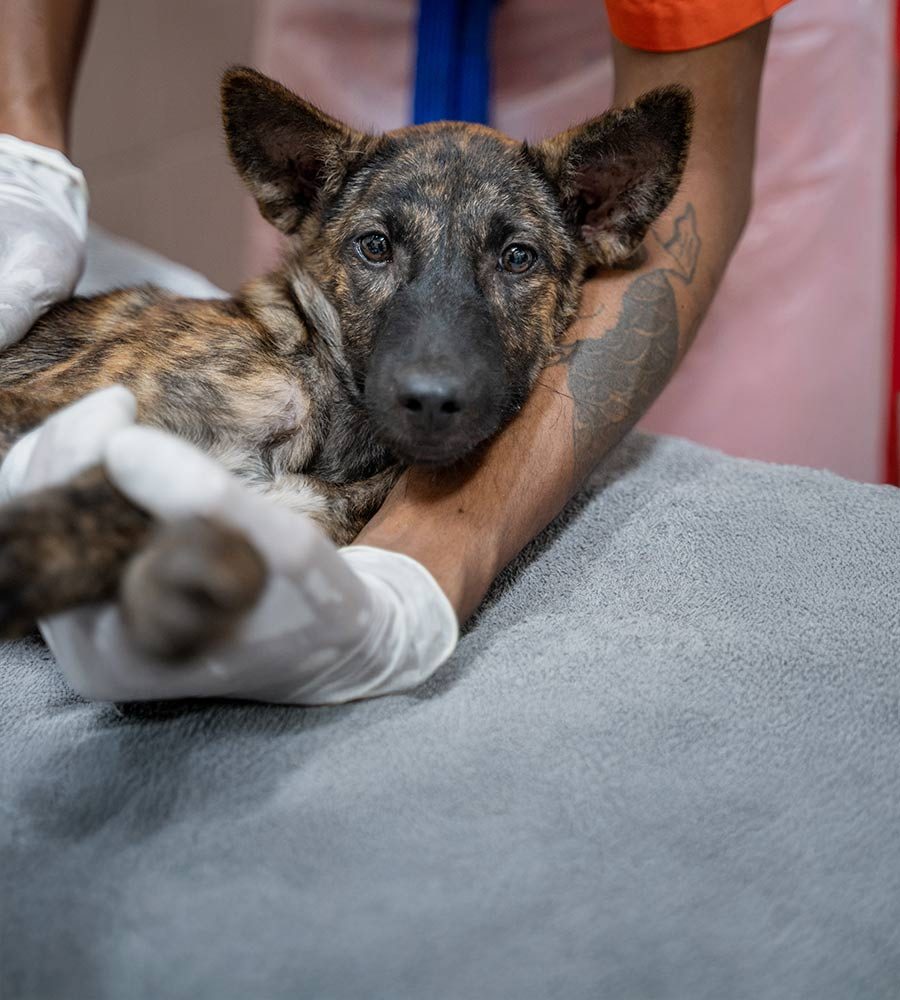
The act of adopting a street animal in Nigeria carries profound implications, influencing not only the lives of the animals but also the adopters. For many individuals and families, bringing home a stray dog or cat can introduce an invaluable source of companionship and emotional support. Among the countless stories, one can find accounts of individuals who have faced personal struggles, whether it be the loss of a loved one or the feeling of isolation in a fast-paced city. Adopting a street animal can act as a catalyst for healing, creating connections that transcend the barriers of human interaction.
In a country still grappling with numerous social and economic challenges, mental health resources can often be limited. This is where the bond with a street animal becomes vital. Research indicates that sharing a home with a pet can result in lower levels of stress and anxiety, encouraging healthier lifestyles. The simple act of petting a dog can release oxytocin, the “love hormone,” fostering a feeling of joy and contentment. This emotional uplift can be especially transformative for people living in crowded urban areas like Lagos or Port Harcourt, where feelings of loneliness can be pervasive.
Community Engagement Through Adoption
The ripple effects of street animal adoption extend beyond individual lives to impact entire communities. As more individuals embrace pet adoption, a sense of communal responsibility begins to take hold. When one neighbor adopts a stray, it often inspires others to reflect on the welfare of street animals, thereby fostering a culture of kindness and awareness. Such shifts in perspective can catalyze community initiatives aimed at addressing the plight of strays. These initiatives include:
- Community Awareness Campaigns: Local organizations often organize events to raise awareness about the importance of animal welfare. These campaigns aim to educate people about the need for spaying and neutering, responsible pet ownership, and the benefits of adopting rather than buying pets.
- Adoption Drives: Events that facilitate the adoption of stray animals have become increasingly popular, showcasing the bond that can form between humans and animals. These drives not only provide homes for strays but also encourage community cohesion.
- Volunteer Programs: Many NGOs now offer volunteer opportunities to help with the care and rehabilitation of street animals. Engaging community members fosters a spirit of collaboration and accountability, as residents unite for a common cause.
Through actions driven by adoption, a shift in attitudes becomes evident. Neighbors begin to recognize the role that animals play in their lives— companions, protectors, and even family members. Empathy grows as the community confronts the realities faced by these voiceless members of society, shaping a more compassionate environment.
| Advantage | Impact |
|---|---|
| Companionship | Animals provide emotional support and reduce feelings of loneliness. |
| Community Engagement | Promotes social responsibility, bringing people together for a common cause. |
| Poverty Reduction | Adoption often leads to micro-business opportunities related to pet care. |
| Health Benefits | Reduced stress levels and greater physical activity through outdoor walks. |
Street animal adoption is a transformative initiative in Nigeria that extends beyond providing shelter to animals. By encouraging the adoption of street animals, not only are we creating loving homes for these creatures, but we are also enhancing the mental well-being of their new owners. The companionship that pets provide is immeasurable, offering solace and emotional support in challenging times. Furthermore, street animal adoption fosters community engagement, as it mobilizes individuals to unite in efforts to rescue and care for these animals. In addition, these initiatives have a substantial impact on poverty reduction. Many who adopt street animals feel compelled to invest in pet care services, thus opening the door to micro-business opportunities. This non-profit-oriented ecosystem can contribute to local economies significantly. Lastly, pet adoption promotes notable health benefits; studies suggest that pet owners often enjoy reduced stress levels, enhanced physical activity, and a general improvement in life quality. Through these remarkable transformations, the movement toward adopting street animals represents a profound opportunity for change in Nigeria.
YOU MAY ALSO LIKE: Read read another article
Economic Benefits of Adoption
While the emotional and community benefits of adopting street animals are significant, the economic advantages should not be overlooked. The act of adopting a street animal in Nigeria can result in tangible financial savings for families while simultaneously contributing to the economy. Firstly, by adopting rather than purchasing a pet, individuals can save considerable amounts of money. Many street animals come vaccinated and neutered through local NGOs and shelters, reducing additional medical costs for new pet owners.
Moreover, adopting a street animal can create job opportunities within the pet care industry. As more individuals embrace the idea of pet ownership, demand increases for professional services such as grooming, training, and veterinary care. This trend can stimulate local economies by supporting small businesses and creating a ripple effect within a community. According to the Animal Welfare Society of Nigeria, the growing interest in pet adoption has already led some urban areas to witness a boom in pet-related businesses, signifying a potential pathway toward more sustainable economic development.
Environmental Impact of Street Animal Adoption
The impact of street animal adoption goes beyond personal or community benefits; it also brings attention to pressing environmental concerns. Street animals can pose challenges in urban settings, including issues related to waste management and overpopulation. However, when community members actively engage in adopting these animals, it directly contributes to tackling these issues. The process of spaying and neutering animals—often promoted through adoption drives—reduces the overall stray population, ultimately leading to fewer animals on the streets and less strain on urban resources.
Adopting street animals promotes greater awareness of sustainable practices like proper waste disposal and environmentally responsible pet ownership. For instance, pet owners are often encouraged to use biodegradable waste bags and to dispose of pet litter responsibly. This newfound ecological consciousness fosters a culture of environmental stewardship in the community, creating a cleaner, more sustainable living environment for all.
The Role of Education in Promoting Adoption
Education is a crucial pillar in promoting street animal adoption, significantly influencing the future of animal welfare in Nigeria. Many organizations are undertaking efforts to teach children and young adults about the importance of treating animals with compassion and respect. Programs that focus on humane education in schools invite students to participate in activities such as volunteering at local shelters and engaging in community service projects centered around animal welfare. This empowers young minds to become ambassadors for change, recognizing that adopting stray animals can lead them toward becoming proactive members of society.
Incorporating programs that teach responsible pet ownership and the benefits associated with rescuing street animals can cultivate empathy from a young age. This education carries the potential to shift societal perceptions about stray animals and reduces the stigma surrounding adoption, ultimately leading to a more inclusive and caring society. A recent study by the Nigerian Society for Animal Welfare indicated that areas with strong educational initiatives showed a significant increase in pet adoption rates and a corresponding decline in animal neglect and abuse.
RECOMMENDED: Check out this similar article
Conclusion
In conclusion, street animal adoption serves as a powerful catalyst for transformative change in Nigeria, benefiting not only the animals themselves but also the individuals and communities that embrace them. By adopting street animals, families can save money, support local businesses, and contribute to an emerging pet care economy that holds immense potential for job creation and sustainable growth. Furthermore, the environmental impacts are profound; spaying and neutering efforts associated with adoption directly address urban challenges such as overpopulation, waste management, and environmental sustainability.
The role of education cannot be understated. Introducing humane education programs early in the lives of Nigerian youth fosters empathy and a culture of compassion towards animals, thereby reducing neglect and abuse. As these future generations learn the value of responsible pet ownership and the importance of rescue, they are likely to carry forward this knowledge, transforming societal attitudes toward street animals.
Ultimately, street animal adoption in Nigeria is not just about changing the lives of these animals; it is about uplifting communities, enhancing local economies, and promoting environmental stewardship. It paves the way for a more compassionate society where all beings are treated with respect. As awareness spreads and adoption rates rise, the collective impact can create a profound societal shift, leading Nigeria toward a future where both animals and humans coexist harmoniously. By exploring and embracing this initiative, we can all contribute to a better life for street animals and, in turn, improve our communities and ourselves.
Related posts:
Responsible Adoption: How to Ensure a Safe Home for Your New Pet
Exploring Pet Adoption Options in Nigeria Find Your Perfect Companion
How Pet Adoption Improves Mental Health Positive Impact Revealed
Pet Adoption in Rural Communities: Challenges and Opportunities
Adoption of Senior Animals: What to Consider Before Giving a Second Chance
Pet Adoption and Sustainability: How to Contribute to a Better Future

Linda Carter is a writer and pet care expert specializing in pet health, grooming, and wellness. With extensive experience helping pet owners create safe, loving, and enriching environments for their animals, Linda shares her knowledge on our platform. Her goal is to empower readers with practical advice and strategies to ensure their pets thrive and lead joyful, healthy lives.