Healthy Eating for Dogs and Cats: What You Need to Know
Understanding Pet Nutrition
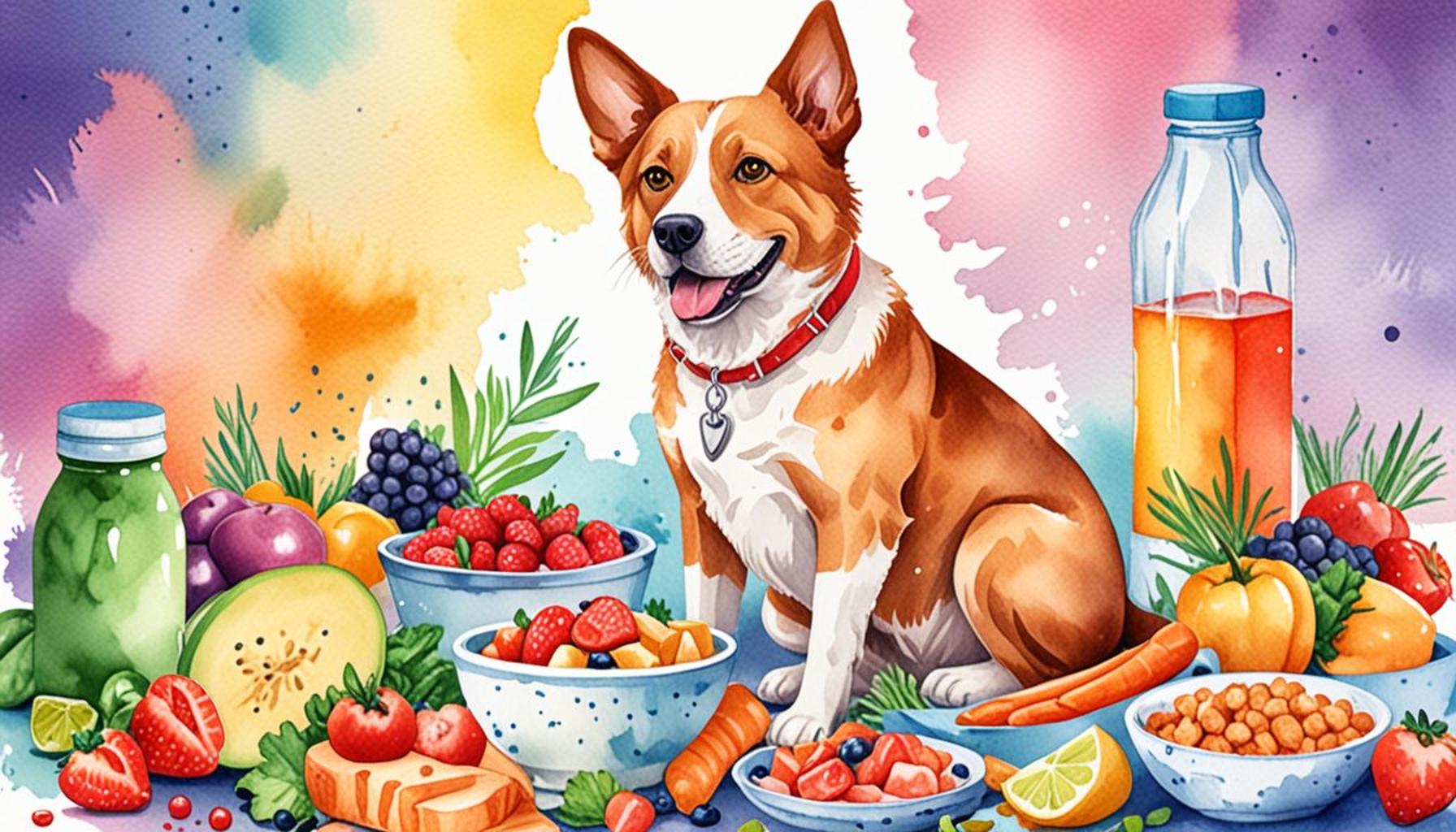
Feeding your pets is more than just filling their bowls; it is a commitment to their health and happiness. In Nigeria, where pet ownership is surging, it is vital for pet owners to be aware of the nutritional needs of their furry companions. With a greater understanding of what constitutes a proper diet, owners can significantly enhance their pets’ well-being and longevity.
Natural Ingredients
One of the first considerations in selecting pet food is choosing products that contain natural ingredients. Foods loaded with whole ingredients, such as chicken, fish, and a variety of vegetables, provide pets with essential nutrients that processed fillers lack. For instance, locally sourced fish from the coastal regions or fresh vegetables from the bustling markets in places like Lagos can form a wholesome diet for dogs and cats. Owners are encouraged to examine the ingredient list on food packaging and prioritize those items that they recognize as healthy and nutritious.
Balanced Diet Essentials
A balanced diet is crucial for pet health. This means that both dogs and cats require a healthy mix of proteins, fats, carbohydrates, vitamins, and minerals. Proteins are vital for growth and muscle development, while fats play an important role in energy and coat health. Carbohydrates provide necessary energy and aid in digestion. Incorporating a variety of food sources, such as legumes for fiber and fat sources like coconut oil, can help ensure a well-rounded diet. Pet owners may consider consulting with veterinarians or animal nutritionists to create a tailored meal plan that meets these requirements.
Portion Control
Another critical aspect of pet nutrition is portion control. Overfeeding can lead to health issues such as obesity, which is becoming increasingly common among pets in urban areas like Abuja and Port Harcourt. Understanding the correct portion sizes for your pet’s breed, age, and activity level can significantly impact their overall health. Online resources and veterinary advice can help pet owners calculate the right amounts, helping to maintain a healthy weight.
Allergies and Hydration
While discussing diet, it is important to consider dietary restrictions due to allergies that can affect many pets. Common allergens include grains, specific proteins, and dairy. Being observant of your pet’s reactions to particular foods can guide you in making the right choices. Additionally, proper hydration is often overlooked yet plays a pivotal role in your pet’s health. Always ensure that your pet has access to clean, fresh water at all times, crucial in the warm climate of Nigeria.

Exploring Local Options
Pet owners in Nigeria have the unique opportunity to explore local markets for fresh produce, which can provide healthier and more exciting meal options for their pets. Ingredients such as yam, carrots, and leafy greens can serve as excellent supplements to commercial pet food. Preparing homemade meals can also be an engaging way to ensure that pets are receiving the best nutrition possible. Shifting towards natural food sources not only supports the pet’s health but also promotes local agriculture.
In a world abundant with information, deciphering the best choices for your pets’ meals can be overwhelming. By considering natural ingredients, maintaining balance in their diet, controlling portions, and exploring local food options, pet owners can embark on a path to better health for their furry companions. Stay tuned as we delve deeper into vital guidelines and tips for nourishing your pets effectively.
YOU MAY ALSO LIKE: Read read another article
Navigating the World of Pet Diets
As pet owners, it is essential to recognize that our pets thrive on quality nutrition just as we do. Though many brands dominate the pet food market, not all options are created equal. Understanding what constitutes a healthy diet for our furry friends, especially in a diverse country like Nigeria, is vital. With customs, traditional foods, and available resources varying across the regions, it is crucial to adapt pet diets that align with their specific needs while ensuring they receive a balanced intake of nutrients.
Understanding Protein Requirements
One of the cornerstones of healthy eating for dogs and cats is protein. Unlike humans, who can thrive on varied diets, dogs and cats require specific amino acids from proteins to maintain their health. For instance, dogs are omnivores but still need a significant amount of meat in their diets, while cats are obligate carnivores who depend solely on animal protein for their essential nutrients. Common sources of protein include:
- Chicken: A popular and digestible protein source.
- Beef: Rich in iron and zinc, essential for overall health.
- Fish: Provides omega-3 fatty acids which promote healthy skin and coat.
- Eggs: A highly nutritious and complete protein source.
When selecting pet food, owners should prioritize those that clearly state the source of protein. Additionally, locally sourced options, such as tilapia from the rivers or fresh chicken from local farmers, can often provide superior quality compared to mass-produced products. This not only boosts nutritional value but also supports local economies.
Vitamins and Minerals: The Unsung Heroes
Aside from proteins, vitamins and minerals are crucial for maintaining peak health in pets. Vitamins such as A, D, E, and K play important roles in bone health, vision, immune function, and overall metabolism. Minerals like calcium, phosphorus, and potassium are essential for various bodily functions, including muscle contractions and nerve signaling.
Pet owners should consider integrating fresh fruits and vegetables into their pets’ diets as a way to provide these essential nutrients. Items commonly found in Nigerian markets, like carrots, pumpkin, and spinach, not only add vital vitamins but also create a diverse diet that can entice even the pickiest of eaters. However, it’s essential to be aware that some human foods can be toxic to pets. For instance, grapes, onions, and chocolate should be completely avoided.
Identifying Healthy Fats
Healthy fats are an often overlooked component of a pet’s diet but are essential for energy and supporting their skin and coat health. Unsaturated fats, found in fish oil and flaxseed, are excellent for maintaining coat shine and preventing dryness. Including sources of fat in your pet’s diet can improve their overall health, especially in colder climates and during shedding seasons.
In summary, to ensure that your dog or cat enjoys a fulfilling and healthy life, it is paramount to focus on the essential ingredients that contribute to their well-being. By prioritizing protein, vitamins, minerals, and healthy fats, Nigerian pet owners can provide their furry companions with a diet that not only meets their basic needs but enhances their overall quality of life. As we continue this journey of pet nutrition, we will explore more aspects of healthy eating for our pets that every owner should be aware of.
Healthy Eating for Dogs and Cats: What You Need to Know
When considering healthy eating for your pets, understanding the nutritional needs of dogs and cats is crucial. Each type of pet has differing requirements when it comes to proteins, fats, carbohydrates, vitamins, and minerals. Dogs are omnivores, benefiting from a mix of animal protein and plant-based foods, while cats, being obligate carnivores, thrive primarily on meat. The right balance not only promotes a healthy body condition but also supports a robust immune system.
Choosing a high-quality pet food that meets the AAFCO (Association of American Feed Control Officials) standards can ensure that your pet receives all necessary nutrients. Look for ingredients that are rich in whole meats, vegetables, and specific carbohydrates that aid digestion. Always avoid fillers and artificial additives that do not contribute to a pet’s energy levels or health.
Homemade diets can also be an option, provided they are properly balanced with the help of a veterinarian or pet nutritionist. This approach allows pet owners to select fresh ingredients, offering more control over what their pets consume. However, one must be cautious of potential deficiencies that could arise from improper formulations.
In recent studies, pet owners adopting a raw food diet have reported improvements in their pets’ coat quality and energy levels. For example, diets containing raw meats and bones have been associated with healthier skin and improved dental hygiene. Nonetheless, it’s essential to handle these foods safely to avoid risks of contamination.
Overall, the key to a successful and healthful diet for your pets lies in understanding their specific needs, reading food labels carefully, and possibly consulting with professionals about the best feeding practices. With the right information, pet owners can enhance their beloved companions’ health and well-being through diet.
| Nutrition Aspect | Importance |
|---|---|
| Proteins | Essential for building tissues and muscles, crucial for recovery and overall health. |
| Carbohydrates | Provide energy; important for maintaining a healthy weight and promoting energy utilization. |
| Vitamins & Minerals | Support immune function, bone health, and many metabolic processes within the body. |
With proper education on the nutritional needs of your furry friends, you can ensure they live a healthier, happier life. The topic of healthy eating for dogs and cats continues to evolve, with more options becoming available as owners become increasingly aware of these important dietary decisions.
LEARN MORE: This related article may interest you
The Role of Carbohydrates and Hydration
While often overshadowed by proteins and fats, carbohydrates also play a significant role in a healthy diet for dogs and cats. They serve as an excellent source of energy, especially for active pets. Incorporating carbohydrates from reputable sources can help maintain a balanced diet. Commonly used carbohydrate sources include:
- Rice: Easily digestible and gentle on the stomach, making it a staple in many pet diets.
- Sweet potatoes: Rich in fiber, vitamins, and antioxidants, they can be a nutritious substitute for grains.
- Oats: Good for digestion and can help maintain steady energy levels in pets.
In Nigeria, local staples such as cassava and plantain can also serve as alternative carbohydrate sources. When introducing any new food item, it’s critical to monitor your pet’s reaction and consult with a veterinarian to ensure that the ingredients complement their individual dietary requirements.
The Importance of Hydration
Just as crucial as a balanced diet is proper hydration. Access to fresh and clean water is vital for your pet’s overall health. Water aids in digestion, circulation, and temperature regulation. It’s essential to provide your furry friends with water at all times, especially if they consume dry kibble as their primary food. Additionally, adding wet food into their diet can help increase their water intake.
Understanding the Dangers of Obesity
One of the rising concerns among pet owners is obesity, which can lead to severe health issues such as diabetes, heart problems, and joint diseases. It is vital to be mindful of portion sizes and avoid overfeeding. Regularly assessing your pet’s weight and overall condition can help you make necessary adjustments to their diet.
In Nigeria, the prevalence of dog and cat obesity is often tied to cultural norms such as expressing love through food or giving treats frequently. It is beneficial to change these practices by finding alternative ways to show affection, like playtime or quality attention. Developing a consistent feeding schedule that aligns with your pet’s lifestyle and activity level can help combat weight-related issues.
Consultation with Veterinary Professionals
As with any nutritional plan, the involvement of your veterinarian is invaluable. They can provide tailored advice based on your pet’s breed, age, size, and health conditions. With abundant local knowledge, veterinarians can guide pet owners toward appropriate food choices available within Nigeria, ensuring pets receive optimal nutrition without the downside of commercially processed options.
For those looking into alternative diets, such as raw or homemade food, it is crucial to collaborate with veterinarians to ensure all nutritional needs are met. Research has shown that improperly balanced home-cooked meals can lead to serious health problems over time. A collaborative effort between pet owners and veterinary experts will facilitate a healthier and happier life for our pets.
Incorporating a diverse diet, maintaining hydration, preventing obesity, and consulting with experts are key components of a loving commitment to your pet’s health. Armed with this knowledge, Nigerian pet owners are better equipped to provide their furry companions with a balanced and holistic diet tailored to their individual needs.
ADDITIONAL INSIGHTS: Expand your understanding here
Conclusion
Feeding our beloved dogs and cats a healthy diet is paramount to ensuring their longevity and quality of life. By understanding the nutritional needs of our pets and making informed choices, we can prevent health issues such as obesity and related diseases. The integration of high-quality proteins, healthy fats, carbohydrates, and essential liquids creates a solid foundation for your pet’s overall health.
In Nigeria, where pet ownership is on the rise, the importance of education in pet nutrition cannot be overstated. By incorporating locally available foods like cassava and plantains, owners can provide nutritious and easily digestible diets that cater to their pets’ unique needs. However, always remember that moderation is key; being mindful of portion sizes and balancing treats with appropriate meals will mitigate risks associated with overfeeding.
Working hand-in-hand with veterinary professionals ensures that pet owners have access to customized dietary advice that aligns with their furry companions’ specific health requirements. Evaluating food choices critically and keeping abreast of nutrition guidelines can transform mere pet feeding into a holistic approach to their health.
As we commit ourselves to better nutrition for pets, let us advocate for practices that foster a healthy lifestyle, focusing not just on what our pets eat but on their well-being as a whole. Healthy pets lead to happier homes, making our investment in their diets not just a choice but a heartfelt commitment.
Related posts:
How to Identify Signs of Common Diseases in Pets: A Guide for Owners
The importance of regular physical exercise for the mental and physical health of pets
Tips for Pet Hearing Health: Preventing and Treating Ear Problems
How Age Affects Pet Health: Tailored Care for Each Life Stage
The impact of diet on the joint health of pets: foods that help prevent diseases
How to Maintain Your Pets' Dental Health: Essential Tips

Linda Carter is a writer and pet care expert specializing in pet health, grooming, and wellness. With extensive experience helping pet owners create safe, loving, and enriching environments for their animals, Linda shares her knowledge on our platform. Her goal is to empower readers with practical advice and strategies to ensure their pets thrive and lead joyful, healthy lives.