Effective Tips for Socializing Puppies with Other Pets People

Socializing puppies is a crucial phase in their development that sets the foundation for their behavior as adults. This process involves exposing them to different environments, animals, and people, ensuring they become well-adjusted pets. It’s not just beneficial for the puppy; proper socialization can enhance the lives of their owners and other pets.
Understanding why socialization matters is essential, as it can prevent behavioral issues such as aggression, anxiety, or fearfulness. The first few months are particularly pivotal, making it imperative for pet owners to take proactive steps in guiding their furry companions. With the right strategies, you can facilitate positive experiences that make socialization enjoyable and effective.
In this article, we’ll explore the Top 5 effective tips for successfully socializing your puppy with other animals and people. These actionable insights will equip you with the tools you need to nurture a friendly, confident dog ready to embrace the world around them.
Top 5 Effective Tips for Socializing Puppies with Other Animals and People
Socializing your puppy is a fundamental aspect of their development, contributing to the establishment of positive behaviors and reducing the likelihood of future behavioral issues. Early exposure to a variety of environments, people, and other animals is indispensable in nurturing a well-adjusted adult dog. Effective socialization requires dedication over time and consistent effort, yet there are strategic approaches that can simplify and enhance this process. Below are the top five tips to effectively socialize your puppy.
5. Gradual Exposure to New Environments
Introducing your puppy to new environments should be a gradual process, with the aim of creating a safe and positive experience for their initial outings. A controlled, step-by-step approach is crucial, as too much stimulation at once can lead to overwhelming your puppy, potentially causing stress or anxiety.
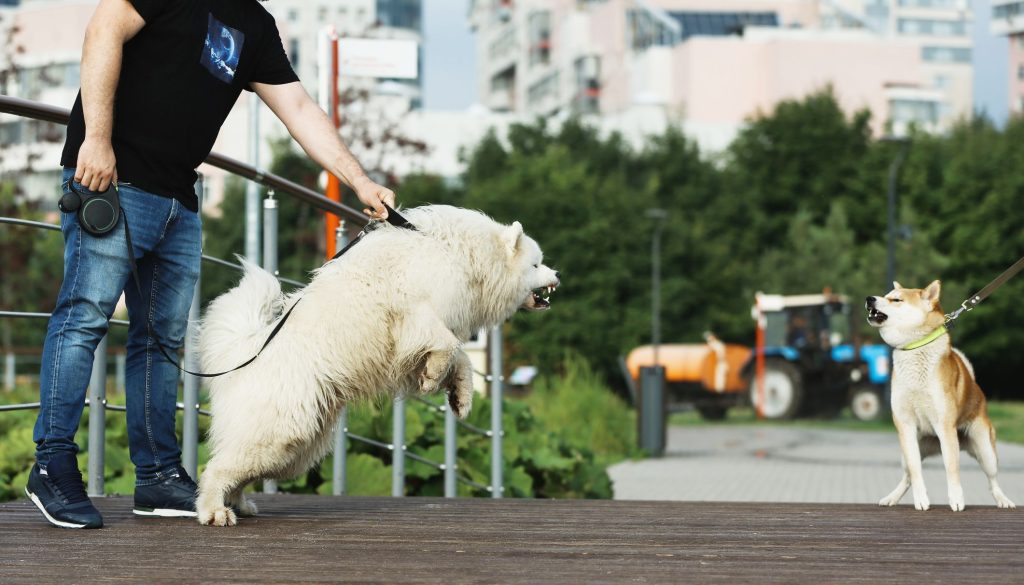
Begin by taking your puppy on short trips in the car to different locations, such as parks or pet-friendly stores. These excursions provide a gentle introduction to various sights, sounds, and smells in a calm manner. An important strategy is to start in areas that are less busy and gradually progress to more bustling environments as your puppy builds confidence and comfort.
Key Points:
- Choose quieter environments for initial visits.
- Gradually increase exposure as your puppy becomes more confident.
- Monitor your puppy’s reactions and adjust exposure to prevent stress.
By introducing your puppy to a diverse array of surroundings gradually, you cultivate curiosity and lessen the anxiety associated with new and unfamiliar situations.
4. Supervised Interaction with Other Pets
Facilitating supervised playtime with other pets is an excellent method to socialize your puppy with fellow animals. Arranging meet-ups with well-behaved, vaccinated dogs in a controlled setting allows your puppy to learn appropriate social cues and communication. Such interactions provide opportunities for puppies to learn how to gauge other dogs’ body language and behaviors.
Consider integrating your puppy into group training classes, where controlled interactions are monitored by professionals. This environment not only promotes proper interaction techniques but also introduces your puppy to a variety of breeds and temperaments.
Important Considerations:
- Select calm, friendly dogs for initial introductions.
- Keep play sessions brief to circumvent overstimulation.
- Maintain vigilant supervision and manage interactions proactively.
Ensuring that these encounters are constructive and safe will help your puppy develop skills for interacting harmoniously with other animals.
3. Introduce Various People
Human interaction is equally important in your puppy’s socialization process. Exposing them to diverse individuals—including various ages, ethnicities, and genders—will build their confidence and decrease wariness towards strangers. Such exposure helps prevent the development of fear-based reactions to new people.
Encourage friends and family to approach your puppy gently, offering treats and praise to establish positive associations. Incorporating visits to dog-friendly cafes or public places introduces your puppy to varied social settings, enhancing exposure.
Suggestions for Socialization with People:
- Invite friends to your home specifically to meet your puppy.
- Frequent dog-friendly cafes or local events.
- Introduce your puppy to busy areas with diverse crowds.
By familiarizing your puppy with an array of human interactions, you’re laying the groundwork for them to become adaptable and friendly dogs in public and private settings alike.
2. Positive Reinforcement Training
Positive reinforcement is one of the most potent approaches in socializing your puppy, enhancing their learning through rewards for desired behaviors. By utilizing treats, praise, or play as incentives for calm behavior in new scenarios, you encourage good behavior while reducing fear and anxiety.
Initially, use high-value treats to capture and maintain your puppy’s focus, gradually introducing them to basic commands in a controlled environment. It’s essential to avoid punishment, instead focusing entirely on rewarding positive behavior. Consistent positive reinforcement encourages your puppy to associate new experiences with positive outcomes, encouraging confidence.
Tips for Positive Reinforcement:
- Start with high-value treats to keep your puppy engaged.
- Introduce basic commands prior to presenting new situations.
- Refrain from punishment; focus on rewarding correct behaviors.
Your puppy will soon recognize the benefits of engaging positively with new challenges, becoming more assured and reliable as a result.
1. Early and Consistent Socialization
Embarking on the socialization journey as early as possible is paramount. The optimal window is typically between 3 to 14 weeks when puppies are most receptive to novel experiences. During this sensitive developmental period, consistent and varied exposure is vital to forming positive personality traits.
Introduce your puppy to a wide range of experiences, from different textures like grass and carpet to varied environmental settings such as bustling streets and serene neighborhoods. Offering controlled interactions with other species in relaxed settings further encourages adaptability.
Essential Practices for Early Socialization:
- Introduce various surfaces and textures, such as grass and gravel.
- Facilitate interactions with other animals under supervision.
- Visit diverse environments, including busy streets and quiet areas.
By systematically incorporating a variety of experiences into your routine, you enhance your puppy’s adaptability and sociability, ensuring they mature into well-mannered and confident adult dogs.
In conclusion, integrating these five effective socialization strategies ensures your puppy develops into a well-balanced and adaptable companion. Each step plays a critical role; therefore, maintaining consistency is pivotal in fostering your puppy’s growth into a confident and social adult.
| Category | Details |
|---|---|
| Exposure | Introduce your puppy to various environments, sounds, and sights to foster adaptability and confidence. This includes busy streets, parks, and homes. |
| Positive Reinforcement | Use treats and praise during social interactions to create a positive association with other animals and people, enhancing their social skills. |
| Gradual Introductions | Start with short, controlled meetings and gradually increase exposure time; this helps to reduce stress and encourages friendly behaviors. |
| Supervised Playdates | Arrange playdates with well-mannered dogs to teach your puppy about boundaries, play behavior, and developing good social etiquette. |
Frequently Asked Questions about Socializing Puppies with Other Animals and People
How soon should I start socializing my puppy?
The critical window for socialization starts at a surprisingly early age. Experts recommend beginning the process as soon as 7 to 8 weeks old. During this period, puppies are more receptive to new experiences and less likely to develop fear responses. Early exposure to different environments, people, and other animals can significantly shape their development and behavior.
What are some safe ways to introduce my puppy to other animals?
When introducing your puppy to other animals, ensure the environment is controlled and safe. Start by using a neutral territory where neither animal feels territorial aggression. Keep the puppy on a loose leash to allow natural interactions but be ready to intervene if necessary. Monitoring body language of both animals can prevent confrontations. Short and positive encounters will gradually build your puppy’s confidence and comfort around other animals.
What if my puppy shows fear or aggression towards people?
A display of fear or aggression is not unusual and can often be managed with patience. It’s crucial to avoid punishment, as it can reinforce negative feelings. Instead, use positive reinforcement by rewarding calm behavior with treats and praise. Slowly increase the puppy’s exposure to new people in a controlled manner, allowing them to approach at their own pace, and ensuring that interactions are positive and stress-free.
Can older puppies be socialized effectively?
Although the early weeks are ideal, it’s still possible to socialize older puppies with great success. The process may take more time and patience, and will likely require consistent, incremental exposure to new experiences. Focus on building trust through positive reinforcement, gradually introducing new animals and people in a non-threatening way, while reinforcing good behavior.
How do I ensure positive interaction between my puppy and children?
Interactions with children should always be supervised and conducted with care. Teach children to be gentle and respect the puppy’s space. Encouraging them to use a soft tone and gentle touch can create a nurturing environment. Ensure that both the puppy and the children feel secure and respected, laying the groundwork for a lifelong positive association.
Conclusion
Socializing puppies with other animals and people is a crucial step in their development, influencing behaviors and relationships that will last a lifetime. Through the course of this article, we’ve delved into five effective tips that serve as foundational guidelines for successful socialization. These practices include starting early, ensuring safe interactions, gradually exposing your puppy to new experiences, recognizing and respecting individual comfort levels, and consistently reinforcing positive behavior.
By beginning the socialization process as soon as possible, owners can instill confidence and reduce the likelihood of fear or aggression in their puppies. Safety in interactions is paramount, ensuring that both pets and humans have positive experiences devoid of stress and anxiety. As puppies encounter diverse situations and beings, their adaptability grows, enhancing their capacity to coexist harmoniously in different environments.
Moreover, a gradual approach allows puppies to acclimate at their own pace, reducing potential overwhelm. This process teaches them to manage their reactions and build resilience. Understanding a puppy’s unique temperament is also key. Respecting their comfort levels fosters trust and nurtures the human-animal bond further.
Finally, consistent reinforcement of positive behavior through rewards strengthens the desired behaviors, demystifying social interactions for young canines. Implementing these techniques benefits not only the puppy’s immediate environment but also impacts their long-term integration into a human-centered world.
Ensuring your puppy has the best start in life involves dedication and patience, but the rewards—a well-adjusted, social, and happy pet—are immeasurable. As pet owners, embracing these strategies empowers us to foster environments where our pets can thrive, reinforcing the profound connection between animals and humans. Continued exploration and application of effective socialization techniques will undoubtedly enhance both the lives of puppies and those who care for them.
Related posts:
Tips for Training Pets with Limited Resources: Creativity and Innovation
The Importance of Mental Exercise in Animal Training: Games and Activities to Stimulate the Mind
Train Your Dog Master Basic Commands with Positive Reinforcement
How to Use Natural Reinforcements in Pet Training
Cat Training: Techniques for Teaching Desirable Behaviors
The Importance of Consistency in Animal Training: Strategies for Maintaining Discipline

Linda Carter is a writer and pet care expert specializing in pet health, grooming, and wellness. With extensive experience helping pet owners create safe, loving, and enriching environments for their animals, Linda shares her knowledge on our platform. Her goal is to empower readers with practical advice and strategies to ensure their pets thrive and lead joyful, healthy lives.