Balanced Pet Nutrition Key to Healthy and Happy Pets
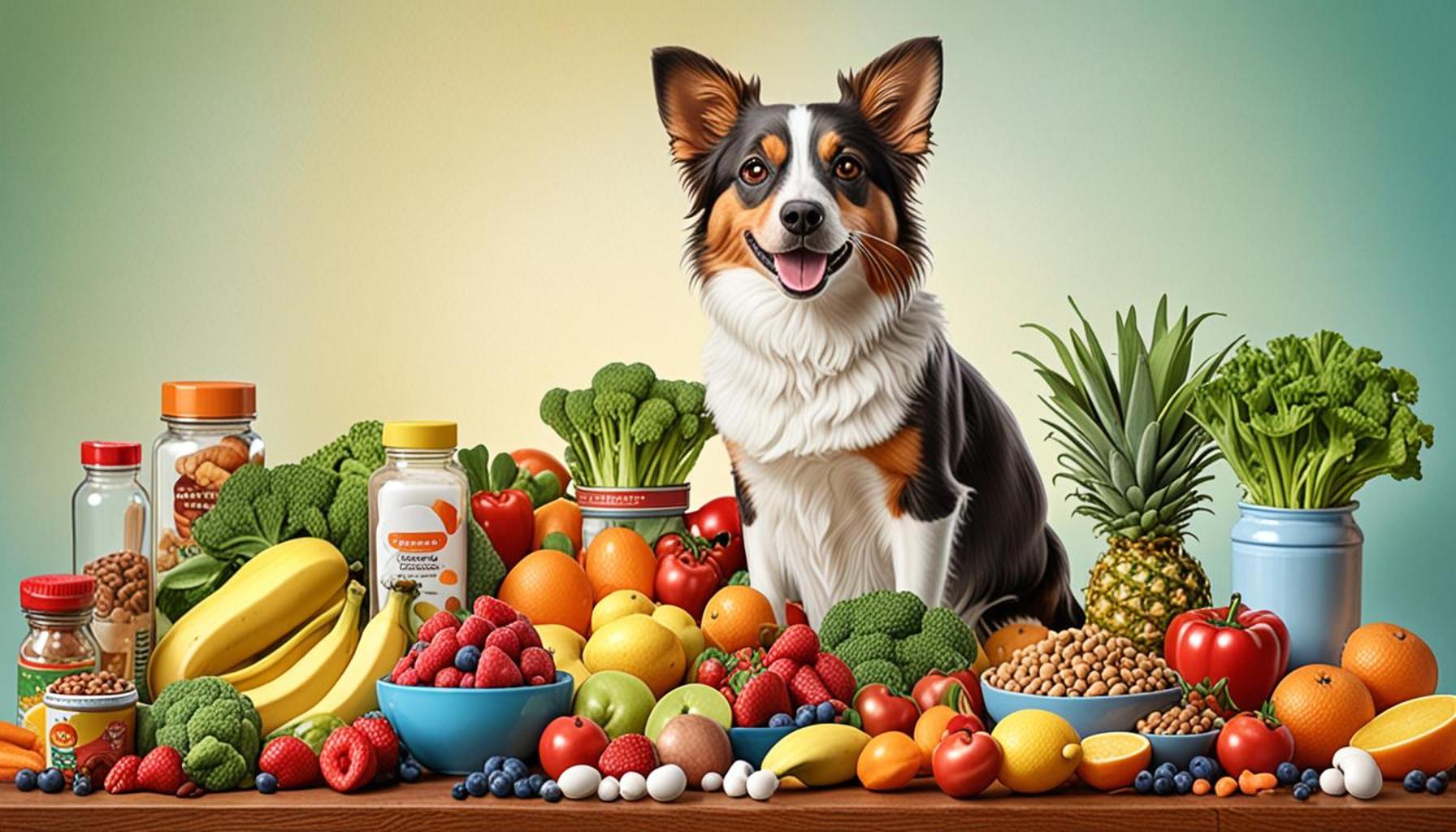
Understanding the Significance of Balanced Nutrition
The well-being of our pets largely depends on their diet. Just like humans, animals require a balanced nutrition to thrive, influencing their overall health, energy levels, and longevity. Today, we’ll explore the crucial role nutrition plays in your pet’s life and how it can drastically improve their quality of life.
The Consequences of Poor Nutrition
Feeding pets improperly can lead to a range of issues, including:
- Obesity</ – a common concern that can trigger various health problems.
- Malnutrition – resulting in deficiencies that weaken the immune system.
- Digestive Disorders – affecting their ability to absorb essential nutrients.
Exploring the Benefits of Adequate Nutrition
Conversely, providing your pets with a nutritious diet yields significant benefits:
- Improved Energy Levels – enabling active and playful behavior.
- Stronger Immunity – leading to fewer illnesses.
- Healthy Coat and Skin – contributing to their overall appearance and comfort.
By understanding the importance of a balanced diet, pet owners can make informed decisions that lead their furry companions to vibrant health. Let’s delve into our ranking of the “Top 5” essential nutrients that will ensure your pet remains happy and healthy.
Top 5 Reasons Why a Balanced Diet is Crucial for Pet Health
The well-being of our beloved pets is undeniably linked to their diet. Just like humans, animals rely on nutrition to maintain their health, vitality, and overall happiness. With an array of options available in pet food today, understanding the importance of a balanced diet can make a world of difference. This article dives into the top five reasons why a balanced diet is indispensable for our furry friends, emphasizing that what goes into their bowls is vital for their long-term well-being.

5. Prevention of Nutritional Deficiencies
One of the primary reasons for ensuring a balanced diet is the prevention of nutritional deficiencies in pets. Just as malnutrition can lead to various ailments in humans, animals too require a spectrum of nutrients to function optimally. These include a selection of proteins, vitamins, minerals, and other essential nutrients that support various bodily functions. Should there be a deficiency, it could pave the way for severe health issues.
- Vitamins and Minerals: Pets, like humans, have unique needs for vitamins and minerals. For instance, a lack of vitamin C can lead to scurvy in dogs, causing weakness and anemia. Young puppies are especially vulnerable; insufficient vitamin D can result in rickets, affecting bone development.
- Protein Deficiency: Proteins are the building blocks of life, aiding in muscle development, tissue repair, and immune function. A diet lacking in adequate protein could impede a pet’s growth, reduce muscle mass, and weaken immune defenses, leaving them susceptible to infections.
- Omega Fatty Acids: These are pivotal for maintaining a glossy coat and healthy skin. Moreover, they play a role in preventing inflammatory conditions that could jeopardize a pet’s quality of life.
Providing a balanced diet thus becomes a foundation for robust health, ensuring our pets receive all necessary nutrients to thrive and avoid health complications that stem from deficiencies.
4. Weight Management and Obesity Prevention
Obesity is an escalating concern in the pet world, attributed to overfeeding and a lack of exercise, leading to numerous health problems. A balanced diet is crucial in controlling weight through proper nutritional intake, aligning calorie consumption with the energy needs of the pet.
- Portion Control: Understanding and regulating the amount of food for pets is central to maintaining an ideal weight. A balanced diet can guide owners in determining how much to feed based on factors like age, size, and activity level.
- Nutrient-Dense Foods: Selecting foods rich in essential nutrients allows pets to feel satisfied while reducing excess calorie intake. This strategic choice helps curb overeating and cuts down on unnecessary weight gain.
- Healthy Treats: Opting for healthier treats instead of high-calorie options can significantly curb obesity, providing delight without disproportionately increasing calorie counts.
Proper diet management is essential for sustaining an optimal weight, significantly reducing the risk of health issues like diabetes, heart disease, and joint problems, thus promoting a fitter and healthier lifestyle for pets.
3. Enhanced Immune System Function
A balanced diet plays a pivotal role in enhancing a pet’s immune system, helping them fend off diseases. Like humans, animals need a plethora of nutrients to bolster their defenses. A diet rich in antioxidants, omega-3 fatty acids, and essential vitamins contributes significantly to enhancing their immune function.
- Antioxidants: These combat free radicals that can damage cells and have been linked to chronic diseases. By neutralizing these harmful elements, antioxidants help maintain cellular health.
- Amino Acids: As an integral component of protein, amino acids are crucial for synthesizing antibodies. These antibodies are vital in protecting the body against infections.
- Fiber: The connection between gut health and a strong immune system is well-established. Balanced fiber intake aids in healthy digestion and a robust immune response by encouraging beneficial gut flora.
Through a diet that fortifies immune defense, pets are better equipped to resist infections and chronic diseases, offering a protective shield against various health threats.
2. Improved Digestive Health
Optimal digestive health in pets is greatly supported by a balanced diet. The digestive system is not only responsible for breaking down food but also pivotal in nutrient absorption, significantly impacting overall health. Feeding pets high-quality and balanced meals can prevent a host of digestive issues and ensure their digestive system works effectively.
- Prebiotics and Probiotics: These nutritional components foster healthy gut bacteria, improving digestion and reducing the likelihood of gastrointestinal issues such as diarrhea or constipation.
- Fiber Content: The right amount of fiber in a pet’s diet is essential for maintaining regular bowel movements, preventing irregularities that could lead to discomfort or health problems.
- Quality Ingredients: Incorporating fresh and nutritious ingredients ensures that harmful additives are avoided, further mitigating the chances of gastrointestinal disturbances.
With a focus on digestive health, pets can effectively process their intake, thereby maximizing nutrient absorption and translating it into improved energy levels and vitality.
1. Longevity and Quality of Life
The quintessential benefit of a balanced diet lies in its ability to extend a pet’s lifespan and enhance their quality of life. Proper nutrition contributes to a longer, healthier life filled with energy, vitality, and alertness. Numerous studies underscore that a well-rounded diet is a key factor in promoting increased longevity among pets.
- Healthy Aging: As pets age, their nutritional requirements evolve. A diet that adapts to these needs can slow the aging process, keeping them active and vibrant.
- Preventing Age-Related Diseases: Nutritional excellence can significantly diminish the risk of age-related conditions such as arthritis, cognitive decline, and even certain types of cancer.
- Quality of Life: Beyond longevity, a balanced diet ensures that the years pets do have are filled with joy and vitality, maximizing their daily experiences and interactions with their owners.
Nourishment serves as the foundation of well-being, and with a balanced diet, pets are better poised to enjoy a fulfilling, energetic, and healthy life by their owner’s side.
| Category | Details |
|---|---|
| Nutritional Balance | A balanced diet provides the essential nutrients that animals need to maintain their health. It includes the right proportions of proteins, carbohydrates, fats, vitamins, and minerals, contributing to overall vitality. |
| Disease Prevention | Proper nutrition plays a critical role in preventing illnesses such as obesity, diabetes, and heart disease. A diet tailored to an animal’s specific needs can greatly reduce health risks. |
| Body Condition and Maintenance | An appropriate diet helps maintain the ideal body condition, ensuring that pets remain active and agile. It also supports muscle health and overall physical fitness. |
| Mental Health | A nutrient-rich diet can also positively influence mental well-being, contributing to better mood and behavior in animals. Certain nutrients are known to support cognitive function. |
In the context of pet health, the significance of a balanced diet cannot be overstated. Each element of a pet’s nutritional plan should reflect its breed, age, and health status. For instance, growing puppies and kittens require a diet rich in specific nutrients to support their development. Veterinarians often recommend specialized diets that are formulated to boost the immune system, promote healthy digestion, and enhance skin and coat health.Moreover, many pet owners may not realize that some common human foods can be harmful to animals. For example, chocolate, onions, and grapes are toxic to dogs and cats, so understanding which foods are safe is critical for maintaining your pet’s health. Therefore, education on proper feeding practices is just as important as the actual nutritional content of the food.In addition to selecting high-quality pet food, understanding portion sizes is essential. Overfeeding is a widespread issue that can lead to obesity, substantially increasing the risk of chronic diseases. This highlights the importance of regular veterinary check-ups to monitor weight and adjust dietary needs as required.Overall, the impact of a balanced diet on pet health and longevity is profound, encouraging owners to take the necessary steps to ensure their pets receive the best possible nutrition. By equipping themselves with knowledge about pet nutrition, owners can support their furry companions in leading healthier, happier lives.
Frequently Asked Questions about Balanced Nutrition for Pet Health
What is the significance of a balanced diet for pets?
A balanced diet is crucial for pets as it ensures they receive all the necessary nutrients for maintaining overall health and vitality. Proper nutrition affects everything from your pet’s coat and energy levels to their digestive health and longevity. Just like humans, pets need a variety of nutrients including carbohydrates, proteins, fats, vitamins, and minerals. A deficiency or excess of these can lead to health issues.
Can I feed my pet the same food every day?
While consistency can seem like a practical approach, it might not meet all nutritional needs. It’s essential to provide a diverse diet that can offer different nutrients found in various foods. Rotating between high-quality commercial diets or consulting a vet for a tailored meal plan can help ensure your pet is receiving comprehensive nutrition.
How do I know the right diet for my pet’s specific needs?
Each pet is unique, and factors such as age, breed, activity level, and health status can affect dietary needs. Consulting with a veterinarian is essential to determine the most suitable diet for your pet. They can provide guidance based on specific health requirements and recommend suitable commercial foods or even homemade diet plans.
Are there risks associated with homemade pet food?
Homemade diets for pets can potentially lack specific nutrients if not carefully planned. The risks involved include malnutrition or imbalances that could affect your pet’s health. It’s recommended to work closely with a veterinary nutritionist who can help create a balanced and complete homemade diet plan tailored for your pet.
What are the common signs that my pet’s diet might be unbalanced?
Pets with an unbalanced diet may show various symptoms such as dull coat, lethargy, digestive issues, or sudden weight changes. If you notice any of these signs, it’s crucial to review their diet and seek veterinary advice. Regular check-ups can help ensure your pet stays healthy and thrives on their specific diet.
Conclusion: The Vital Role of Balanced Nutrition for Pets’ Health
In today’s world, where pets are increasingly considered family members, ensuring their health through balanced nutrition is crucial. The article has delved into the multifaceted benefits of providing pets with a well-rounded diet that supports their overall well-being. From enhancing their physical health to boosting their mental acuity, the advantages of a nutritious diet cannot be overstated.
Key takeaways include understanding the importance of macro and micronutrients. Proteins, fats, and carbohydrates play a vital role in sustaining energy levels and promoting bodily functions, while vitamins and minerals are essential for their immune systems and overall longevity. It’s important to note that tailoring the diet to the specific needs of each pet is fundamental, considering factors such as age, size, breed, and health conditions.
Additionally, the risks associated with a poorly balanced diet were discussed. Pets on an imbalanced diet face health issues like obesity, diabetes, and organ failure. Thus, pet owners should be vigilant and consult with veterinarians to design a personalized nutrition plan that caters to their pets’ precise health needs.
Another significant point is the impact of proper hydration in conjunction with nutrition. Maintaining adequate water intake is essential for digestive health, temperature regulation, and nutrient absorption. Together, these elements paint a comprehensive picture of how integral balanced nutrition is to the flourishing of pets.
In conclusion, conscientious attention to the dietary needs of our pets not only enhances their quality of life but also deepens our bond with them. This article invites readers to further investigate and engage with the intricacies of pet nutrition, ensuring a joyful and healthy life for our beloved companions.
Related posts:
Healthy Eating for Dogs and Cats: What You Need to Know
How to Maintain Your Pets' Dental Health: Essential Tips
Tips for Skin and Coat Care for Pets: Preventing Dermatological Issues
Tips for Pet Hearing Health: Preventing and Treating Ear Problems
How to Identify Signs of Common Diseases in Pets: A Guide for Owners
How to Prevent and Treat Obesity in Dogs and Cats: A Practical Guide

Linda Carter is a writer and pet care expert specializing in pet health, grooming, and wellness. With extensive experience helping pet owners create safe, loving, and enriching environments for their animals, Linda shares her knowledge on our platform. Her goal is to empower readers with practical advice and strategies to ensure their pets thrive and lead joyful, healthy lives.