Balanced Nutrition Key to Dog Cat Health and Longevity
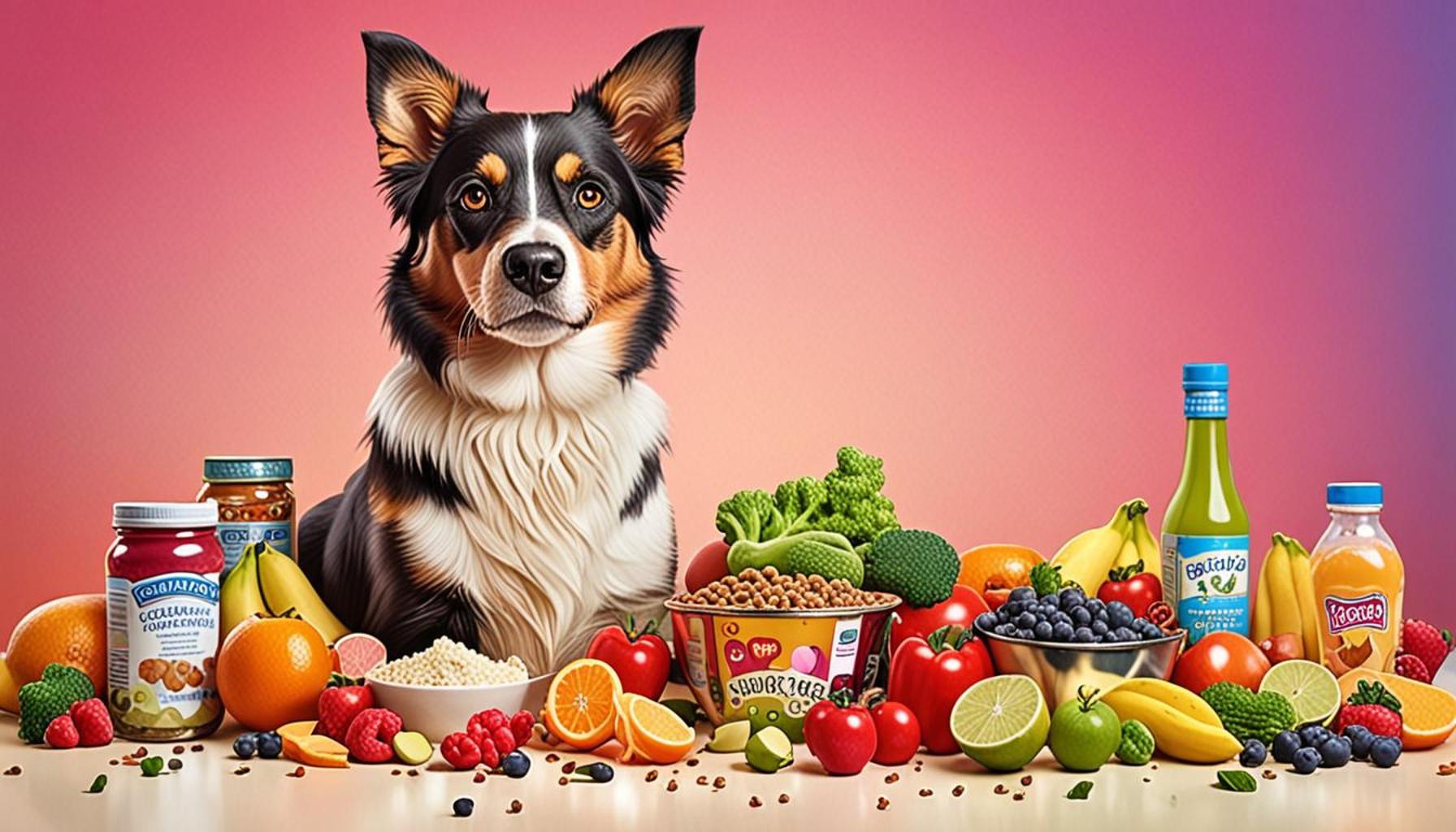
The Foundation of Health for Your Pets
A pet’s diet plays a crucial role in its overall health and well-being. Just like humans, dogs and cats require a balanced intake of nutrients to thrive, maintain energy, and ward off diseases. An informed approach to your pet’s nutrition can significantly enhance their quality of life and longevity.
Why Balanced Nutrition Matters
Providing a nutritionally balanced diet fosters optimal growth and development in pets. It is vital for:
- Maintaining a healthy weight.
- Supporting strong immune function.
- Enhancing mental sharpness.
Moreover, nutritional deficiencies can lead to a myriad of health issues ranging from skin problems to organ failure. This makes understanding what constitutes a balanced diet for your furry friends essential for any pet owner.
Discover the Best Choices
In the quest for the best nutrition for your pets, various options can be overwhelming. To help you navigate this landscape, we have compiled a list of the Top 5 key components that ensure your dog’s or cat’s diet is balanced and fulfills their unique needs.
Top 5 Reasons Why Balanced Nutrition is Essential for the Health of Dogs and Cats
When it comes to our beloved pets, their health and well-being are a top priority. Ensuring that dogs and cats receive balanced nutrition is crucial to maintaining their vitality and longevity. Just like humans, pets require a well-rounded diet to thrive. In this article, we will explore the top five reasons why balanced nutrition is essential for the health of our furry friends, ranking them from fifth to first.

5. Prevents Obesity
Obesity is a growing concern among pets worldwide. According to veterinary professionals, a significant number of pets in the United States are classified as overweight or obese, and this trend is escalating. One of the primary reasons for this epidemic is poor dietary choices, often compounded by a lack of exercise. Pets are usually at the mercy of their owners when it comes to dietary selections, which makes it crucial for pet parents to understand the importance of a balanced diet in preventing unnecessary weight gain.
Overweight pets can face numerous health issues, including diabetes, heart disease, and joint problems. Diabetes, for instance, can significantly affect your pet’s quality of life, leading to increased thirst, frequent urination, and potential kidney issues. Similarly, excess weight puts additional strain on a pet’s joints, exacerbating conditions like arthritis and making mobility painful.
When feeding your pet, it is important to consider portion sizes and the nutritional value of their food. A balanced diet not only provides the necessary nutrients but also ensures that your pet consumes the right amount of calories to maintain a healthy weight. Implementing a feeding schedule and measuring meals using a standard cup can be very effective strategies in preventing pet obesity.
Some common signs of obesity include:
- Difficulty in moving or exercising
- Visible fat pads on the chest, neck, or base of the tail
- Decreased energy levels
By integrating a balanced diet into your pet’s routine, you can help them maintain a healthy weight, contributing to a higher quality of life. Consulting with a veterinarian about an ideal diet and portion control strategies is also beneficial.
4. Enhances Immunity
A well-balanced diet plays a significant role in strengthening your pet’s immune system. Just like in humans, a robust immune system in pets is essential for fighting off pathogens that can lead to infections and diseases. Nutritional deficits can lead to increased susceptibility to infections and diseases, underscoring the necessity of a diet rich in essential vitamins and minerals.
Vitamins such as A, C, and E are crucial antioxidants that help protect cells from damage and promote healing. Omega-3 fatty acids, commonly found in fish oil, are another essential component that not only enhances immunity but also supports cognitive function and heart health. Additionally, probiotics are beneficial bacteria that support a healthy gut microbiome, another critical component in maintaining immune health.
Ingredients that promote immune health include:
- Omega-3 fatty acids
- Vitamins A, C, and E
- Probiotics
Ensuring your pets receive a diverse diet filled with these nutrients helps improve their resilience against illnesses and keeps them healthier overall. It is important to consider incorporating a mix of proteins, carbohydrates, and fats to cover the full spectrum of nutritional needs.
3. Supports Digestive Health
Your pet’s digestive system requires as much attention as their overall health. A balanced diet aids in digestion and helps maintain a healthy gut flora, which is vital for nutrient absorption. An imbalanced diet can lead to gastrointestinal distress, affecting your pet’s nutrient absorption and overall comfort.
Ingredients rich in fiber, such as whole grains, fruits, and vegetables, can significantly reduce gastrointestinal issues, such as constipation and diarrhea. Fiber acts as a natural regulator for your pet’s digestive system, promoting regular bowel movements and easing digestive discomfort.
Monitoring your pet’s digestion can reveal a lot about their health. Signs of digestive issues may include:
- Vomiting
- Flatulence
- Changes in appetite or stool
By providing your pet with a well-rounded diet, you can support their digestive health and prevent unpleasant health problems. A proactive approach to digestive health can also contribute to less frequent veterinary visits related to gastrointestinal upsets.
2. Promotes Healthy Skin and Coat
The condition of a pet’s skin and coat can be a reflection of their overall health. A balanced diet rich in essential fatty acids, vitamins, and minerals supports healthy skin and a shiny coat. Proper nutrition can address issues such as dry skin, dandruff, and excessive shedding, which can often be signs of nutritional deficiencies.
Essential fatty acids such as those found in fish oil and flaxseed are important for maintaining skin moisture and elasticity, leading to a softer and shinier coat. Additionally, certain vitamins, like biotin and zinc, are known to encourage the natural process of hair growth and resilience.
Common indicators of skin issues may include:
- Excessive scratching or biting
- Flaky or dry skin
- Patchy or dull coat
Paying attention to your pet’s diet can help ensure their skin and coat remain in excellent condition, enhancing their overall appearance and comfort. A regular grooming routine in tandem with a nutritious diet can further enhance your pet’s skin and coat health.
1. Increases Longevity and Quality of Life
Above all, optimized nutrition contributes to the longevity and quality of life of dogs and cats. Pets that receive a balanced diet are not only healthier but also tend to live longer, more fulfilling lives. A proper diet provides the nutrients needed for energy, healthy organ function, and overall vitality. It empowers pets to stay active and engaged throughout their lives, reducing the risk of age-related diseases.
As pets age, their nutritional needs change. Senior pets may require diets lower in calories but high in essential nutrients to support aging organs and prevent chronic diseases. Regular vet check-ups and monitoring of dietary needs as they age can help tailor their nutrition to changing health requirements.
Investing in your pet’s nutrition today will yield long-term benefits, allowing them to enjoy a happier, healthier life by your side, filled with vitality and zest. Prioritizing balanced nutrition sets the foundation for years of joyful companionship and boundless energy.
In conclusion, the significance of balanced nutrition for dogs and cats cannot be overstated. From preventing obesity to enhancing immunity, each aspect is vital for maintaining a healthy and happy pet. By prioritizing your pet’s nutritional needs, you will ensure they lead a longer, more vibrant life with you, full of wagging tails and purring contentment.
| Category | Description |
|---|---|
| Optimal Energy Levels | A balanced diet provides pets with the essential nutrients they need to maintain high levels of energy throughout the day, promoting active lifestyles. |
| Healthy Weight Maintenance | Proper nutrition helps in keeping a pet’s weight within ideal limits, reducing the risk of obesity and related health issues such as heart disease and diabetes. |
| Stronger Immune System | A well-balanced diet supports the immune system with vitamins and minerals, helping to fend off illnesses and promote quicker recovery from ailments. |
| Improved Coat and Skin Health | Nutrients like omega fatty acids play a crucial role in enhancing skin and coat health, resulting in shiny fur and reduced chances of skin irritations or diseases. |
A balanced diet not only sustains the physical well-being of dogs and cats, but it also plays a vital role in their mental health. Pets that receive proper nutrition often exhibit more stable behavioral patterns and are less prone to anxiety and stress. Incorporating a variety of carefully selected ingredients in their meals—such as lean proteins, whole grains, and a wealth of fruits and vegetables—can stimulate their senses and contribute positively to their overall conditioning.Furthermore, regular assessment of a pet’s dietary needs is crucial. Pets are not static; as they age or go through lifestyle changes, their nutritional requirements can vary significantly. Consulting with a veterinarian can provide insights on appropriate adjustments to ensure dietary balance at different life stages, enhancing longevity and vitality. In conclusion, the importance of balanced nutrition extends beyond mere sustenance. It shapes the lives of our beloved pets, laying the foundation for a vibrant and healthy existence. Understanding these multifaceted benefits empowers pet owners to make informed decisions about their dietary choices, ultimately improving their furry companions’ quality of life.
Frequently Asked Questions About Balanced Nutrition for Dogs and Cats
What constitutes a balanced diet for dogs and cats?
A balanced diet for pets involves a combination of proteins, fats, vitamins, minerals, and carbohydrates. It’s important to tailor the diet to the species, age, size, and activity level of your pet. Dogs require a different balance of nutrients compared to cats, who are obligate carnivores. This means cats need a high proportion of animal-based protein, whereas dogs can enjoy a more varied diet.
How can I determine if my pet’s diet is balanced?
Observing your pet’s physical condition and behavior can provide clues. A shiny coat, healthy weight, and high energy levels often indicate a balanced diet. Regular veterinary consultations are crucial. Vets can offer specific advice and sometimes suggest blood tests to detect any nutritional deficiencies. Additionally, many pet food brands publish nutrient profiles that can help inform your choice; look for labels stating compliance with regulations by bodies such as the Association of American Feed Control Officials (AAFCO).
Are there risks associated with not providing a balanced diet?
Yes, an imbalanced diet can lead to a host of health issues. For instance, a lack of taurine, an essential amino acid, particularly affects cats, leading to potential heart problems. In dogs, improper calcium to phosphorus ratios can contribute to skeletal disorders. It’s important to ensure that pets are not only getting the right nutrients but also in the correct proportions. Long-term nutritional imbalances can compromise immunity, longevity, and overall health.
Can homemade diets provide adequate nutrition for my pet?
Homemade diets can be nutritious if precisely formulated, but they require attention to detail and often consultation with a veterinary nutritionist. While they offer the benefit of controlling ingredient quality, there’s a risk of unintentional nutrient deficiencies. It’s crucial to follow a receipe vetted by professionals who understand nutritional balance and adequacy for pets.
What role do supplements play in pet nutrition?
While a balanced commercial pet food typically doesn’t require supplements, they may be necessary in certain conditions or life stages, such as pregnancy or senior age. Supplements can support joint health, skin, and coat, among other aspects. However, it’s imperative to consult with a veterinarian before introducing any supplements, as unnecessary or excessive supplementation can lead to health issues.
Conclusion: The Importance of a Balanced Diet for Pet Health
In summary, the significance of a balanced diet for the health of our beloved dogs and cats cannot be overstated. As highlighted in the article, a well-balanced nutritional plan tailored to the specific needs of pets not only ensures their physical well-being but also enhances their quality of life.
Key Takeaways
- Understanding the unique dietary requirements of different species is crucial. Dogs and cats have distinct nutritional needs that must be met to ensure their health and vitality.
- The dangers of an unbalanced diet, such as nutrient deficiencies or excesses, can lead to serious health issues like obesity, diabetes, and heart disease.
- Fresh, high-quality, and species-appropriate feeding can prevent many illnesses and strengthen the immune system.
- Consulting with veterinary professionals can help pet owners make informed decisions about the best nutrition plans for their pets.
- A balanced diet is not a one-size-fits-all solution. It requires ongoing observation and adjustment as pets age or their activity levels change.
Thus, taking the time to research and implement a proper diet is a significant step toward ensuring our pets live long, happy, and healthy lives. Beyond nutrition, understanding the overall lifestyle and well-being of our pets becomes crucial. Equipped with information and expert advice, pet owners have the power to positively transform their pets’ lives. Moreover, the exploration of balanced nutrition opens avenues for a broader inquiry into pet health and care, encouraging owners to delve deeper and continually seek improvements. While the world of pet nutrition continues to evolve, our commitment to learning and adapting will undoubtedly serve our four-legged friends well.
Related posts:
How to Adapt Your Pet's Nutrition at Different Stages of Life
The Influence of Nutrition on the Dental Health of Pets
Nutritional Supplements: When and How to Use Them to Improve Pets' Health
Nutrition and Behavior: How Different Diets Can Impact Pets' Personality
Natural Foods vs Commercial Pet Food Which is Best for Your Pet
The Importance of Hydration in Pet Nutrition

Linda Carter is a writer and pet care expert specializing in pet health, grooming, and wellness. With extensive experience helping pet owners create safe, loving, and enriching environments for their animals, Linda shares her knowledge on our platform. Her goal is to empower readers with practical advice and strategies to ensure their pets thrive and lead joyful, healthy lives.