Train Your Dog Master Basic Commands with Positive Reinforcement
Understanding the Importance of Positive Reinforcement in Dog Training
Training your dog is not just about teaching commands; it fosters a strong bond between you and your furry friend. Utilizing positive reinforcement techniques ensures your dog learns effectively while feeling happy and motivated. This method is favored by many trainers for its effectiveness and humane approach.
Why Focus on Basic Commands?
Mastering basic commands is essential for any dog, as it lays the foundation for proper behavior. Basic commands, such as “sit,” “stay,” and “come,” can significantly enhance safety and communication. Additionally, these fundamental skills contribute to a dog’s overall well-being and adaptability in various environments.
Prepare for Top Insights
In this article, we will explore the Top 5 tips for training your dog using positive reinforcement techniques. From choosing the right rewards to maintaining consistency, you’ll gain valuable insights to enhance your training sessions. Get ready to unlock the secrets of effective dog training that will lead to a well-behaved and happy companion.
Top 5 Tips to Train Your Dog to Obey Basic Commands Using Positive Reinforcement
Training your dog is not just about teaching them to respond to commands; it’s about building a relationship grounded in trust, understanding, and mutual respect. Adopting the right training method plays a crucial role in this journey. Among the various techniques available, positive reinforcement stands out for its effectiveness in promoting good behavior through rewards, rather than punishment. This article delves into five essential tips for leveraging positive reinforcement to train your dog, creating a path to a rewarding and enjoyable training experience. Let’s explore these strategies in depth!
5. Start with Simple Commands
Embarking on the training journey can seem daunting, but starting with simple commands helps in laying a strong foundation. Basic commands such as “sit,” “stay,” and “come” are integral to this groundwork.
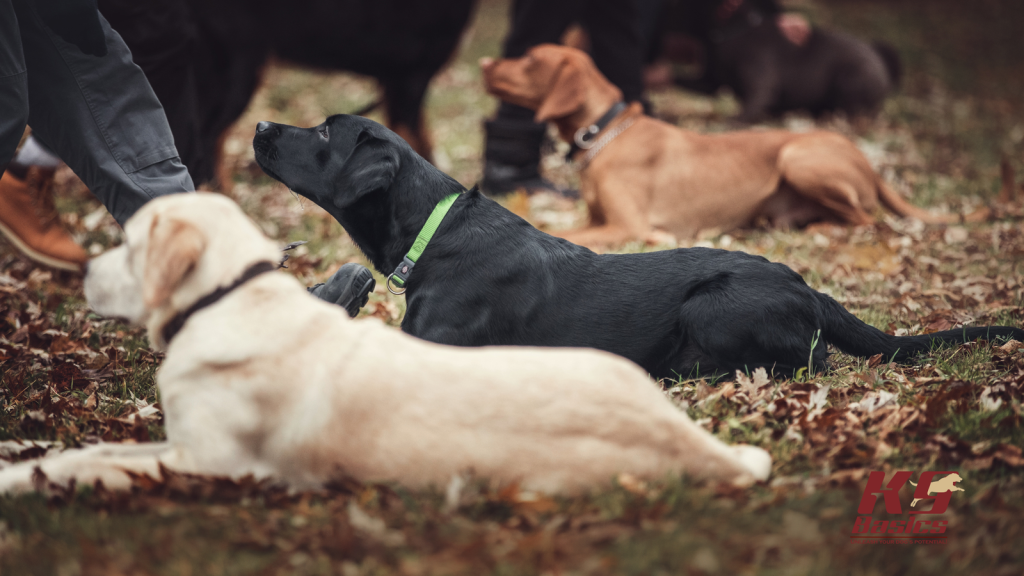
- Sit: Generally regarded as one of the most straightforward commands, “sit” involves guiding your dog into a seated position. Praise and reward your dog immediately upon success to reinforce the behavior. By repeatedly associating the action of sitting with something positive, your dog learns quicker and with enthusiasm.
- Stay: The “stay” command builds on your dog’s ability to exhibit self-control. Begin by directing your dog to sit or lie down, then slowly back away while maintaining eye contact. If your dog remains in position, reward them. Gradually increase the duration and distance, being sure to consistently reward your dog for maintaining the position.
- Come: This command is vital for times when you need to recall your dog back to you, promoting safety and control. Start in a quiet area with minimal distractions, using a leash if necessary. Call your dog to you with the command “come,” accompanied by an inviting gesture. Reward them warmly when they reach you, using treats or affection.
Beginning with these commands equips your dog with a foundation of obedience, encouraging confidence and a clear understanding of learning and protocol, setting them up for more advanced training in the future.
4. Use High-Value Treats for Motivation
Your dog’s motivation to learn is greatly influenced by the incentives you offer. In positive reinforcement, high-value treats are an essential tool. These are not ordinary snacks, but rather the most desirable, tantalizing morsels you can offer—consider small bits of cooked chicken, cheese, or commercially available training treats that are known to excite canine tongues.
Observe your dog’s reactions to different treats during training sessions. Various breeds and individual dogs have unique preferences, so experiment to discover what your dog finds irresistible. This enthusiasm can translate to more focused and frequent successes, as your dog is eager to earn those special rewards.
3. Be Consistent with Commands
Consistency is the secret ingredient to effective dog training. Using uniform commands and gestures ensures clarity and prevents confusion. A dog learns by forming associations between specific cues and behaviors, meaning that inconsistent language or motions can disrupt this learning process.
It’s equally important for all family members to participate. Ensure everyone is on the same page, using the same commands and hand signals. This unity conveys a coherent and consistent message to your dog about what is expected, streamlining their learning and reinforcing the desired behavior.
2. Incorporate Play into Training Sessions
Training shouldn’t be a chore; it should be an opportunity for both you and your dog to enjoy quality time together. By integrating play into training sessions, you can significantly elevate your dog’s engagement and willingness to learn. Play offers a break from the seriousness, injecting joy into the learning process.
For instance, after your dog successfully performs a command, reward them with a short game of fetch or tug-of-war. This not only reinforces the behavior but also enriches the bond you share with your dog. An exuberant and cheerful dog is naturally more receptive, eager to please, and much more inclined to carry forward with training.
1. Be Patient and Positive
Patience is a cornerstone of positive reinforcement training. Especially with puppies or dogs new to training, you must expect a learning curve and occasional slip-ups. Approach these situations with patience and positivity, remembering that every dog learns at their own pace.
Avoid showing frustration or scolding your dog for mistakes. Instead, stay positive and encouraging, reassuring your dog of your support. Just as importantly, recognize and reward even the smallest of successes, cementing their victories in their minds. This approach will foster a training session atmosphere that is relaxed, upbeat, and conducive to learning.
Ultimately, the journey to training your dog using positive reinforcement is much more than achieving obedience; it’s about nurturing a deep-seated trust and partnership. Celebrate the act of learning together, as each step forward strengthens the invaluable connection you have with your canine friend. By incorporating these strategies, your dog will not only become obedient and responsive but also happier and more eager to engage in the world you share. Cherish these moments, as they lay the groundwork for a lifelong bond worthy of a cherished companionship!
| Category | Description |
|---|---|
| Understanding Positive Reinforcement | Positive reinforcement is a training method that emphasizes the use of rewards to encourage desired behaviors in dogs. This approach is effective because it establishes a strong bond based on trust and affection, making the dog more likely to respond positively. |
| Building Basic Commands | Training your dog to obey basic commands such as “sit,” “stay,” and “come” paves the way for further training. Establish these commands as foundations that utilize clear verbal cues combined with treats to reinforce successful actions. |
| Timing is Crucial | The efficiency of positive reinforcement heavily depends on the timing of the reward. Deliver the treat immediately after the desired behavior is observed. This helps the dog to associate the action with the reward, enhancing understanding and retention. |
| Consistency in Training | Consistency is essential for dog training success. Use the same commands and rewards every time and involve all family members to maintain a unified approach. This helps prevent confusion and ensures the dog learns commands more quickly. |
| Socialization and Training | Socializing your dog with other pets and people while training can further enhance obedience. Exposure to various environments and experiences helps the dog to learn how to interact positively, thus reducing anxiety and promoting better regulation of behavior. |
In this table, we highlight some pivotal aspects of training your dog through positive reinforcement. Understanding the nuances of this technique can help dog owners cultivate a nurturing and obedient relationship with their pets.
Frequently Asked Questions About Training Your Dog to Obey Basic Commands with Positive Reinforcement
What is positive reinforcement, and how is it different from other training methods?
Positive reinforcement is a training technique that involves rewarding your dog for good behavior, encouraging them to repeat those actions. Unlike punitive methods, positive reinforcement focuses on creating a positive association with desired behaviors, promoting learning through rewards like treats, praise, or toys. This approach contrasts with negative reinforcement or punishment-based training, which often relies on fear and can cause stress or anxiety in your pet.
How can I ensure positive reinforcement is effective for my dog?
To ensure effectiveness, consistency is key. Start by setting clear goals and establishing a routine. Use rewards that are appealing and motivating for your specific dog—whether it’s their favorite treat or a special toy. Timing is also crucial; offer the reward immediately after the desired behavior to reinforce the connection. Gradually phase out treats as your dog becomes accustomed to obeying commands, replacing them with praise or petting.
What are some basic commands I can teach my dog using positive reinforcement?
Basic commands such as “sit,” “stay,” “come,” “leave it,” and “down” are excellent starting points. Begin with simple commands like “sit” by holding a treat near your dog’s nose, moving it upward to encourage them to sit. As soon as they sit, reward them immediately. These commands can improve your dog’s behavior and enhance communication between you and your pet, making daily interactions smoother.
How can I address challenges or setbacks during training sessions?
Patience and understanding are vital when facing challenges. If progress stalls, reassess the training environment and ensure it’s free from distractions. It’s also important to keep sessions short—no more than 10-15 minutes—to prevent fatigue or loss of interest. Maintaining a positive attitude and celebrating small victories can prevent frustration. If problems persist, consider consulting a professional trainer for guidance.
Can positive reinforcement be used for all breeds and ages?
Yes, positive reinforcement can be adapted to all breeds and ages of dogs. While the learning pace may vary based on factors like age, breed, and previous experiences, the principles of rewarding desired behaviors can be universally applied. Puppies tend to adapt quickly, while older dogs might require more patience. Regardless, building a positive, trust-based relationship will yield benefits over time.
Conclusion: Effective Training Through Positive Reinforcement
Training your dog using positive reinforcement is not just beneficial; it is transformative. This method, which rewards desired behavior with treats, love, or playtime, helps build a trusting relationship between you and your pet. As our article explored, the top five commands to begin with using positive reinforcement are sit, stay, come, leave it, and down. Each command serves as a foundational element in creating a well-behaved and responsive dog.
The process of teaching these basic commands should be a journey of patience, consistency, and mutual respect. The emphasis we placed on consistency throughout the article underscores how critical it is for long-term success. By using treats or toys as rewards, you create an atmosphere where the dog is eager to learn and looks forward to training sessions.
Moreover, the importance of timing in reinforcing the desired behavior cannot be overstated. Immediate rewards help the dog connect the command with the action. Positive reinforcement not only shapes good behavior but also strengthens the bond you share with your furry friend, making for a happier, more harmonious home.
Finally, remember that every dog is unique and may learn at its own pace. Training should be a fun and engaging experience, encouraging curiosity and joy in your canine companion. In adopting these strategies, you will find not only a well-mannered pet but also a loyal friend eager to explore and learn alongside you. Now, the path is clear for deeper exploration and understanding of canine psychology, leading to an enriched relationship with your pet.
Related posts:
The Importance of Mental Exercise in Animal Training: Games and Activities to Stimulate the Mind
How to Incorporate Safety Commands in Pet Training
The Importance of Socialization in Dog Training: Steps for a Well-Adjusted Animal
Training Strategies for Pets in Rural Environments
Training Techniques to Reduce Anxiety in Pets
How to Integrate Pet Training into Family Routine

Linda Carter is a writer and pet care expert specializing in pet health, grooming, and wellness. With extensive experience helping pet owners create safe, loving, and enriching environments for their animals, Linda shares her knowledge on our platform. Her goal is to empower readers with practical advice and strategies to ensure their pets thrive and lead joyful, healthy lives.