How Pet Adoption Improves Mental Health Positive Impact Revealed

In recent years, the bond between humans and pets has garnered significant attention, particularly regarding its profound implications for mental health. Studies indicate that adopting animals can lead to various psychological benefits, making it a compelling topic for both psychology enthusiasts and animal lovers alike. As we explore this fascinating connection, we will delve into the top five ways that pet adoption can enhance the well-being of the adopters.
Understanding the Relationship
The act of bringing a pet into one’s home can substantially change one’s daily routine and emotional landscape. This relationship fosters companionship, which is crucial for those dealing with loneliness or anxiety. Additionally, pets often encourage their owners to engage in physical activities, which can improve mood and emotional stability.
The Benefits of Pet Adoption
Adopting a pet is not solely an act of kindness; it offers mutual benefits for both the animal and the human. Some of the advantages that emerge from this relationship include:
- Reduced Stress Levels: The presence of pets can lower cortisol levels.
- Increased Social Interaction: Pets can serve as social facilitators, helping owners connect with others.
- Enhanced Sense of Purpose: Caring for a pet instills a sense of responsibility and fulfillment.
- Improved Mood: Interactions with pets can trigger the release of serotonin and dopamine.
- Greater Emotional Stability: Pets provide unconditional love and companionship, which can alleviate feelings of sadness.
As we progress through this article, prepare to uncover the key insights that reveal how pet adoption can be a transformative journey towards better mental health.
Top 5: The Impact of Pet Adoption on the Mental Health of Adopters
Adopting a pet involves much more than offering a lifeline to an animal in need; it can profoundly benefit the mental health of the adopter. The bond between humans and their animal companions is deeply rooted, and numerous studies have documented the positive effects pets can have on overcoming loneliness, anxiety, and depression. This exploration delves into the top five impacts pet adoption can have on the mental well-being of adopters, ranked from five to one.
5. Increased Sense of Purpose
The adoption of a pet can renew an individual’s sense of purpose, bringing structure and meaning to life.
Daily Routines: Pets require a consistent schedule, which can greatly benefit those who may otherwise struggle with routine. Whether it’s feeding, walking, grooming, or playtime, these activities form a pattern aiding mental stability. For example, starting the day with a morning dog walk can set a positive tone, promoting productivity and focus.
Responsibility: The duty to care for another being can counteract feelings of worthlessness. For someone who feels adrift without clear direction, the responsibility of a pet obliges them to be accountable, fostering a sense of accomplishment and purpose. In many cases, this has served as the turning point for individuals grappling with depression. Reports indicate that leaders in therapy often utilize animal-assisted therapy for patients with a need for increased responsibility in a therapeutic setting.
This renewed sense of purpose, instilled by pet adoption, significantly uplifts an individual’s outlook on life, counteracting feelings of aimlessness and deepening engagement with their surroundings.
4. Encouragement of Physical Activity
Pets, particularly dogs, encourage physical activity, which plays a critical role in mental health management.
Aerobic Benefits: Engaging in exercises such as walking, running, or playing fetch with a pet elevates mood through the release of endorphins, nature’s natural mood booster. Regular physical activity is known to reduce symptoms of anxiety and stress, creating a more relaxed mental state.
Social Interaction: The social opportunities that pets create should not be overlooked. Walking a dog at a local park or attending pet meet-ups can lead to interaction with fellow pet owners, fostering a sense of community and belonging that mitigates isolation. This has proven especially beneficial for people suffering from social anxiety, providing a natural framework for interactions.
The combination of physical and social benefits provided by pets can transform adopters into more active and socially connected individuals, fortifying their mental resilience.
3. Emotional Support and Companionship
The bond between a pet and their owner is often one of trust and unconditional love, serving as an emotional anchor.
Reduction in Loneliness: The companionship a pet offers can fill the emotional void often occupied by loneliness. Having a pet ensures that an individual always has someone there, providing comfort and a sense of connection. This is vital in times of high stress or personal loss.
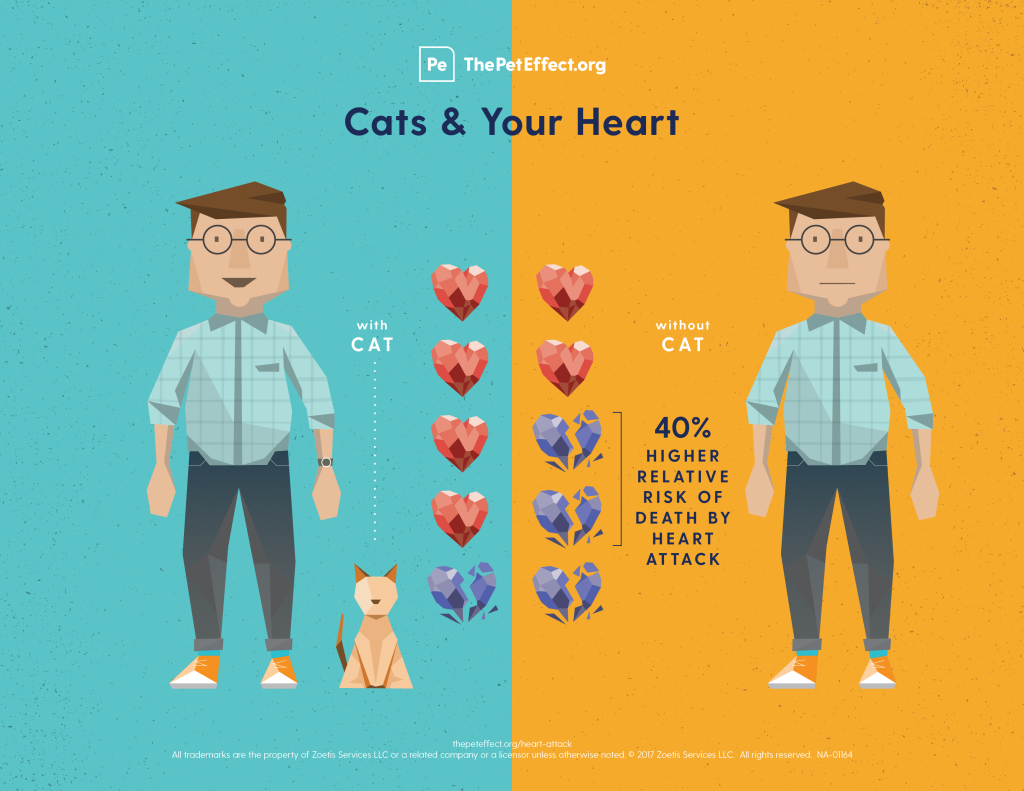
Stress Relief: Interacting with pets has been shown to lower stress levels, with studies showcasing it as a physical response through reduced blood pressure and heart rates. Simply petting a cat or a dog can have a calming effect akin to meditation, anchoring the mind and reducing tension.
For individuals navigating stressful periods, the reliable presence of a pet can act as an emotional steady, providing solace and a buffer against external pressures.
2. A Boost in Self-Esteem
Successfully caring for a pet can significantly enhance an individual’s self-esteem and confidence.
Unconditional Love: The affection offered by pets reassures and validates an owner’s self-worth, creating an environment of acceptance. Unlike human interactions that can be fraught with anxiety and doubt, a pet’s love is straightforward and uncomplicated, reinforcing a positive self-image.
Success in Nurturing: Many adopters report feelings of accomplishment when they successfully train and care for their pets. This sense of achievement fosters confidence, transcending into other areas of life, crucial for those who struggle with self-doubt.
A fortified self-esteem can be transformative for adopters, empowering them in both personal and professional arenas, enhancing overall confidence and capability to tackle life’s challenges.
1. Alleviation of Anxiety and Depression
Foremost among the benefits of pet adoption is the alleviation of anxiety and depression. This is the cornerstone of the therapeutic relationship between humans and animals.
Calming Effects: The presence of a pet naturally reduces anxiety, creating a soothing and safe atmosphere. Many mental health professionals advocate for pet ownership as a therapeutic intervention for their clients with anxiety disorders and depression.
Distraction from Negative Thoughts: In caring for a pet, individuals find a positive distraction from the cyclical nature of negative thought patterns associated with depression. Pets require attention and care, drawing the mind away from ruminative thoughts and engaging it in nurturing activities.
Through unwavering companionship, pets serve as emotional supports, often metaphorically and literally lending a “listening ear,” offering solace for those struggling to find peace in their minds.
In conclusion, adopting a pet is a journey of mutual benefit. By assuming the welfare of another being, adopters open themselves up to a realm of personal growth, emotional richness, and mental well-being. Whether through instilling a sense of purpose, catalyzing physical activity, providing emotional support, boosting self-worth, or easing anxiety and depression, the profound benefits of pet adoption on an adopter’s mental health cannot be overstated. For those considering bringing an animal into their lives, the potential for positive transformation is vast and rewarding.
| Category | Details |
|---|---|
| Emotional Support | Adopting an animal contributes significantly to emotional stability; the presence of a pet can relieve feelings of loneliness and boost overall happiness. |
| Routine and Responsibility | Caring for an adopted animal creates a structured daily routine, which often helps in reducing anxiety and provides a sense of purpose. |
| Social Interaction | Pet ownership often encourages social interactions; adopters frequently meet other pet owners, fostering community connections that can diminish feelings of isolation. |
| Physical Activity | Adopting an animal often leads to increased physical activity levels, as pets require walks and playtime, which contributes to better mental health. |
The theme “The Impact of Animal Adoption on the Mental Health of Adopters” reveals multifaceted benefits that extend beyond mere companionship. One of the most compelling aspects is the emotional support that pets naturally provide. Numerous studies indicate that having an animal can lead to a reduction in stress levels and enhance feelings of happiness and well-being. Just interacting with a pet can elevate mood levels due to the release of oxytocin, known as the “bonding hormone,” which plays a significant role in the emotional connection between the pet and adopter.Moreover, the responsibility that comes with pet ownership necessitates a structured routine. Daily tasks, such as feeding, walking, and grooming, not only help pet owners maintain stability but also offer a sense of accomplishment. This routine can serve as a powerful antidote to feelings of purposelessness and depression that often accompany life’s challenges. Statistics show that individuals with pets report lower instances of anxiety and higher levels of satisfaction in their daily lives.Another significant benefit of adopting an animal is the boost in social interaction. Owning a pet often leads to increased social engagement, with opportunities to meet fellow pet owners at parks, training classes, or community pet events. These communal spaces foster a sense of belonging, alleviating feelings of loneliness, which can be especially important for those who may be isolated or experiencing social anxiety. A noteworthy piece of research suggests that pet owners tend to have larger social networks and better support systems than non-pet owners.Finally, it is essential to consider the physical health benefits associated with animal adoption. Regular interactions with pets often encourage healthier lifestyles; not only do they need to be walked and played with, but pet owners frequently find themselves more inclined to partake in outdoor activities. This increased physical activity has a cascading effect, contributing to improved mental clarity and emotional regulation.In essence, the relationship between pet adoption and mental health is not simply anecdotal but supported by growing empirical research that continues to highlight the myriad benefits that pets bring into the lives of their human companions. This connection leads us to further explore how the individual experiences of adopters contribute richly to a broader societal narrative on mental well-being.
Frequently Asked Questions about the Impact of Pet Adoption on Adopters’ Mental Health
How does adopting a pet affect the mental health of the adopter?
Adopting a pet can have a profound impact on the mental health of the adopter. Studies have shown that pets can significantly reduce stress, anxiety, and depression. The presence of a pet can provide companionship, reduce feelings of loneliness, and increase feelings of social support. Furthermore, the routine of caring for an animal can help bring structure and purpose to an individual’s daily life. Essentially, a pet can become both a therapeutic presence and a source of joy.
Are there specific benefits of pet adoption over other forms of animal companionship?
Adopting a pet, rather than buying one, comes with a unique set of benefits. Apart from the well-documented emotional comforts, adopters often experience a sense of fulfillment from providing a loving home to an animal in need. This altruistic act can enhance self-esteem and satisfaction. Additionally, many shelters provide resources and support to aid in the transition, making the adoption process a rewarding and supportive journey. Ultimately, adoption is not only a commitment to an animal but also a pathway to enriching the adopter’s life.
Can pet ownership impact long-term mental health positively or negatively?
Yes, pet ownership can influence long-term mental health positively, primarily through the ongoing companionship and routine it offers. The continuous requirement of looking after an animal can encourage physical activity, which is beneficial for mental health. However, potential adopters should also be mindful of the responsibility and time commitment required, as insufficient preparation for these obligations can lead to stress. A successful and fulfilling pet adoption is built on preparedness and understanding of the demands involved.
Is there scientific evidence supporting the mental health benefits of pet adoption?
There is substantial scientific evidence underscoring the positive effects of pet adoption on mental health. Research conducted by organizations such as the Human-Animal Bond Research Institute (HABRI) has repeatedly found evidence that pet companionship can alleviate symptoms of anxiety and depression. Furthermore, hormone studies reveal that interactions with pets significantly increase the production of oxytocin, the so-called ‘love hormone’ associated with bonding and stress relief. The empirical data strongly reinforces the health merits of adopting a pet.
Conclusion: A New Dawn for Mental Wellness
The adoption of animals undeniably offers profound benefits for the mental health of adopters. This analysis highlighted key aspects of how pet ownership can transform lives, underscoring that the relationship between humans and animals goes far beyond companionship. Animals offer a unique form of emotional support, relieving stress, anxiety, and symptoms of depression. By fostering a sense of purpose, they improve emotional regulation and socialization skills.
Animals provide unconditional love and create an environment where adopters can find solace and stability. This emotional bond helps to reduce feelings of loneliness and establishes a comforting routine for the individual. Physical activities associated with pet care also promote better physical health, which is closely linked to improved mental outlook.
Moreover, the article explored how pets serve as social catalysts, encouraging social interaction and strengthening community ties. As adopters engage with fellow pet owners, they build networks of support, further enhancing their sense of belonging and well-being. These connections can be a powerful antidote to social isolation.
Ultimately, the mental health benefits brought by adopting animals showcase a symbiotic relationship where both humans and pets thrive. Considering the growing number of individuals facing mental health challenges globally, embracing animal adoption may be a key strategy in promoting emotional resilience. It is evident that integrating pets into our lives not only enriches the daily experience but also lays down a foundation of psychological stability that can empower individuals to face life’s many challenges.
This exploration invites us to delve deeper into the transformative impact of animal adoption, prompting a societal shift towards embracing the profound connection with our four-legged friends.
Related posts:
Pet Adoption in Rural Communities Challenges Solutions Revealed
Responsible Adoption: How to Ensure a Safe Home for Your New Pet
Pet Adoption Impact How Pets Unite Nigerian Communities Socially
Inspiring Stories of Special Animal Adoption Make a Difference Now
The Importance of Responsible Adoption Key Commitments Care Tips
Pet Adoption and Sustainability: How to Contribute to a Better Future

Linda Carter is a writer and pet care expert specializing in pet health, grooming, and wellness. With extensive experience helping pet owners create safe, loving, and enriching environments for their animals, Linda shares her knowledge on our platform. Her goal is to empower readers with practical advice and strategies to ensure their pets thrive and lead joyful, healthy lives.