Behavior Training in Small Animals: Tips for Hamsters, Rabbits, and Other Pets
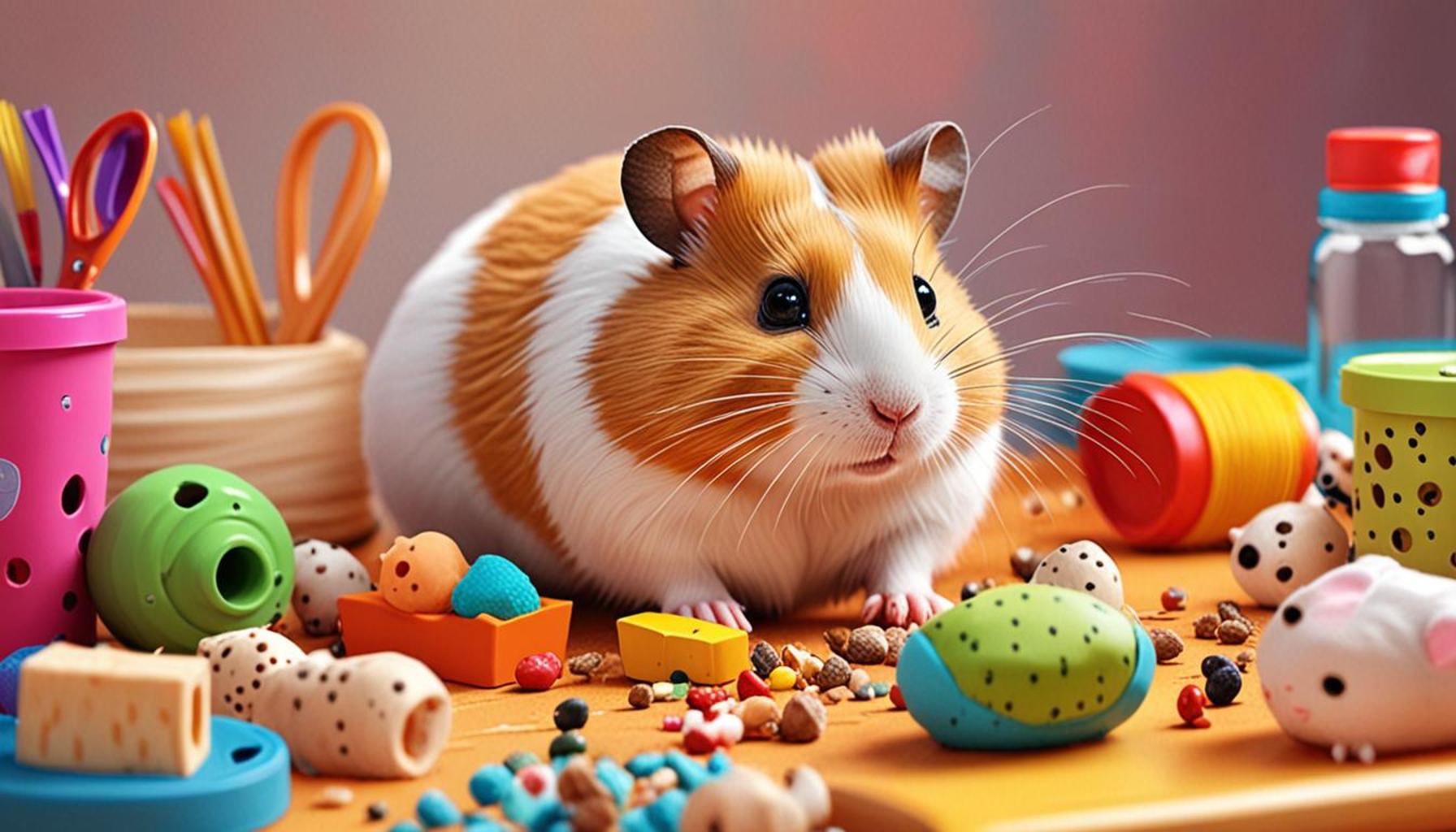
The Importance of Behavior Training for Small Animals
Small animals such as hamsters, rabbits, and guinea pigs are increasingly recognized as beloved companions in many Nigerian households. The joy they bring is immense, yet the path to creating a harmonious living environment involves understanding and shaping their behavior through effective training. As pets become integral members of the family, especially in urban centers like Lagos and Abuja, the responsibility of training these creatures becomes not only important but an engaging experience.
Behavior training is essential in transforming small animals into well-adjusted companions. It contributes significantly to their overall health and prevents behavioral issues that may arise from misunderstanding their needs. Below are some key strategies that can help pet owners effectively train their small animals:
- Start Early: Initiating training when your pet is young can lead to better outcomes. Just like children, young animals are more adaptable and open to learning. For instance, a baby rabbit is more likely to understand litter box training than an adult rabbit who has established its own habits.
- Positive Reinforcement: Utilizing treats and verbal praises to reward good behaviors creates a positive association in your pet’s mind. Small pieces of fruit for a guinea pig or gentle petting for a rabbit can encourage them to repeat desirable actions. Reinforcing good behavior with rewards is more effective than punitive measures.
- Understand Their Needs: Every species has distinct needs that influence their behavior. Knowing what motivates your pet, whether it’s playtime, companionship, or food, significantly enhances training effectiveness. For example, hamsters are inherently nocturnal; understanding this can guide you in when to engage them in play or training activities.
As you venture into training, patience becomes your best ally. Each small animal exhibits unique traits and requires different approaches. Understanding a ferret’s need for exploration, for example, can change how you manage your training sessions. Observing your pet’s behavior can lead you to develop more tailored strategies that meet their specific needs.
In Nigeria, the rise of pet ownership has given birth to various resources that aspiring pet trainers can access. Community workshops often hosted by local veterinarians or animal welfare organizations provide valuable insights. Local pet shops, particularly in bustling markets, often carry training manuals and might offer training classes. Engaging with fellow pet owners can also yield tips and shared experiences that enrich your understanding.
With the right knowledge and practical techniques, you are not only preparing your pet for a well-adjusted life but also strengthening the bond between you. As you delve deeper into the fascinating world of training, you will discover a rewarding journey filled with affection and companionship that lasts a lifetime.
LEARN MORE: This related article may interest you
Effective Strategies for Training Small Animals
When it comes to behavior training in small animals, success often hinges on a few fundamental principles. Understanding these techniques can transform your interactions with pets like hamsters, rabbits, and guinea pigs into fulfilling experiences. Each pet has unique characteristics and quirks, but the strategies for successful training share commonalities that any pet owner can adopt.
Establish a Routine: Animals thrive on consistency. Creating a structured schedule for feeding, play, and training helps them feel secure and understand what to expect. For example, setting a specific time daily for training sessions can enhance their responsiveness. By associating this time with enjoyable activities, you pave the way for a more manageable and enjoyable training process.
Short Training Sessions: Small animals have short attention spans. Keeping training sessions brief—typically around 5 to 10 minutes—will prevent overwhelming your pet and help maintain their interest. Frequent, short bursts of training can be more effective than elongated sessions, particularly for pets like hamsters who prefer exploration and play. Frequent interaction contributes to building their trust in you.
One of the most impactful components of training small animals is the use of toys and interactive tools. Enhancing training activities with engaging toys can promote active participation. Here are some training aids commonly used for small animals:
- Clickers: Using a clicker can help reinforce positive behavior. The sound serves as an immediate reward marker, assisting your pet in understanding which actions you want to encourage.
- Treat Dispensers: These can make training fun and promote learning through play. Filling a toy with treats encourages exploration while simultaneously rewarding them for their curiosity.
- Obstacle Courses: Setting up a simple course encourages physical activity and stimulates problem-solving skills in your pet. This can be particularly effective for rabbits and guinea pigs, engaging both their minds and bodies.
Moreover, understanding that each species has different social behaviors can be beneficial. Hamsters, for example, are solitary and might prefer training without direct social pressure, while rabbits thrive in social environments where they can interact with their trainers. This knowledge can aid in tailoring your approach, ensuring your pet feels comfortable during training.
Additionally, fostering a calm environment plays a pivotal role in behavior training. Minimize distractions, such as loud noises or the presence of other pets during communication and training sessions. Creating a peaceful space allows your small animal to focus entirely on learning, thus increasing the chances of successful behavior modification.
Ultimately, being a patient and observant trainer will yield the best results. Each furry friend has their own personality and pace; accepting this can lead to a more rewarding experience, further enhancing the bond you share. As you embark on this training journey, keep the excitement alive, not only for your pet’s sake but for your own as well.
| Training Area | Key Insights |
|---|---|
| Socialization | Helping pets adjust to different environments and people. |
| Positive Reinforcement | Using treats and praise to encourage desired behaviors. |
| Behavior Correction | Gentle techniques to redirect unwanted actions effectively. |
| Routine Establishment | Maintaining consistent schedules for feeding and playtime. |
Behavior training in small animals like hamsters and rabbits is essential for their well-being. It not only enhances their social skills but also strengthens the bond with their human companions. By utilizing methods such as positive reinforcement, owners can instill good behavior patterns. This technique involves rewarding pets with treats or affection whenever they demonstrate desired actions, making training a fun and enjoyable experience for both parties.Establishing a consistent routine is another crucial aspect. Small pets thrive in environments where they can anticipate their daily activities—this predictability helps reduce anxiety. One recommended practice is to set specific times for feeding and play sessions. Additionally, addressing behavior correction with kindness and understanding can prevent negative associations and promote trust. Through effective training, pet owners can ensure that their furry friends enjoy a happy and fulfilling life while paving the way for harmonious interactions. This intensive focus on behavior training not only contributes to a pet’s emotional stability but also opens avenues for deeper connections, leading to a more enriched companionship.
RECOMMENDED: Check out this similar article
Understanding Animal Behavior: Common Issues and Solutions
Training small animals is not just about teaching them commands; it is crucial to understand common behavioral issues that may arise. Recognizing and addressing these problems can significantly contribute to creating a harmonious environment for both pets and their owners.
Addressing Biting in Rabbits: Many new rabbit owners may find themselves surprised when their fluffy companion nibbles or bites. This behavior often stems from fear or territorial instincts. To mitigate this, it’s essential to establish trust early on. When handling rabbits, always approach them gently and allow them to come to you. Gradually introducing short play sessions can help them feel safe and reduce the likelihood of biting. Encouragement with soft words and treats can significantly reinforce positive interactions.
Preventing Hamster Escape Attempts: In the case of hamsters, escape attempts can sometimes become a pressing issue, particularly when these intrepid explorers discover cracks and crevices in their environment. To combat this, ensuring that the hamster’s cage is secure and engaging is crucial. Spend time enriching their habitat with tunnels and toys that stimulate their natural instincts. Regularly interacting with your hamster during play outside of the cage can also help curb escape behaviors, as they’ll learn that their time with you is equally enriching.
Dealing with Aggression: Behavioral issues such as aggression can emerge in many small animals, especially in cases of overcrowding or inadequate space. For example, guinea pigs can display territorial aggression if they feel threatened. Providing ample space and separate areas for each animal can significantly mitigate these conflicts. Social animals, like guinea pigs, thrive in pairs but require careful introduction when cohabiting. Always monitor their interactions and be prepared to separate them if aggressive behavior is exhibited.
Another key factor in understanding behavioral issues lies in recognizing the need for socialization. Hamsters, although primarily solitary, can benefit from gentle introductions to their owners and environments. By allowing them to settle into a supervised exploration, they can develop confidence over time. For species that favor social interactions, like rabbits, consistent and gradual social engagement is necessary. Socializing them with different people and pets can promote better adaptability and less fearfulness.
Using Positive Reinforcement: The principle of positive reinforcement cannot be overstated when addressing behavior issues. Reward your pet immediately after successful behavior. For example, if you successfully redirect negative behaviors, such as chewing on furniture instead of their toys, lavish them with treats and praise. The excitement of rewards will encourage them to repeat the desired behavior.
Monitoring Health: Never underestimate the impact of health on behavior. Often, changes in a small animal’s personality may indicate underlying health issues. For instance, if a usually friendly rabbit becomes aggressive or withdrawn, a visit to the vet is warranted. Regular health check-ups can help catch problems early and maintain your pet’s overall well-being.
In conclusion, understanding and addressing behavioral challenges when training small animals not only fosters a better relationship but also enriches their lives, making your training endeavors a rewarding journey. With the right approach, you can unlock the potential of your hamster, rabbit, or guinea pig to be your delightful companion.
SEE ALSO: Click here to read another article
Final Thoughts on Behavior Training in Small Animals
In light of the intricate relationship between human caregivers and small pets, effectively addressing behavior through training is fundamental to fostering a nurturing environment. As we discussed, common behavioral issues such as biting in rabbits, escape attempts in hamsters, and aggression in social animals can be tackled through understanding and informed techniques. Establishing trust, ensuring secure habitats, and promoting socialization are essential in cultivating positive interactions.
Moreover, the emphasis on positive reinforcement as a training method cannot be overstated. This approach not only reinforces the desired behaviors but builds a strong bond of trust and mutual respect between you and your pet. Celebrating small victories can transform training sessions into joyful moments, enhancing the overall companionship experience.
It is also vital to remain observant of any changes in your pet’s behavior that might indicate health concerns. Regular veterinary check-ups serve as a foundation for ongoing well-being and can preemptively address potential issues that could disrupt their behavior.
For Nigerian pet owners, adapting these training techniques can bring endless joy to your journey with small animals such as hamsters, rabbits, and guinea pigs. The practice of patience, understanding, and active engagement in their lives will undoubtedly lead to a richer experience for both you and your pets. As you embark on this rewarding path, remember that each animal has its unique personality and needs, making the adventure of training not just a challenge, but a delightful exploration of companionship.
Related posts:
The Importance of Consistency in Animal Training: Strategies for Maintaining Discipline
How to Use Interactive Toys to Enhance the Effectiveness of Pet Training
Pet Training for Urban Living: Practical Tips for Congested Environments
The Importance of Socialization in Dog Training: Steps for a Well-Adjusted Animal
Tips for Training Pets with Limited Resources: Creativity and Innovation
How to Use Natural Reinforcements in Pet Training

Linda Carter is a writer and pet care expert specializing in pet health, grooming, and wellness. With extensive experience helping pet owners create safe, loving, and enriching environments for their animals, Linda shares her knowledge on our platform. Her goal is to empower readers with practical advice and strategies to ensure their pets thrive and lead joyful, healthy lives.