How to Use Interactive Toys to Enhance the Effectiveness of Pet Training
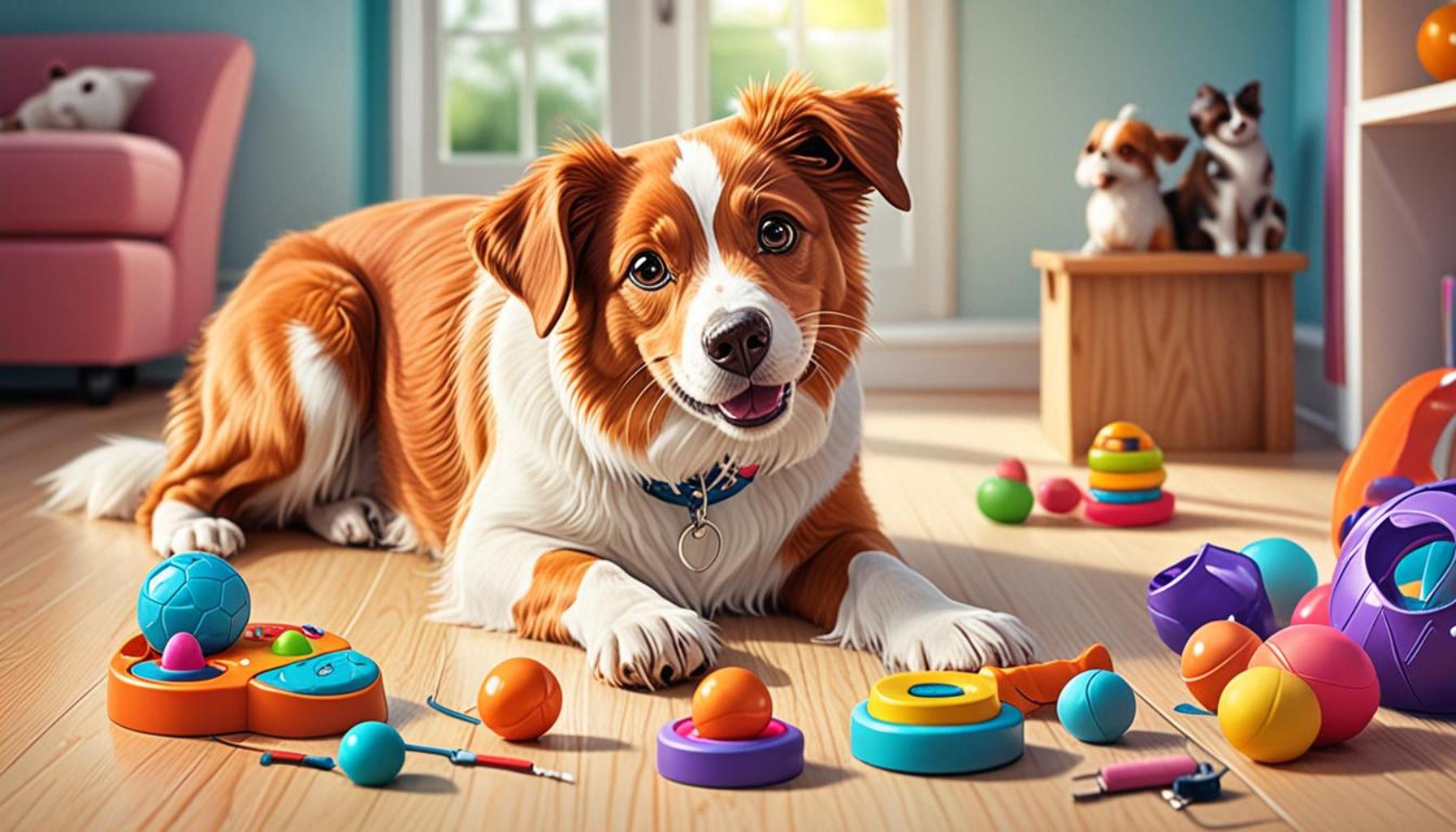
The Role of Interactive Toys in Pet Training
The journey of pet training can be a challenging yet rewarding experience. One effective method to make training sessions more engaging is by incorporating interactive toys. These toys not only capture your pet’s attention but also stimulate their mind, making learning fun. In a country like Nigeria, where pet ownership is becoming increasingly popular, leveraging these toys can provide a significant boost in training effectiveness.
Interactive toys come in various forms, each designed to serve a unique purpose while keeping pets entertained. Some key features include:
- Puzzle Toys: These require pets to solve problems to retrieve treats, encouraging critical thinking. A common example is the Nina Ottosson puzzle games, which are specially designed to challenge dogs and cats alike. These toys typically involve sliding compartments or hidden compartments where treats can be concealed, fostering not just intellect, but also patience.
- Electronic Toys: These move or make sounds, keeping pets active and interested. For instance, battery-operated toys that mimic the sound of squeaky animals can motivate a dog’s natural hunting instincts, providing them with the necessary physical stimulation. Brands like Petronics offer electronic mice that dart around, engaging your feline friend in a chase.
- Fetch Toys: These help in developing retrieval skills and promote physical activity. Classic options like the Chuckit! ball launcher can significantly enhance the game of fetch, allowing owners to throw balls further with minimal effort. In the bustling streets of Lagos, such toys can provide energetic dogs the exercise they need while allowing owners to bond with their pets.
In Nigeria, where pet ownership is on the rise, using such toys could transform the pet training landscape. Local stores increasingly stock innovative options, making it easier for pet owners to access training tools. Moreover, utilizing interactive toys can engage the growing community of pet lovers in Nigeria, ranging from urban dwellers to those more rural, thus fostering a deeper understanding of responsible pet ownership.
To maximize the benefits of these interactive tools in pet training, understanding how to integrate them into your regimen is essential. For instance, use puzzle toys when your dog successfully completes a basic command, such as “sit” or “stay.” This association reinforces their learning while simultaneously satisfying their instinctual curiosity. Additionally, rotating different types of toys can keep your pet interested and prevent boredom.
In conclusion, incorporating interactive toys into your pet training methods not only enhances the learning experience but also fortifies the bond between pet and owner. As more Nigerians embrace pet companionship, the promise of a playful and educated pet through interactive training methods becomes a reality, enriching the lives of both pets and their families.

YOU MAY ALSO LIKE: Read read another article
Integrating Interactive Toys into Your Training Routine
To truly unlock the potential of interactive toys in pet training, it’s essential to understand how to effectively incorporate them into your daily routine. Training a pet is not merely about commanding different behaviors; it’s about creating a dynamic teaching environment that holds their attention and encourages learning. In Nigeria, where the bond between humans and their pets is becoming increasingly significant, employing interactive toys can make training sessions much more appealing and productive.
One effective strategy is to begin with a clear goal for each training session. Decide on a specific command or behavior you want to reinforce and select an interactive toy that aligns with that goal. For example, if you aim to teach your dog to stay, consider using a puzzle toy that dispenses treats only after your dog successfully holds their position. This approach not only rewards their patience but also ensures that the toy maintains their interest over time.
Another key aspect of using interactive toys is the element of positive reinforcement. To maintain enthusiasm and motivation, always pair the interaction with praise. When your pet interacts successfully with the toy—whether it’s figuring out a puzzle or chasing an electronic mouse—commend their efforts. This affirmation will help reinforce desired behaviors and encourage them to keep trying. In Nigeria, where verbal encouragement may resonate well with pets, incorporating local dialects or phrases can even make the experience more personal and engaging.
- Consistent Use: Ensure you make interactive toys a regular part of your training sessions. Consistency fosters a clear connection between toys and specific commands, reinforcing your pet’s ability to learn and adapt.
- Variety is Key: Rotate different types of interactive toys to keep your pet engaged. A mix of puzzle toys, fetch toys, and electronic games ensures that boredom does not set in, which can hinder the training process.
- Match the Toy to Your Pet’s Needs: Different pets have different temperaments and learning styles. For a high-energy dog, an electronic toy that mimics prey might be more effective than a stationary puzzle. Understanding your pet’s unique characteristics will help you choose the right toys for their training.
As you begin to implement these strategies, you may notice your pet becoming more enthusiastic about learning new behaviors. In cities like Abuja and Lagos, where space can be limited, interactive toys can also provide essential mental and physical stimulation, preventing issues such as anxiety or destructive behavior. By stimulating their minds with interactive challenges, pets are less likely to engage in negative behaviors that arise from boredom.
In conclusion, integrating interactive toys into your pet training routine not only fosters a productive learning environment but also deepens the bond between you and your furry companion. As Nigerian pet owners embrace these innovative tools, they are paving the way for a more enriched and fulfilling life with their pets, bridging gaps between traditional training methods and modern approaches that prioritize engagement and fun.
Enhancing Pet Training with Interactive Toys
Interactive toys play a crucial role in engaging pets during training sessions, providing both mental and physical stimulation. These toys can transform routine training into a fun activity, helping to maintain your pet’s focus and enthusiasm. By incorporating interactive toys, trainers can address various behavioral issues effectively.One significant advantage is that these toys encourage problem-solving skills. When pets interact with toys designed to dispense treats or require strategic thinking, they learn to associate actions with rewards. This form of positive reinforcement is pivotal in reinforcing desired behaviors. Additionally, interactive toys aid in alleviating boredom, which is often the root cause of undesirable behaviors like chewing or excessive barking.Furthermore, using interactive toys can improve your pet’s confidence. As they learn to master new challenges, they experience a sense of accomplishment that contributes to their overall behavioral development. This progression in skill-building creates a more comprehensive training experience, allowing pet owners to witness rapid improvements in their pet’s responses to commands.Consider the versatility of these toys; some can be adjustable to increase in difficulty as your pet progresses. This adaptability keeps training sessions fresh and engaging over time, ensuring that pets remain motivated to learn.In conclusion, interactive toys are powerful tools that have the potential to significantly boost the effectiveness of pet training. By providing an engaging learning environment, these tools not only enhance the training experience but also promote a stronger bond between pets and their owners. For a deeper understanding of their applications and benefits, continue exploring the world of interactive training aids.
| Category 1 | Category 2 |
|---|---|
| Mental Stimulation | Enhances problem-solving abilities using engaging challenges. |
| Positive Reinforcement | Builds a reward-based learning system encouraging desired behaviors. |
Integrating interactive toys into your pet training regimen offers a myriad of advantages that can lead to more effective learning outcomes. By recognizing and harnessing these benefits, owners can create a supportive and stimulating training atmosphere for their furry companions.
SEE ALSO: Click here to read another article
Choosing the Right Interactive Toys for Different Pets
When it comes to selecting interactive toys for your pet, it’s imperative to consider their specific needs, personality, and physical abilities. In Nigeria, where owning pets spans across urban and rural settings, the type of interactive toy you choose can significantly impact your training outcomes. Understanding your pet’s learning style and energy levels is the first step in making an informed decision.
Active dogs, for example, benefit from toys that promote physical activity and mental engagement, such as agility hurdles or fetch machines. These interactive toys not only keep them physically fit but also help burn off excess energy, which is vital in urban settings where space for exercise may be constrained. In cities like Lagos, where day-to-day life can be fast-paced, making time for exercise through games with these toys can lead to calmer behavior at home.
For less active or older pets, consider toys that focus more on cognitive stimulation, such as treat-dispensing puzzles or slow feeders. These types of interactive toys allow your pet to engage their minds without requiring excessive physical exertion. By incorporating these elements into your training, you are acknowledging that not all pets have identical needs, and their toys should reflect that diversity.
Safety First: Keeping Your Pets Secure During Play
Choosing the right interactive toys also includes ensuring they are safe for your pet. In Nigeria, where handmade toys may sometimes be sourced, it’s crucial to inspect them for any hazardous parts, especially for enthusiastic chewers. Look for toys made from non-toxic materials and avoid small pieces that could be swallowed. It’s advisable to observe your pet while they are playing with new toys to ensure they interact safely. This mindfulness extends to ensuring that toys line up with their size; a large dog may inadvertently choke on small toys meant for smaller breeds.
Incorporating Toys into Everyday Life
Interactivity should extend beyond designated training sessions. One of the significant benefits of using interactive toys is their ability to seamlessly fit into your pet’s daily routine. Consider setting up play sessions at different times during the day, often taking advantage of moments when your pet may need a mental boost or is exhibiting restless behavior, such as during the rainy season when outdoor activities might be limited.
- Daycare Integration: If your pet attends a daycare, suggest incorporating interactive toys into their playtime.
- Family Involvement: Encourage family members, including children, to participate in play sessions with your pet and the interactive toys. This fosters a family bond while reinforcing training.
- Utilize Seasonal Variations: During festive periods, think about rotating in themed interactive toys that can engage pets in unique ways and make them part of family celebrations.
Incorporating a holistic approach when selecting and utilizing interactive toys enables a richer training experience. While trainers often look for quick fixes, the integration of these toys offers a long-term investment in your pet’s mental and physical well-being. With a diverse range of toys available—from plush puzzle games to electronic chasers—pet owners can tailor their training methods to fit their pet’s unique personality and lifestyle.
RECOMMENDED: Check out this similar article
Conclusion: Maximizing the Benefits of Interactive Toys in Pet Training
In summary, the strategic use of interactive toys can significantly bolster the effectiveness of pet training efforts. They provide an excellent avenue to engage pets physically and mentally, adapting to the diverse needs of various pets and their environments, especially in Nigeria where lifestyle and living spaces can vary greatly. By recognizing the individual traits of your pet—be it an energetic dog needing vigorous play or an older pet requiring cognitive challenges—the right toys can transform training sessions into enjoyable learning experiences.
Safety should remain a top priority, guiding pet owners to select quality toys that suit their pets’ size and chewing habits. Monitoring playtime enhances both safety and enjoyment, allowing pet owners to enjoy observing their pets’ interactions with their toys. Moreover, incorporating these toys into daily routines or family activities enriches the training experience while fostering stronger bonds between pets and their humans.
As more interactive toys become available in various markets, it’s essential for pet owners to stay informed about the latest innovations, as these can present new training opportunities. In embracing a blend of fun, safety, and learning, pet owners can ensure that training remains a rewarding journey that caters to their beloved companions’ physical and mental health. By thoughtfully integrating interactive toys, you’re not just training your pet—you’re nurturing their overall well-being in a playful and fulfilling way.
Related posts:
Positive Training: Effective Techniques for Modifying Pet Behavior
Training Tips for Senior Pets: Maintaining Agility and Well-Being
Behavior Training in Small Animals: Tips for Hamsters, Rabbits, and Other Pets
Puppy Training Tips: How to Teach Basic Commands
Developing a Customized Training Program for Animals with Special Needs
Training Strategies for Pets in Rural Environments

Linda Carter is a writer and pet care expert specializing in pet health, grooming, and wellness. With extensive experience helping pet owners create safe, loving, and enriching environments for their animals, Linda shares her knowledge on our platform. Her goal is to empower readers with practical advice and strategies to ensure their pets thrive and lead joyful, healthy lives.