Training Strategies for Pets in Rural Environments
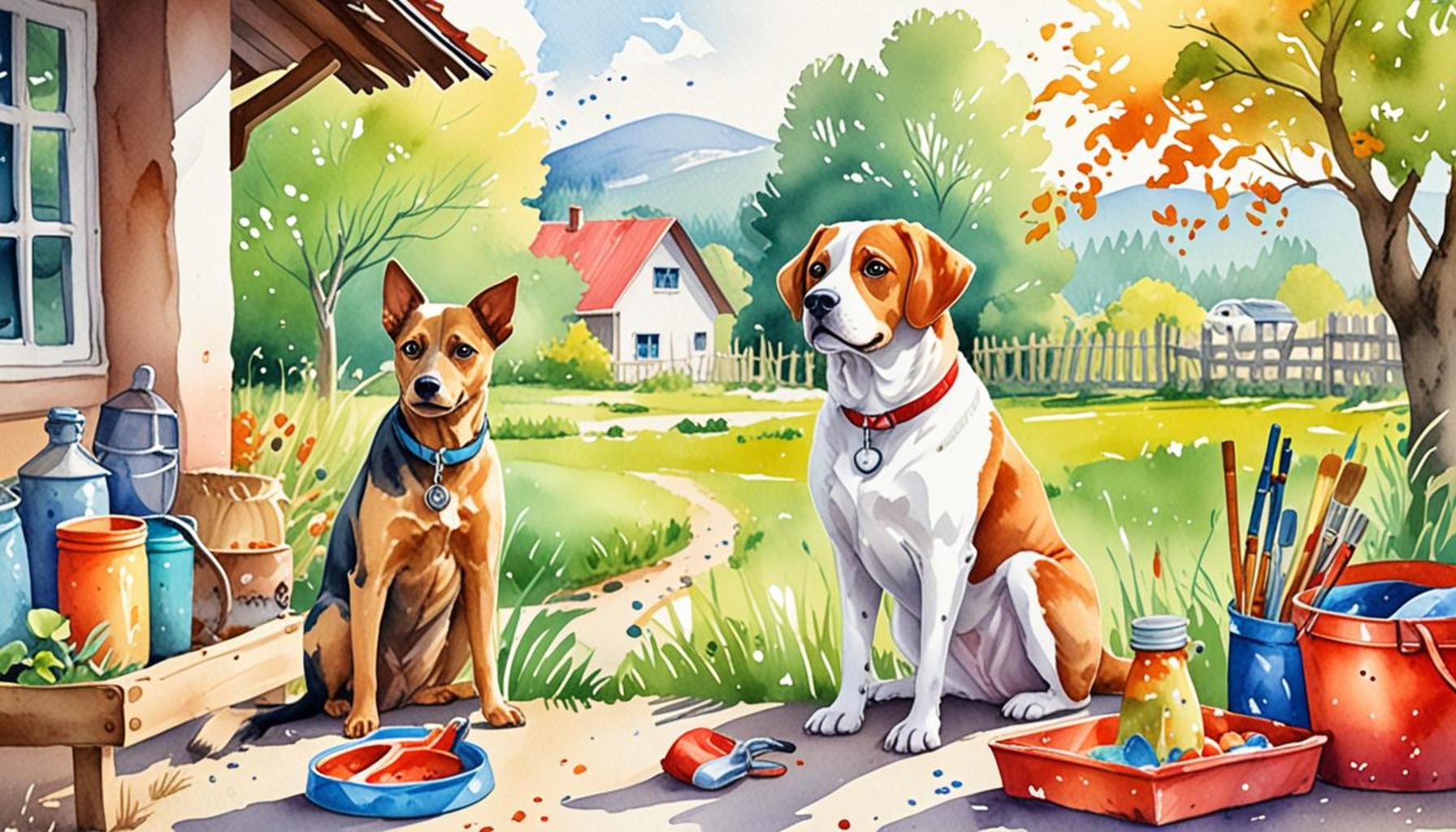
Challenges and Strategies for Training Pets in Rural Areas
Training pets in rural areas requires a thoughtful approach due to the distinctive environment and available resources. The wide-open spaces and varied stimuli can be both advantageous and challenging. Recognizing these factors is essential for developing effective training strategies that resonate with both pets and their owners.
Understanding the Environmental Distinctiveness
Environmental Distinctiveness: Rural settings often provide a unique backdrop for pet training, one that urban settings typically lack. Pets in these areas encounter wildlife such as birds, squirrels, and farm animals, all of which may distract or inspire them. For instance, a dog may instinctively want to chase a rabbit, which means owners must train them to understand commands like “stay” or “leave it.” Additionally, the limitations of unpaved roads and rugged terrains require animals to adapt to diverse surfaces, necessitating training that builds their confidence and agility.
Addressing Limited Resources
Limited Resources: Many rural areas in Nigeria may have fewer professional trainers and training facilities available. This scarcity can be a challenge for pet owners seeking guidance. However, this situation also paves the way for self-directed strategies. Owners can turn to online resources, community groups, and local veterinary practitioners to gather information on effective training methods. Engaging in virtual training sessions or utilizing instructional videos available on platforms like YouTube can provide practical, do-it-yourself solutions that cater to the unique needs of rural pets.
Maximizing Socialization Opportunities
Socialization Opportunities: The rural environment can also serve as a dynamic socialization arena. Pets have the opportunity to interact with various animals, including goats, chickens, and other local pets, enriching their understanding of different species. For example, introducing a puppy to livestock can cultivate a sense of calm around animals they will encounter throughout their lives. It’s beneficial for pet owners to arrange supervised playdates with other pets in the neighborhood, helping their furry friends learn essential behaviors in diverse situations.
By harnessing these factors, pet owners can create engaging training sessions that are tailored to their environment. Utilizing positive reinforcement techniques like treats and praise can motivate pets to learn commands and behaviors. Additionally, incorporating rural-specific commands that reflect local language can further solidify the bond between pet and owner. For example, using phrases from local dialects during training can make the process feel more intuitive and connected to the owner’s culture.

As the saying goes, “A well-trained pet is a happy pet,” and this resonates even more in rural areas where pets are an integral part of daily life. By embracing the unique characteristics of their surroundings, pet owners can nurture strong, lasting relationships with their animals while ensuring they are well-prepared to thrive in their environment. The journey of training your pet in a rural setting not only fosters discipline and respect but also deepens the emotional connection between pet and owner, paving the way for a harmonious coexistence amidst nature.
CHECK OUT: Click here to explore more
Creating a Customized Training Plan
Customized Training Plans: A one-size-fits-all approach doesn’t yield effective results when it comes to training pets in rural areas. Each pet has its own personality, energy levels, and affinity for certain commands or activities. Therefore, developing a customized training plan is crucial. Owners should start by identifying their pet’s strengths and weaknesses. For instance, if a dog exhibits a strong interest in herding behavior, incorporating exercises that allow this instinct to be channeled positively can enhance training sessions. Adaptability is essential; understanding what works for each unique pet leads to meaningful engagement during training.
Utilizing Natural Resources
Natural Resources: Rural environments are often rich with natural stimuli which can be effectively utilized in training. For example, taking pets to open fields can be advantageous for socializing and encouraging independence. Using natural distractions, like birds or squirrels, can also be constructive for teaching commands such as “come” or “stay.” Incorporating elements from the environment—like using tall grasses for scent work or unpaved paths for agility training—allows pets to develop skills that are not only physically stimulating but also mentally enriching.
Implementing Consistent Training Routines
Consistency is Key: Establishing a routine is vital in reinforcing training outcomes. Typically, pets excel when there is a predictable schedule in place. Owners should allocate specific times for training, utilizing consistent language and cues. This consistency helps pets to associate specific commands with actions, fostering a deeper understanding. Here are some strategies to implement effective routines:
- Daily Training Sessions: Set aside at least 10-15 minutes each day for focused training.
- Varied Locations: Rotate training locations within your rural setting to expose pets to different distractions.
- Positive Reinforcement: Employ the use of treats or praise immediately following correct behavior to create positive associations.
- Engage in Play: Incorporate fun activities or games that allow for learning in a relaxed environment.
Moreover, leveraging the natural social structure frequently found in rural communities can further enhance training opportunities. Collaborating with neighbors who own pets can facilitate group training sessions. These gatherings not only allow pets to learn from each other but also promote a sense of community among pet owners, offering mutual support and sharing of effective strategies.
Overcoming Behavioral Challenges
Behavioral Challenges: Rural environments can sometimes present unique behavioral challenges. Fear of wildlife or excessive curiosity about farm animals can lead to anxiety in pets. Identifying and understanding these challenges is the first step toward effectively addressing them. Owners can work on desensitization techniques by gradually introducing their pets to these stimuli in a controlled manner. Ensuring that the dog or cat remains comfortable during exposure will help reduce fear and promote a more balanced temperament. Patience and gradual progression are key components in overcoming behavioral hurdles.
In conclusion, tailoring training strategies to suit the needs of pets in rural environments involves a multifaceted approach. Understanding individual pet personalities, utilizing natural surroundings, maintaining consistency, and addressing any specific behavioral challenges can facilitate effective training outcomes. These efforts not only align with the pet’s psyche but also foster a profound bond between the animal and its owner, enriching rural life in Nigeria.
| Advantage | Description |
|---|---|
| Adaptability to Environment | Training strategies that focus on natural stimuli help pets thrive in rural settings, adjusting to diverse landscapes. |
| Stronger Bonding | Incorporating engaging rural activities cultivates a deeper connection between pets and owners, enhancing loyalty and responsiveness. |
Integrating effective training strategies for pets in rural environments requires an understanding of the unique challenges and opportunities presented by these settings. For instance, utilizing natural terrains, such as fields or woods, as part of training can significantly enhance a pet’s learning experience. With a greater variety of stimuli, pets are more likely to engage actively, improving their adaptability.Furthermore, engaging pets in training that mirrors their everyday environment promotes better behavior and understanding of commands. Incorporating rural activities, such as fetch in an open field, allows for a productive outlet of their energy and further solidifies positive reinforcement techniques. Additionally, it fosters a stronger bond between the pet and owner through shared experiences in a natural setting, creating a holistic training approach. Delving into innovative training techniques specific to rural contexts not only enhances a pet’s learning process but also ensures a fulfilling companionship, tailored to the demands and joys of rural life.
CHECK OUT: Click here to explore more
Engaging in Community Resources and Support
Community Engagement: One of the best resources that rural environments provide is the sense of community. Engaging with local farmers, veterinarians, and pet trainers can lead to valuable insights and shared experiences. Many rural communities in Nigeria are home to informal pet training groups where dog owners can come together to discuss challenges and share strategies. This communal support not only enhances the training process by pooling advice but also promotes accountability among pet owners, ensuring that training routines are maintained.
Utilizing Local Veterinarians and Trainers
Professional Guidance: Local veterinarians often have a wealth of knowledge regarding animal behavior and training techniques that are particularly effective in rural settings. Owners can schedule consultations to understand their pet’s unique needs and receive tailored training advice. Additionally, some rural veterinarians may offer training classes or workshops. For example, a local vet might conduct a seminar on basic obedience training using real-life scenarios familiar to rural pets, such as responding to verbal commands during livestock herding or interacting with farm animals.
Integrating Environmental Safety into Training
Safety First: Training strategies should always consider the safety of pets in rural environments. Animals may encounter various hazards while exploring outdoor spaces, from wild animals to the potential dangers of agricultural tools. Pet owners should train their pets to recognize these dangers; for example, teaching dogs to ‘leave it’ when encountering agricultural machinery will not only protect the dog but also ensure compliance with the owner’s commands in potentially risky situations. Moreover, recognizing local wildlife and the possible threat they pose can inform training methods, helping pets to navigate their environment more safely.
Encouraging Socialization Through Local Activities
Community Events: Participating in local events such as fairs, markets, and agricultural shows can provide excellent opportunities for pet socialization. Bringing pets to these gatherings allows them to encounter various stimuli—sounds, smells, and people—that enhance their adaptability. Rural communities often hold events that are pet-friendly, providing an ideal setting for owners to practice commands with their pets in the presence of distractions. A well-socialized pet is more likely to respond positively to commands when faced with the common excitement and activity of community events.
Developing Extended Training Opportunities
Outdoor Treks and Adventures: Rural areas offer a vast terrain for outdoor adventures that can be effectively woven into training. Activities such as hiking, swimming, or exploring new trails not only provide physical exercise but also open up numerous training opportunities. For example, using these outings to practice “recall” commands in open areas can be highly beneficial. Engaging in activities like tracking exercises on nature walks can also enhance the pet’s ability to follow scents and develop their natural instincts fun while ensuring the pet remains engaged in training sessions.
Furthermore, incorporating local wildlife interactions under controlled conditions—such as introducing birds for chase games or squirrels for agility obstacle courses—can amplify training effectiveness. This type of stimulation not only caters to inherent instincts but also keeps the pet mentally sharp, reinforcing the importance of ongoing developmental training strategies in rural environments.
YOU MAY ALSO LIKE: Read read another article
Conclusion
In rural settings, training strategies for pets must embrace the unique characteristics and challenges of the environment. From leveraging community resources and engaging with local veterinarians to utilizing nearby wildlife for training scenarios, the options available for enhancing pet training are both diverse and rich. Close community ties enable collaborative learning experiences among pet owners, which can foster consistent training practices and motivate accountability. These informal networks can serve as lifelines for shared knowledge, particularly in areas where formal training resources may be limited.
Moreover, implementing safety measures tailored to rural settings ensures that pets can thrive in their surroundings while minimizing risks. Strategies such as teaching essential commands to navigate potential hazards not only protect animals but also build a solid bond between owner and pet through trust and effective communication.
As rural communities frequently hold events, these social opportunities can significantly enhance a pet’s adaptability and sociability. By introducing pets to various stimuli found in communal events, owners can reinforce commands amidst distractions, further solidifying training outcomes.
Ultimately, the integration of wild interactions and environmental explorations enhances both the physical and mental engagement of pets, making the training process enjoyable and productive. Through creative and localized approaches, pet owners in Nigeria can foster well-trained animals capable of navigating both the challenges and joys of rural life. Such strategies not only benefit individual pets but also contribute to the well-being of local communities, leading to happier and more harmonious rural living.
Related posts:
The Importance of Socialization in Dog Training: Steps for a Well-Adjusted Animal
Overcoming Common Challenges in Training Older Dogs: Tips and Strategies
Tips for Training Pets with Limited Resources: Creativity and Innovation
How to Integrate Pet Training into Family Routine
How to Incorporate Safety Commands in Pet Training
The Importance of Consistency in Animal Training: Strategies for Maintaining Discipline

Linda Carter is a writer and pet care expert specializing in pet health, grooming, and wellness. With extensive experience helping pet owners create safe, loving, and enriching environments for their animals, Linda shares her knowledge on our platform. Her goal is to empower readers with practical advice and strategies to ensure their pets thrive and lead joyful, healthy lives.