The Importance of Socialization in Dog Training: Steps for a Well-Adjusted Animal
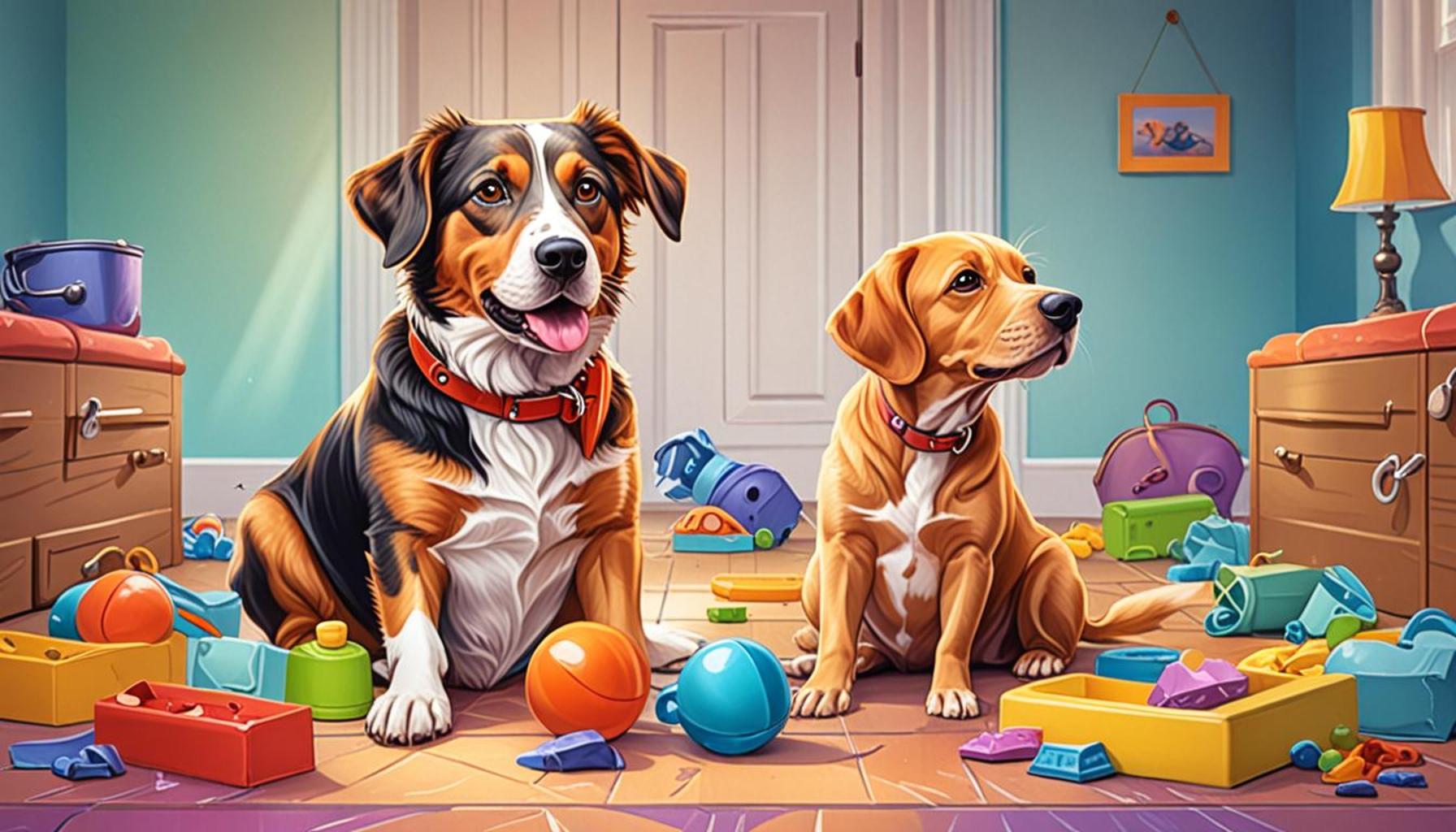
The Niceties of Dog Socialization
Understanding the significance of socialization in dog training can transform your pet into a well-adjusted companion. Socialization helps dogs interact positively with their environment and the people around them. It plays a crucial role in preventing behavioral issues that can arise from fear or anxiety.
In Nigeria, where diverse cultures and lifestyles influence how pets are raised, effective socialization is vital. This is particularly important in cities like Lagos, where busy streets, public transport, and crowded markets present unique challenges and opportunities for socializing dogs. Here are some key reasons why socialization is important:
- Prevents Aggression: Proper socialization helps minimize aggressive behaviors. For instance, a dog that hasn’t been exposed to various stimuli—like the honking of cars or the sound of local music—may react fearfully or aggressively when confronted with these new experiences. Regular visits to local parks can familiarize them with the hustle and bustle of daily life.
- Reduces Anxiety: Dogs exposed to different environments and stimuli from an early age are less likely to experience anxiety. For example, introducing your puppy to a wide range of people, including children, during festive events, such as Eid or Christmas, can strengthen their confidence and comfort level in social settings.
- Enhances Learning: A well-socialized dog learns commands and adapts to new routines more easily. When training commands like “sit” or “stay,” a dog that has interacted with other dogs and people will be more receptive and less distracted, facilitating faster learning and mastery of these commands.
Moreover, socializing your dog supports community safety and cohesion. An amiable dog that is accustomed to meeting new people and other animals contributes to a peaceful coexistence in neighborhoods. This is crucial in densely populated areas, where a reactive dog can be a source of anxiety for owners and strangers alike. For instance, in a community with a mix of pet owners and non-pet owners, a well-socialized dog can bridge the gap and promote a sense of understanding and acceptance among residents.
As we explore the steps for effective dog socialization, remember that patience and consistency are essential. Engaging in proper socialization techniques, such as attending dog training classes or organized playgroups, not only aids in creating a friendly pet but also enriches your lifestyle together.
Ultimately, the rewards of socialization extend beyond improved behavior; they enhance the bond between you and your pet. As you invest time into thoughtfully introducing your dog to the world around them, you are not just nurturing a well-behaved companion; you are also fostering a life full of adventures and shared experiences.
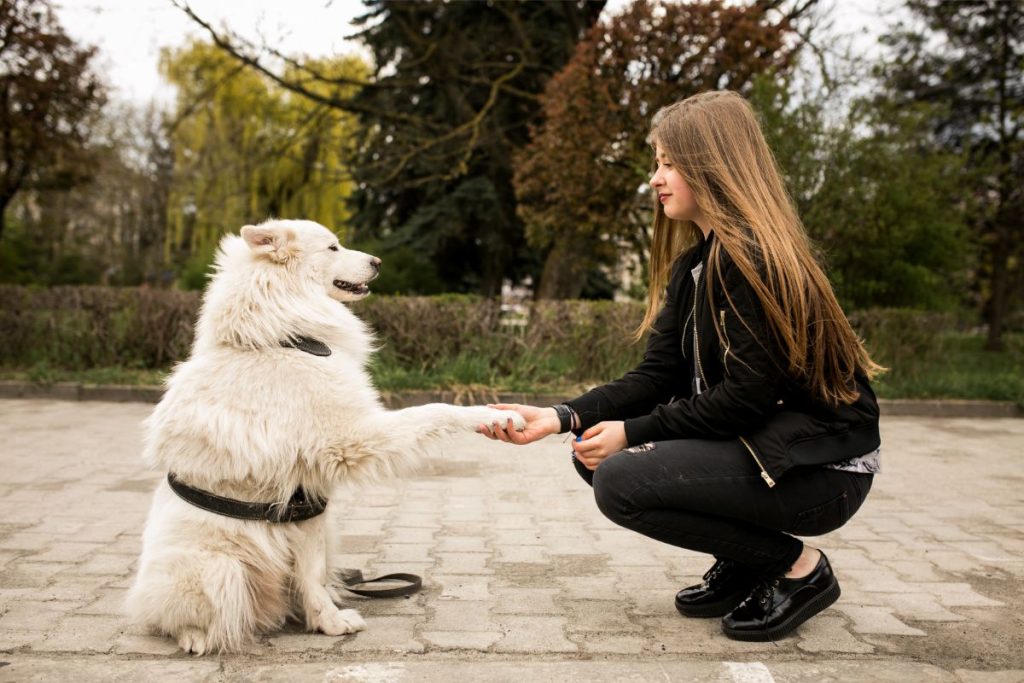
SEE ALSO: Click here to read another article
Building the Foundations of Healthy Interactions
The journey of dog socialization starts from the earliest days of a puppy’s life. This period is crucial; hence, it is often referred to as the “sensitive period for socialization.” A well-socialized dog will not only engage positively with its environment but will also thrive in various social settings, leading to a happier and healthier pet. Here, we uncover essential steps for maximizing the benefits of socialization, ensuring that your dog evolves into a well-adjusted member of your family and community.
One of the core aspects of socialization is exposure. To effectively introduce your dog to different experiences, it’s essential to consider key environments that reflect everyday life in Nigeria. Begin by taking your dog to local markets, bustling public transport stations, and busy streets. Each outing exposes your dog to new sounds, sights, and scents that are vital for their overall development.
- Organized Playdates: Set up playdates with other dogs of varying breeds and temperaments. Engaging with fellow canines in a controlled setting helps teach your dog how to interact appropriately, sniff, play, and learn canine body language.
- Introduction to Diverse People: Encourage your dog to meet a wide range of individuals, from children to senior citizens. This exposure can significantly alleviate potential fears of strangers later on. By ensuring your dog interacts with friendly faces from different backgrounds, you are reinforcing respectful behavior and comfort levels.
- Classical Conditioning: Enroll in puppy training classes that focus on socialization exercises. These classes not only provide professional guidance but also create an environment for multiple dogs to interact, facilitating learning through modeling.
The benefits of such careful socialization efforts extend beyond mere exposure. They involve teaching your dog valuable social skills, which enhance their adaptability. A well-adjusted dog that knows how to engage appropriately with other dogs and humans is less likely to exhibit damaging behavior associated with fear or boredom, making them a joy to have around.
Furthermore, it is important to monitor your dog’s reactions during these socialization experiences. Every dog has its unique personality, and while some may thrive in vibrant settings, others may feel overwhelmed. Watch for signs of stress—such as cowering, growling, or hiding—and adjust your approach accordingly, perhaps by introducing environments more gradually or ensuring they have a safe space to retreat to.
In tightly packed urban environments like Lagos, being able to navigate rubberneckers at busy local events or dodge a bicycle on the street can prevent potential accidents and enhance your dog’s confidence. Therefore, making socialization a priority leads not only to a well-rounded pet but also promotes safety for both your dog and the community.
As you embark on this socialization journey, remember that consistency is key. The more diversified their experiences, the better equipped your dog will be to tackle various situations confidently. In time, the investment of socialization practices will yield a well-adjusted dog that demonstrates social grace and confidence!
| Advantage | Details |
|---|---|
| Improves Behavior | Socializing your dog encourages positive behaviors and reduces aggression. |
| Builds Confidence | Exposure to new experiences fosters a sense of security in unfamiliar environments. |
| Encourages Interaction | Socialization teaches dogs how to interact with other dogs and people effectively. |
| Reduces Fearfulness | Dogs that are not socialized may develop fear-based behaviors that can be corrected through gradual exposure. |
In addition to these advantages, socialization is crucial for developing a dog’s emotional intelligence. Dogs that experience a variety of situations, sounds, and sights during their training are better equipped to handle routine veterinary visits, noisy environments, or encounters with other animals. Furthermore, the critical window for effective socialization typically occurs between 3 to 14 weeks of age. Owners are encouraged to take proactive measures within this timeframe, ensuring their dog can adapt and thrive in various social settings throughout its life.Positive reinforcement techniques during socialization help strengthen desired behaviors, making the training process enjoyable for both the dog and the owner. Engaging in structured classes, playdates with other dogs, or supervised interactions can all contribute to crafting a well-adjusted animal. By prioritizing socialization in your dog’s training journey, you’ll not only enhance their behavioral skills but also create a lifelong companion who feels secure and happy in diverse environments.
ADDITIONAL INSIGHTS: Expand your understanding here
Integrating Socialization into Daily Life
Once the foundational experiences of socialization are established, it’s essential to integrate ongoing socialization into your dog’s daily routine. This approach not only reinforces previously learned behaviors but also provides additional layers of comfort and adaptability in various situations. The benefits of making socialization a part of day-to-day life are immeasurable, contributing significantly to your dog’s emotional stability.
Routine Walks: Daily walks are not just a form of exercise; they represent an opportunity for impactful socialization. Choose diverse routes that expose your dog to different surroundings. From observing street vendors to encountering other dogs and pedestrians, each walk can serve as a mini-adventure. For example, in cities like Abuja or Ibadan, you might encounter local wildlife or even street musicians. Teach your dog to remain calm and attentive in these dynamic situations, which cultivates resilience.
- Utilize Dog Parks: Dog parks are fantastic venues for socialization, providing a controlled yet stimulating environment for dogs to interact freely. By allowing your pet to explore these spaces regularly, you create opportunities for play and camaraderie among a variety of breeds. However, supervision is vital to ensure that all interactions remain positive, discouraging bullying or aggressive behavior.
- Social Outings: Include your dog in everyday activities, such as going to the grocery store or visiting friends. Many areas in Nigeria have dog-friendly cafes and restaurants. These social outings can help deepen your dog’s trust in you and others, while teaching them acceptable behaviors in public places.
- Positive Reinforcement: Reward your dog for calm and appropriate interactions. If they approach another dog gently or remain relaxed around a group of children, use praise or treats as reinforcement. This method encourages repeated positive behavior, building a stronger link between good social manners and rewards.
The role of parental involvement cannot be overstated. Just as children learn from observing adults, dogs take cues from their owners. Ensure that your own social interactions maintain positivity—embrace courteous greetings and respectful communication. Your behavior serves as a model for your dog, influencing their reactions and helping them navigate social landscapes.
Moreover, the importance of early exposure to various stimuli should not be overlooked. Sounds from local festivities, transportation alerts, or even sporadic weather changes can be distressing if not properly dealt with. Consider practicing desensitization techniques by exposing your dog gradually to these stimuli, ensuring it becomes a normal part of their life. For instance, using scenes from local events or festivals can help your canine feel comfortable amidst the vibrance of culture.
Engaging your dog in community events can further establish its social prowess. Whether it’s participating in dog-friendly events, charity walks, or even canine sports, these gatherings allow for positive experiences that transform your dog’s perception of new situations. Over time, these practices will culminate in a well-rounded companion, exuding confidence in diverse settings.
Consistent and varied experiences, combined with your genuine enthusiasm for their social development, lay the groundwork for a fulfilling relationship with your dog. By merging socialization seamlessly into everyday life, you equip your pet to face a multitude of scenarios with optimism and security, ultimately enriching their quality of life and deepening the bond you share.
ADDITIONAL INSIGHTS: Expand your understanding here
Conclusion
In conclusion, the significance of socialization in dog training cannot be overstated. It creates a solid foundation for a well-adjusted animal, enhancing their ability to navigate the world with confidence. By introducing varied experiences from a young age, such as engaging walks, dog parks, and community gatherings, you imbue your pet with the vital skills necessary to thrive in diverse environments. This proactive approach not only aids in temperamental development but also minimizes potential behavioral issues associated with fear and anxiety.
Moreover, your role as a pet owner is crucial. By modeling positive social interactions and responding thoughtfully to your dog’s needs, you cultivate a trusting relationship that maximizes their social aptitude. For dog owners in Nigeria, integrating local culture and environments into your dog’s routine, through exposure to sounds and sights from your community, can significantly bolster their adaptability.
Ultimately, embracing the importance of socialization transforms not just your dog’s demeanor but enriches your companionship. A well-socialized dog will participate more joyously in family events, endure stress with poise, and develop an unwavering bond with you, their owner. Your effort in socializing your dog lays the groundwork for a fulfilling partnership. Take the steps today to ensure your furry friend is equipped with the confidence they need to face new experiences, leading to a harmonious and adventurous life together.
Related posts:
Training Techniques to Reduce Anxiety in Pets
How to Incorporate Safety Commands in Pet Training
How to Integrate Pet Training into Family Routine
How to Use Interactive Toys to Enhance the Effectiveness of Pet Training
Pet Training for Urban Living: Practical Tips for Congested Environments
Positive Training: Effective Techniques for Modifying Pet Behavior

Linda Carter is a writer and pet care expert specializing in pet health, grooming, and wellness. With extensive experience helping pet owners create safe, loving, and enriching environments for their animals, Linda shares her knowledge on our platform. Her goal is to empower readers with practical advice and strategies to ensure their pets thrive and lead joyful, healthy lives.