Training Techniques to Reduce Anxiety in Pets

Understanding Pet Anxiety
Recognizing anxiety in our furry companions is a crucial part of responsible pet ownership. Pets, similar to humans, can experience a range of emotional challenges, and instances of anxiety can manifest in numerous ways. Common behaviors indicative of anxiety include excessive barking, destructive actions towards furniture or belongings, and even emotional withdrawal from social interactions. These behaviors not only affect the well-being of the pet but can also disrupt the harmony of the household.
In Nigeria, the unique climate, busy urban environments, and rapid social changes can contribute significantly to stress in pets. For instance, the sweltering heat may exacerbate feelings of discomfort, leading dogs to bark excessively or seek shelter away from noise and crowds. Busy streets filled with honking cars and bustling crowds can overwhelm pets not accustomed to such stimuli. It becomes essential, therefore, to explore training techniques to reduce anxiety in pets, empowering them with the tools to adapt and thrive in their environments.
Common Signs of Anxiety in Pets
- Excessive barking or whining, especially when left alone
- Destructive behavior, such as chewing on furniture or clawing at doors
- Notable changes in appetite, such as eating less or refusing food entirely
- Shifts in sleep patterns, where pets may either sleep excessively or suffer from insomnia
- Avoidance of interaction, where the pet may prefer isolation or display clinginess towards their owner
Understanding these signs lays a critical foundation for effective training. It is through this understanding that pet owners can begin to implement specific techniques designed to ease their pet’s stress. Acknowledging your pet’s anxiety is the first step toward ensuring they lead a more comfortable, content life.
Exploring Effective Training Techniques
From positive reinforcement techniques to desensitization exercises, various approaches exist to tackle anxiety effectively. Positive reinforcement involves rewarding desired behaviors, which can boost the pet’s confidence and ease anxiety. For example, providing treats or praise when a dog remains calm during a thunderstorm can reinforce their gradual acceptance of the frightening situation.
Desensitization exercises are also vital; this method involves gradually exposing the pet to anxiety-inducing stimuli in a controlled manner, helping them acclimate without becoming overwhelmed. For instance, if loud noises are a source of anxiety, playing recordings of those sounds at low volumes while providing treats can ease their fear over time.
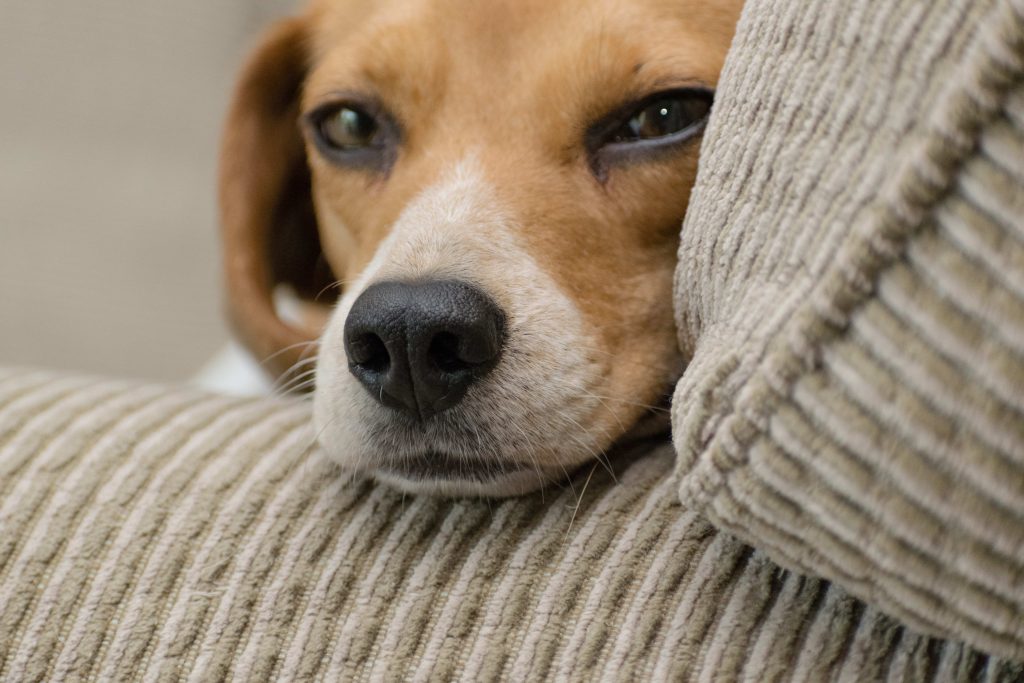
By diving into the realm of training techniques to reduce anxiety in pets, pet owners can equip themselves with essential knowledge and practical tools for better care. It’s worth noting that these methods not only address the symptoms of anxiety but also foster a deeper bond between you and your pet, leading to a healthier relationship. Join us as we uncover practical strategies that can truly make a difference, ensuring that your beloved companion can navigate their world with confidence and joy.
LEARN MORE: This related article may interest you
Effective Training Techniques to Reduce Anxiety in Pets
Implementing targeted training techniques proves to be one of the most effective ways to reduce anxiety in pets, allowing them to flourish in their everyday environments. Many pet owners, particularly in bustling urban areas like Lagos or Abuja, may find that the constant stimuli and noise can contribute significantly to their pets’ unease. By integrating specific training methods that cater to the unique needs of anxious pets, owners can help restore a sense of calm and security.
Positive Reinforcement: Building Confidence
Positive reinforcement is a tried-and-true method that involves encouraging desirable behaviors by rewarding pets for their good actions. This technique is particularly beneficial for anxious pets, as it reinforces their self-confidence while associating positive experiences with situations that may typically induce stress. For example, if your dog shows calmness during a visit to a crowded marketplace, rewarding them with treats or affection can help them feel secure in that environment.
Moreover, incorporating treats that are specific to your pet’s preferences can amplify the effectiveness of this technique. In Nigeria, locally sourced snacks like pieces of boiled chicken or fish can be excellent motivators for dogs and cats alike. The more appealing the reward, the stronger the association your pet will make between behaving calmly and receiving praise.
Desensitization: Gradually Conquering Fear
Desensitization is another vital technique that involves exposing your pet to anxiety-inducing stimuli in a controlled and gradual way. This approach is particularly useful in addressing fears associated with loud noises—like fireworks or thunderstorms—common issues that may affect pets in Nigeria during festive celebrations.
To effectively implement desensitization, start by identifying the source of your pet’s anxiety. If it’s thunder, for instance, begin with low-volume recordings of thunder sounds while simultaneously engaging your pet with play or treats. Gradually increase the volume over several repetitions, ensuring your pet remains calm during each session. Over time, your furry friend can learn to associate these previously scary sounds with enjoyable activities, diminishing their overall fear response.
Socialization: Creating Comfortable Interactions
Another key component in anxiety reduction is proper socialization. Many pets experience anxiety due to a lack of exposure to different people, animals, or environments. In Nigeria’s diverse and vibrant social fabric, it is crucial for pets to build their social skills early on.
- Introduce your pet to a variety of environments—parks, pet-friendly markets, or social gatherings.
- Organize playdates with other friendly pets, ensuring it’s a positive experience for all.
- If introducing new people, allow your pet to approach at their own pace, rewarding calm behavior with treats.
Through gradual exposure, your pet will learn that new situations do not have to be frightening. The key is to make these experiences as enjoyable as possible, helping your animal associate new interactions with positive outcomes.
By exploring these training techniques to reduce anxiety in pets, you can significantly enhance your pet’s quality of life. These methods not only target the anxiety itself but also empower owners and pets to build a stronger, more trusting relationship. Join us as we delve deeper into additional strategies that can help your beloved companion feel secure and content in their surroundings.
| Training Technique | Benefits |
|---|---|
| Desensitization | Gradually exposes pets to anxiety triggers, decreasing fear responses. |
| Counterconditioning | Replaces negative associations with positive experiences, improving emotional response. |
| Positive Reinforcement | Encourages desired behavior through rewards, building confidence over time. |
| Behavioral Modification Techniques | Systematically transforms troublesome behaviors into more acceptable ones. |
Implementing these training techniques can make a significant difference in your pet’s emotional well-being. Exploring these methods, such as desensitization and counterconditioning, provides invaluable tools for pet owners looking to alleviate anxiety. The use of positive reinforcement not only enhances the bond between pet and owner but also promotes a sense of safety for the pet. For those seeking comprehensive solutions, behavioral modification techniques can further aid pets in overcoming fears, ultimately fostering a more relaxed and happy household. Discovering the nuances of each technique will empower pet owners to address anxiety and improve their pets’ quality of life.
SEE ALSO: Click here to read another article
Coping Strategies: Tools for Everyday Calmness
In addition to the primary training techniques that reduce anxiety in pets, there are several coping strategies that can be integrated into your pet’s daily routine to further assist in managing stress levels. These strategies can be customized based on your pet’s unique character and the specific anxiety triggers they exhibit. Incorporating these methods can foster a more tranquil environment for your furry friend.
Creating a Safe Space: A Refuge for Relaxation
A safe space is an essential haven that allows pets to retreat whenever they feel overwhelmed. This area should be a designated spot within your home where your pet can relax without distractions. You can enhance this space by providing comfortable bedding, familiar toys, and even some of your worn clothing to offer them a sense of your comfort.
Consider placing this sanctuary in a quiet area of your home that is away from noise sources, such as crowded living rooms or busy streets. During times of stress—like thunderstorms—encouraging your pets to spend time in their designated safe space can help mitigate their anxiety and provide a sense of security.
Calming Aids: Natural Support for Serenity
Incorporating calming aids can be beneficial alongside training techniques. Many pet owners may consider natural products that can minimize anxiety in their pets. Options like calming collars, which release calming pheromones, can create a soothing atmosphere for pets. Additionally, herbal supplements such as valerian root or chamomile are known for their calming properties and can be integrated into your pet’s diet—particularly if veterinary guidance is sought.
Essential oils, when used safely, can also aid in relaxation. For example, diluted lavender oil can create a calming environment when diffused in your home. Ensure that the essential oils you use are safe for pets, as certain oils can be harmful to them. It is advisable to consult with a veterinarian prior to introducing any new products into your pet’s routine.
Consistency in Routine: Strengthening Security Through Stability
Establishing a consistent daily routine is another important aspect of training that can contribute to reducing anxiety. Pets thrive on predictability, and a well-structured schedule can significantly enhance their sense of safety. Regular feeding times, exercise schedules, and playtime help create a familiar rhythm, allowing pets to know what to expect throughout the day.
- Set specific meal times and stick to them as closely as possible.
- Engage in daily exercise, such as walks or play sessions, at the same time each day.
- Incorporate training sessions into your regular routine, which can provide stimulation and reinforce learning in a controlled environment.
Incorporating these elements into your pet’s life both improves their overall well-being and bolsters their confidence. Understanding that their environment is stable and secure helps to mitigate anxiety-triggering situations.
By combining effective training techniques with intelligent coping strategies, pet owners can empower their beloved companions to overcome feelings of anxiety. These multifaceted approaches not only address the immediate issues but also contribute to a long-term solution, enhancing the overall bond between pets and their owners.
ADDITIONAL INSIGHTS: Expand your understanding here
Conclusion: Together Towards Tranquility
In the quest to enhance the well-being of our beloved pets, understanding training techniques to reduce anxiety is paramount. By integrating core training methods with effective coping strategies, pet owners can create a secure environment that fosters resilience in their furry companions. From establishing a safe space where pets can retreat and feel protected to incorporating calming aids that offer natural support, these practices are essential tools for everyday life.
Moreover, consistency in daily routines plays a critical role as it allows pets to gain a sense of predictability and comfort. This structured approach not only curbs anxiety but also strengthens the bond shared between pets and their owners. As you embark on this journey, remember that each pet is unique and may respond differently to various techniques. Engaging with your veterinarian for tailored advice can be invaluable.
With Nigeria’s vibrant mix of environments—from bustling urban areas to quieter rural settings—adapting training strategies to fit local contexts can enhance their efficacy. By committing to patience and understanding, pet owners can cultivate an atmosphere of tranquility and confidence, ultimately leading to happier and more secure pets.
As we continue to learn about the intricacies of animal behavior, let us strive to prioritize the emotional health of our pets. With perseverance and love, we can explore innovative solutions that not only reduce anxiety but also celebrate the joy that pets bring to our lives.
Related posts:
The Importance of Socialization in Dog Training: Steps for a Well-Adjusted Animal
Positive Training: Effective Techniques for Modifying Pet Behavior
The Importance of Consistency in Animal Training: Strategies for Maintaining Discipline
Developing a Customized Training Program for Animals with Special Needs
How to Use Interactive Toys to Enhance the Effectiveness of Pet Training
How to Incorporate Safety Commands in Pet Training

Linda Carter is a writer and pet care expert specializing in pet health, grooming, and wellness. With extensive experience helping pet owners create safe, loving, and enriching environments for their animals, Linda shares her knowledge on our platform. Her goal is to empower readers with practical advice and strategies to ensure their pets thrive and lead joyful, healthy lives.