The Impact of Pet Adoption on Early Childhood Education: Teaching Responsibility and Empathy
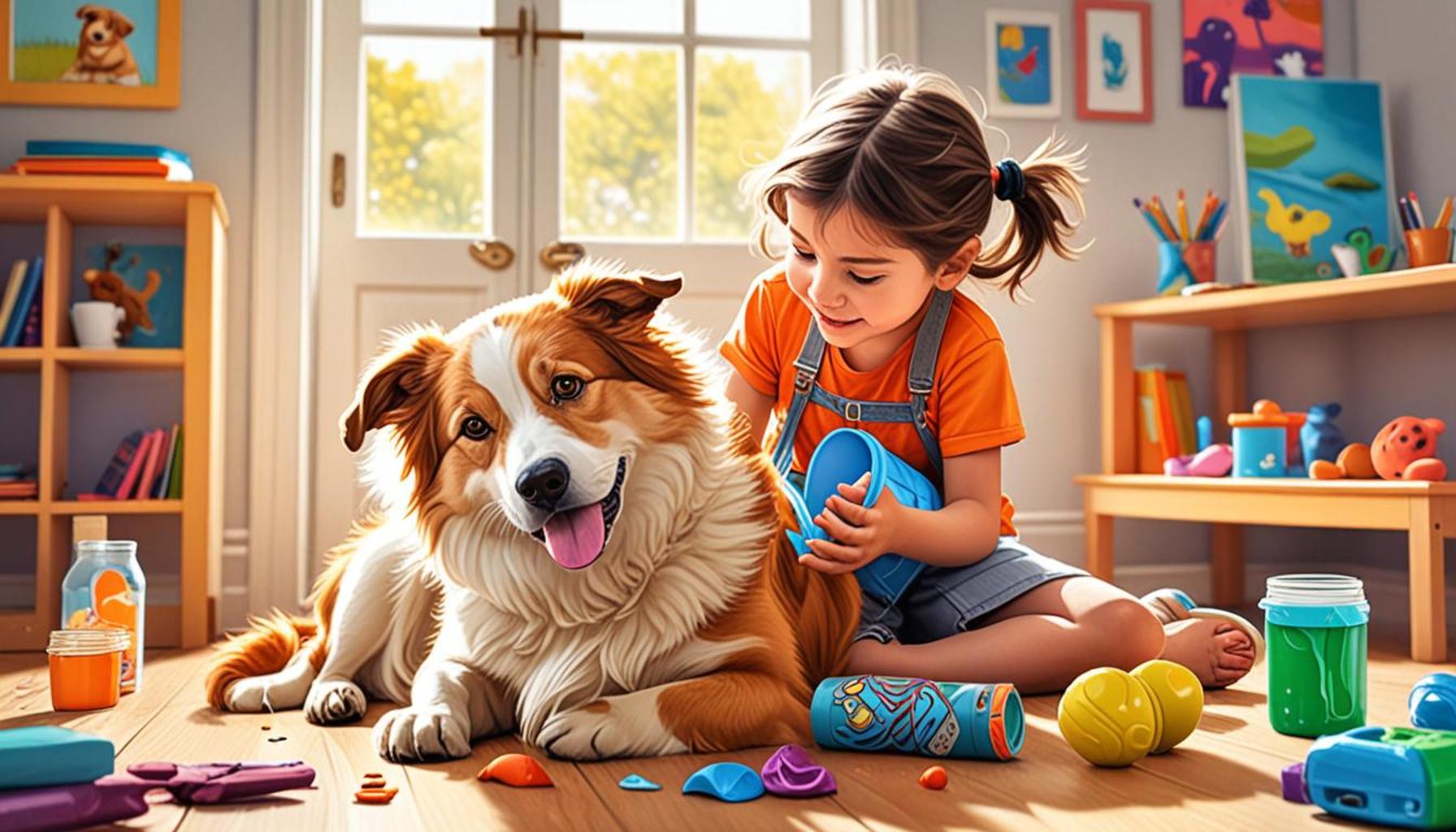
Exploring the Transformative Effects of Pet Adoption on Children’s Education
Welcoming a pet into a family is often seen as a delightful addition, but it is also an opportunity to enrich a child’s learning experience. Adopting a pet involves a multitude of responsibilities that contribute significantly to a child’s personal growth. Through their interactions with animals, children develop not only essential life skills but also the emotional intelligence necessary to thrive in society.
In Nigeria, where pets often occupy a cherished place in households, the integration of pet adoption into educational practices presents compelling possibilities. The unique cultural ties that many Nigerian families have with animals can be leveraged to foster a nurturing educational environment. The incorporation of pets into early childhood education yields several profound benefits:
- Promoting Responsibility: Caring for a pet obligates children to attend to the needs of their animals consistently. This involves a variety of tasks, from feeding and grooming to regular veterinary check-ups. For instance, a child tasked with walking the family dog learns accountability and time management, as they must balance these duties with their schoolwork and playtime.
- Enhancing Empathy: Engaging with animals nurtures a child’s ability to feel and express empathy. For example, when children comfort an anxious pet or cheerfully greet a dog after a long absence, they develop sensitivity toward others’ emotions. This skill is transferable; children who care for animals often apply the same compassion to their peers, creating a more inclusive environment in schools.
- Encouraging Teamwork: Group activities involving pets are fantastic tools for fostering collaboration. When children work together to train a dog or organize a pet day at school, they develop strong communication skills and learn the importance of teamwork. Such experiences are crucial for building interpersonal relationships—skills that are invaluable as they interact with diverse groups throughout their education.
Recent studies have shown that pet ownership significantly reduces behavioral issues in children, suggesting a foundational link between caring for animals and improved social skills. In the Nigerian context, where community and relationships are paramount, these benefits resonate deeply. Educators and parents alike are increasingly interested in innovative strategies that promote emotional and social development in children.
The more we uncover about the synergy between pet adoption and educational advancement, the more we realize the potential this partnership has for shaping a present-day generation. Through responsible pet ownership, children are poised to become more compassionate and accountable citizens, ultimately paving the way for a more empathetic society.
CHECK OUT: Click here to explore more
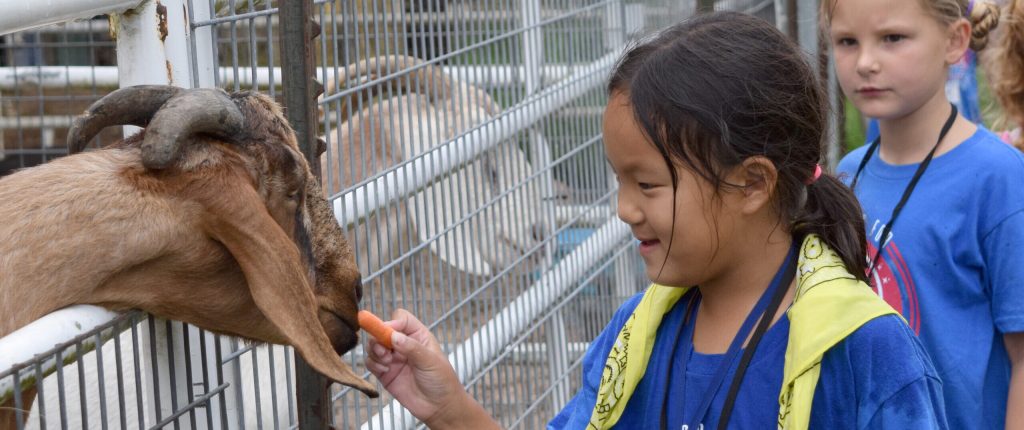
The Role of Pets in Instilling Life Skills in Children
As families across Nigeria welcome pets into their homes, they might not fully recognize the profound learning opportunities that arise from these furry companions. The act of pet adoption transcends simple companionship; it serves as a dynamic tool for shaping a child’s understanding of responsibility and empathy—two core values essential for early childhood education.
Caring for a pet demands consistent attention and effort—elements that are particularly crucial in a child’s developmental phase. Through responsibilities such as feeding, grooming, and exercise, children quickly grasp that animals depend on them for survival and well-being. This realization fosters a sense of accountability that can influence other areas of their lives. For instance, a child learns to prioritize feeding their pet before indulging in playtime, creating a natural system of time management. Studies have shown that children who engage in pet care exhibit higher levels of responsibility, translating to improved academic performance and behavior in school settings.
Furthermore, the act of caring for animals triggers the development of empathy, which is pivotal in establishing healthy relationships. When children witness their pets express fear, joy, or anxiety, they are provided valuable lessons on emotional awareness. For example, a child who comforts a trembling puppy during a thunderstorm begins to understand the importance of compassion. This nurturing behavior often extends beyond their pets and into their interactions with peers, cultivating a more empathetic and understanding classroom environment.
The benefits of pet adoption extend to teamwork as well. Engaging in activities with animals can help foster collaborative skills among children. Educational settings that introduce group tasks, such as training a dog or organizing a pet care workshop, promote critical teamwork and communication skills. Children collaboratively develop strategies to manage and train pets, thereby reinforcing the importance of working harmoniously towards shared goals.
- Responsibility: Tasks such as daily feeding and cleaning encourage accountability in children.
- Empathy: Interactions with pets help children learn to recognize and respond to emotions.
- Teamwork: Group activities involving pets foster collaboration and enhance communication skills.
Moreover, incorporating lessons from pet care into early childhood education can significantly improve social skills. In schools across Nigeria, where community ties run strong, the ability to empathize and work collaboratively is paramount. Children who learn responsibility and empathy through pet adoption are often better prepared to navigate the complexities of social interactions in a community-oriented environment.
As research continues to highlight the positive effects of pet ownership on childhood development, it is becoming increasingly evident that this relationship extends into the educational domain. By focusing on these fundamental values—responsibility and empathy—pets can serve as a catalyst for well-rounded growth in early childhood education.
| Category 1 | Category 2 |
|---|---|
| Responsibility | Children learn to care for a living being, fostering discipline and commitment. |
| Empathy Development | Interacting with pets helps children recognize feelings, enhancing social skills. |
One of the compelling aspects of pet adoption within early childhood education lies in its profound capacity to teach responsibility. When children are entrusted with the care of a pet, they embark on a journey of learning that goes beyond mere feeding and playtime; they develop a sense of duty and accountability. This hands-on experience is invaluable, as it instills principles of reliability and the understanding that living beings depend on them for care and companionship. Such lessons in responsibility can have far-reaching effects, impacting their ability to handle other commitments throughout their lives.Moreover, the influence of pets in nurturing empathy in children cannot be overstated. Engaging with animals provides a unique environment where children can explore emotions—both their own and those of their furry friends. The interactions teach them to recognize signs of distress or happiness in pets, which translates into greater emotional intelligence in human relationships. As children learn to interpret these cues, they develop enhanced social skills and a deeper understanding of compassion. Overall, incorporating pet adoption into educational programs can significantly enrich children’s developmental experiences, steering them toward a future filled with responsible, empathetic individuals. This novel approach could serve as a pivotal change in educational strategies, encouraging educators and parents to explore the lasting benefits of animal companionship in childhood learning.
YOU MAY ALSO LIKE: Read read another article
Enhancing Emotional Intelligence Through Pet Interactions
The significance of emotional intelligence in children’s development cannot be overstated, particularly in today’s increasingly complex social landscape. As we delve deeper into the effects of pet adoption on early childhood education, it becomes clear that pets act as a unique conduit for enhancing a child’s emotional quotient. Through their interactions with pets, children learn crucial aspects of emotional intelligence, such as recognizing and managing their own emotions while understanding others’ feelings.
One fascinating aspect of pet ownership is its potential to reduce anxiety and stress in children. Numerous studies suggest that the presence of animals can have a calming effect, helping a child navigate through the various emotional upheavals that come with growing up. For instance, many Nigerian families have observed that children often confide in their pets, treating them as confidants. This companionship allows children to process feelings of loneliness or sadness, ultimately leading to healthier emotional expressions. Such dynamics could be explored further within classrooms, showcasing how educators can draw parallels between pet care and emotional health.
Taking the lessons learned from pets, children can embark on a journey of self-discovery and emotional awareness. For example, when a child notices that their cat retreats to a quiet corner after being overwhelmed by noise, they learn about emotional responses and the importance of creating safe spaces for others. This vital lesson can translate into their interactions with classmates, as they become more adept at recognizing when peers may need help or support.
Strengthening Family Bonds Through Shared Responsibilities
In Nigeria, where family unity is often emphasized, engaging in pet care can reinforce family bonds. When children participate in caring for pets, parents and guardians can join in the process, offering guidance and support. This interaction not only teaches responsibility and empathy but also creates an invaluable opportunity for family discussions surrounding emotional well-being. For instance, families can bond over shared experiences like taking their dog for a walk in the neighborhood or witnessing the joy a pet brings during family gatherings.
Moreover, these shared responsibilities contribute to the formation of a nurturing environment at home, aligning with the principles of early childhood education. Parents who actively engage in their children’s pet-related activities provide real-life examples of guidance, support, and compassion—values they wish to instill in their children. By collaboratively addressing tasks such as cleaning the pet’s living space or preparing meals, families can create teachable moments that reinforce the lessons of responsibility and empathy.
The Potential of Educational Programs Incorporating Pets
As educators and policymakers recognize the vital role of emotional intelligence in childhood development, incorporating pets into educational programs has taken center stage. Schools in Nigeria are beginning to experiment with policies that promote pet-friendly environments, where pets are utilized as part of therapeutic sessions or as companions for students. Programs designed to educate children about responsible pet ownership can create engaging curricula that deepen children’s understanding of empathy, thereby positively impacting classroom dynamics.
- Emotional Intelligence: Pets help enhance the ability to recognize and manage emotions.
- Family Bonds: Shared pet responsibilities strengthen family connections and foster meaningful discussions.
- Education Programs: Integrating pets into schools promotes learning about empathy and responsibility.
In a society where community and relationships are paramount, these experiences remind us that pets can unlock a broader understanding of human emotion and social dynamics. The benefits of pet adoption thus ripple through not just individual families but can enhance the fabric of communities themselves.
SEE ALSO: Click here to read another article
Conclusion: Fostering Growth Through Pet Adoption
The multifaceted impact of pet adoption on early childhood education is profound and far-reaching. As we’ve explored, pets not only serve as companions but also become integral teachers of responsibility and empathy in young lives. By engaging with animals, children learn to manage their emotions more effectively, which is foundational in today’s emotionally complex society. The calming presence of pets creates a nurturing atmosphere where children feel safe to express their feelings, contributing significantly to their emotional intelligence.
Moreover, the opportunities for familial bonding that arise from pet care extend beyond the immediate household. In Nigeria, where community ties are pivotal, shared responsibilities in pet ownership can enhance family dynamics while promoting discussions about emotional well-being. These experiences forge stronger ties not only within families but also across communities, breeding a culture of compassion and understanding.
Finally, as educational institutions begin to integrate pets into their programs, they unlock potential pathways to enhance empathy and responsibility among students. By creating pet-friendly environments that foster interactive learning experiences, schools can play a crucial role in shaping emotionally literate future generations.
In essence, the lessons learned from caring for pets extend well beyond the home, infusing classrooms and communities with a deeper appreciation for empathy and responsibility. As we embrace these values through pet adoption, we contribute to cultivating a more compassionate society, where understanding and accountability reign supreme.
Related posts:
Puppy vs Adult Pet Adoption Key Considerations to Weigh
Benefits of Adopting Pets with Special Needs and How to Help
International Pet Adoption Challenges Opportunities for Nigerian Families
How Pet Adoption Improves Mental Health Positive Impact Revealed
Adoption of Companion Animals: Cultural and Practical Considerations in Nigeria
Responsible Adoption: How to Ensure a Safe Home for Your New Pet

Linda Carter is a writer and pet care expert specializing in pet health, grooming, and wellness. With extensive experience helping pet owners create safe, loving, and enriching environments for their animals, Linda shares her knowledge on our platform. Her goal is to empower readers with practical advice and strategies to ensure their pets thrive and lead joyful, healthy lives.