Pet Adoption in Rural Communities: Challenges and Opportunities
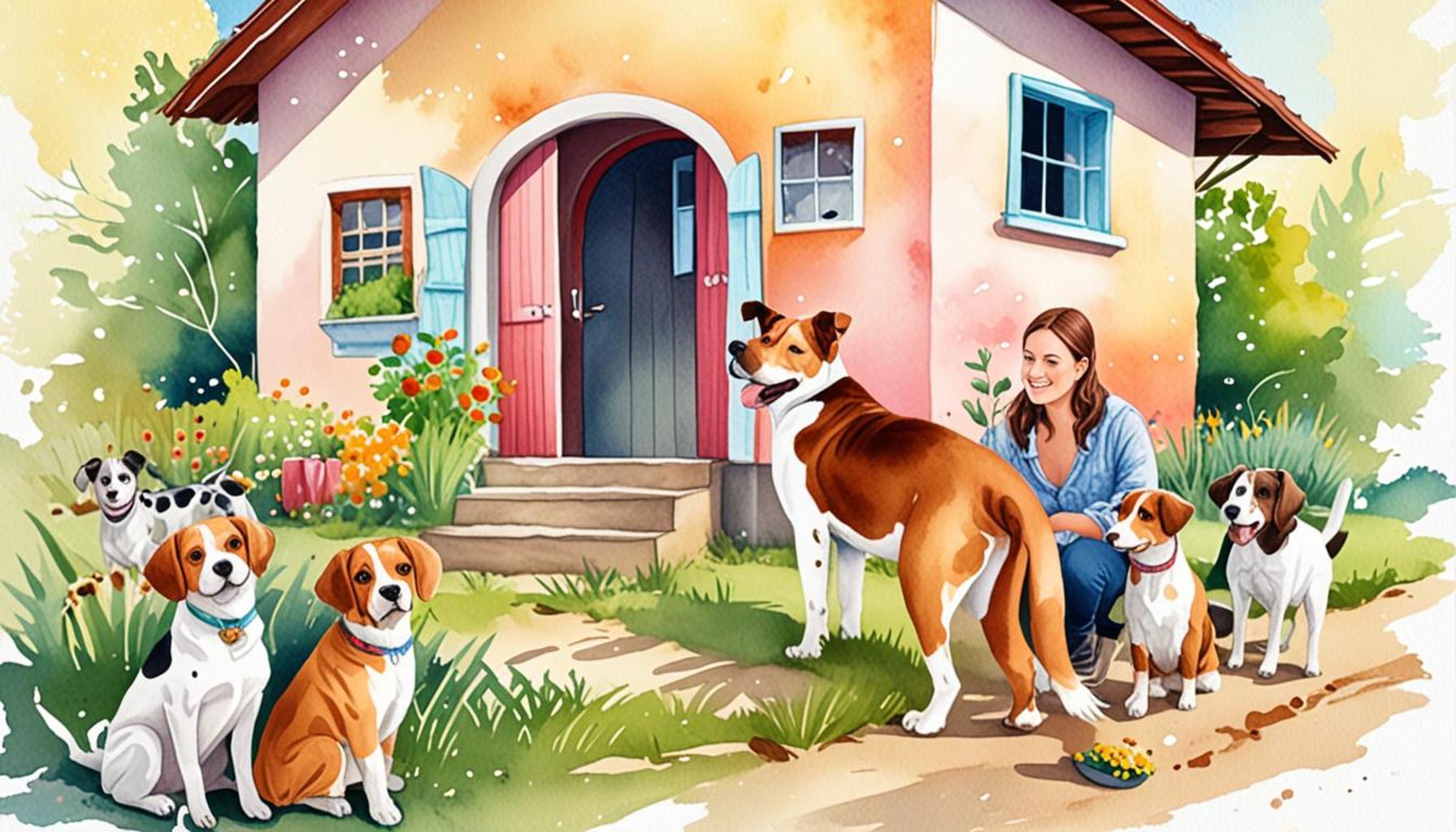
The Dual Nature of Pet Adoption in Rural Nigeria
In rural communities across Nigeria, the bond between humans and animals can be both profound and complex. However, pet adoption presents a unique landscape shaped by varied challenges and remarkable opportunities that deserve exploration. As communities evolve, understanding the intricate dynamics of pet adoption is essential for fostering a more harmonious coexistence with our furry companions.
Challenges Faced in Pet Adoption
One of the greatest challenges in rural areas includes:
- Limited Access to Resources: Veterinary care, shelters, and adoption services are often scarce in rural communities. Many villages lack a nearby veterinary clinic, making routine healthcare for pets a significant concern. For instance, farmers may prioritize the treatment of livestock over pets, leaving cats and dogs without necessary vaccinations or medical attention.
- Low Awareness: Many communities may not fully understand the benefits of pet adoption. Traditional views often prioritize utilitarian roles for animals, relegating pets to secondary importance. As a result, the emotional and psychological benefits of pet companionship are frequently overlooked.
- Cultural Attitudes: Some traditional beliefs may discourage adopting pets, especially in farming communities where animals are viewed primarily as livestock. This perception can lead to a lack of appreciation for the unique and supportive relationships that can develop between humans and their pets.
Opportunities for Growth
Yet, the opportunities for developing a robust pet adoption culture are equally compelling:
- Community Engagement: Local initiatives can foster a culture of compassion and responsibility. Community gatherings can serve as platforms for sharing stories of successful pet adoptions, where positive narratives can shift public perceptions. For example, a local farmer adopting a stray dog that eventually protects his crops can inspire others to consider similar acts of kindness.
- Educational Programs: Raising awareness on responsible pet ownership can transform perceptions and increase adoption rates. Workshops and school programs introducing children to the joys of pet care can build a future generation that values animal companionship. Collaborations with schools can also ensure that children grow up understanding the significance of caring for pets, thus leading to more responsible adults in the future.
- Support from NGOs: Partnerships with non-profit organizations can enhance resources and outreach. Organizations such as the Nigerian Animal Welfare Agency can play a pivotal role in providing veterinary services, educational materials, and adoption events. Their presence can act as a catalyst for change, demonstrating the positive impact that adopted animals can have on community well-being.
Understanding these dynamics is crucial as they pave the way for a better future for both pets and communities. By addressing the challenges while seizing the opportunities, rural Nigeria can cultivate a more empathetic attitude towards pets and enhance the mutual benefits derived from pet relationships. In this article, we will delve deeper into the current landscape of pet adoption in rural Nigeria, uncovering hidden gems of success amidst the challenges faced.
ADDITIONAL INSIGHTS: Expand your understanding here
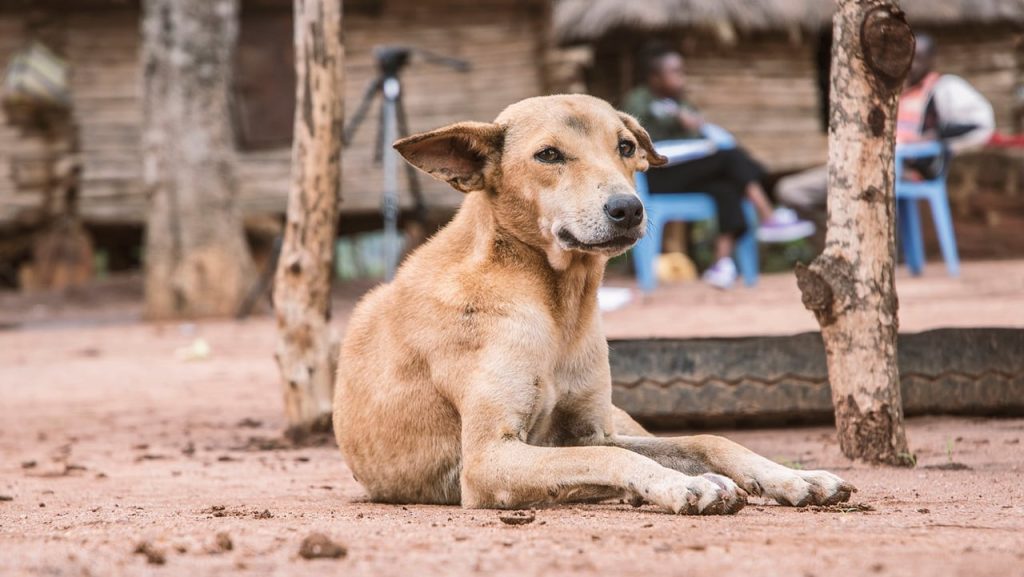
Understanding the Landscape of Pet Adoption
In the vast stretches of rural Nigeria, the landscape of pet adoption is often overshadowed by pressing socio-economic concerns. The intersection of culture, economy, and community attitudes creates a unique setting where the process of adopting pets has vital implications for both animals and families. This complexity is not without its nuances, as the integration of pets into rural life can offer numerous benefits amidst the struggles faced in adoption.
Local Economic Factors
The economic realities in rural communities play a considerable role in shaping pet adoption practices. Many families operate within tight budgets, balancing agricultural responsibilities and household needs. The financial commitment involved in pet ownership, including food, healthcare, and maintenance, often deters families from considering adoption. Moreover, in times of economic hardship, pets may be viewed as an additional burden rather than a source of joy.
A Shift in Perception Required
Addressing the lack of awareness about the joys of pet ownership is essential for fostering a pet-friendly environment. In many rural settings, animals are predominantly regarded as workers or sources of livelihood. The slow acceptance of pets as companions is evident when considering:
- Limited Information Flow: Rural communities often rely on traditional means of communication, which may not effectively spread the benefits associated with pet adoption. The lack of exposure to different lifestyles can render them unaware of how pets can enrich lives beyond mere utility.
- Emotional Barriers: There’s a prevalent notion in rural areas that pets can be more trouble than they are worth. This perspective can be reinforced when potential pet owners recall challenges faced by neighbors or friends, leading to a reluctance to adopt.
- Community Support Systems: Without strong local networks supporting pet adoption, many potential adopters may feel isolated in their decisions. Programs encouraging community-wide engagement are imperative to foster a shift in perspective.
Utilizing Local Success Stories
Spotlighting successful pet adoption stories from within the community can be an effective strategy to inspire change. When families see their neighbors benefit from having pets – be it through emotional support, companionship, or even practical assistance like pest control – the perception of pets can transform. Such stories can act as a beacon, highlighting the mutual benefits derived from these relationships.
As communities begin to explore the potential of a pet-centric culture, the resilience and adaptability of rural Nigerian communities can be leveraged as powerful assets. The narrative surrounding pet adoption is not solely about addressing challenges; it is equally about recognizing opportunities that foster improved human-animal relationships. This journey can serve not only the animals in need but also enrich the lives of those who open their doors to them. In the subsequent sections, we will analyze practical approaches to enhance pet adoption rates and explore initiatives that have shown promise in bridging the gap between challenges and opportunities in rural Nigeria.
| Advantages | Description |
|---|---|
| Community Engagement | Pet adoption initiatives create a sense of community, bringing residents together to support a common cause. |
| Increased Awareness | Educational programs elevate awareness about the importance of animal welfare and responsible pet ownership. |
| Health Benefits | Adopting pets has been shown to decrease stress and provide companionship, improving overall mental health. |
| Economic Opportunities | Local businesses can benefit from increased foot traffic and new services related to pet care. |
Rural communities face unique challenges in pet adoption, yet these same challenges open up numerous opportunities. With limited resources and education, organizations can implement programs that not only facilitate pet adoptions but also enhance community cohesion. By fostering a culture of responsibility towards animals, these initiatives promote an environment where both pets and residents benefit immensely. For example, local adoption events can draw families together, providing a platform to discuss and address the needs of the community’s stray and abandoned animals. This, in turn, opens up avenues for *volunteer work* and potential funding from external sources aimed at animal rescue operations. Additionally, rural areas often have lower adoption rates than urban areas, which suggests that focused outreach and education are essential in harnessing the full potential of pet adoption programs. Organizations can leverage local media and social networks to spread awareness and build a robust support system for these animals, enhancing visibility and encouraging community members to adopt instead of buying pets. Adopting a pet creates a bond and responsibility, enriching both the life of the pet and the owner, thus underscoring the vital link between animal welfare and community health in rural settings.
ADDITIONAL INSIGHTS: Expand your understanding here
Harnessing Community Initiatives and Education
Encouraging pet adoption in rural areas requires comprehensively addressing the challenges identified earlier, particularly through community initiatives and educational outreach. By leveraging local resources, partnerships, and fostering an understanding of responsible pet ownership, rural communities can cultivate an environment that embraces animals as integral family members.
Community-based Pet Adoption Programs
Establishing community-based programs is crucial for driving pet adoption efforts in rural settings. Local organizations can collaborate with veterinary clinics, schools, and agricultural cooperatives to create awareness campaigns aimed at highlighting the benefits of adopting pets. For instance, organizing adoption fairs or showcasing animals in need of a home during village market days can draw attention amidst the bustling community life. These programs should focus not only on finding homes for animals but also on providing essential information on care, training, and health.
Educational Workshops and Seminars
In rural communities, workshops and seminars can play a pivotal role in emphasizing responsible pet ownership. Topics can range from animal care basics to understanding the behavioral needs of different breeds. Engaging local schools in such initiatives can help instill values of empathy and compassion towards animals in the younger population, ensuring a generational change in attitudes towards pet ownership. Additionally, information on the potential emotional and physical health benefits associated with having pets, such as decreased loneliness and increased physical activity, should be disseminated.
Partnerships with Local Influencers
Mobilizing local influencers, such as respected community leaders, traditional rulers, or prominent farmers, can also significantly impact pet adoption rates. Their endorsement can challenge preconceived notions about pet ownership and reshape community attitudes. When these figures share their positive experiences with pets or promote the adoption message, it can resonate deeply and inspire others to follow suit. This strategy has been successfully employed in other regions, proving that social influence can drive cultural shifts.
Utilizing Technology for Greater Outreach
With the increasing penetration of mobile technology in rural Nigeria, digital platforms present a promising avenue for enhancing pet adoption efforts. Creating localized social media groups or websites can facilitate connections between potential adopters and shelters or rescue organizations. Furthermore, these platforms can serve as educational tools, offering tips, resources, and success stories that reinforce the positive aspects of pet ownership. For example, a dedicated Facebook page showcasing available pets, stories of successful adoptions, and tips for care can foster online engagement and grassroots support.
Addressing Health and Veterinary Care Challenges
Another critical element in facilitating pet adoption is improving access to veterinary care and preventive health services in rural areas. Mobile vet clinics that travel to remote locations can deliver essential services such as vaccinations, spaying, and neutering at low or no cost. Informing families about the availability of these services can alleviate fears associated with the financial burden of pet ownership, making adoption a more feasible option for many. Additionally, educating pet owners on basic health care and hygiene practices can ensure that adopted pets lead healthy, fulfilling lives.
As rural communities engage in these strategies, the potential for changes in perception and increased adoption rates becomes palpable. The path to embracing pet adoption as a beneficial facet of rural life is filled with opportunities that can improve not only the welfare of animals but also enrich the lives of families, fostering stronger community bonds and enhancing the overall quality of life.
ADDITIONAL INSIGHTS: Expand your understanding here
Conclusion
In summary, pet adoption in rural communities presents both unique challenges and vast opportunities. From addressing the inherent stigma surrounding pet ownership to harnessing the potential of community collaboration and technology, a multifaceted approach can reshape the narrative of animal adoption in these areas. Promoting awareness through community-based programs, educational workshops, and strategic partnerships can enhance understanding and appreciation for companion animals. These initiatives not only contribute to animal welfare but also promote community cohesion and improve mental well-being among residents.
Moreover, leveraging modern technology in the form of social media and local outreach can break barriers, increasing visibility for adoptable animals and connecting potential pet owners with resources. With initiatives such as mobile veterinary clinics, rural communities can overcome health-related anxieties, making pet ownership more accessible and sustainable.
The potential for growth in pet adoption, when coupled with education and strong community support, can turn rural settings into vibrant homes for animals in need. It is vital for stakeholders, including local governments, organizations, and citizens, to join forces in this endeavor. By fostering a culture of empathy towards animals and emphasizing the profound joys and responsibilities of pet ownership, rural communities can not only transform the lives of countless animals but also enhance their own community spirit.
As we look toward the future, the promise of enhanced pet adoption rates and enriched community lives hinges on our collective commitment to these initiatives. By doing so, we can pave the way for a more compassionate and connected society, where both humans and animals thrive together.
Related posts:
Choosing the Right Pet Breed Key Factors to Consider for Adoption
International Pet Adoption Challenges Opportunities for Nigerian Families
Animal Adoption in Times of Crisis: How the Pandemic Changed the Perception of Pets in Nigeria
The Impact of Pet Adoption on Mental Health and Well-Being of Families in Nigeria
Pet Adoption: Success Stories and Inspiration from Nigerian Families
Pet Adoption Impact How Pets Unite Nigerian Communities Socially

Linda Carter is a writer and pet care expert specializing in pet health, grooming, and wellness. With extensive experience helping pet owners create safe, loving, and enriching environments for their animals, Linda shares her knowledge on our platform. Her goal is to empower readers with practical advice and strategies to ensure their pets thrive and lead joyful, healthy lives.