Options for Adopting Exotic Animals: What You Need to Know
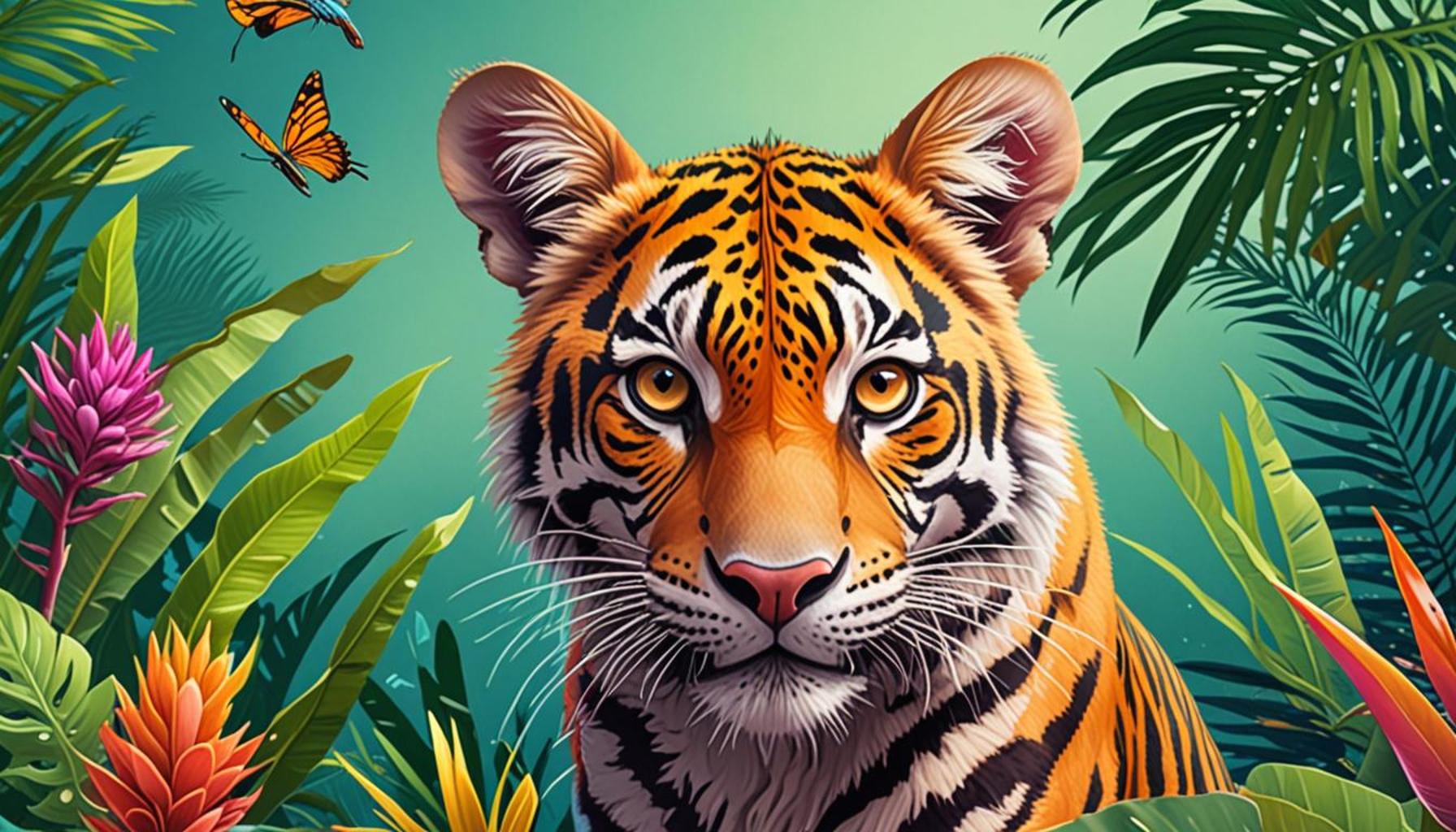
Exploring the World of Exotic Animal Adoption
Adopting an exotic animal can be an exhilarating journey into unique companionship. However, it comes with a responsibility that makes it essential to understand the realities of such choices. The allure of having a rare pet, from colorful parrots to cuddly hedgehogs, can quickly turn into a complex endeavor. While the charm of these animals captures many potential adopters, the commitment involved can be daunting and requires thorough consideration.
What You Should Consider
Before plunging into the world of exotic pets, here are some critical factors to take into account:
- Legal Regulations: Familiarize yourself with Nigeria’s wildlife laws to avoid legal pitfalls. Certain species may be protected under national or international laws, and keeping them as pets might be illegal. For example, adopting native species like certain types of monkeys can lead to significant legal consequences, including fines or confiscation.
- Care Requirements: Exotic animals often have specific dietary needs, habitat conditions, and social requirements. For instance, a sugar glider requires a specialized diet rich in fruits and insects, along with ample space for exercise and social interaction. Researching these needs is vital for ensuring the well-being of your potential pet.
- Financial Commitment: Animal care can be expensive. In addition to the cost of the animal itself, consider ongoing expenses such as veterinary bills, which can vary significantly depending on the species. Supplies, such as specialized cages, food, and enrichment toys, should also be factored into your budget.
In Nigeria, the appeal of exotic pets has risen, in part thanks to social media showcasing vibrant and unique animals. From reptiles like ball pythons to mammals like capuchin monkeys, the options are vast. Each species presents its own set of unique challenges, making it crucial to weigh the pros and cons carefully before making a commitment. Moreover, the exotic pet market in Nigeria can differ greatly from other countries, necessitating additional vigilance regarding the animals’ origins and ethical implications.
Common Exotic Pets
- Parrots: Known for their striking colors and vocal abilities, parrots can be incredibly social and intelligent companions. However, they require social interaction and mental stimulation to thrive.
- Sugar Gliders: These small marsupials are known for their gliding ability and playful nature. They bond closely with their owners but require a significant time investment for socialization and care.
- Ball Pythons: As one of the more popular pet snakes, ball pythons are relatively low-maintenance but require specific habitat conditions, including temperature and humidity control.
Understanding the implications of adopting an exotic animal can lead to a rewarding experience. Each potential pet demands a unique approach to care, socialization, and habitat management, which ultimately shapes the pet-owner relationship. As the interest in exotic pets continues to grow in Nigeria, the importance of responsible adoption cannot be overstated. By diving deeper into this complex world, you may uncover not only a thrilling adventure but also a profound appreciation for the responsibilities that come with being a pet owner.
ADDITIONAL INSIGHTS: Expand your understanding here
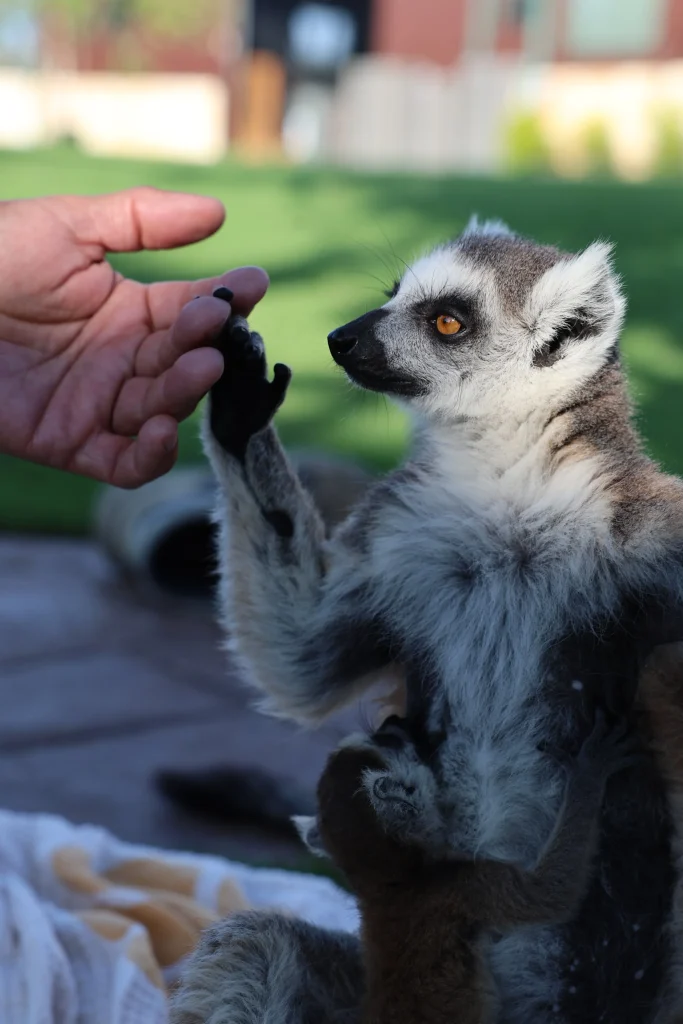
Critical Factors in Exotic Animal Adoption
When considering the adoption of an exotic animal, it’s paramount to delve deeper into the nuances that set these pets apart from traditional domestic animals. The path may appear enchanting, yet several complexities lie beneath the surface. Understanding the specific needs and responsibilities associated with various species is crucial, not just for the animal’s welfare but also for your own well-being as a pet owner.
Research Available Options
The vast world of exotic pets offers a plethora of choices. While many individuals may immediately think of common exotic species, it’s essential to expand your search to discover less conventional options that may suit your lifestyle better. Here are some exotic pet choices prevalent in Nigeria:
- Macaws: Known for their vibrant plumage and sociable nature, macaws can form strong bonds with their owners. However, they demand a significant amount of attention and care, making them better suited for experienced pet owners.
- Fennec Foxes: The fennec fox, with its remarkable oversized ears and playful disposition, has gained popularity as a unique pet. Though captivating, these animals require a substantial amount of space and specific environmental conditions to thrive.
- Reptiles: From geckos to bearded dragons, reptiles can be intriguing companions. Each species has defined habitat requirements that must be met to ensure their health and happiness.
- Hedgehogs: Small and low-maintenance, hedgehogs have caught the interest of many in Nigeria. Though adorable, they also require a suitable environment, diet, and regular interaction to become accustomed to human companionship.
It’s essential to weigh the appeal of these animals against the responsibilities they entail. Each exotic pet comes with its own set of challenges, including dietary needs, habitat specifications, and social interaction requirements. Before making a commitment, it’s advisable to spend time researching not just the species but also the individual animal’s background and temperament.
Assessing Your Living Environment
These enchanting creatures often have specific habitat needs that can’t be overlooked. For instance, large birds like macaws need ample space to fly and be active, while reptiles typically require controlled climates. Assessing whether your living environment can accommodate an exotic pet is a crucial step in the decision-making process. Are you prepared to create a safe and stimulating space? Can you handle the potential mess and noise that certain species might bring? These are vital questions that prospective adopters should ask themselves.
Furthermore, keep in mind that certain exotic animals are nocturnal and may be more active during the night, which might affect your lifestyle if you’re an early riser. Understanding their natural behaviors can aid you vastly in determining whether the animal would be a good fit for your household.
In conclusion, adopting an exotic animal is not just about choosing a rare pet; it’s about making an informed decision that benefits both you and the animal. The journey into exotic pet ownership requires thorough research, financial preparation, and a fully equipped living space to ensure a long-lasting and fulfilling relationship. As you navigate this exciting realm, ensuring that you have all the essential knowledge will empower you to make the best choice possible.
| Category | Details |
|---|---|
| Legal Considerations | It is crucial to understand the legal regulations in your area regarding exotic animal ownership, as many regions have strict laws. |
| Animal Welfare | Adopting exotic animals often involves understanding their specific needs for habitat, diet, and social interaction, which is vital for their well-being. |
In the midst of increasing interest in the unique and often colorful world of exotic pets, prospective owners must navigate a myriad of factors before making a decision. For instance, understanding the legal considerations surrounding exotic animal adoption cannot be overstated. Laws vary widely by location—some regions prohibit ownership entirely, while others require permits or impose restrictions on the types of animals that can be owned, which can influence a potential adopters’ choices significantly. Furthermore, adopting an exotic animal comes with profound responsibilities. Understanding the animal welfare aspects is critical; many exotic animals require specialized care that goes beyond what typical domestic pets need. Their habitats must mimic natural environments, and their dietary needs can be complex, affecting not just their health but their behavior as well. This knowledge is essential to ensure the health and happiness of these fascinating creatures. This exploration into the responsibilities of adopting an exotic animal fosters a more informed community dedicated to their well-being.
LEARN MORE: This related article may interest you
Legal Considerations in Exotic Pet Ownership
Before considering the adoption of an exotic animal, it’s essential to familiarize yourself with the legal regulations concerning such pets in Nigeria. The legal landscape regarding exotic pets can vary significantly across regions and municipalities, and some species may be prohibited outright due to conservation laws or safety concerns. For instance, animals classified under the Wildlife Conservation Act are protected, which means that owning certain types of monkeys or big cats is illegal.
Moreover, specific licenses or permits may be required to own exotic pets, particularly endangered species. It’s crucial to check with local authorities or wildlife conservation agencies to get the latest information on regulations. Those seeking to adopt an exotic animal should keep in mind that many countries, including Nigeria, have laws designed to protect both the animals and the public. Becoming an informed owner begins with understanding these legal boundaries.
Your Commitment to Care
Exotic pets can live for many years, sometimes even decades, which places a long-term commitment on their owners. As a potential pet parent, you must consider not only the lifespan of an exotic animal but also the ongoing care and expenses associated with it. For example, macaws may live for 50 years or more, demanding a consistent level of care throughout their lives, including social interaction, mental stimulation, and specialized diets.
Budgeting for an exotic pet involves more than initial adoption fees. Potential veterinary care costs are typically higher for exotic animals than for domestic pets. Specialized veterinarians may be necessary, and regular check-ups can accumulate significant costs. Additionally, obtaining high-quality food, suitable habitat modifications, and enrichment tools like toys can further strain your finances.
Building a Support Network
Having a strong support network can be invaluable in the journey of exotic pet ownership. This network may include fellow exotic pet owners, veterinarians specialized in exotic animals, and conservation organizations. Joining forums, attending workshops, and connecting with local animal groups can provide access to knowledge and support, ensuring that you possess the resources to provide appropriate care.
Engaging with a community of like-minded enthusiasts can offer insights into the best practices for nurturing exotic pets. Whether through social media or local organizations, sharing experiences and learning from others can enhance your ability to navigate the unique challenges of exotic animal care.
Crisis Management and Rehoming
Even when well-prepared, unexpected life changes can necessitate a reevaluation of your ability to provide for an exotic animal. It’s crucial to think ahead about what steps to take if you can no longer care for your pet. Rehoming an exotic animal can be a complicated process; it’s not simply a matter of finding a new owner. Special care must be taken to ensure the new home meets the animal’s needs and is compliant with local laws.
Always seek out reputable rescue groups or shelter facilities that specialize in rehoming exotic animals. Establishing an open dialogue about the needs and background of the animal in question is paramount. Additionally, take the time to screen potential adopters to ensure they are capable and prepared for the responsibilities involved in caring for an exotic pet.
YOU MAY ALSO LIKE: Read read another article
Conclusion: Embracing the Journey of Exotic Pet Ownership
Adopting an exotic animal can be a captivating and rewarding venture, but it is essential to approach this responsibility with due diligence and awareness. As outlined, legal considerations are imperative; understanding the regional regulations and restrictions not only safeguards you but also ensures the well-being of the species involved. The importance of a long-term commitment to care cannot be overstated, as these animals often require much more than what is typically expected of traditional pets, including specialized diets and tailored habitats.
Moreover, building a supportive community can significantly enhance your experience, providing you with invaluable resources and connections that promote responsible care and best practices. Engaging with fellow owners, conservationists, and specialized veterinarians can help you navigate the complexities of exotic pet ownership.
Finally, the reality of crisis management and rehoming should not be overlooked. It is crucial to have a well-thought-out plan should circumstances change in your life that affect your ability to care for your exotic pet. This foresight not only protects the welfare of your animal but also reflects a conscientious approach to pet ownership.
In summary, while adopting an exotic animal can bring immense joy and enrichment to your life, it demands careful consideration, comprehensive knowledge, and unwavering commitment. By remaining informed and responsible, you can embark on a fulfilling journey that respects both the needs of your new companion and the broader ecosystem in which they belong. For prospective exotic pet owners in Nigeria, taking these steps will ensure that your experience is positive and rewarding.
Related posts:
Exploring Pet Adoption Options in Nigeria Find Your Perfect Companion
Pet Adoption in Rural Communities: Challenges and Opportunities
Pet Adoption: Success Stories and Inspiration from Nigerian Families
Puppy vs Adult Pet Adoption Key Considerations to Weigh
The Importance of Pet Adoption in Community Events: A Practical Guide
The Impact of Pet Adoption on Early Childhood Education: Teaching Responsibility and Empathy

Linda Carter is a writer and pet care expert specializing in pet health, grooming, and wellness. With extensive experience helping pet owners create safe, loving, and enriching environments for their animals, Linda shares her knowledge on our platform. Her goal is to empower readers with practical advice and strategies to ensure their pets thrive and lead joyful, healthy lives.