Adoption of Companion Animals: Cultural and Practical Considerations in Nigeria
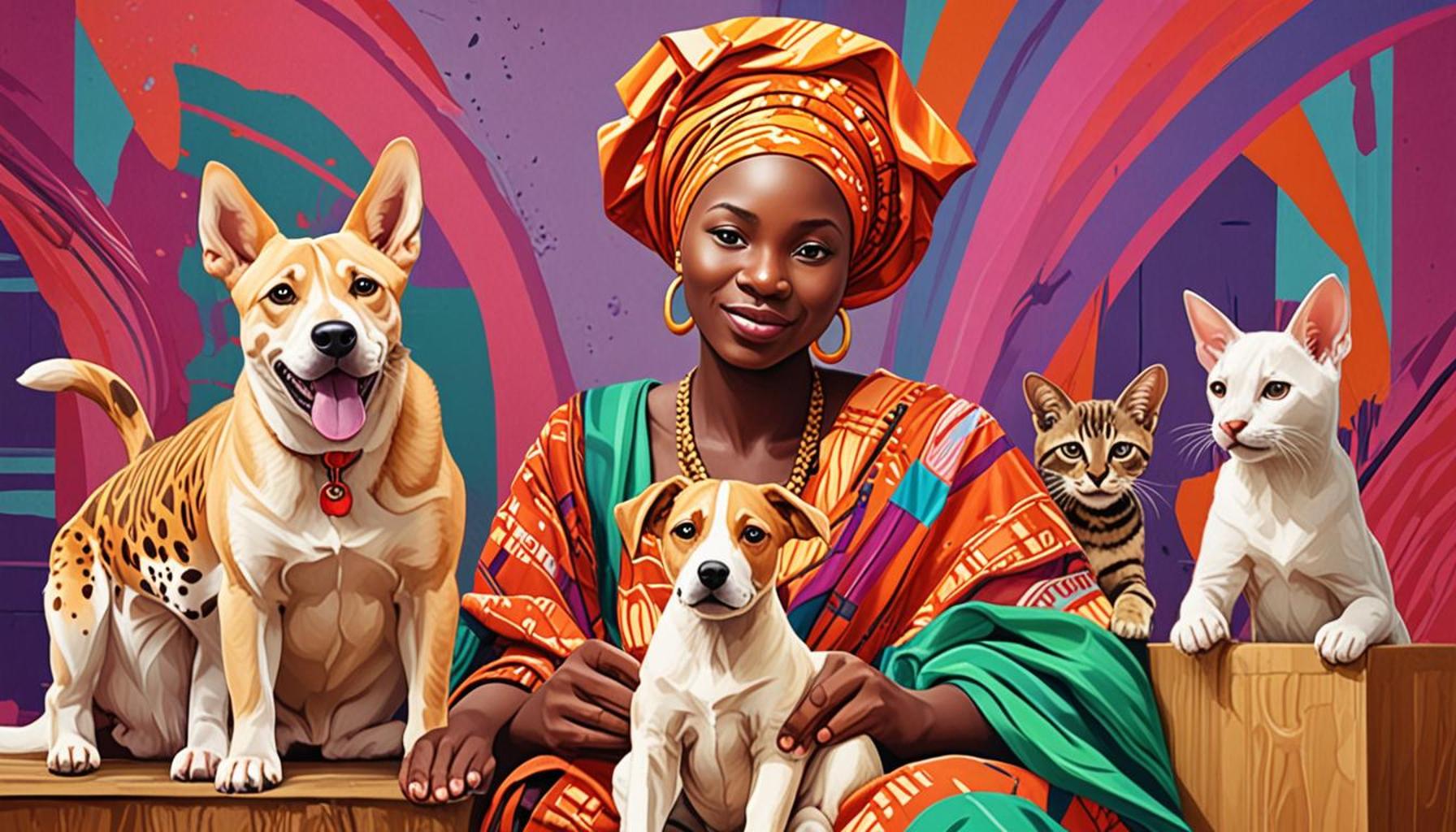
The Growing Trend of Pet Adoption in Nigeria
In recent years, Nigeria has witnessed a remarkable shift in attitudes toward companion animals, as more individuals and families consider adopting pets. This growing interest signifies a deeper cultural transformation, highlighting the evolving perceptions of the role that animals play in society. With more urban residents exposed to global trends through social media and travel, the perception of pets is steadily changing from that of mere working animals to cherished family members.
- Historical Roots: Historically, in many Nigerian communities, animals such as dogs, goats, and birds were viewed primarily as working creatures, serving specific purposes like herding livestock or providing security. For instance, traditional dog breeds like the Nigerian Mastiff were primarily used for guarding homes and livestock. This functional relationship often neglected the emotional bond that can develop between humans and their pets.
- Changing Dynamics: The rapid urbanization of Nigeria has brought with it exposure to diverse lifestyles and the concept of pets as companions. For example, young professionals in cities like Lagos and Abuja are increasingly adopting dogs and cats as companions rather than mere pets. Social media platforms are teeming with influencers showcasing their pets’ day-to-day lives, effectively normalizing the idea of pet ownership as an enriching experience.
- Health Benefits: Increasing studies reveal that having pets can significantly enhance mental and physical well-being. For instance, research has shown that pet owners often experience reduced stress levels and improved emotional health. Moreover, pets encourage physical activity, which is crucial in urban settings where a sedentary lifestyle is common. This contributes not only to individual well-being but also fosters stronger family ties and community connections.
As more Nigerians consider adopting companion animals, a wide array of factors come into play in influencing this pivotal decision.
- Cultural Attitudes: Cultural acceptance of pets varies widely across regions and religions in Nigeria. While urban areas tend to embrace pet ownership, many rural communities may still adhere to more traditional perspectives. For instance, some religious groups view pets as unclean, impacting their followers’ willingness to adopt them.
- Practical Challenges: Accessibility to affordable veterinary services is a significant obstacle. Many potential adopters express concerns over the costs of vaccinations, regular check-ups, and emergency care. Furthermore, a general lack of awareness regarding proper pet care can deter individuals from adopting, emphasizing the need for educational initiatives.
- Legislative Framework: A clear understanding of the laws surrounding animal welfare is paramount for potential adopters. There are ongoing discussions about the establishment of more comprehensive animal rights laws in Nigeria, which would govern pet ownership and adoption processes. Such legal frameworks can help ensure the well-being of companion animals and hold owners accountable.
By exploring these cultural and practical considerations, it becomes evident that the landscape of pet adoption in Nigeria is both challenging and filled with opportunities. The growing movement toward recognizing pets as integral members of families signals a future where compassionate and informed pet ownership can flourish across the nation. With proper initiatives, society may soon embrace an era where the bond between humans and animals is celebrated and respected, enhancing lives on both sides of the spectrum.
LEARN MORE: This related article may interest you
Cultural Attitudes Toward Companion Animals
The cultural landscape of Nigeria is as diverse as its population, and this diversity greatly influences the adoption of companion animals. In many urban settings, there is a rapidly progressing acceptance of pets as integral family members, while in some rural communities, traditional beliefs still dominate perceptions regarding animal ownership. These differing cultural attitudes shape the pet adoption narrative across the country.

- Regional Variations: In cities like Lagos and Port Harcourt, increasing affluence and exposure to Western lifestyles have opened the door for pet adoption. Urban dwellers are beginning to embrace the emotional and social benefits that pets can provide. In contrast, in rural areas, animals may still be primarily viewed as workers or guardians, leading to a hesitance in adopting pets for companionship. This dichotomy illustrates a significant cultural divide in the understanding and appreciation of companion animals.
- Religious Beliefs: Certain religious communities maintain perspectives that view pets as unclean, particularly in regions heavily influenced by Islamic practices. This religious context can deter potential pet owners from adopting animals, as many may fear the social stigma associated with pet ownership. Educating these communities about the potential benefits of pet companionship is essential to changing these entrenched views and encouraging adoption.
- Emotional Connections: As more Nigerians connect with global trends through social media, there is a growing recognition of the emotional bonds that can form between pets and their owners. Heartwarming images and stories of pets being treated as family members flood platforms like Instagram and Facebook, inspiring many to think about how adopting a companion animal could enhance their lives. It is not merely a trend but a transformative mindset that highlights the value of caring for and nurturing a pet.
Practical Challenges When Adopting Pets
While cultural shifts are essential, practical barriers still exist that can deter individuals from adopting companion animals in Nigeria. These obstacles range from financial concerns to a lack of resources and support.
- Financial Constraints: The cost associated with pet ownership, including food, veterinary care, and grooming, can be prohibitively expensive for the average Nigerian household. Many potential adopters worry about ongoing expenses, which may discourage them from taking the leap into pet ownership.
- Veterinary Services: The availability of affordable and reliable veterinary services is a significant issue. In many areas, there are limited options for pet care, making it difficult for pet owners to provide necessary medical attention. This lack of accessible veterinary care raises concerns about animal welfare and the long-term wellbeing of adopted pets.
- Education and Awareness: A general lack of awareness surrounding proper pet care practices further complicates the adoption landscape. Many potential pet owners may not feel adequately informed to confidently welcome a pet into their home. Educational initiatives aimed at teaching communities about responsible pet ownership can play a pivotal role in overcoming these barriers.
As Nigeria embarks on this journey toward greater acceptance and adoption of companion animals, understanding these cultural attitudes and practical challenges can inform strategies that foster successful pet ownership experiences. By bridging cultural gaps and addressing practical concerns, Nigeria has the potential to create a thriving environment for companion animals and their human counterparts alike.
| Cultural Benefits | Practical Benefits |
|---|---|
| Social Integration | Enhanced emotional well-being |
| Foster community engagement | Motivates regular exercise |
The adoption of companion animals in Nigeria presents multifaceted cultural benefits. Primarily, these animals aid in fostering social integration within communities. For instance, pet owners often participate in community gatherings centered around animal care, creating a sense of belonging and shared responsibility. This enhances interpersonal relationships, while also breaking barriers among people from different backgrounds.On the practical side, companionship through pets significantly contributes to improved emotional well-being. Studies indicate that the presence of dogs or cats can effectively reduce stress levels and alleviate symptoms of anxiety and depression. Furthermore, owning pets naturally encourages regular exercise, as dogs, in particular, require frequent walks, which in turn can improve the owner’s physical health and encourage a more active lifestyle.Additionally, appreciating the unique bond that human-animal relationships foster sheds light on the vibrancy of Nigerian culture. The reciprocal dynamics of caring for a pet not only enrich individual lives but also pave the way for discussions on more comprehensive animal welfare practices in the country. This exploration of both the cultural and practical considerations not only promotes awareness but also stimulates deeper engagement in the subject of companion animal adoption in Nigeria.
LEARN MORE: This related article may interest you
Legal and Structural Considerations in Pet Adoption
As Nigeria grapples with evolving perceptions of companion animals, legal frameworks and structural considerations regarding pet adoption play a vital role in shaping the landscape. Understanding the existing legal stipulations, while also recognizing the need for infrastructural improvements, can help bolster the movement for widespread adoption of pets across the nation.
- Pet Ownership Laws: The legal context surrounding pet ownership in Nigeria is somewhat ambiguous, with no comprehensive national policies regulating animal welfare or adoption procedures. Local ordinances often vary from one state to another, leading to a patchwork of laws that can confuse prospective pet owners. Common issues include registration processes, vaccination requirements, and prohibitions against certain breeds. Advocates highlight the need for standardized laws that promote responsible pet ownership while ensuring the welfare of animals.
- Animal Welfare Organizations: Various non-governmental organizations (NGOs) and grassroots initiatives work tirelessly to enhance the status of pets in Nigerian society. Organizations like the Nigerian Society for the Prevention of Cruelty to Animals (NSPCA) promote welfare standards and assist in rescuing and rehoming abandoned animals. These groups play a crucial role in educating the public and advocating for more effective animal policies. Collaborations between the government and these organizations could forge pathways toward establishing better regulations for pet adoption.
- Transport and Infrastructure: In many Nigerian cities, inadequate infrastructure presents significant hurdles for prospective pet adopters. Public transport systems typically do not accommodate pets, making it challenging for individuals to travel to adoption centers or veterinary clinics. The establishment of pet-friendly transport options, along with the availability of adoption fairs and community outreach programs, could greatly facilitate the process, encourage more adoptions, and ultimately contribute to an increase in responsible pet ownership.
Social Implications of Pet Adoption
Adopting a companion animal goes beyond personal enrichment; it holds broader social implications that can enhance community dynamics. Examining these sociocultural impacts provides insight into how the adoption of pets might influence societal norms in Nigeria.
- Community Building: Pet ownership can forge strong social bonds among individuals, creating opportunities for community engagement. Pet owners often form networks with one another, facilitating social interactions at parks, pet-specific events, and online platforms. These connections not only contribute to mental well-being but also encourage a spirit of togetherness, potentially leading to a reduction in social isolation within communities.
- Gender Roles and Responsibility: In many cases, pet ownership presents an opportunity to challenge traditional gender roles. As more women are seen actively adopting pets, it can be a step towards emphasizing shared responsibilities within households. Furthermore, young people are increasingly embracing pet adoption, leading to shifts in how younger generations view companionship and responsibility. This evolving interaction within families can cultivate a more progressive understanding of shared care for dependent creatures.
- Poverty and Animal Welfare: The juxtaposition of poverty and companion animal adoption is an interesting dynamic, where adopting pets may symbolize not just choice, but a socioeconomic statement. As individuals from lower economic strata observe their wealthier counterparts with pets, there can be a perceived pressure to adopt, despite limited resources. Understanding this nuance will be crucial for stakeholders looking to promote responsible pet ownership while ensuring that the emotional needs of both humans and animals are met.
Thus, it is evident that a multifaceted approach encompassing legal reform, social outreach, and infrastructural development is imperative for the successful adoption of companion animals in Nigeria. By addressing these various layers, the nation can create a conducive environment for companion animals to thrive alongside their human counterparts.
RECOMMENDED: Check out this similar article
Conclusion
In conclusion, the adoption of companion animals in Nigeria presents a complex interplay of cultural values, legal frameworks, and social dynamics that must be carefully navigated. As more Nigerians embrace the idea of pets not just as animals but as integral members of their families, it becomes crucial to address the accompanying challenges associated with legal ambiguities surrounding pet ownership and the infrastructural hurdles that limit access to adoption opportunities.
The infusion of standardized pet ownership laws, along with the support of committed animal welfare organizations, can pave the way for more responsible pet adoption practices. Moreover, fostering community engagement through pet-friendly initiatives can enhance the social fabric of neighborhoods and promote a culture of empathy toward animals. With greater awareness about the psychological and social benefits of pet ownership, stakeholders can cater to the growing demand while advocating for a balanced approach that respects animal welfare and acknowledges socioeconomic diversities.
As Nigeria stands at the crossroads of tradition and modernity, the journey toward widespread adoption of companion animals requires collective action from all sectors of society. By recognizing the profound impact that pets can have on individual lives and community cohesion, the nation can cultivate an environment where both humans and animals can thrive harmoniously. This evolution in thought and practice not only redefines relationships with animals but also enriches the broader societal landscape, promising a brighter future for companion animal adoption in Nigeria.
Related posts:
Pet Adoption and Sustainability: How to Contribute to a Better Future
The Impact of Pet Adoption on Mental Health and Well-Being of Families in Nigeria
The Role of NGOs in Facilitating Pet Adoption: A Look at the Current Situation
Discover the Benefits of Adopting Pets from Shelters A Complete Guide
Exploring Pet Adoption Options in Nigeria Find Your Perfect Companion
Pet Adoption in Rural Communities Challenges Solutions Revealed

Linda Carter is a writer and pet care expert specializing in pet health, grooming, and wellness. With extensive experience helping pet owners create safe, loving, and enriching environments for their animals, Linda shares her knowledge on our platform. Her goal is to empower readers with practical advice and strategies to ensure their pets thrive and lead joyful, healthy lives.