Adoption of Senior Animals: What to Consider Before Giving a Second Chance
Understanding the Unique Appeal of Senior Pet Adoption
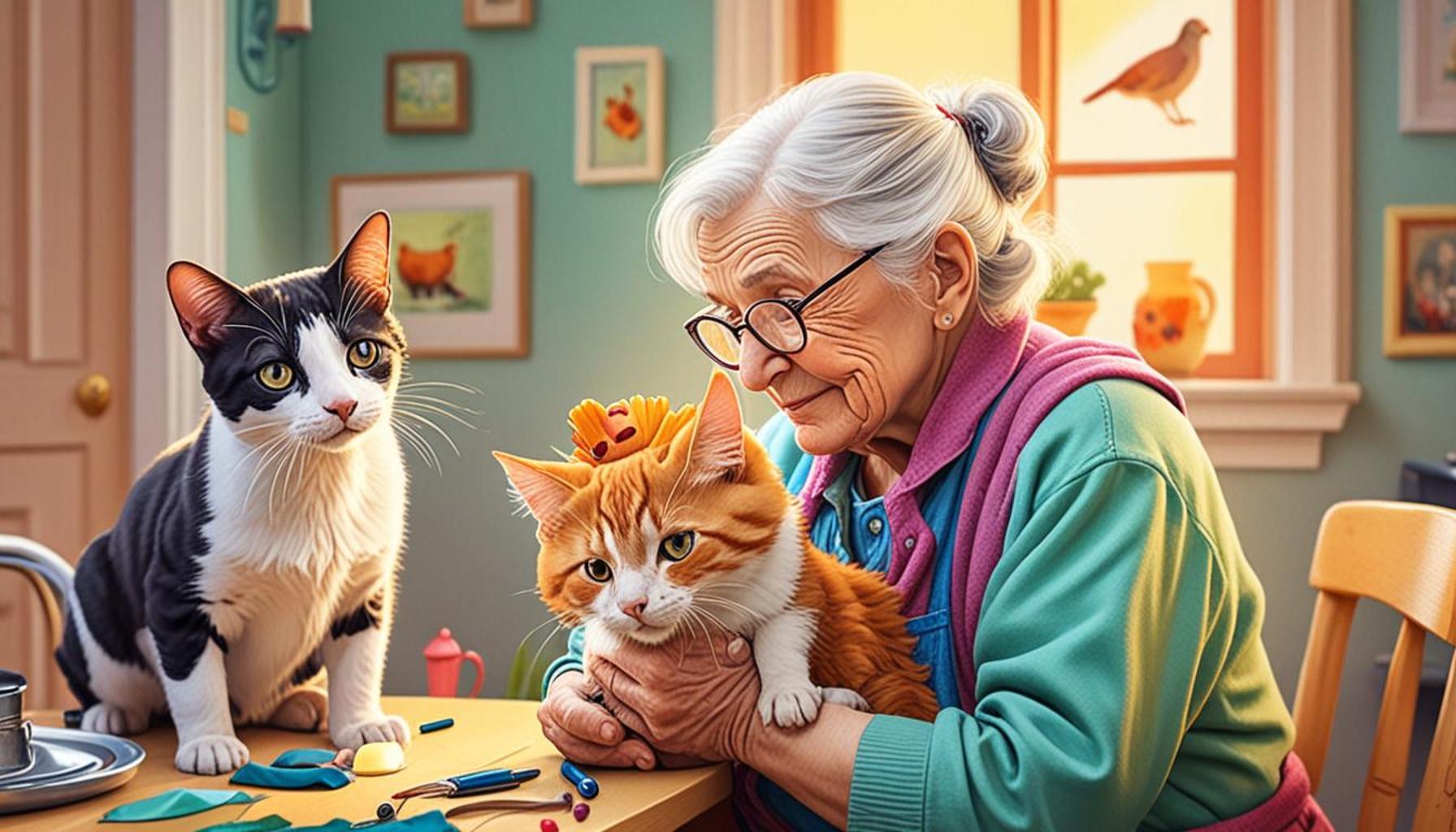
Adopting a senior animal can be a profoundly transformative experience, not only for the pet but also for the family that chooses to welcome them into their lives. These animals, often passed over in favor of their younger counterparts, possess a wealth of love to give and a depth of experience that younger pets have yet to develop. Yet, adopting a senior pet requires more than just an open heart; it demands consideration of their unique needs and personality traits that often differ significantly from younger creatures.
Key Reasons to Consider Senior Pets
- Established Temperament: One of the most appealing aspects of adopting a senior pet is their established personality. Unlike puppies or kittens that exhibit erratic and playful behaviors, senior animals tend to exhibit more stable temperaments. For instance, if a potential adopter prefers a quieter companion, a senior dog may offer that sense of calm and steadiness. An adopter can often assess the specific characteristics of an older pet, ensuring a better fit for their lifestyle.
- Training Compatibility: Many senior pets come equipped with the benefits of training. Most have already mastered basic commands such as “sit,” “stay,” and “come,” and many are house-trained. This means less time spent on training and more time enjoying each other’s company. For families in Nigeria, adopting a senior dog who understands local traffic and environmental cues can make outings more enjoyable and less stressful for everyone involved.
- Lower Energy Levels: While younger pets typically demand high energy and frequent exercise, senior animals often have lower energy levels. This characteristic makes senior pets an ideal choice for individuals or families with a more relaxed lifestyle. For example, a retired couple living in a serene part of Lagos may find joy in adopting an older cat that enjoys lounging in sunny spots rather than chasing after toys.
Additionally, embracing senior pet adoption contributes to fostering a culture of compassion towards animals in Nigeria. Every year, numerous pets in local shelters await their forever homes, with older animals frequently overlooked. By choosing to adopt seniors, families can set an example and inspire others in their communities to do the same, creating more awareness around animal welfare.
Factors to Consider Before Adoption
- Healthcare Needs: It is essential to recognize that older pets may have existing health conditions requiring regular veterinary care. These can include arthritis, dental issues, or other chronic diseases common in senior animals. Prospective adopters should be prepared to discuss these conditions with the shelter staff to fully understand what medical care might be needed.
- Financial Commitment: Alongside healthcare considerations, adopting a senior pet often involves increased financial responsibilities. Costs for medications, veterinary visits, and potentially specialized diets can be higher than those associated with younger pets. This financial investment necessitates thoughtful planning and budgeting, allowing families to provide the necessary care for their new furry friend.
- Time and Patience: Lastly, like any pet, senior animals will also need time to settle into a new environment. They may require a bit more patience as they adjust to changes in routine and surroundings. Adopters should be ready to provide a supportive atmosphere, allowing their new pet to acclimate gradually and comfortably.
Before embarking on the journey of adopting a senior pet, it’s essential to weigh the advantages against the responsibilities. By educating themselves about the unique considerations of senior animal adoption, potential pet owners in Nigeria can ensure that both they and their new companion thrive together.
CHECK OUT: Click here to explore more
Assessing the Needs of Senior Pets Before Adoption
Before diving into the heartwarming journey of adopting a senior animal, it’s critical for prospective pet owners to assess the unique needs that come with caring for an older companion. Understanding these requirements will not only prepare families for the responsibilities ahead but will also enhance the overall adoption experience. Senior pets often have different behavioral traits and health considerations that need to be taken into account, ensuring a smoother transition into their new home.
Understanding Health Considerations
One cannot emphasize enough the importance of healthcare needs when considering adopting a senior pet. Older animals are more susceptible to various health issues that can require ongoing medical attention. Such conditions might include:
- Arthritis: Common in older pets, arthritis can lead to discomfort and mobility challenges. Prospective owners should be prepared to accommodate these limitations in their homes and be willing to manage pain relief with appropriate veterinary care.
- Dental Problems: Many senior pets suffer from dental diseases that can affect their eating habits and overall health. Regular dental check-ups will be vital to ensure their well-being.
- Chronic Illnesses: Conditions like diabetes, kidney disease, or heart issues may require specialized diets and consistent vet visits, potentially increasing the responsibilities and costs associated with ownership.
Understanding these health considerations allows future adopters to build a realistic picture of what care a senior pet may require, helping to ensure a happy environment for the animal.
Financial Responsibility
In addition to healthcare needs, it’s also important to consider the financial commitment associated with adopting a senior pet. While the initial adoption fee is often lower for older animals, the ongoing expenses can add up. Potential adopters should keep the following in mind:
- Regular Veterinary Check-ups: Senior pets often need more frequent veterinary visits compared to younger animals, which can lead to higher medical bills.
- Medications and Specialized Diets: The expense of medications and specialized diets for managing health conditions can significantly impact monthly budgets.
- Immediate and Long-Term Care: Setting aside funds for unexpected health issues is essential, as older animals may require immediate care that can be costly.
Understanding these potential financial demands ahead of time can help ensure that families are fully prepared to provide for their new furry companions without facing unwelcome surprises.
Time Commitment and Support
Just like any pet, senior animals require a significant amount of time and patience when transitioning between homes. Older pets may need extra time to adjust to their new environments, requiring supportive owners who can offer understanding as they acclimate. Key considerations include:
- Routine Establishment: Senior pets may thrive with established routines for feeding, playtime, and bathroom breaks. Adopters should be ready to help them adjust to these schedules.
- Emotional Support: Older pets may have experienced abandonment or loss before arriving at a shelter. Providing consistent affection and reassurance can help them feel secure.
- Gradual Introduction to New Environments: Taking the time to introduce senior pets to their new homes can alleviate anxiety and help them explore at their own pace.
By thoroughly considering these factors, potential adopters can create a nurturing and loving environment for senior pets, giving them a truly deserving second chance at happiness.
| Consideration | Details |
|---|---|
| Health Needs | Senior animals often require specialized medical care and more frequent vet visits, which could affect your budget. |
| Lifestyle Compatibility | Adopting a senior pet can mean less energy and lower exercise requirements, making them suitable for quieter living environments. |
| Behavioral Traits | Older animals may have well-established behavior patterns, making them easier to train and integrate into your home. |
| Emotional Benefits | Senior pets can offer a deep emotional connection and companionship, having experienced life and formed bonds. |
When considering adopting a senior animal, it’s essential to reflect on various aspects such as their potential health needs, which can involve unique challenges such as managing chronic conditions or medications. Additionally, understanding your lifestyle is crucial; senior pets often have a calmer disposition, aligning well with individuals or families looking for companionship without the demands of a highly active pet. Their established habits also mean that adopting a senior pet comes with a certain predictability, making transitional adjustments smoother for both the animal and the new owner.Moreover, the emotional rewards of adopting a senior animal can be profound. Many individuals report feeling a strong sense of fulfillment and joy when giving these deserving creatures a second chance at life. Each adoption not only transforms the animal’s world but also brings immeasurable joy to the owner, who gains a loyal companion with a rich history. Exploring these considerations can lead to a fulfilling and enriching partnership that benefits both parties.
LEARN MORE: This related article may interest you
Creating a Comfortable Living Environment for Senior Animals
Once potential adopters have a good grasp of the health, financial, and time commitments involved with adopting a senior animal, the next step is to focus on creating a comfortable and accommodating living environment. A well-prepared home can significantly ease a senior pet’s transition and improve their quality of life. Here are essential considerations to keep in mind:
Home Modifications
Making certain modifications in the home environment is crucial for the comfort and safety of senior pets. Some practical adjustments include:
- Accessible Spaces: Ensure that all areas the pet will frequent are easily accessible. If stairs are present, consider using ramps instead of steps. Utilizing non-slip mats can also prevent slips and falls, which are common for older animals with mobility issues.
- Comfortable Bedding: Providing soft, orthopedic bedding can help alleviate joint pain and provide a cozy resting place. Position beds in quiet, low-traffic areas where the pet can relax without disturbances.
- Safe and Secure Environment: Removing potential hazards, such as small items on the floor or toxic plants, is vital for ensuring a safe environment. Creating a pet-friendly living space will contribute to the overall well-being of a senior animal.
Socialization and Interaction
Socialization is just as critical for senior pets as it is for younger animals. Engaging and interacting with a newly adopted senior friend can foster a deeper bond and improve their emotional health. Consider the following:
- Gentle Playtime: Senior pets may not have the same energy levels as younger ones, but they still enjoy interactive play. Using soft toys or gentle games that don’t require excessive physical exertion can keep them engaged.
- Regular Outings: Short walks or car rides can stimulate a senior pet’s senses and help them experience new environments. In Nigeria, consider taking walks in dog-friendly parks or visiting pet-friendly cafes to add variety to their day.
- Positive Reinforcement Training: Senior animals can still learn new commands or tricks. Using positive reinforcement can strengthen the bond between pet and owner while keeping their minds sharp.
Community Resources and Support
Utilizing community resources can significantly help when adopting a senior pet. Many shelters and animal rescues provide support for senior animal adoptions, including:
- Veterinary Resources: Some organizations offer discounted or free veterinary care for newly adopted senior pets, making it easier to manage healthcare costs without compromising quality.
- Support Groups: Joining local or online support groups for senior animal adopters can provide valuable insights, advice, and shared experiences. These communities can serve as a vital network for emotional support and resources.
- Training Classes: Participating in specialized training classes for senior pets can enhance the adoption experience, helping both the pet and owner to communicate better and bond more deeply.
By considering these factors while preparing to adopt a senior animal, prospective pet owners can create a harmonious and nurturing atmosphere. This not only enriches the lives of the animals but also leads to rewarding companionships that span the golden years.
YOU MAY ALSO LIKE: Read read another article
Conclusion: A Noble Cause with Lasting Impact
Adopting a senior animal is a profound commitment that can bring immeasurable joy to both the pet and the owner. While the adoption of senior animals comes with its unique challenges, such as health considerations and required modifications in the living environment, it also presents an opportunity to provide a loving home to animals who desperately need it. By understanding the specific needs of senior pets and preparing for their arrival, prospective adopters can create fulfilling relationships that benefit both parties.
It is essential to consider aspects like home modifications, ensuring safe and accessible spaces, and establishing routines that promote socialization and gentle engagement. Furthermore, leveraging community resources, such as discounted veterinary care or support groups, can ease the transition and underscore the importance of collective support in caring for our elderly companions.
In Nigeria, where the awareness of senior pet adoption is growing, this journey can also spark conversations about pet welfare and compassionate care. By choosing to adopt a senior animal, you not only transform a life but also contribute to a more humane community that values every stage of a pet’s life. For those considering this noble venture, remember that each second chance is a testament to the bond between humans and animals, showcasing the incredible resilience and love that can flourish in the twilight years. Join the movement to give senior pets the love they deserve; it’s a decision that will leave a lasting legacy.
Related posts:
Inspiring Stories of Special Animal Adoption Make a Difference Now
Pet Adoption in Rural Communities Challenges Solutions Revealed
The Impact of Pet Adoption on Early Childhood Education: Teaching Responsibility and Empathy
How to Prepare Your Home for a Newly Adopted Pet
Responsible Adoption: How to Ensure a Safe Home for Your New Pet
Pet Adoption: Success Stories and Inspiration from Nigerian Families

Linda Carter is a writer and pet care expert specializing in pet health, grooming, and wellness. With extensive experience helping pet owners create safe, loving, and enriching environments for their animals, Linda shares her knowledge on our platform. Her goal is to empower readers with practical advice and strategies to ensure their pets thrive and lead joyful, healthy lives.