Tips for Skin and Coat Care for Pets: Preventing Dermatological Issues
The Importance of Pet Skin and Coat Health
Your furry friend’s skin and coat health are crucial components of their overall well-being. Neglecting this aspect can result in various dermatological issues that are not only uncomfortable for your pet but can also signal more serious health problems lurking beneath the surface. In Nigeria’s humid climate, conditions can be particularly challenging for pets, making it essential for owners to be informed and proactive.
Common Dermatological Issues
- Allergies: Often caused by environmental factors such as pollen, dust mites, or certain foods, allergies can lead to significant discomfort. Pets might exhibit symptoms like excessive scratching, licking, or biting their skin. Many pet owners in Nigeria experience this, especially during the rainy season when mold and pollen are prevalent.
- Infections: Bacterial and fungal infections can occur due to wounds or other skin irritations. For instance, ringworm is a common fungal infection that can affect pets, especially in play areas filled with humid dirt.
- Parasites: Fleas and ticks thrive in warm climates and can cause intense itching and irritation. Regular checks and preventive treatments are vital, as these parasites can easily lead to more severe skin conditions if left untreated.
Signs of Skin Problems
Recognizing the signs of skin problems is crucial for early intervention. Symptoms may include itching, which can manifest as excessive scratching or head-shaking; redness or inflammation of the skin; and abnormal hair loss that may create patches or bald spots. Observing your pet’s behavior closely can provide essential clues regarding their skin health.
The Role of Regular Grooming
Regular grooming plays an indispensable role in preventing many skin conditions. It helps remove dirt, debris, and dead hair, which can trap moisture and contribute to skin problems. In Nigeria, where humidity levels can soar, regular brushing and bathing (using suitable pet shampoos) can keep the skin healthy and free from irritation. If you are unsure about the right grooming schedule, consider creating a routine that aligns with the changing seasons, ensuring that your pet’s coat is adequately taken care of throughout the year.
Empower Yourself with Knowledge
Understanding how to care for your pet’s skin and coat is not just an option; it is essential for fostering a healthier lifestyle. By focusing on prevention and early intervention, pet owners can significantly reduce the risk of dermatological issues. This article aims to empower you by providing actionable tips that are easy to implement and effective in maintaining your furry friend’s skin and coat health. Incorporate these practices into your regular care routine to keep your pet comfortable, healthy, and happy.
The journey toward a vibrant, healthy coat begins with informed care. By actively engaging in your pet’s grooming and health management, you can enhance their quality of life and safeguard them from unnecessary discomfort. Take the first step today—your pet will thank you for it!
YOU MAY ALSO LIKE: Read read another article
Essential Tips for Maintaining Your Pet’s Skin and Coat
To effectively prevent dermatological issues and maintain optimal skin and coat health for your pet, it is essential to adopt a comprehensive approach that includes proper nutrition, regular veterinary check-ups, and tailored grooming routines. Each of these factors plays a critical role in not only preventing common skin problems but also in enhancing your pet’s overall health and vitality.
Nutrition Matters
Proper nutrition is the foundation of healthy skin and a shiny coat. A balanced diet enriched with essential fatty acids, vitamins, and minerals can significantly impact your pet’s skin health. Ingredients like Omega-3 and Omega-6 fatty acids support healthy skin barrier function and can reduce the likelihood of allergic reactions and skin irritation. Consider feeding your pet high-quality commercial food or consult with your veterinarian for nutritional advice tailored to their specific needs, especially in a region like Nigeria where food choices can be influenced by local ingredients.
Keep an Eye on Hydration
Just as in humans, hydration plays a key role in your pet’s skin elasticity and overall health. Ensure that your furry companion has access to fresh water at all times. Dogs and cats may not always drink enough during the hot and humid months, especially in Nigeria where the temperatures can soar. Introducing wet food can also be a great way to increase their water intake while providing added nutrients.
Vet Visits and Early Detection
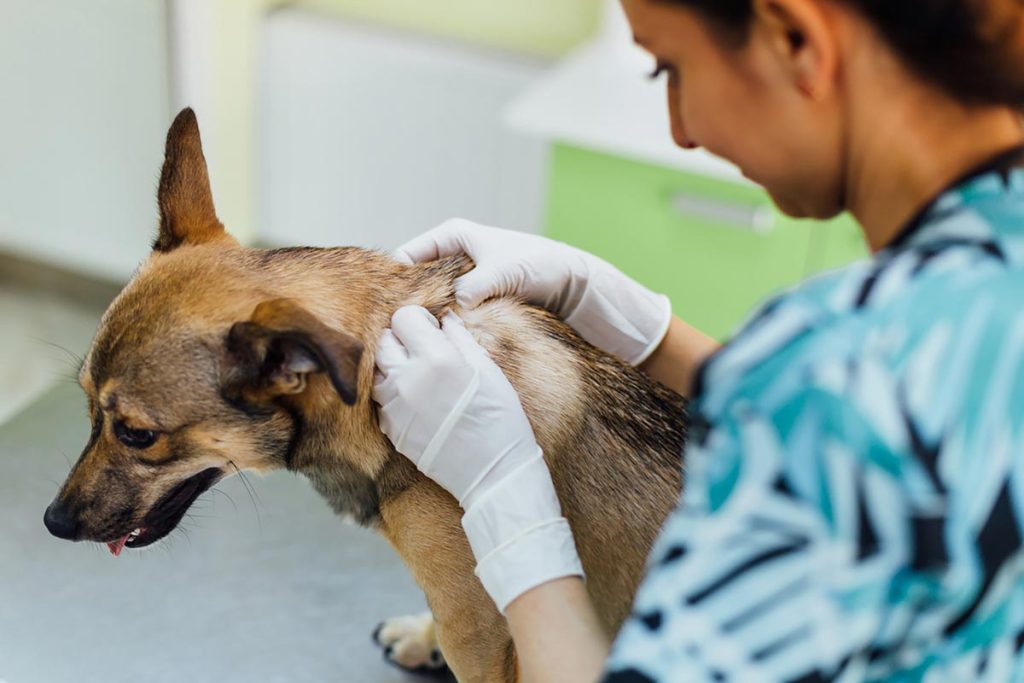
Routine veterinary check-ups are important for monitoring your pet’s skin health. Veterinarians can detect early signs of dermatological issues before they become severe. In certain breeds, skin conditions can be hereditary, and identifying these risks can help you take preventive measures early on. Regular check-ups also allow for vaccination updates, parasite control, and discussions about any behavioral changes, such as excessive scratching or biting.
Grooming Techniques for Healthy Skin
Grooming is a significant aspect of maintaining your pet’s skin and coat health. Here are some simple grooming tips to adopt:
- Brushing: Regular brushing not only removes loose hair and dirt but also stimulates oil production in the skin, promoting a healthy coat. Depending on your pet’s breed, a specific type of brush may be needed.
- Bathing: Use a gentle, pet-specific shampoo that suits your pet’s skin type. Over-bathing can strip essential oils, so determine an appropriate schedule based on their activity level and coat type.
- Ears and Eyes: Regularly check and clean the ears and eyes for debris, as these areas can be prone to infections and irritation.
- Nail Trimming: Keeping your pet’s nails trimmed can prevent accidental scratches that may lead to skin infections.
By incorporating these tips into your pet care routine, you’ll not only enhance their appearance but also promote their overall health and happiness. Remember, a healthy pet is a happy pet!
| Skin Care Routine | Key Advantages |
|---|---|
| Regular Grooming | Maintains coat health and prevents matting |
| Proper Nutrition | Supports skin elasticity and overall coat quality |
| Hydration | Keeps skin moisturized, reducing dryness |
| Regular Vet Check-ups | Early detection of allergies and skin conditions |
Creating a consistent skin care routine is pivotal in maintaining your pet’s overall health. Regular grooming is not just a beauty ritual; it actively combats issues like matting and promotes a healthy coat, enhancing your pet’s appearance. Pair this with a balanced diet rich in essential fatty acids to support skin elasticity and overall coat condition. Don’t underestimate the power of hydration! A well-hydrated pet boasts a supple, healthy skin barrier. Additionally, booking regular veterinary check-ups can be a game changer. Detecting dermatological issues early can lead to more effective treatments and a happier, healthier pet. For those seeking solutions, consider integrating omega-3 and omega-6 fatty acids into your pet’s meals, known for their impressive skin benefits. By prioritizing these aspects, you can significantly reduce the risk of dermatological issues in your beloved pets.
CHECK OUT: Click here to explore more
Understanding Common Dermatological Issues
To effectively curb skin problems in pets, it is essential to recognize the common dermatological issues that may afflict our furry friends. Understanding these conditions empowers pet owners to be proactive in prevention and treatment. Some prevalent issues include allergies, infections, and parasites that specifically thrive in certain climates, including the humid conditions of Nigeria.
Allergies: The Silent Agitator
Allergies are a significant cause of skin problems in pets. Just like humans, pets can suffer from environmental allergies caused by dust mites, pollen, or mold. Food allergies are also common, with ingredients such as chicken or beef commonly triggering reactions. Symptoms might manifest as itching, redness, and inflamed skin. If you notice excessive scratching or biting in your pet, it’s vital to consult your veterinarian for allergy testing and strategies to minimize exposure to allergens.
Infections: Bacteria and Fungi
Skin infections can develop when the skin barrier is compromised. Bacterial and fungal infections—such as ringworm—are prevalent in pets with underlying skin issues. Symptoms can include crusting, hair loss, and a foul odor. In humid environments, these infections thrive due to excess moisture. Keeping your pet dry after bathing and avoiding humid environments can reduce the risk. Regularly inspecting your pet’s skin and maintaining proper grooming can help in early detection of such issues.
Parasites: Unwanted Guests
Parasites such as fleas, ticks, and mites can lead to skin irritation and potentially more severe dermatological issues. Fleas, in particular, are notorious for causing allergic reactions in pets. The best defense against parasites is a comprehensive prevention program, which may include monthly topical treatments or oral medications. Ensure to check your pet regularly for signs of infestations, including excessive scratching, hair loss, or the presence of fleas and ticks in their fur.
Seasonal Grooming Adjustments
The Nigerian climate presents unique challenges that can affect your pet’s skin and coat health. As temperatures rise, you may need to adjust your grooming habits accordingly. During the hotter months, it may be beneficial to increase grooming frequency to remove excess fur and debris that can trap heat against the skin. Consider investing in de-shedding tools for dogs with thick coats to keep their skin ventilated. Conversely, during the rainy season, pay closer attention to fungal infections that thrive in damp conditions.
DIY Treatments and Natural Remedies
While professional veterinary care is paramount, some DIY treatments and natural remedies can support your pet’s skin health. Oatmeal baths can soothe irritated skin, while coconut oil can be applied to dry or itchy patches. Aloe vera, known for its healing properties, can also provide relief from minor skin irritations. However, before trying any home remedies, it’s crucial to consult with your veterinarian to ensure safety and efficacy.
By remaining informed about these common issues and implementing preventive strategies, you not only enhance your pet’s skin and coat health but also their overall well-being. Invest the time to understand your pet’s specific needs, and you will see the difference in their vitality and happiness.
RECOMMENDED: Check out this similar article
Conclusion: A Holistic Approach to Skin and Coat Care
In summary, the journey to maintaining a healthy coat and skin for our furry companions in Nigeria requires a proactive and informed approach. Understanding the common dermatological issues that pets face, such as allergies, infections, and parasites, is the first step in avoiding potential health problems. Regular grooming tailored to the climatic conditions ensures that your pet remains comfortable and free from irritants that can lead to skin issues.
Moreover, embracing preventative measures like routine check-ups with your veterinarian can significantly enhance your pet’s skin and coat health. Pets, like humans, thrive on healthy nutrition, so feeding them a balanced diet enriched with the necessary vitamins and minerals is crucial for a vibrant coat and resilient skin. Home remedies, when used wisely and in consultation with your vet, can also provide excellent additional support for minor dermatological concerns.
It’s essential to remember that every pet is unique, and personalized care plans may be required to meet their specific needs. This attention will not only prevent dermatological issues but will also enhance their overall well-being, leading to a happier and healthier life. As devoted pet owners, making skin and coat health a priority can pave the way for a cherished bond with our four-legged friends that lasts a lifetime. Your pet’s happiness is worth every effort—so start today by adopting these skin and coat care tips, and see your beloved companion flourish.
Related posts:
How to Prevent and Treat Obesity in Dogs and Cats: A Practical Guide
Importance of regular vaccination for pet health
The role of hydration in the overall health of pets: tips to ensure your pet drinks enough water
Preventive Care: The Importance of Regular Check-ups for Early Disease Detection in Pets
Signs of pain in pets: how to recognize and act to relieve suffering
The importance of regular physical exercise for the mental and physical health of pets

Linda Carter is a writer and pet care expert specializing in pet health, grooming, and wellness. With extensive experience helping pet owners create safe, loving, and enriching environments for their animals, Linda shares her knowledge on our platform. Her goal is to empower readers with practical advice and strategies to ensure their pets thrive and lead joyful, healthy lives.