The role of hydration in the overall health of pets: tips to ensure your pet drinks enough water
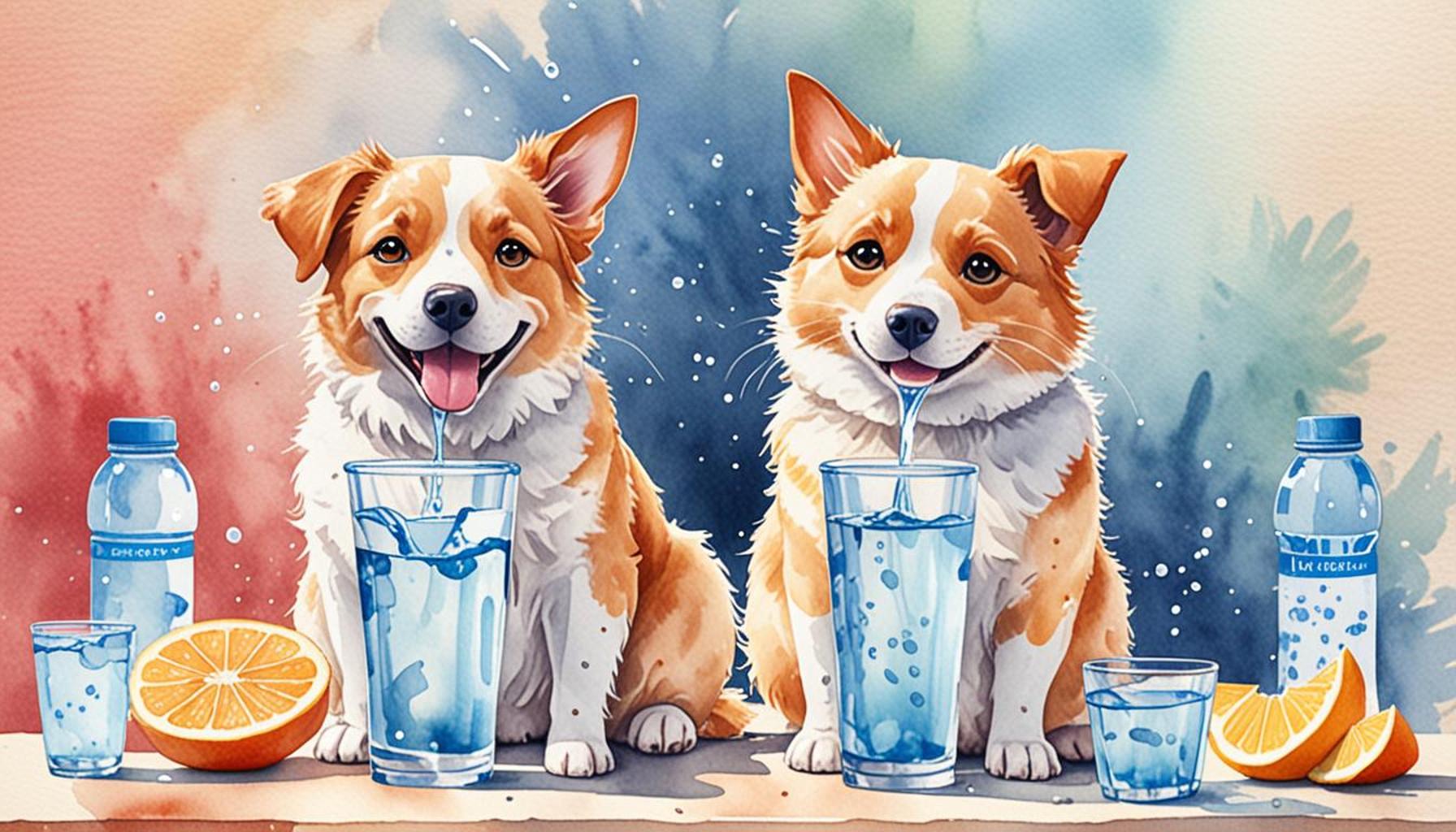
The Importance of Hydration for Pets
Providing proper hydration is essential for the overall well-being of our beloved pets. Just like humans, pets require adequate water intake to maintain their health and vitality. In Nigeria’s warm climate, ensuring that pets stay hydrated becomes increasingly crucial. The hot temperatures can lead to quicker dehydration if pets are not given proper care, making it vital for pet owners to understand the signs of dehydration as well as proactive measures to combat it.
Hydration plays several vital roles in maintaining a pet’s health. For instance, it regulates body temperature, allowing pets to cool down effectively, especially during the sweltering heat of Nigerian summers. When their bodies are well-hydrated, pets can better manage their body temperatures, avoiding heat stress which can lead to severe health complications.
Moreover, hydration aids digestion, a critical process for nutrient absorption in a pet’s system. Without sufficient water, pets can experience digestive issues such as constipation. Water is necessary for breaking down food, so ensuring that pets drink enough can help them enjoy a balanced diet without discomfort. Additionally, hydration promotes joint health. Proper fluid intake keeps joints lubricated, reducing discomfort and promoting mobility, essential for active pets that enjoy playtime and outdoor excursions.
Despite the importance of hydration, many pets do not drink enough water daily. This can lead to serious health issues such as kidney problems, urinary tract infections, or even more severe conditions requiring veterinary care. It is vital for pet owners to be proactive in encouraging hydration through various methods that are effective and engaging.
- Provide Fresh Water: Ensure that your pet has access to clean and fresh water at all times. It may be useful to refresh the water several times a day, especially in hot weather, to keep it appealing.
- Wet Food Options: Incorporating wet food into your pet’s diet can enhance water intake. Many brands offer high-quality canned food that can double as a hydration source.
- Water Bowls Placement: Place bowls in multiple locations around your home for easy access. This simple strategy can be particularly effective for active pets who may roam around, ensuring they can sip water whenever they feel thirsty.
As a pet owner, understanding the significance of hydration and taking robust steps to ensure your furry friend has adequate water can pave the way for a healthier, happier life. By closely monitoring your pet’s water intake and utilizing these helpful tips, you can greatly enhance their quality of life while preserving their health.
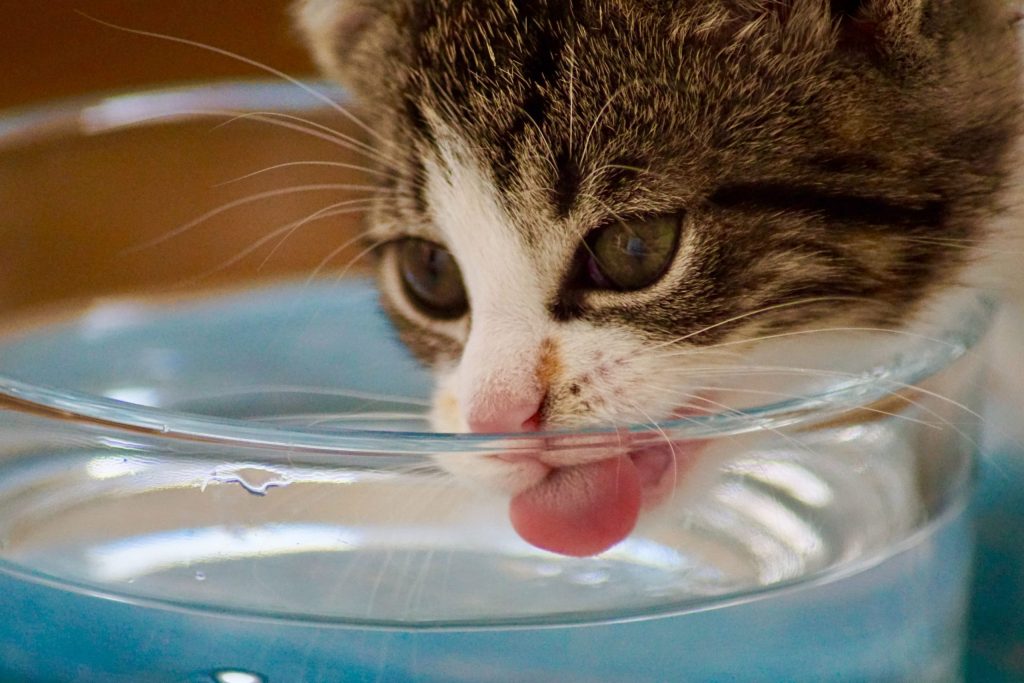
The journey to optimal hydration may require some effort and creativity, but the benefits—including increased energy, better digestion, and improved joint health—are well worth it. Embracing these practices not only keeps your pet hydrated but also deepens the bond between you and your four-legged companion. The joys of a healthy pet are immeasurable, leading to a more vibrant and fulfilling companionship.
RECOMMENDED: Check out this similar article
Understanding the Signs of Dehydration
As conscientious pet owners, recognizing the signs of dehydration in your furry companions is crucial for prevention. Pets, especially dogs and cats, can quickly go from well-hydrated to dangerously dehydrated, particularly in Nigeria’s sweltering heat. Common indicators include dry gums, excessive panting, and a loss of skin elasticity. To test the latter, gently pinch the skin on the back of your pet’s neck. If it does not snap back into place quickly, your pet may be dehydrated.
Other telltale signs include lethargy and a noticeable decrease in energy levels. Active pets who suddenly seem uninterested in play or exercise may be signaling that they need more water. Furthermore, if you notice that your pet’s urine is darker than usual or they are urinating less frequently, these may also be signs that they aren’t drinking enough.
Why Pets Might Avoid Drinking
Despite the fundamental role hydration plays in a pet’s health, sometimes they simply do not drink enough water. Understanding the reasons behind this behavior can help pet owners take the necessary steps to promote proper hydration.
- Taste Preferences: Some pets may be particular about the taste of water, especially if it has a metallic flavor from a stainless-steel bowl. Consider using ceramic or glass bowls to see if it makes a difference.
- Temperature Sensitivity: Many pets are reluctant to drink cold water. In Nigeria’s scorching climate, offering room-temperature water can encourage them to hydrate more consistently.
- Bowl Placement: Pets may avoid drinking if their bowl is placed in a location that feels unsafe or uncomfortable. Evaluate your home and place their water bowl in a calm area, far from high-traffic zones.
It’s essential to regularly observe your pet’s drinking habits. Sometimes, they may get caught up in playtime or simply forget to drink throughout the day. To counteract this, consider implementing regular hydration breaks, providing refreshingly cool, clean water during play sessions, especially during the heat of the day.
Practical Tips to Encourage Hydration
To ensure your pet drinks enough water, several proactive strategies can be employed. First and foremost, you should ensure a constant supply of fresh water. This means regularly replacing the water and cleaning the bowls to prevent any bacteria build-up. Pets are more likely to drink if they know their water is fresh and clean.
Additionally, wet food options are a fantastic way to add hydration to your pet’s diet. Many pets naturally gravitate toward moist food, which not only enhances flavor but can also significantly increase their water intake. For those who prefer dry kibble, incorporating small amounts of water into their meals can also help.
By being aware of your pet’s hydration needs and taking creative measures to meet them, you can significantly improve their overall health and happiness. A well-hydrated pet is a more energetic and vibrant companion, ready to share joyful moments with you every day. With the right strategies in place, you can turn hydration into an enjoyable routine for your furry friends.
| Advantage | Importance |
|---|---|
| Improved Digestion | Adequate hydration aids in digestion and nutrient absorption in pets, supporting a healthier intestinal tract. |
| Temperature Regulation | Water plays a crucial role in thermoregulation, helping pets maintain their body temperature in different environments. |
Ensuring your pet remains hydrated is not merely an act of kindness; it is a fundamental component of their overall health. Water is vital for various biological functions, significantly impacting digestion, circulation, and temperature regulation. For instance, when pets are sufficiently hydrated, they experience improved digestion and enhanced nutrient absorption. This connection between hydration and digestion highlights the necessity of a regular water intake to sustain a healthy intestinal tract. Moreover, hydration is key to temperature regulation. Pets, like humans, require adequate water to maintain their body temperature, especially during warm weather or after exercise. Thus, providing fresh water and creating opportunities for your pet to hydrate can lead to a significant enhancement in their quality of life. As aware pet owners, you can make little adjustments that promote hydration, such as using water fountains or offering wet food, to ensure that your furry companions stay healthy and happy.
CHECK OUT: Click here to explore more
Creative Ways to Enhance Water Intake
Ensuring that your pet remains properly hydrated often requires a little creativity and innovation. From engaging their senses to enhancing their environment, there are several effective strategies to encourage your furry companions to drink more water.
- Add Flavor: Just as humans enjoy flavored beverages, pets may find plain water unappealing. Consider adding a splash of low-sodium broth to their water for a tempting twist. This can be particularly effective for cats, who may prefer the enticing aromas that come from broth.
- Use Water Fountains: Many pets are more inclined to drink from a flowing source than from a stagnant bowl. Investing in a pet water fountain can create a dynamic drinking experience that not only catches their attention but also provides continuously filtered water, helping to keep it fresh and clean.
- Frozen Treats: In Nigeria’s intense heat, frozen ice treats can be a refreshing way to keep your pets hydrated. Consider freezing small pieces of their favorite fruits—like watermelon or cucumber—into ice cubes. These frozen morsels not only serve as a treat but also offer additional hydration.
Understanding Daily Water Requirements
It’s critical to recognize that the amount of water each pet needs can vary significantly based on factors such as their size, breed, age, and activity level. As a general guideline, pets should consume about 1 ounce of water per pound of body weight daily. For instance, a 10-pound dog would require approximately 10 ounces of water each day.
However, environmental factors also come into play. In Nigeria, where humidity can fluctuate, pets may need additional water during the hot season to stay cool and hydrated. Monitoring your pet’s behavior, such as their drinking patterns and energy levels, can provide valuable insights into whether they are meeting their hydration needs. For particularly active pets or those spending significant time outdoors, be prepared to offer even more liquid refreshment.
The Impact of Hydration on Pet Health
Proper hydration has far-reaching effects on your pet’s health. It supports vital bodily functions such as digestion, circulation, and temperature regulation. Dehydration can lead to serious health issues, including kidney stones, urinary tract infections, and even kidney failure. In Nigeria’s warm climate, these risks are heightened, making it even more critical to prioritize hydration.
With moments of playful behavior often observed in well-hydrated pets, owners will notice their companions engaging in more lively antics and overall enhanced moods. Hydrated pets also tend to recover from fatigue faster after vigorous activities. Paying attention to your pet’s hydration can be a simple yet powerful way to increase their quality of life.
Monitoring Water Intake
Finally, keeping track of your pet’s water consumption can yield significant insights into their health. Observing changes in how much they drink can be an early indicator of underlying medical conditions. If you notice significant fluctuations, it’s advisable to consult your veterinarian for further evaluation. Additionally, consider implementing hydration logs, especially for pets with known health issues or those undergoing certain treatments. Such logs can help you notice patterns or changes in behavior, prompting early intervention if necessary.
By combining these techniques with an understanding of your pet’s unique hydration requirements, you position yourself as an informed guardian of their health and well-being. A few thoughtful adjustments can make a world of difference in ensuring your beloved pet stays happily hydrated and full of life.
CHECK OUT: Click here to explore more
Conclusion
In conclusion, hydration plays a crucial role in maintaining the overall health of pets, and taking proactive measures to encourage adequate water intake is essential for their well-being. By understanding your pet’s unique hydration needs and integrating simple strategies, such as offering flavored water, investing in water fountains, or creating frozen treats, you can make drinking a more enjoyable experience for them. Daily water requirements can vary based on several factors, including size and activity level, and it is vital to monitor these needs closely, especially in Nigeria’s warm climate.
The impact of proper hydration extends beyond just physical health; well-hydrated pets enjoy better moods and increased energy levels, translating to happier and more active companions. Being vigilant about your pet’s drinking habits can provide invaluable insights into their health, leading to early detection of potential issues. By fostering an environment that promotes hydration, you equip yourself with the knowledge and tools necessary to become a responsible and attentive pet owner.
Ultimately, making hydration a priority in your pet care routine can significantly enhance your furry friend’s quality of life. As you implement these tips, you not only safeguard their health but also deepens the bond you share. Let’s ensure our pets remain lively and vibrant, sharing joyful moments together by keeping their hydration in check!
Related posts:
Impact of socialization on pets' emotional health: building positive relationships
How to Deal with Separation Anxiety in Dogs: Effective Strategies
Tips for Pet Hearing Health: Preventing and Treating Ear Problems
Tips for Skin and Coat Care for Pets: Preventing Dermatological Issues
How to Identify Signs of Common Diseases in Pets: A Guide for Owners
The influence of the environment on cats' mental health: creating a harmonious home

Linda Carter is a writer and pet care expert specializing in pet health, grooming, and wellness. With extensive experience helping pet owners create safe, loving, and enriching environments for their animals, Linda shares her knowledge on our platform. Her goal is to empower readers with practical advice and strategies to ensure their pets thrive and lead joyful, healthy lives.