Importance of regular vaccination for pet health
Understanding the Significance of Pet Vaccination
Vaccination plays a crucial role in ensuring the overall health and well-being of pets. When we think of pet ownership, we often picture playful moments and loyal companionship. However, the underlying responsibility of keeping our furry friends safe and healthy includes timely vaccinations. Regular vaccinations help prevent the spread of dangerous diseases, not only protecting the pets themselves but also safeguarding the wider community.
Prevention of Common Diseases
- Prevention of common diseases: Vaccines are designed to protect pets from several serious illnesses. In Nigeria, diseases like rabies, canine parvovirus, and canine distemper are prevalent. Rabies, a zoonotic disease that can transfer from animals to humans, poses a significant risk, especially in rural areas. Vaccinating pets against rabies is not only a legal requirement but also a crucial step in community health.
Long-Term Health Benefits
- Long-term health benefits: Developing a regular vaccination schedule plays a vital role in promoting longevity and a healthier quality of life for pets. Vaccines stimulate the immune system, helping pets fend off infections effectively. A vaccinated pet is less likely to suffer from diseases that could lead to severe health consequences or even premature death.
Cost-Effectiveness
- Cost-effectiveness: Preventing diseases through vaccination is often more economical than treating illness. Many pet owners may initially shy away from vaccination due to perceived costs, but consider this: the financial burden of treating a pet with parvovirus can be eight to ten times the price of vaccination. In countries like Nigeria, where veterinary care can be expensive and resources limited, vaccinations provide a protective financial net against future health crises.
In Nigeria, local veterinary services have ramped up efforts to educate the public about the importance of timely vaccinations through community outreach programs. Such initiatives highlight how early intervention can help curb the spread of infections, ultimately benefiting every pet owner in the vicinity.
Moreover, vaccinated pets typically show improved immunity, reducing the risk of infection not just for themselves but also for other animals and even humans. This communal approach to health fosters a safer environment for all beings within the community. Understanding the importance of regular vaccination for pet health can lead to healthier pets and a safer neighborhood overall.
In summary, prioritizing vaccinations within the pet health regime is a powerful step not just for individual pet welfare but for community health as a whole. By staying informed and proactive in pet care, pet owners in Nigeria can contribute to a more vibrant and disease-free environment for their beloved companions and fellow citizens.
SEE ALSO: Click here to read another article
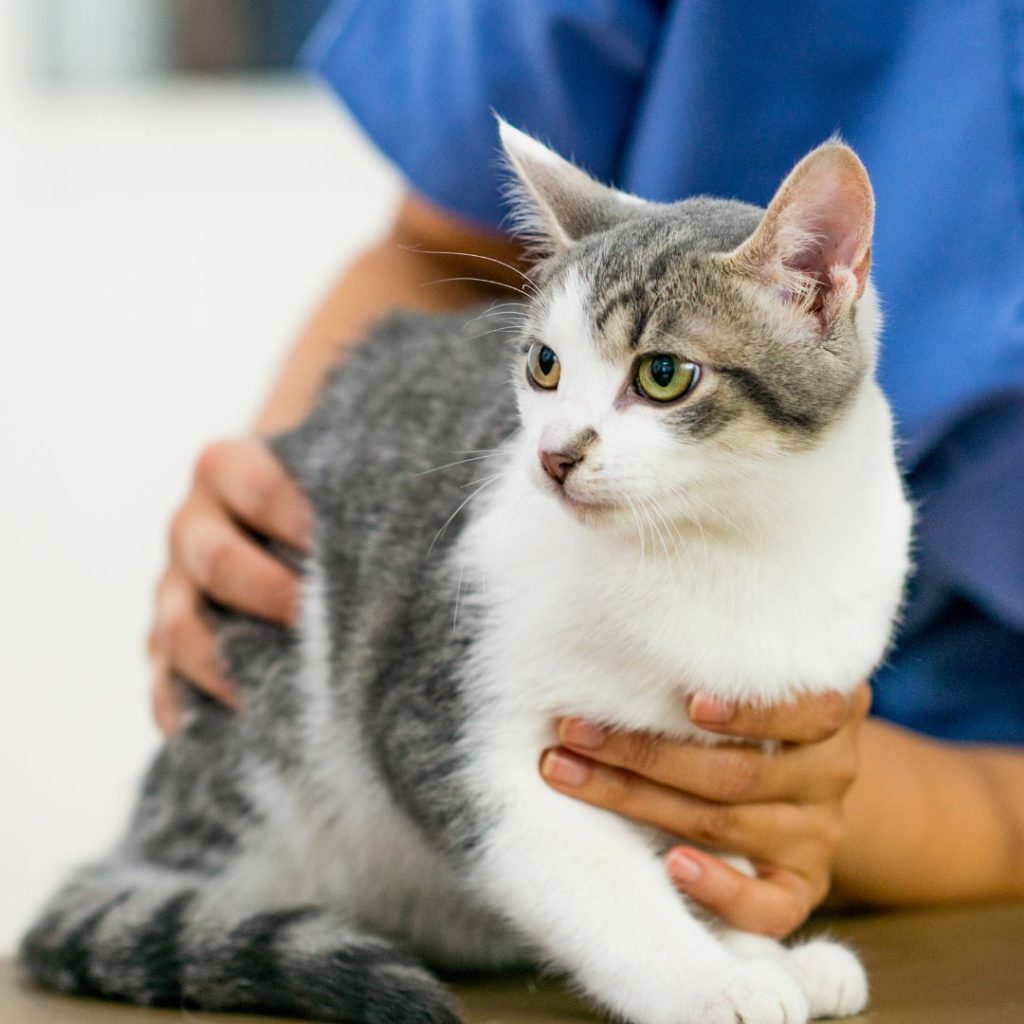
The Role of Vaccination in Pet Health Maintenance
Understanding the role of regular vaccinations can be a game-changer for pet owners looking to provide a safe and healthy environment for their furry companions. Vaccinations not only protect pets from prevalent diseases but also create a solid foundation for lifelong health. In Nigeria, where certain diseases pose a significant threat to animal and human populations, the importance of a proactive vaccination strategy cannot be overstated.
Enhancing Immunity Against Epidemic Outbreaks
- Enhancing immunity: The comprehensive vaccination schedule for pets typically includes vital vaccines such as canine parvovirus, canine distemper, hepatitis, and rabies. These vaccines serve to prime a pet’s immune system, preparing it to ward off infections. In a densely populated country like Nigeria, where pets often mingle, an outbreak of a contagious disease can spread rapidly. For instance, an unvaccinated dog can succumb to parvovirus, leading to catastrophic financial and emotional stress for its owner, as treatment costs can skyrocket into tens of thousands of naira.
Building a Health-Conscious Community
- Building community health: The impact of pet vaccination extends beyond the individual pet. It fosters community health by minimizing the likelihood of disease transmission between pets and humans. The link between rabies in dogs and human fatalities highlights the need for a robust vaccination program. According to the World Health Organization (WHO), rabies causes tens of thousands of deaths globally each year, with a significant proportion occurring in regions like Africa. By vaccinating pets against rabies, owners help protect not only their animals but also vulnerable populations in their communities. This shared responsibility makes vaccinations a vital community health initiative.
Creating Awareness on Disease Prevention
- Awareness on prevention: Vaccination drives organized by local veterinary services are pivotal for educating pet owners about the importance of timely vaccinations. Initiatives like these reach underserved areas, providing accessible information on common diseases and their prevention. Many pet owners may not realize that diseases like bacterial leptospirosis and canine hepatitis can lead to severe long-term health concerns or even fatalities if left untreated. Community awareness campaigns can motivate more pet owners to seek vaccinations for their animals, leading to improved health outcomes across the board.
With the rampant spread of diseases and the rising costs of veterinary care in Nigeria, encouraging vaccination becomes crucial. A proactive approach to pet health—one that includes regular vaccinations—ensures that our beloved companions lead longer, healthier lives. When pet owners embrace this responsibility, the entire community benefits from reduced disease transmission rates, creating a safer environment for both animals and humans.
Ultimately, the harmony between pets and their owners thrives when both parties actively engage in health management practices such as regular vaccinations. Neglecting this important aspect of pet care can have dire consequences, not just for individual pets, but for the broader community, reinforcing the call for vigilance and action in vaccination efforts.
Importance of Regular Vaccination for Pet Health
Vaccination is a vital aspect of responsible pet ownership that goes beyond just fulfilling legal requirements. Regular vaccinations protect against a range of infectious diseases that can have severe, life-threatening consequences for pets. For instance, conditions such as rabies, distemper, and parvovirus can be easily prevented through vaccines. Moreover, the concept of herd immunity extends beyond humans; vaccinating pets contributes to the overall health of animal communities. In addition to safeguarding your pet’s health, vaccinations have economic implications. Treating a vaccinated pet can often be less costly than controlling outbreaks of preventable diseases. As the saying goes, “An ounce of prevention is worth a pound of cure.” This proactive approach not only ensures a longer, healthier life for your pet but also alleviates the burden on veterinary services.Below is a table that outlines key advantages of regular pet vaccinations:
| Category | Benefits |
|---|---|
| Health Protection | Vaccinations reduce the risk of severe diseases, ensuring a healthier life for pets. |
| Cost-Effectiveness | Preventive healthcare through vaccination saves money in the long run by avoiding costly treatments. |
By understanding these essential aspects and making informed decisions about vaccinations, you can take an important step toward ensuring your pet’s health and well-being. Regular consultations with a veterinarian are highly recommended to develop an appropriate vaccination schedule tailored to your pet’s specific needs. Vaccines not only protect individual pets but also create a healthier environment for all pets and their owners.
SEE ALSO: Click here to read another article
Reducing the Risk of Zoonotic Diseases
One of the most significant advantages of regular vaccinations for pets is the reduction in the risk of zoonotic diseases—illnesses that can be transmitted from animals to humans. In countries like Nigeria, where many households keep pets, understanding this connection is critical. Diseases such as toxoplasmosis and leptospirosis are just a few examples of illnesses that highlight the importance of routine vaccines in preventing serious health threats to both pets and their owners.
Safeguarding Public Health
- Public health protection: Rabies is not only a dire threat to pets but also poses a severe risk to humans, especially in rural areas where contact with wildlife is commonplace. The Centers for Disease Control and Prevention (CDC) reports that more than 95% of rabies cases in humans are due to dog bites. The implementation of vaccination programs can drastically decrease the incidence of rabies in pet populations and align community efforts to eliminate this preventable disease.
Cost-Effective Healthcare for Pet Owners
Vaccination is a cost-effective approach to pet health that can save pet owners from exorbitant medical bills. On the surface, the short-term cost of vaccines may seem high for some, especially for low-income households. However, treating advanced diseases like parvovirus or managing rabies can lead to expenses ranging into hundreds of thousands of naira. For example, a single hospital stay for a parvo-infected dog can easily surpass the cost of several vaccinations.
Compliance with Local Regulations
- Legal requirements: In Nigeria, certain vaccinations, such as for rabies, are mandated by law. Compliance with these regulations not only avoids legal issues but also contributes to community health efforts. Many local authorities enforce vaccination especially for pets involved in community activities or programs. Emphasizing the importance of these legal requirements can encourage responsible pet ownership, thereby enhancing both pet and human health.
Encouraging Regular Veterinary Check-ups
Regular vaccinations are often aligned with routine veterinary check-ups, creating an opportunity for pets to receive comprehensive health evaluations. These check-ups can identify early signs of illness or underlying medical conditions that might go unnoticed. Often, veterinary visits that are solely focused on vaccinations escalate into vital discussions about oral hygiene, nutrition, and overall wellness, ensuring a holistic approach to pet health.
Fostering a Relationship with Veterinary Care Providers
- Strengthening veterinary relationships: Regular vaccinations allow pet owners to cultivate a lasting relationship with their veterinarians. This ongoing interaction fosters trust and open communication, making it easier for owners to seek advice and discuss concerns about their pets. The vet becomes a partner in ensuring the pet’s health journey, where timely vaccinations play a crucial part.
In conclusion, the value of regular vaccinations is multifaceted—it not only protects individual pets but also serves a greater purpose in public health, financial prudence, community compliance, and overall pet wellness. As more pet owners become informed about these benefits, it leads to a more health-conscious society anchored in proactive health measures.
CHECK OUT: Click here to explore more
Conclusion
In summary, the importance of regular vaccination for pet health cannot be overstated. Vaccinations serve as a frontline defense not only against various infectious diseases that threaten your pets, but also act as a safeguard for public health by minimizing the risk of zoonotic diseases that can affect human populations. The proactive approach of vaccinating pets bridges the gap between individual health and communal well-being, fostering a safer environment for everyone.
Moreover, the long-term financial benefits of vaccinations far outweigh the initial costs, preventing substantial medical expenses that may arise from preventable diseases. For pet owners in Nigeria, compliance with local vaccination regulations enhances community health initiatives and encourages responsible pet ownership—an integral aspect of safeguarding both our pets and ourselves.
Regular veterinary check-ups, linked to vaccination schedules, offer invaluable opportunities for comprehensive health assessments. They allow for early detection of potential health issues, promoting a holistic approach to pet care. As pet owners build lasting relationships with their veterinarians, this network of support helps ensure the overall well-being of their furry companions.
As we continue to advocate for responsible pet ownership in Nigeria, it is imperative that pet owners embrace the critical role of regular vaccinations in enhancing the health outcomes of their pets and the community at large. In doing so, we foster a healthier future, making informed decisions today for the sake of our beloved companions and ourselves.
Related posts:
The impact of diet on the joint health of pets: foods that help prevent diseases
Impact of socialization on pets' emotional health: building positive relationships
Balanced Pet Nutrition Key to Healthy and Happy Pets
How Age Affects Pet Health: Tailored Care for Each Life Stage
The importance of environmental enrichment for the health and well-being of pets
The importance of regular physical exercise for the mental and physical health of pets

Linda Carter is a writer and pet care expert specializing in pet health, grooming, and wellness. With extensive experience helping pet owners create safe, loving, and enriching environments for their animals, Linda shares her knowledge on our platform. Her goal is to empower readers with practical advice and strategies to ensure their pets thrive and lead joyful, healthy lives.