How to Prevent and Treat Obesity in Dogs and Cats: A Practical Guide
Understanding Pet Obesity
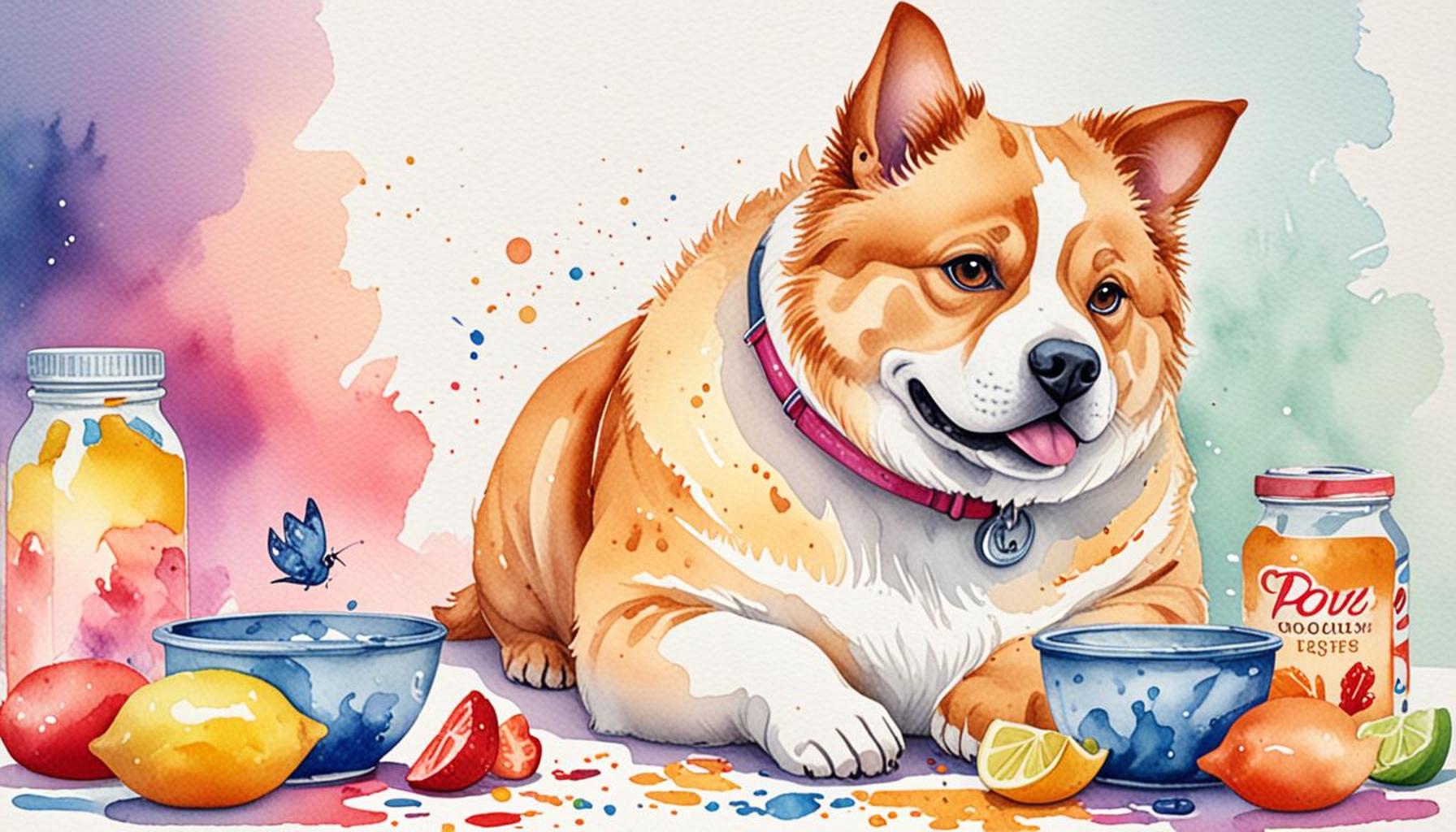
Obesity in pets represents a significant and growing concern, with alarming cases rising among dogs and cats in Nigeria and across the globe. Many pet owners are unaware of the detrimental effects excess weight can have on their animals. This issue can lead to a plethora of health complications, including heart disease, diabetes, and joint problems, which can drastically affect a pet’s quality of life. For instance, a cat that is 30% above its ideal weight may experience difficulty in grooming itself, resulting in skin issues and infections, while overweight dogs are more likely to develop arthritis, reducing their mobility and activity levels.
The Importance of Prevention and Treatment
To effectively prevent and treat obesity in pets, a comprehensive understanding of the right balance between nutrition and exercise is essential. Pet owners should frequently consult with veterinarians to ensure their pets are reaching healthy weight milestones. Regular check-ups can help track weight changes and identify early warning signs of weight-related issues. Monitoring your pet’s body condition score, a visual assessment that evaluates the fat coverage on the ribs, waist, and abdomen, is critical for ongoing health management.
Key Factors in Obesity Management
To effectively combat obesity in pets, consider the following:
- Balanced Diet: It is vital to provide your pet with a diet tailored to its specific breed, age, and activity level. For example, Nigerian pet owners may want to explore local, nutritious food options, such as incorporating quality proteins like fish or chicken along with vegetables and grains suitable for canine or feline consumption.
- Portion Control: Pet owners must measure food portions to avoid overfeeding. Be mindful of the type of treats given, as high-calorie snacks can quickly add up. Opt for healthy treats like carrot sticks or apple slices instead of traditional fatty options.
- Regular Exercise: Engage your pet in daily physical activities that promote a healthy lifestyle. Routine walks around your neighborhood or playtime in the yard not only keeps pets active but also strengthens the bond between pet and owner. Innovative activities, such as agility training, can be both stimulating and beneficial for weight loss.
- Routine Vet Visits: Regular consultations with your veterinarian are essential. They can recommend specific diets, exercise regimens, or even medications designed to help pets lose weight safely. Establishing a routine for health check-ups helps track progress and adapt strategies as needed.
By taking proactive measures, pet owners can significantly influence their furry companions’ well-being. This informative guide serves as a reference for practical steps to prevent and treat obesity, ensuring that your pets lead healthy, active, and happy lives. Creating awareness around this critical issue is a shared responsibility, and through education and commitment, we can foster a healthier future for our beloved pets in Nigeria.
RECOMMENDED: Check out this similar article
Identifying the Signs of Obesity
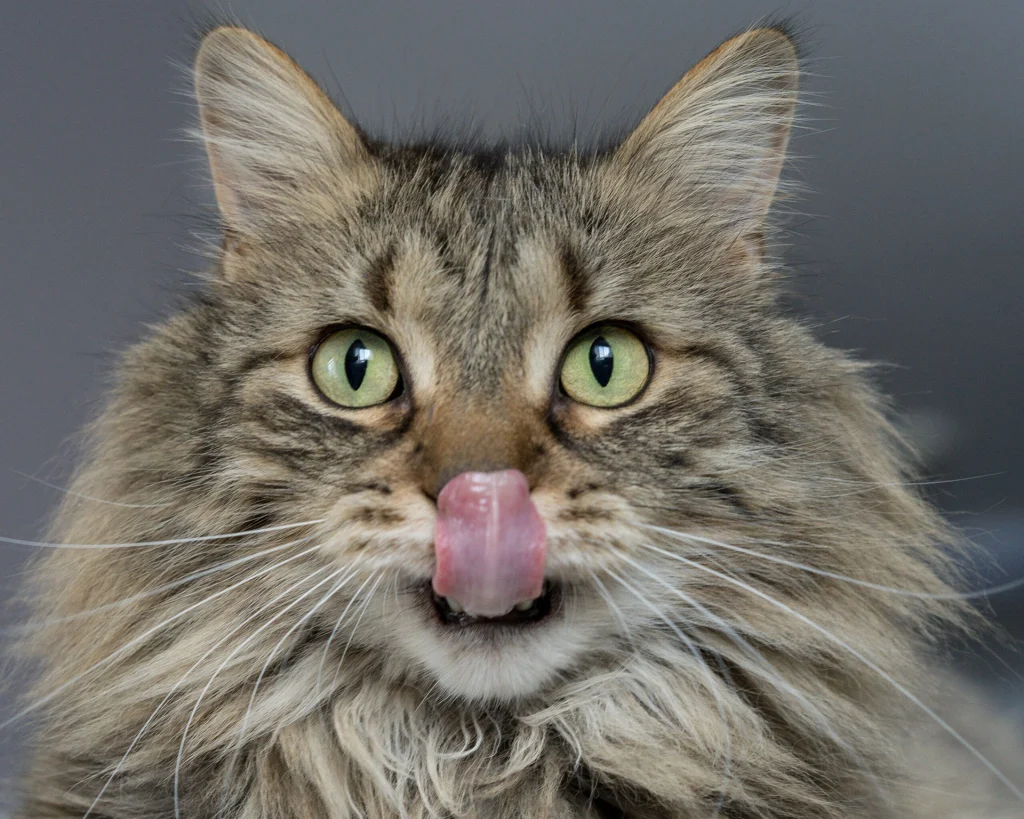
Recognizing pet obesity is the first step towards effective management. Obesity can manifest in various physical and behavioral signs, and pet owners should be vigilant in observing these changes. A few key indicators include:
- Weight Gain: The most obvious sign is a noticeable increase in weight. If your pet appears excessively heavy, it is crucial to evaluate their diet and activity levels.
- Difficulty Breathing: Overweight pets may struggle with breathing, especially during physical activity. This could indicate that excess weight is impacting their overall health.
- Decreased Mobility: Look for signs of lethargy or reluctance to engage in physical activities such as walking or playing. An overweight pet may find it challenging to move around comfortably.
- Difficulty Grooming: Obese pets often find it challenging to groom themselves adequately due to their body shape. Watch for matting in fur, poor coat condition, or skin irritations.
- Excessive Food-Seeking Behavior: If your pet constantly begs for food or appears ravenous despite regular feeding, it may indicate an unhealthy relationship with food—a common trait in overweight animals.
If you notice one or more of these symptoms, taking action is imperative. It is essential to consult with a veterinarian who can provide a thorough examination and identify potential underlying causes related to your pet’s weight.
Understanding Dietary Needs
Nutrition plays a pivotal role in preventing and managing obesity in pets. A well-balanced diet tailored to your pet’s specific needs can ensure proper weight maintenance. Pet owners should consider the following dietary guidelines:
- Age-Appropriate Meals: Puppies and kittens have different nutritional requirements compared to adult and senior pets. Always ensure the food you choose corresponds with your pet’s life stage.
- Quality Over Quantity: Opt for high-quality pet food that meets recommended nutritional standards. Reading labels and understanding ingredients can assist in choosing the best options. Look for meals that prioritize protein sources and limit fillers.
- Hydration: Fresh water should always be available. Proper hydration is vital for overall health and can help maintain a healthy metabolism.
- Limiting Table Scraps: It may be tempting to share your meals with your pet, but human food often is high in calories and can quickly contribute to weight gain. Instead, focus on providing them with treats specifically designed for pets.
By prioritizing nutritious food and ensuring a proper feeding routine, pet owners can create an optimal environment for maintaining a healthy weight.
Promoting a Healthy Exercise Routine
In addition to proper nutrition, incorporating physical activity into your pet’s daily routine is fundamental in combating obesity. Regular exercise not only aids in weight loss but also contributes to overall health by enhancing cardiovascular fitness and cognitive function. Here are some engaging activities to consider:
- Daily Walks: Taking your dog for daily walks is an excellent way to provide exercise and explore the neighborhood together. The recommended duration is at least 30 minutes, but it may vary based on your dog’s age and energy level.
- Interactive Playtime: Engage your pet with toys that stimulate their natural instincts. Play fetch, tug-of-war, or use puzzle toys that dispense treats to keep them mentally and physically active.
- Socialization Activities: Arrange playdates with other pets or visit a dog park. Socializing with other animals can encourage your pet to be more active while also enriching their social skills.
By implementing a combination of adequate nutrition and consistent exercise, pet owners can make strides towards preventing and treating obesity in their furry companions, fostering long-lasting health and happiness.
When it comes to preventing and treating obesity in pets, understanding the underlying causes is crucial. The most common contributors include overfeeding, lack of exercise, and genetic predispositions. Owners often unintentionally contribute to their pet’s weight gain by not adhering to recommended feeding guidelines. Additionally, the convenience of commercial pet foods and treats can lead to excessive calorie intake without sufficient physical activity. To combat this, implementing a structured feeding schedule and practicing portion control can make a significant difference.
One effective strategy is to incorporate regular exercise into your pet’s routine. Dogs typically benefit from daily walks, playing fetch, or agility courses, while cats can engage in interactive play with toys that stimulate their hunting instincts, fostering both physical and mental health. Gradually increasing activity levels is often more sustainable than sudden, intense workouts, especially for pets that may already be overweight.
Moreover, enhancing your pet’s diet can lead to healthier weight management. Opt for a balanced, nutrient-rich food that is specifically formulated for weight control, often labeled as “light” or “reduced-calorie.” Consulting with a veterinarian to tailor a diet that suits your pet’s unique needs is invaluable. They may also recommend incorporating fiber-rich foods to promote satiety without significantly increasing calorie intake.
Furthermore, keeping an eye on your pet’s weight and condition is vital. Regular weigh-ins and body condition score assessments can help identify weight gain before it surges out of control. Many veterinary clinics provide these services, which can guide you in making adjustments to diet and exercise plans as necessary. Remember, small, consistent changes lead to lasting results when addressing obesity.
Finally, educating yourself on pet obesity and its associated health risks is a necessary step in prevention and treatment. Pets suffering from obesity are at increased risk for a range of health issues, including diabetes, arthritis, and cardiovascular problems. Understanding the implications of these conditions can motivate pet owners to prioritize their furry friends’ weight management and overall health, instilling a lifelong commitment to better care practices.
LEARN MORE: This related article may interest you
Creating a Structured Feeding Schedule
Establishing a structured feeding schedule is crucial in managing your pet’s weight. Regular meal times help regulate your pet’s metabolism and prevent overeating. Here are some guiding principles to consider:
- Set Fixed Mealtimes: Instead of leaving food out all day (free feeding), designate specific meal times to promote discipline in eating habits. It’s generally advisable to feed adult dogs and cats twice a day while puppies and kittens may require more frequent meals.
- Measure Portions: Use a measuring cup to serve consistent portion sizes based on the guidelines provided on the pet food packaging. Over time, you will learn your pet’s ideal portion sizes according to their unique needs.
- Track Treats: Treats can contribute significantly to daily caloric intake. When giving treats, ensure they are factored into the overall diet—usually not exceeding 10% of your pet’s total caloric intake.
- Consider Food Puzzles: Engaging feeding toys or puzzles can help control portions while stimulating your pet’s mind. These toys allow pets to work for their food, turning mealtime into a fun activity.
By adhering to a structured feeding schedule, owners can greatly reduce the risk of obesity, fostering healthier eating habits in their pets.
Understanding Health Risks Associated with Obesity
Being informed about the health risks tied to pet obesity is vital for prevention and treatment. Obesity can lead to multiple chronic health conditions that impact the quality and longevity of a pet’s life. Some of these include:
- Joint Problems: Excess weight adds strain on joints, leading to conditions like arthritis, which can severely affect mobility and comfort.
- Diabetes: Just like humans, pets can develop diabetes due to obesity. This chronic condition requires serious management and can lead to several complications if not controlled.
- Heart Disease: Increased weight can contribute to heart diseases, as the heart has to work harder to supply blood to the extra tissue. This puts your pet at greater risk for heart failure.
- Respiratory Issues: Overweight pets are prone to complications such as sleep apnea, where fat deposits around the neck obstruct normal breathing during sleep.
- Liver Disease: Fatty liver disease can occur in obese pets, leading to significant health complications that may require serious interventions.
Awareness of these conditions emphasizes the importance of maintaining a healthy weight, potentially extending your pet’s lifespan and improving their quality of life.
Involving the Whole Family
Managing your pet’s obesity is not just the responsibility of one family member. It requires a collaborative effort from everyone in the household. Here’s how to ensure collective participation:
- Educate Everyone: Make sure all family members understand the significance of maintaining the pet’s health by avoiding overfeeding or reinforcing begging behaviors.
- Assign Responsibilities: Divide responsibilities for feeding, exercising, and monitoring your pet’s progress to make it a family affair. This way, everyone stays engaged in your pet’s health journey.
- Celebrate Achievements: When your pet achieves weight loss goals, take time to acknowledge the effort the family has put into managing their health, reinforcing positive behaviors.
By fostering a team effort, not only are you setting an example of healthy habits, but you are also making the process enjoyable and rewarding for everyone involved.
RECOMMENDED: Check out this similar article
Conclusion: A Healthier Future for Your Pets
In conclusion, tackling obesity in dogs and cats necessitates a proactive and informed approach. As pet owners, understanding the critical factors such as nutrition, exercise, and family involvement is essential for preventing and treating obesity effectively. Establishing a structured feeding schedule, measuring portions accurately, and engaging in regular physical activities are not just recommendations; they are vital strategies to enhance your pet’s health and quality of life.
Moreover, recognizing the serious health risks associated with obesity, such as joint problems, diabetes, and heart disease, underscores the importance of maintaining a healthy weight. By staying vigilant and informed about these conditions, you can make educated decisions that benefit both your pets and your household.
Ultimately, the journey to a healthier pet should be a family affair. By educating every family member, sharing responsibilities, and celebrating milestones together, you foster not only a healthier environment for your pets but also stronger bonds as a family unit. Remember, every small step counts. Whether you are introducing new activities, adjusting diet portions, or simply spending more time with your four-legged friends, your commitment to their well-being is the cornerstone of their health.
Let us advocate for our pets’ longevity and happiness by adopting these practical guidelines. A healthier future is within reach, bringing not just a longer life for our beloved companions, but also more joyous moments together.
Related posts:
Preventive Care: The Importance of Regular Check-ups for Early Disease Detection in Pets
The impact of diet on the joint health of pets: foods that help prevent diseases
Signs of pain in pets: how to recognize and act to relieve suffering
How to Deal with Separation Anxiety in Dogs: Effective Strategies
Tips for Pet Hearing Health: Preventing and Treating Ear Problems
The importance of environmental enrichment for the health and well-being of pets

Linda Carter is a writer and pet care expert specializing in pet health, grooming, and wellness. With extensive experience helping pet owners create safe, loving, and enriching environments for their animals, Linda shares her knowledge on our platform. Her goal is to empower readers with practical advice and strategies to ensure their pets thrive and lead joyful, healthy lives.