Tips for Pet Hearing Health: Preventing and Treating Ear Problems

The Importance of Pet Ear Health
When it comes to caring for our beloved pets, ear health is an area that often falls under the radar. Nevertheless, it is a vital aspect of their overall well-being. Pets, much like their human companions, are susceptible to a variety of ear problems that can cause significant discomfort and could lead to serious health issues if left untreated. Being mindful of your pet’s ear health is essential, as early intervention can often prevent more severe conditions.
Common Issues Affecting Your Pet’s Ears
- Ear infections: These can be bacterial or fungal and may stem from moisture, allergens, or even wax buildup. Symptoms might include excessive scratching, shaking of the head, or an unpleasant odor emanating from the ear.
- Ear mites: Particularly common in cats and dogs, ear mites are tiny parasites that cause intense itching. If you notice your pet frequently scratching at their ears or if you see dark debris that resembles coffee grounds in their ear canal, it could be a sign of infestation.
- Allergies: Pets suffering from allergies might develop ear issues as a secondary condition. Common allergens include pollen, dust mites, and certain food ingredients that may trigger responses such as itching, swelling, or discharge.
- Wax buildup: While some wax is normal as a protective measure, excessive buildup can lead to blockages, discomfort, and infections. Regular cleaning helps prevent this issue.
- Foreign bodies: Objects like grass seeds or small twigs can become lodged in an ear, causing pain and potentially leading to infections or injury.
Understanding these issues can empower pet owners to take a proactive stance when it comes to their furry friends’ ear health. To promote optimal hearing and overall ear function, consider implementing these essential tips:
- Regular ear cleaning: Depending on your pet’s breed and lifestyle, regularly cleaning their ears can help to keep them in tip-top shape. Specialized pet ear wipes or solutions can be used, but consult your veterinarian for the best recommendations.
- Routine veterinary check-ups: Schedule regular visits to the vet where they can assess your pet’s ear health as part of a comprehensive examination. Early detection of issues can lead to simpler treatments.
- Monitor for signs of discomfort: Pay close attention to your pet’s behavior. If they constantly scratch their ears, shake their heads, or show signs of distress, it’s essential to seek veterinary advice promptly.
It is critical to recognize that ear problems can arise in any pet, regardless of breed or species. In Nigeria, hot and humid conditions can exacerbate ear issues due to increased moisture and the prevalence of allergens, making proactive care even more essential. The tropical climate can promote a breeding ground for bacteria and fungi, contributing to frequent infections and irritants.
In this article, we will delve deeper into preventative measures such as dietary considerations and lifestyle adaptations as well as explore effective treatment options for maintaining your pet’s ear health. By providing the appropriate care, pet owners can ensure a happier, healthier life for their cherished companions, reinforcing the special bond shared with them.
SEE ALSO: Click here to read another article
Understanding Common Ear Issues in Pets
Before diving into preventing and treating ear problems, it’s essential to understand the common issues that can affect your pet’s ears. Each breed possesses unique ear structures, making some more prone to specific problems than others. For example, breeds with floppy ears, like Basset Hounds and Cocker Spaniels, are at a heightened risk for developing ear infections due to decreased airflow. Recognizing the various ear issues can empower pet owners to provide timely and effective care.
1. Ear Infections
Ear infections can stem from various causes including bacteria, yeast, and even mites. Pets with allergies are particularly susceptible, as inflammation can trap moisture and debris in the ear canal. Symptoms may include:
- Excessive scratching or pawing at the ears
- Redness or swelling in the ear canal
- Foul-smelling discharge
- Continual shaking of the head
Should you notice these signs, consulting a veterinarian is vital. They can determine if it’s an infection and recommend appropriate treatments, which may include medications or specialized ear cleaners that suit your pet’s specific needs.
2. Ear Mites
Particularly in environments like Nigeria, where outside exposure is prevalent, ear mites are a common concern for pet owners. These minuscule parasites cause intense itching and discomfort. When infested, pets may shake their heads excessively or scratch at their ears, creating a vicious cycle of irritation. A telltale sign of ear mites is the presence of dark, grainy debris in the ear canal, which can resemble coffee grounds. If you observe this symptom, a visit to your vet for a proper diagnosis is essential.
3. Allergic Reactions
Allergies in pets are increasingly commonplace and can lead to secondary issues affecting the ears. Pets may develop sensitivities to certain foods, environmental factors, or even grooming products. The resultant itching and swelling can lead to inflammation and infections. Paying attention to your pet’s environment and diet can aid in identifying potential allergy triggers. If you suspect your pet is struggling with allergies, your veterinarian can recommend a management plan to alleviate these concerns.
4. Wax Buildup
While wax serves as a protective mechanism for the ear, excessive buildup can be problematic. It can lead to blockages in the ear canal and become a breeding ground for bacteria. Most importantly, it is essential to ensure that ear cleanup is performed based on your pet’s specific needs and lifestyle. Regular inspections can help catch issues early on before they escalate into more severe problems.
5. Foreign Bodies
Living in a region with an abundant outdoor environment means encountering foreign bodies in your pet’s ears is a real possibility. Grass seeds, small twigs, or dirt can become lodged in the ear canal, causing discomfort and pain. If you suspect your pet has a foreign body in their ear, avoid inserting anything into the canal yourself. Instead, seek professional help as soon as possible to prevent further complications.
Recognizing these common ear problems is the first step to maintaining your pet’s ear health. Being vigilant about your pet’s ear condition enables timely intervention, ensuring a better quality of life for your furry companions.
Understanding Your Pet’s Ear Health
When it comes to the auditory well-being of our beloved pets, awareness can make all the difference. Regular ear inspections should be a routine part of your pet care regimen. It is essential to familiarize yourself with what healthy ears look like—this way, you can identify potential issues before they progress. Clean, pink ear canals devoid of any discharge or foul odor indicate good ear health. However, any signs of dirt, redness, or unusual smells should prompt a visit to the veterinarian.
Common Ear Problems in Pets
Pets can suffer from various ear issues, including ear infections, allergies, and ear mites. Ear infections often arise due to trapped moisture, leading to bacterial growth. Be particularly aware of any persistent scratching, head shaking, or whining from your pet, as these can signal discomfort associated with ear problems. Additionally, pets with allergies can develop inflammation in their ears, exacerbating the risk of infection.
Prevention Strategies
Preventing ear problems is often easier than dealing with them after they occur. Regular grooming and clean ears are vital components. Utilize vet-approved cleaning solutions to maintain cleanliness, while avoiding cotton swabs that may further push debris deeper into the ear canal. It’s also beneficial to ensure your pet’s ears remain dry, especially after baths or swimming. If you notice your pet frequently getting wet in the ears, consider using cotton balls as a precaution.
Recognizing When to Seek Help
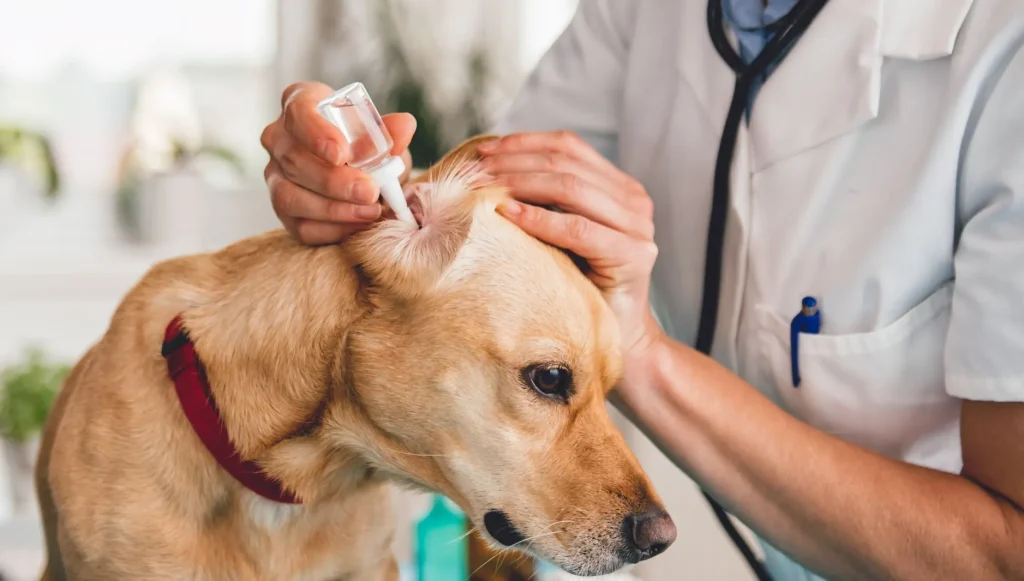
Understanding when to consult a veterinarian is crucial for prompt treatment. If home-care strategies don’t yield improvements, or if symptoms escalate, it’s important to act. A vet can diagnose underlying issues and may prescribe treatment courses like medicated ear drops tailored to your pet’s condition. In summary, being proactive about your pet’s ear health can lead to a more comfortable and happier life for your furry friend. If you’re curious to learn more about how to shield your pet from ear problems or about the treatments available, there’s a wealth of resources out there waiting to be explored.
CHECK OUT: Click here to explore more
Effective Prevention Strategies for Ear Health
Successful prevention can often be the best medicine when it comes to your pet’s ear health. By proactively taking steps to protect your furry friend from common ear problems, you not only increase their comfort but also enhance their overall well-being. Here are some expert-recommended strategies to help keep your pet’s ears healthy:
1. Regular Ear Cleaning
Routine ear cleaning can be a game changer in preventing infections and other ear issues. Vets often recommend cleaning your pet’s ears at least once a month, but it may be more frequent for certain breeds prone to ear problems. Use a gentle, veterinarian-approved ear cleaner and cotton balls to remove dirt and wax buildup. Avoid using cotton swabs, as these can push debris deeper into the ear canal and cause damage.
2. Dry Ears After Bathing
Moisture is a breeding ground for bacteria and fungi, so it’s critical to ensure your pet’s ears dry thoroughly after bath time or swimming. Gently wipe the outer ear with a clean towel, and use a vet-recommended drying solution if you suspect excess moisture is trapped inside. For pets that love to swim, consider using ear plugs designed for dogs to help keep water out while enjoying their time in the water.
3. Monitor Allergies and Food Sensitivities
In Nigeria, the prevalence of allergies in pets is on the rise, significantly impacting ear health. Keep a close eye on your pet’s diet and environment for potential allergens. If your pet experiences chronic itching and ear issues, consult your veterinarian about conducting food allergy tests or trying an elimination diet to identify triggers. Additionally, ensuring a balanced diet rich in essential fatty acids can improve skin and ear health.
4. Regular Veterinary Check-ups
Routine veterinary visits play an essential role in maintaining your pet’s overall health, including ear health. Schedule check-ups at least once a year, and more frequently if your pet has a history of ear problems. During these visits, your veterinarian can spot early signs of infection, wax buildup, or allergies and provide guidance on management strategies tailored to your pet’s individual needs.
5. Protect from Parasites
Preventing parasites is another crucial aspect of maintaining ear health. Implement a regular preventive regimen for parasites like fleas, ticks, and mites that can lead to ear problems. In the Nigerian context, it’s crucial to consult your vet about the best parasite control products suited for your pet and the environmental conditions in your area.
6. Breed-Specific Considerations
Don’t overlook the unique needs of your pet’s breed. Certain breeds have particular ear-related challenges, requiring tailored care. For instance, dogs with fluffy or floppy ears may require more diligent cleaning and drying practices compared to breeds with erect ears. Understanding your pet’s breed-specific predispositions allows for more focused preventive measures.
In summary, a proactive approach to ear health is essential for maintaining your pet’s comfort and happiness. By implementing these preventive strategies, you can significantly reduce the risk of ear problems, ensuring that your cherished companion enjoys a long, healthy life.
ADDITIONAL INSIGHTS: Expand your understanding here
Conclusion
In conclusion, ensuring the optimal ear health of our beloved pets is not just a matter of comfort, but a vital component of their overall well-being. By embracing a proactive approach that includes regular ear cleaning, monitoring allergies, and safeguarding against moisture and parasites, pet owners can make significant strides in preventing common ear issues. It’s essential to remain vigilant and attentive to changes in your pet’s behavior, as early detection is key to addressing ear problems effectively.
Furthermore, understanding your pet’s unique needs based on breed predispositions allows for tailored care that can further mitigate risks. As the pet health landscape continues to evolve, staying informed through regular consultations with your veterinarian can provide invaluable insights into best practices and treatments. Readers in Nigeria are encouraged to explore local veterinary resources and community forums for additional support and information tailored to the specific challenges faced by pets in the region.
By prioritizing ear health, pet owners not only safeguard their animals from discomfort but also promote a happier, more active lifestyle for their furry companions. Invest time in learning about ear care procedures, and always be prepared to seek professional guidance when needed; your pet should enjoy not only a long life but a life free from the pain of ear problems.
Related posts:
How Nutrition Affects Pet Longevity: Discovering Foods that Promote Health
How to Prevent and Treat Obesity in Dogs and Cats: A Practical Guide
Signs of pain in pets: how to recognize and act to relieve suffering
Healthy Eating for Dogs and Cats: What You Need to Know
How to Deal with Separation Anxiety in Dogs: Effective Strategies
How to Maintain Your Pets' Dental Health: Essential Tips

Linda Carter is a writer and pet care expert specializing in pet health, grooming, and wellness. With extensive experience helping pet owners create safe, loving, and enriching environments for their animals, Linda shares her knowledge on our platform. Her goal is to empower readers with practical advice and strategies to ensure their pets thrive and lead joyful, healthy lives.