Nutritional Supplements: When and How to Use Them to Improve Pets’ Health
The Importance of Nutritional Supplements for Pets
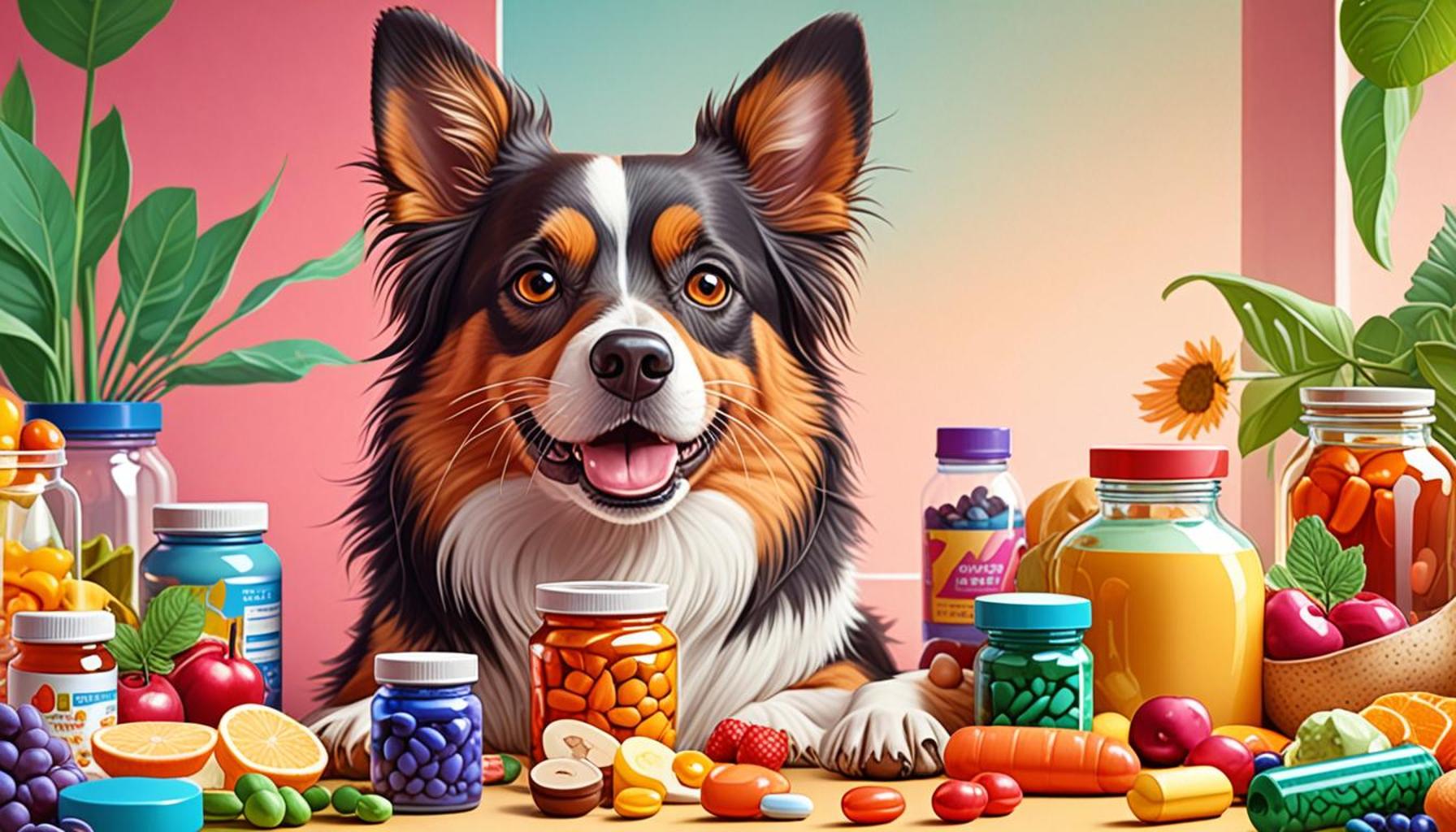
Nutritional supplements can be essential for enhancing your pet’s overall health and longevity. For pet owners, ensuring that your furry companions receive the right nutrients becomes a crucial aspect of caregiving. Whether you have an energetic puppy, a senior dog struggling with joint issues, or a sprightly kitten, proper supplementation can provide significant benefits that contribute to their well-being and happiness.
The landscape for pet nutrition is rapidly evolving, especially in Nigeria, where awareness surrounding pet health is reaching new heights. Unfortunately, many pet owners may not be fully informed about the diverse range of supplements available, each designed to address unique health needs. Below is a closer look at some of the most popular types of supplements:
- Vitamins and Minerals: These are crucial for bolstering your pet’s immune system and supporting various bodily functions. Commonly needed vitamins include A, D, E, and minerals like calcium for bone health.
- Omega Fatty Acids: These are particularly beneficial for maintaining healthy skin and a shiny coat. Omega-3 and Omega-6 fatty acids are known for their anti-inflammatory properties, which can alleviate skin conditions and promote overall skin health.
- Probiotics: Often referred to as “good bacteria,” probiotics are vital for supporting your pet’s digestive health. They help in balancing gut flora and can be particularly useful after antibiotic treatments.
- Joint Supplements: Products containing glucosamine and chondroitin are especially beneficial for older pets. These compounds support cartilage health and mobility, making it easier for aging pets to move around comfortably.
The growing awareness of pet care in Nigeria has resulted in a significant increase in the availability of these products, making it easier for owners to access quality supplements for their pets. However, the question remains: when is the right time to introduce these supplements into their diet?
- Consider the age and breed of your pet; puppies may need different supplements compared to seniors.
- Assess specific health issues or concerns, such as skin allergies or joint pain, that might necessitate supplementation.
- Look for dietary deficiencies, particularly in homemade diets or those that may not meet the nutritional needs of your pet.
To effectively incorporate these supplements into your pet’s regimen, start by consulting with a veterinarian, who can provide tailored advice based on individual health needs. Whether it’s mixing a powder into their food or opting for chewable options, proper integration can make a remarkable difference.
As you explore the world of nutritional supplementation, you may find new and enjoyable ways to enhance your furry friend’s quality of life. By understanding the importance of these products, you empower yourself as a pet owner to make informed choices that support the health and happiness of your beloved companions.
LEARN MORE: This related article may interest you
Identifying the Right Supplements for Your Pet
When navigating the world of nutritional supplements for pets, understanding the specific needs of your animal is crucial. Each pet is unique, and factors such as age, breed, and health conditions can significantly influence their nutritional requirements. In Nigeria, where many pet owners are still learning about optimal pet care practices, identifying the right supplements can often feel overwhelming. However, with the right knowledge and guidance, you can make choices that enhance your pet’s health.
The decision on when to introduce supplements should not be taken lightly. Here are the key indicators that your pet may benefit from nutritional supplementation:
- Age Considerations: Puppies and kittens have distinct growth requirements that necessitate additional nutrients for healthy development. On the other hand, seniors may need tailored supplements to combat age-related issues.
- Specific Health Concerns: If your pet exhibits signs of common health issues, such as arthritis, skin allergies, or digestive disorders, specific supplements can provide the targeted support they need.
- Dietary Gaps: If you prepare homemade meals for your pet, it’s essential to evaluate whether they are receiving a balanced diet. Some pets may require multivitamin supplements to fill any nutritional voids.
- Stress or Lifestyle Changes: Life events such as moving, new family members, or even changes in routine can impact your pet’s emotional and physical health, indicating a potential need for calming supplements or probiotics.
In Nigeria, as interest in pet care rises, various manufacturers are stepping up to address these needs with a broad array of products. From high-quality fish oil capsules rich in omega-3 fatty acids to fortified multivitamins, the options can be indeed extensive. Yet, while the availability of these products has increased, it can also lead to confusion regarding the best choices for your pet’s health requirements.
To successfully integrate supplements into your pet’s diet, it’s essential to follow a well-considered strategy. Start by scheduling a consultation with your veterinarian, who can assess your pet’s individual health status and guide you on suitable supplementation. Consider the dosage and form of the supplement as well; for instance, liquid, capsules, or chewable tablets can vary greatly in palatability and effectiveness.
Moreover, gradual introduction is a practical approach. Mixing new supplements with your pet’s favorite food can make the process smoother, ensuring they adjust well to the change. Keep an eye out for any adverse reactions during the initial days, and don’t hesitate to follow up with your vet if any concerns arise.
By taking these proactive steps, you can ensure that the nutritional supplements you choose are contributing positively to your pet’s health. With a balanced approach to supplementation, you empower your pet to live a longer, healthier, and happier life.
| Category | Details |
|---|---|
| Vitamins | Essential for metabolic processes, they promote energy and vitality in pets. |
| Minerals | Important for bone health and ensuring proper digestive functions in animals. |
| Omega Fatty Acids | Supports healthy skin and coat, and promotes overall joint health. |
| Protein Supplementation | Vital for muscle development and recovery, especially after exercise or health issues. |
| Probiotics | Enhances gut health and aids in nutrient absorption, reducing digestive issues. |
Nutritional supplements serve as a crucial component in a pet’s diet, enhancing overall health and supporting the body in various ways. When choosing supplements, it’s essential to consider your pet’s specific needs, which can differ based on age, size, and health requirements. For example, senior pets may benefit from joint support supplements, while active dogs and cats could require additional protein for muscle recovery. Always consult a veterinarian before introducing any new supplements to ensure they align appropriately with your pet’s existing dietary regime and medical history.
ADDITIONAL INSIGHTS: Expand your understanding here
Understanding the Types of Nutritional Supplements
When equipping yourself with knowledge about nutritional supplements for your pets, it’s essential to recognize the various types available and how each can cater to your pet’s specific needs. In Nigeria, as pet ownership grows, so does awareness surrounding the importance of supplementing a pet’s diet. Choosing the right types of supplements can unlock numerous health benefits for your furry friends.
Vitamins and Minerals: These are the most common forms of nutritional supplements available. Vitamins such as A, B, C, D, E, and K play vital roles in your pet’s health, supporting functions like immune response, energy production, and visual acuity. Additionally, minerals such as calcium, phosphorus, and magnesium are indispensable for bone health and maintenance of metabolic functions. If your pet is on a homemade diet or is picky with food, multivitamin supplements can help bridge any nutritional gaps.
Fatty Acids: Omega-3 and Omega-6 fatty acids, often found in fish oil supplements, are renowned for their anti-inflammatory properties. These fatty acids can help alleviate skin irritations and allergies, making them particularly beneficial for pets grappling with these issues. Regular supplementation can lead to shinier coats and improved skin health. In Nigeria, where pets can be susceptible to tropical skin conditions, these supplements have become increasingly popular among pet owners.
Probiotics: The health of your pet’s gut is directly tied to their overall well-being. Probiotic supplements can facilitate better digestion and bolster the immune system by promoting a healthy balance of gut bacteria. This is especially vital for pets with sensitive stomachs or those recovering from gastrointestinal ailments. For Nigerian pet owners, introducing probiotics can be a game-changer in maintaining your pet’s digestive balance, which is essential given the variety of diets prevalent in various regions of the country.
Joint and Mobility Support: As pets age or if they have certain breeds known for joint issues, like Labradors or Dachshunds, dedicated supplements such as glucosamine and chondroitin can be beneficial. These components promote joint health and can aid in reducing discomfort caused by arthritis or hip dysplasia. Ensuring your pet can maintain a comfortable level of activity is crucial to their overall quality of life.
Herbal Supplements: An emerging area in the Nigerian pet supplement market is herbal remedies. Ingredients like turmeric and ginger are gaining recognition for their anti-inflammatory and antioxidant properties. These natural alternatives can supplement traditional diets and may offer holistic benefits for pets dealing with chronic pain or health imbalances.
When considering these various types of supplements, it’s vital to follow the principle of moderation. Over-supplementation can lead to unintended health consequences. Regular check-ins with a veterinarian will help in monitoring your pet’s response to supplements, making adjustments as necessary. In essence, the proper integration of these diverse supplements into your pet’s diet can significantly contribute to their health and vitality, paving the way for a happier, healthier pet life.
YOU MAY ALSO LIKE: Read read another article
Conclusion
In a rapidly evolving landscape of pet care, nutritional supplements have emerged as integral tools in promoting the health and well-being of our furry companions. As responsible pet owners in Nigeria seek out holistic options to enhance their pets’ diets, understanding the diverse range of available supplements—from vitamins and minerals to herbal remedies—becomes essential. Each type of supplement serves unique purposes, targeting areas such as digestion, joint health, and skin care, all of which contribute to a happier, more vibrant pet life.
However, knowledge is just the first step. The key lies in a thoughtful approach to when and how to use these supplements. Tailoring supplementation to meet your pet’s specific health needs, and consulting with a veterinarian can ensure a balanced and safe approach. It’s important to embrace moderation, as over-supplementation can lead to potential health risks. Keeping an eye on your pet’s response can help maximize the benefits and lead to quick adjustments if needed.
Furthermore, as the Nigerian pet-ownership culture continues to flourish, there is an increasing opportunity for pet owners to educate themselves about the latest advancements in nutritional science. Engaging with local pet health communities, exploring new products, and staying informed about dietary innovations can enhance the quality of life for pets more than ever before. As we explore this journey of health through nutrition, our pets not only thrive but also remind us of the deep bonds we share, enriching our lives in countless ways.
Related posts:
Homemade Pet Food Recipes: Nurturing with Love and Creativity
Natural Foods vs Commercial Pet Food Which is Best for Your Pet
Natural Foods vs. Commercial Pet Food: What Is Better for Your Pet's Nutrition?
How Nutrition Affects the Mental and Behavioral Health of Pets
The Influence of Nutrition on the Prevention of Common Diseases in Pets
Conscious Feeding: How to Make Sustainable Choices for Your Pet's Diet

Linda Carter is a writer and pet care expert specializing in pet health, grooming, and wellness. With extensive experience helping pet owners create safe, loving, and enriching environments for their animals, Linda shares her knowledge on our platform. Her goal is to empower readers with practical advice and strategies to ensure their pets thrive and lead joyful, healthy lives.