How to Adapt Your Pet’s Nutrition at Different Stages of Life
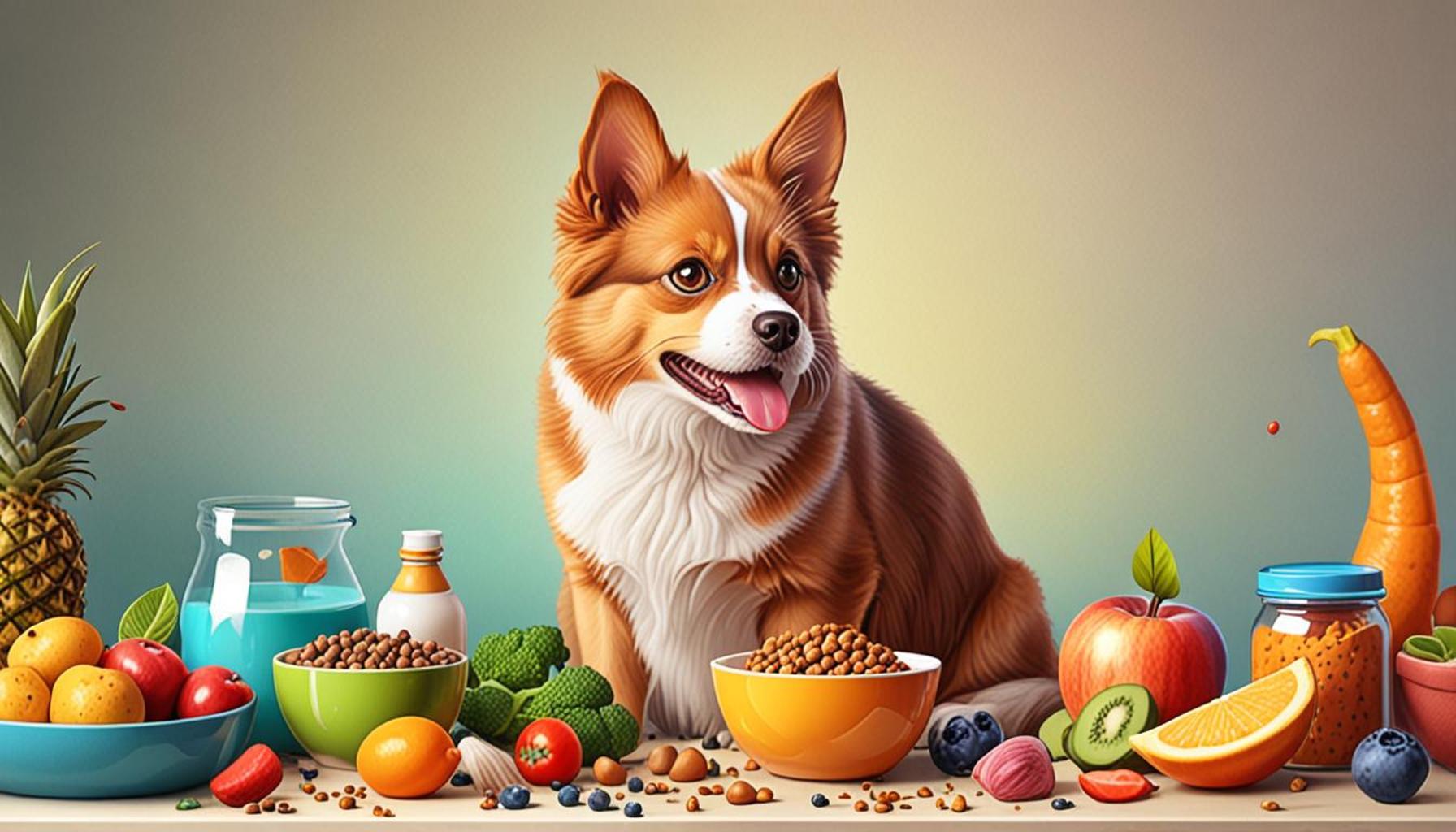
Understanding Your Pet’s Nutritional Needs
Providing proper nutrition to our pets is not just an act of love; it is a fundamental aspect of responsible pet ownership. Nutritional needs are dynamic and evolve as our pets progress through different life stages. These changes can significantly influence their overall health and quality of life.
For instance, puppies and kittens undergo rapid growth, requiring a diet that is rich in calories, protein, and essential nutrients. During these formative months, their bodies are developing muscles and organs; thus, a nutrient-dense food tailored for growth is paramount. Brands often produce specific formulas for young animals, containing higher levels of protein and fat to support their energy needs. Including high-quality proteins such as chicken or fish can enhance their development, ensuring they grow into healthy adults.
As pets transition to adult life, their nutritional requirements shift. An adult dog’s or cat’s diet should focus on maintaining an optimal weight and providing balanced nutrients. For many pet owners in Nigeria, this may involve incorporating locally sourced ingredients, such as goat meat or mackerel, which are both rich in nutrients and relatively affordable. A balanced diet at this stage might include a mixture of proteins, healthy carbohydrates, fats, vitamins, and minerals to support overall health and energy levels.
In the later years, senior pets experience changes that may necessitate dietary adjustments. They often require fewer calories, yet their nutrient requirements may remain heightened, especially concerning joint health and digestion. Senior pet foods frequently include supplements like glucosamine and omega fatty acids, which are essential for arthritis management and maintaining healthy skin and coat. In Nigeria, traditional remedies such as certain herbs can complement commercial diets, offering added health benefits that cater to local practices.
Notably, understanding local dietary options is critical in Nigeria. Many pet owners might leverage the local market by choosing local proteins like tilapia or chicken, which are both nutritionally adequate and culturally significant. In addition, vegetarian options such as beans and rice can be tailored into a balanced diet, providing essential amino acids when accompanied by the right vegetables.
Transitioning between these life stages can indeed be daunting. However, acknowledging the specific dietary needs at every phase is crucial. By making informed choices and utilizing available local resources, pet owners can help their furry companions lead long, healthy lives. Delve deeper into the specifics of each stage in the following sections to better understand how you can tailor your pet’s nutrition throughout their life journey!
LEARN MORE: This related article may interest you
Nutritional Essentials for Puppies and Kittens
The journey of a pet begins in its early stages as a puppy or kitten, where proper nutrition is fundamentally crucial for robust growth and development. During this period, the focus should be on feeding a diet rich in calories, proteins, and essential nutrients. Young animals need a higher intake of these macronutrients to fuel their rapid physical changes. As such, many manufacturers provide specially formulated foods that cater specifically to these developmental needs.
For puppies and kittens, the ideal diet should contain:
- High-quality proteins: Ingredients like chicken, fish, and organ meats serve not only as sources of energy but also play a vital role in muscle, brain, and overall organ development.
- Healthy fats: Omega-3 and Omega-6 fatty acids are crucial for skin health, cognitive function, and a glossy coat.
- Vitamins and minerals: Key nutrients, such as calcium and phosphorus, support the development of strong bones and teeth.
Pet owners in Nigeria may find locally available options such as goat meat or tilapia to be excellent protein sources. Moreover, brands that produce specialized diets for growing pets often include regional ingredients that cater to local preferences and economic circumstances, making it easier to keep costs manageable while providing optimum nutrition.
Adjusting Nutrition for Adult Pets
As pets transition into adulthood, their nutritional focus pivots towards maintaining a healthy weight and overall well-being. Adult animals, whether dogs or cats, typically require fewer calories than their younger counterparts, but their diets need to be balanced to prevent obesity and associated health issues.
Key considerations for adult pet nutrition include:
- Balanced diet: Incorporating a mix of proteins, carbohydrates, and fats is vital for energy and metabolic function.
- Weight management: Regularly assessing body condition and adjusting portion sizes can help maintain an optimal weight, crucial in preventing diseases like diabetes and heart conditions.
- Local ingredients: Utilizing locally sourced foods like mackerel or beans can enhance the diet’s adequacy while being economically viable.
In addition, pet owners must take into account any breed-specific dietary needs or sensitivities. For instance, large breed dogs may benefit from diets formulated to reduce the risk of joint problems, while certain cat breeds may need specialized nutrients to guard against common health issues. The adaptability of adult nutrition is key, ensuring that each pet leads a healthy, fulfilling life.
Navigating through these nutritional shifts from puppyhood to adulthood presents its challenges, but understanding the unique requirements at each stage is imperative. Prioritizing the right ingredients and maintaining a balanced diet allows pet owners to effectively contribute to their pets’ long-term health and happiness.
| Life Stage | Nutritional Focus |
|---|---|
| Puppy/Kitten | High energy needs for growth with nutrient-dense food. |
| Adult | Balanced diet to maintain optimal health and muscle mass. |
| Senior | Lower calories with added fiber and necessary supplements for joint health. |
As pets age, their nutritional needs evolve dramatically, reflecting changes in metabolism, activity levels, and overall health. During the puppy and kitten stage, a diet rich in proteins and fats is crucial to support their rapid growth and energy requirements. Owners should focus on high-quality, commercial pet foods tailored specifically for developing animals to ensure they receive the essential vitamins and minerals to foster healthier bones and immune systems.As pets become adults, it’s important to shift their diet towards a more balanced approach. This includes a blend of proteins, carbohydrates, and essential fatty acids to maintain a healthy weight and provide sustained energy. Regular consultations with a veterinarian can guide you in choosing the best commercial diet or preparing homemade meals rich in nutrients, ensuring your adult pet remains active and lively.In the senior stage, many pets experience a decrease in activity, necessitating a shift towards lower-calorie, high-fiber diets. This helps prevent obesity, which can exacerbate health issues. It is vital to introduce senior-formulated diets that often include joint-supporting nutrients such as glucosamine, promoting longevity and enhancing quality of life.
YOU MAY ALSO LIKE: Read read another article
Nutritional Needs for Senior Pets
As pets gracefully age into their senior years, typically around the age of 7 for dogs and 10 for cats, their nutritional needs transform significantly once again. During this stage, older pets often experience a gradual decrease in energy levels and metabolic rate, necessitating a reevaluation of their diets to promote longevity and prevent age-related health issues.
Key components of a suitable diet for senior pets include:
- Reduced calorie intake: To avert obesity, which can exacerbate joint pain or diabetes, it is essential to reduce calorie consumption while ensuring that nutrient density is prioritized.
- Joint support: Ingredients like glucosamine and chondroitin can be beneficial in maintaining joint health, alleviating discomfort, and promoting mobility.
- Digestibility: Senior pets may experience changes in their digestive health; therefore, a diet rich in easily digestible proteins and fibers can aid in smoother digestion and better nutrient absorption.
For many Nigerian pet owners, using locally available foods such as sweet potatoes, pumpkin, or pounded yam can provide high levels of fiber and digestible carbohydrates for senior dogs and cats. Additionally, tailored formulas from pet food brands specifically crafted for older animals often incorporate these ingredients, conveniently meeting the evolving wellness needs of senior pets.
Considerations for Specific Health Conditions
As pets age, they become more susceptible to a variety of health conditions that may require dietary adjustments. Chronic conditions such as kidney disease, pancreatitis, or heart disease frequently dictate specific nutritional requirements, necessitating careful attention from pet owners.
When managing these conditions, one should consider:
- Prescription diets: Many veterinarians may recommend specialty foods designed to manage particular conditions, such as low-protein diets for kidney health or low-sodium diets for heart conditions.
- Hydration: Ensuring that senior pets have constant access to fresh, clean water is vital, especially if they are on dry kibble diets. Adding wet food into their meal plan can also aid in hydration.
- Monitoring changes: It is advisable to regularly monitor your pet’s weight and overall health, consulting a veterinarian if any drastic changes occur.
The practice of customizing a pet’s diet according to his or her health condition can make a significant difference in improving quality of life. For instance, diabetic dogs may benefit from a high-fiber, low-carb diet that aids in regulating blood sugar levels. Meanwhile, cats facing renal issues might thrive on a diet lower in protein yet enriched with specific nutrients to support kidney function.
Ultimately, transitioning your pet through the various life stages, especially into senior years with added health considerations, involves a proactive approach. Seeking guidance from veterinarians is paramount to tailoring a diet that effectively meets the changing nutritional requirements of your furry companions, thus enabling them to enjoy healthier and happier lives.
ADDITIONAL INSIGHTS: Expand your understanding here
Conclusion
In conclusion, understanding how to adapt your pet’s nutrition at different stages of life is crucial for promoting their health and well-being. From the playful energy of puppies and kittens to the more nuanced dietary needs of adult pets and the special considerations required for senior animals, each age brings its own unique challenges and requirements. By focusing on nutrient density, digestibility, and tailored approaches for specific health concerns, pet owners can significantly enhance their furry companions’ quality of life.
The journey of pet nutrition is not just about feeding; it’s about ensuring a balanced, wholesome diet that evolves as the years go by. Local Nigerian ingredients, such as cassava or beans, can provide excellent nutrition at various stages, enriching diets in a culturally relevant manner. Moreover, regular veterinary check-ups and consultations enable pet owners to stay informed about the best feeding practices, while also tailoring diets to accommodate any health issues, thereby ensuring optimal health and longevity.
Ultimately, every pet is unique, and their dietary needs will vary based on a multitude of factors including size, breed, and health status. Being proactive and educated about these changes allows pet owners to foster a longer, healthier life for their pets. Embrace the journey of nutritional adaptation, and watch your beloved companions thrive through every beautiful stage of their lives.
Related posts:
Toxic Foods: What to Avoid in Pet Diets
The Effects of Nutrition on Pet Longevity
How to Identify Food Allergies in Pets and Adjust Their Diet
Balanced Nutrition Key to Dog Cat Health and Longevity
Natural Foods vs Commercial Pet Food Which is Best for Your Pet
Nutritional Supplements: When and How to Use Them to Improve Pets' Health

Linda Carter is a writer and pet care expert specializing in pet health, grooming, and wellness. With extensive experience helping pet owners create safe, loving, and enriching environments for their animals, Linda shares her knowledge on our platform. Her goal is to empower readers with practical advice and strategies to ensure their pets thrive and lead joyful, healthy lives.