The Importance of Nutrition in the Recovery of Pets after Illnesses
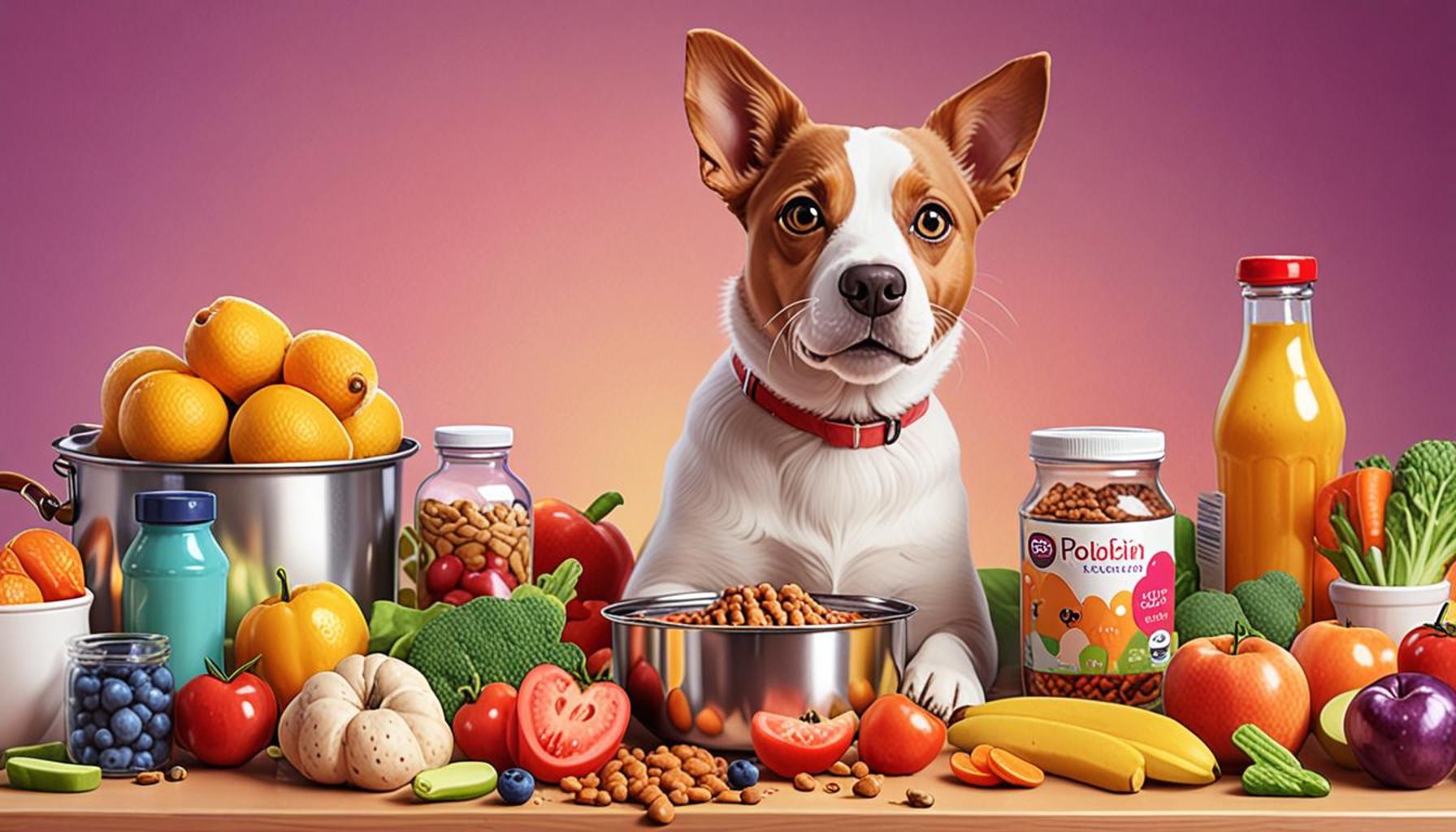
The Importance of Nutrition in Pet Recovery
Ensuring our pets receive the right nutrition is crucial, particularly when they are on the mend from illnesses. When dogs, cats, and other pets face health challenges, they experience not only physical fatigue but also emotional stress. A specialized diet can significantly aid in their recovery, helping them regain the strength and vitality they need.
Here are some essential reasons why nutrition is vital for your recovering pets:
- Supports Healing: Key nutrients, such as proteins and vitamins, play a fundamental role in repairing tissues and promoting overall healing. For instance, protein helps in the regeneration of muscle and tissue cells, making it critical for recovery after surgery or illness.
- Boosts Immunity: A balanced diet rich in antioxidants, such as vitamins A, C, and E, strengthens the immune system. This is particularly important for pets recovering from infections, as a robust immune response can help avert further diseases.
- Maintains Healthy Weight: Monitoring your pet’s caloric intake during recovery is essential. Over or underfeeding can lead to unhealthy weight fluctuations. In Nigeria, many pet owners have learned to adjust their pet’s meals according to their activity level and health condition. For example, a pet that has undergone surgery may require fewer calories until they are fully active again.
- Enhances Energy Levels: Adequate energy sources from a balanced diet help pets return to their usual playful selves. Carbohydrates and fats are essential energy sources that help fuel your pet’s daily activities, crucial for mental and physical well-being.
In Nigeria, the appreciation for local ingredients shines through in the way many pet owners prepare food for their companions. Ingredients such as fish, chicken, and a variety of vegetables provide a wholesome diet that can be customized to meet pets’ specific health needs. For example, adding leafy greens to meals can provide essential vitamins, while fish offers omega-3 fatty acids that may reduce inflammation.
To make an informed decision regarding your pet’s diet, consulting a veterinarian is advisable. They can provide tailored dietary plans based on your pet’s unique condition and recovery requirements. Incorporating their advice can enhance your pet’s rehabilitation journey, ensuring they receive a balanced meal that supports their health.
Understanding the importance of nutrition equips pet owners with the knowledge to make choices that profoundly impact their pet’s health. This article aims to provide deeper insights into dietary considerations, essential nutrients, and practical tips that can ensure a smooth and effective recovery process for pets after illness.
RECOMMENDED: Check out this similar article
Nutritional Cornerstones for Recovery
The road to recovery for pets isn’t just paved with time; it is also built on a solid foundation of nutrition. When our furry companions are ill, their bodies require extra attention, and a well-rounded diet becomes pivotal to that process. Understanding the aspects of pet nutrition can lead to better recovery outcomes, ultimately reuniting pets with their vibrant selves more quickly.
During recovery, pets often require different nutrients compared to when they are healthy. Here are some key nutritional elements that play a significant role:
- High-quality Proteins: Essential for repairing damaged tissues and building new cells, proteins should be a primary focus. Animal sources like chicken, beef, and fish not only provide amino acids necessary for recovery but also are generally easier for pets to digest.
- Vitamins and Minerals: Micronutrients such as calcium, phosphorus, and potassium are crucial for bone health and metabolic functions. Incorporating a diverse range of fruits and vegetables can seamlessly enrich your pet’s diet with these vital elements.
- Hydration: Often overlooked, providing adequate fluids is fundamental during recovery. Dehydration can hinder healing and lead to more serious issues. Fresh water should always be available, and adding broth or wet food can help ensure they stay hydrated.
- Omega-3 Fatty Acids: Found in fish oils and certain seeds, omega-3 fatty acids are known for their anti-inflammatory properties. For pets recovering from conditions affecting their joints or skin, this nutrient can bring significant relief.
In Nigeria, many pet owners are increasingly aware of how homemade meals can be tailored to include these nutritional components. For instance, blending fresh fish with rice and a side of leafy vegetables creates a meal rich in nutrients, improving both flavor and health benefits. Furthermore, local staples like sweet potatoes are not only nutritious but are also known for their digestive health properties, providing energy without adding stress to an already fragile system.
To optimize recovery, it is prudent for pet owners to be mindful of ingredients and portion sizes. While homemade meals have their advantages, they must be balanced to avoid deficiencies or excesses. Consulting with a trusted veterinarian is essential to navigating this landscape effectively. A vet can recommend specific diets tailored to your pet’s needs, considering the nature and severity of their illness. This guidance can further facilitate a successful, speedy recovery.
With the right nutrition in place, pet owners can create an environment conducive to healing. This emphasizes a profound understanding of the importance of nutrition, not only during illness but as a lifelong commitment to our beloved pets’ health. The journey towards recovery may be challenging, but with the right dietary interventions, it can also be effective and heartening.
| Nutrient Type | Role in Recovery |
|---|---|
| Proteins | Vital for rebuilding tissues and muscle mass after illness. |
| Vitamins | Support immune function and promote healing processes. |
| Minerals | Essential for various bodily functions, including hormone balance and enzyme activity. |
| Healthy Fats | Aid in nutrient absorption and provide energy during recovery. |
In understanding the significance of nutrition in the recovery of pets after illnesses, it is crucial to know what specific nutrients contribute to a successful recuperation. Proteins are particularly important for not only rebuilding tissues but also increasing muscle mass that might have been lost during illness. Furthermore, an enriched supply of vitamins plays an essential role by bolstering the immune system and facilitating the healing process. Additionally, ensuring an adequate intake of crucial minerals ensures that the body’s various functions, from hormone balance to enzyme activities, operate efficiently. Lastly, incorporating healthy fats into a pet’s diet not only aids in the absorption of key nutrients but also provides a necessary energy source, making it pivotal for a smooth recovery journey. Understanding these components can inspire pet owners to make informed dietary choices that greatly enhance their beloved companions’ recovery outcomes.
RECOMMENDED: Check out this similar article
The Role of Digestive Health in Recovery
A critical element in the recovery process is digestive health. A well-functioning digestive system is essential for efficient nutrient absorption and overall wellness. Pets recovering from illness may experience changes in their gastrointestinal function, which can complicate their nutritional needs. Incorporating probiotics, which are beneficial bacteria, can help restore balance to their gut flora, promoting efficient digestion and enhancing nutrient assimilation.
Probiotic-rich foods like plain yogurt or specially formulated pet supplements can be vital in supporting this aspect of recovery. In Nigeria, some local veterinarians may recommend specific fermented feeds made from local grains that provide natural probiotics to help pets recover swiftly. These not only aid in digestion but also help strengthen the immune system, which is fundamental during recovery.
Another important component is the quality of the food itself. Diets rich in fillers like corn or soy can lead to inflammation and digestive upset, hindering healing. Instead, choosing high-quality commercial pet foods or preparing home-cooked meals using lean meats, well-cooked grains, and varied vegetables ensures that you are providing what your pet needs without unnecessary additives. A focus on premium, vetted brands is vital in ensuring your pet receives the nutrients essential for recovery.
Special Considerations Based on Illness
When tailoring a pet’s diet during recovery, it is also crucial to consider the type of illness they are recuperating from. For instance, pets recovering from surgeries may benefit from foods that are higher in protein and containing easily digestible fats. This specific focus helps provide the energy necessary for tissue repair. In Nigeria, many pet owners have found success using chicken broth to not only enhance flavor but also deliver easily digestible nutrients that promote post-operative recovery.
On the other hand, pets overcoming certain chronic health issues—like diabetes or kidney conditions—may have unique dietary restrictions. For instance, a diabetic pet requires a controlled amount of carbohydrates, whereas a pet with kidney disease may need a diet low in protein and phosphorus. Hence, engaging with a veterinarian becomes crucial as they can provide tailored dietary recommendations to suit these conditions, ensuring pets receive appropriate nutrition for their specific needs.
Emotional Well-being and Nutrition
It is also worth considering the psychological aspect of nutrition during recovery. Eating can be as much about emotional comfort as it is about nutrition. Offering meals your pet finds particularly appealing can encourage them to eat, significantly contributing to their recovery. This is especially relevant in a Nigerian context, where many pet owners prepare meals with locally sourced ingredients that appeal to their pets’ tastes. This familiarity can stimulate appetites where commercial diets may fall short.
Additionally, creating a positive feeding environment—free from stress and interruptions—can encourage better eating habits. Establishing a routine can provide pets with a sense of stability and comfort during a time of healing, leading to improved eating behaviors.
By focusing on a holistic approach to nutrition that includes digestive health, special dietary needs based on illness, and emotional well-being, pet owners can foster a supportive environment conducive to successful recovery. The journey of recuperation is multifaceted, yet with the right nutritional strategy, we can vastly improve our pets’ chances of returning to their playful, energetic selves.
SEE ALSO: Click here to read another article
Conclusion
In summation, the role of nutrition in the recovery of pets after illnesses cannot be overstated. A well-balanced diet not only supports physical healing but also enhances digestive health, emotional well-being, and overall vitality. As pet owners in Nigeria, it is essential to understand that nutritional needs may vary significantly based on the type of illness being addressed. By focusing on high-quality ingredients tailored to specific recovery requirements—whether that means increasing protein for a surgical patient or adjusting carbohydrate levels for diabetic pets—owners can make informed decisions that promote healing.
Additionally, integrating probiotics and familiar, home-cooked meals can make a substantial difference in both digestive efficiency and pet morale. A nourishing environment paired with the right dietary strategies fosters a sense of comfort and trust, which is equally important during recovery. As veterinarians often emphasize, a collaborative approach that includes engaging with professionals on tailored dietary plans ensures that our beloved pets receive the best possible care.
In the end, investing time and knowledge in our pets’ nutrition is not merely about feeding; it is about empowering them to reclaim their health and zest for life. With the right choices and support, we can significantly enhance their chances of bouncing back to their playful selves, enabling them to enjoy life fully once again.
Related posts:
The Influence of Nutrition on the Dental Health of Pets
How to Identify Food Allergies in Pets and Adjust Their Diet
Balanced Nutrition Key to Dog Cat Health and Longevity
Natural Foods vs. Commercial Pet Food: What Is Better for Your Pet's Nutrition?
The Nutrition of Puppies: How to Ensure Healthy Growth from the Start
How Affective Nutrition Can Strengthen the Bond Between Owners and Pets

Linda Carter is a writer and pet care expert specializing in pet health, grooming, and wellness. With extensive experience helping pet owners create safe, loving, and enriching environments for their animals, Linda shares her knowledge on our platform. Her goal is to empower readers with practical advice and strategies to ensure their pets thrive and lead joyful, healthy lives.