The Influence of Nutrition on the Prevention of Common Diseases in Pets
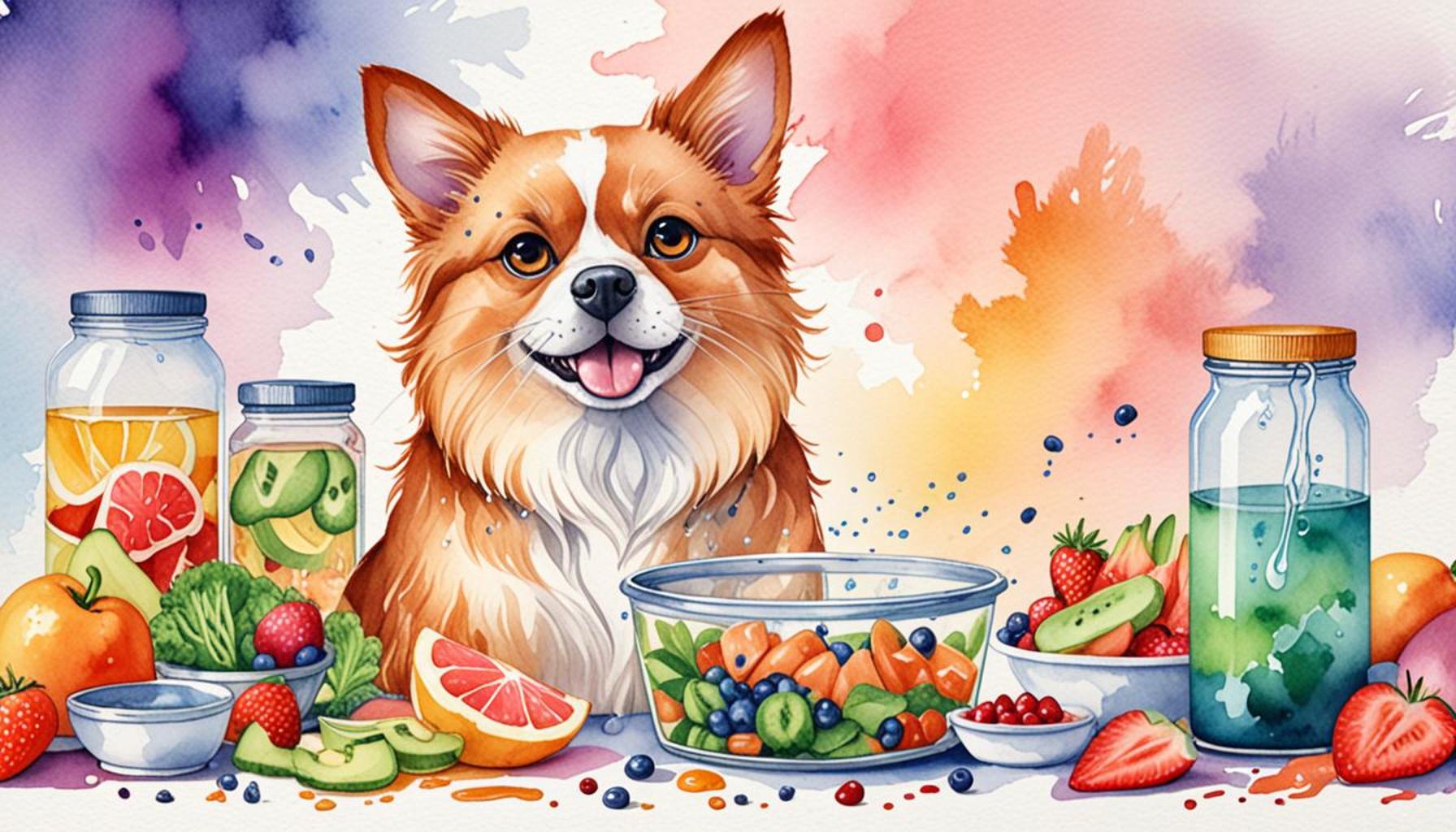
The Importance of Quality Nutrition for Pet Health
Nutrition is a cornerstone of optimal health and well-being in pets. Choosing the right food for our furry companions can profoundly influence their overall health and their risk of developing common diseases. Educated dietary choices not only enhance pets’ quality of life but can also prevent significant health challenges, which is especially relevant in Nigeria, where pet ownership is experiencing remarkable growth.
Boosting Immune Function is one of the most compelling benefits of a balanced diet. Just like humans, pets need essential nutrients to fight off infections and diseases. Foods rich in vitamins C and E, along with minerals like zinc, can provide a vital boost to their immune systems. For example, incorporating certain fruits and vegetables such as carrots and blueberries can fortify a pet’s natural defenses, making them less susceptible to illnesses.
Another critical aspect of pet nutrition is maintaining a Healthy Weight. Obesity is an increasingly prevalent issue among pets, often leading to various health complications like diabetes, heart disease, and even joint problems. According to the Nigerian Veterinary Medical Association, the rise in obesity rates corresponds with an increase in sedentary lifestyles and poor dietary habits. Pet owners need to monitor food portions and provide appropriate exercise to ensure their pets remain fit and healthy.
Supporting Digestive Health is another crucial benefit of proper nutrition. Diets high in fiber, such as those containing pumpkin or leafy greens, can enhance digestion and help avoid gastrointestinal problems such as constipation or diarrhea. This is particularly important for pets living in urban environments, like Lagos, where digestion can be impacted by stress and other lifestyle factors.
Additionally, specific nutrients can provide targeted benefits. For instance, omega-3 fatty acids—found in fish oil—are effective in promoting healthy skin and a shiny coat, while antioxidants not only combat free radicals but also support cognitive function in older pets. These connections highlight the importance of understanding the nutritional needs of our pets to create a tailored diet.
In exploring the deep-seated influence of nutrition on pet health, it’s imperative to acknowledge the long-term impacts of a well-balanced diet. By making informed decisions about pet food, owners can actively contribute to healthier, happier futures for their beloved companions.
As pet ownership continues to rise in Nigeria, the emphasis on nutrition can lead to a revolutionary understanding of pet care. Local pet owners are encouraged to educate themselves on the nutritional requirements of their pets, perhaps even consulting with veterinary professionals to craft the best dietary plans to suit the needs of their furry friends.
CHECK OUT: Click here to explore more
Understanding Nutritional Needs: A Key to Disease Prevention
When discussing the influence of nutrition on the prevention of common diseases in pets, it is imperative to delve deeper into the specific dietary components that play a pivotal role in maintaining health. A well-rounded menu that caters to the individual needs of pets is essential for warding off a myriad of health issues.
One of the most significant connections lies between dietary choices and chronic diseases such as diabetes, kidney failure, and heart disease. For instance, high carbohydrates found in certain commercial pet foods contribute to diabetes, particularly in breeds predisposed to this condition. In Nigeria, as pet owners lean towards convenience and affordable options, many may overlook the ingredient labels. However, prioritizing a protein-rich diet can help maintain a healthy blood sugar level and metabolic function.
Additionally, the incorporation of high-quality fats into a pet’s diet significantly enhances overall health. Essential fatty acids, such as Omega-6 and Omega-3, are crucial in reducing inflammation and promoting cardiovascular health. Pets with diets rich in these nutrients often experience reduced incidences of skin and coat problems, which are increasingly reported in urban settings across Nigeria.
Essential Nutrients for Disease Prevention
To further understand how nutrition can prevent diseases, it is essential to look at key nutrients that have proven benefits:
- Antioxidants: Nutrients such as vitamins C and E help combat oxidative stress, which can contribute to diseases like cancer and heart disease. Including fruits like guava and pawpaw in their diet can boost their antioxidant intake.
- Fiber: Foods high in fiber promote digestive health and support a healthy weight. Ingredients like sweet potatoes and beans can aid in digestive regulation, reducing the risk of gastrointestinal disorders.
- Probiotics: These beneficial bacteria found in yogurt and kefir can foster a strong gut microbiome, helping to prevent various digestive issues and bolstering immune function.
- Minerals: Minerals such as calcium and phosphorus are essential for developing strong bones and teeth. Pet owners need to ensure that any diet they provide includes appropriate levels of these minerals to promote skeletal health.
Furthermore, it is essential to tailor pet diets. Each pet is different, and factors such as age, breed, activity level, and pre-existing health conditions play critical roles in determining nutritional needs. In Nigeria, where diverse pet species and breeds exist, customizing dietary plans can yield significant health benefits. Consulting veterinary nutritionists can provide insights into vital ingredients suited to specific pets, ensuring that their unique needs are met.
As the surge in pet ownership continues across Nigeria, fostering awareness about the impact of nutrition on the prevention of common diseases becomes increasingly important. Responsible pet ownership involves the commitment to not just love and care for pets but also to nourish them properly for a long, healthy life.
As pet owners increasingly seek to enhance the health and longevity of their furry companions, the role of nutrition in the prevention of common diseases has never been more vital. Pet obesity, diabetes, and heart disease are on the rise, primarily due to improper dietary habits and nutrient imbalances. Tackling these issues begins with understanding the importance of a balanced diet tailored to the specific needs of each pet.
A well-structured pet diet rich in essential nutrients can lower the risk of significant health concerns. For instance, omega-3 fatty acids, commonly found in fish oil, are known to promote heart health and reduce inflammation, making them an excellent addition to a dog or cat’s meal plan. Likewise, high-quality proteins are essential for maintaining muscle mass and overall energy levels, particularly in aging animals.
Moreover, incorporating a variety of fruits and vegetables can provide pets with antioxidants that combat oxidative stress, potentially reducing the incidence of cancer and promoting better immune response. Ingredients such as blueberries, carrots, and spinach are not just tasty; they are packed with vitamins and minerals that support overall health and vitality.
Pet food formulations that focus on whole ingredients rather than fillers are proving to be more beneficial. The shift towards grain-free, limited-ingredient diets eliminates unnecessary additives, allowing pets to obtain nutrients efficiently. Furthermore, tailoring food choices according to the pet’s life stage—from puppy to senior—ensures that their fluctuating nutritional needs are met throughout their lifecycle.
As the conversation around pet wellness evolves, it becomes clear that nutrition is not just a matter of preference but a decisive factor in preventive care. Educating pet owners on the significance of quality nutrition can lead to healthier pets and improved quality of life.
| Category | Advantages |
|---|---|
| Balanced Diet | Supports overall health and reduces disease risk. |
| Quality Ingredients | Fosters better nutrient absorption and energy levels. |
In summary, proper nutrition acts as a powerful tool in disease prevention for pets, ensuring they live longer, happier lives. As more research emphasizes this connection, pet owners are encouraged to reassess their feeding practices and prioritize nutrient-dense options.
YOU MAY ALSO LIKE: Read read another article
The Role of Nutrition in Immunity and Longevity
A well-balanced diet does not just combat specific diseases; it plays a pivotal role in boosting immune function and supporting the overall longevity of pets. Increasing awareness about the importance of nutrition has become essential as pet owners across Nigeria strive to create healthier lifestyles for their furry companions.
Research indicates that pets fed with nutritious diets exhibit a more robust immune response, allowing them to ward off infections and other health challenges more effectively. For instance, incorporating whole foods such as carrots, spinach, and sweet potatoes can provide the vitamins A and C that are vital for enhancing immunity. These nutritional powerhouses modulate the immune system by helping in the production of antibodies, which are essential for fighting off any invading pathogens.
The Synergy of Nutrition and Regular Health Check-ups
While nutrition forms the backbone of preventive health, it should not be viewed in isolation. Pets should also receive regular veterinary check-ups, which allow for early detection of potential health threats. This synergy between good nutrition and routine health assessments can lead to an incredible reduction in the prevalence of chronic diseases. In Nigeria, the increasing trend of pet vaccination campaigns emphasizes the importance of paired nutritional support with veterinary interventions.
Moreover, certain breeds are notorious for hereditary health issues; thus, nutritional strategies tailored for these breeds can be incredibly beneficial. For example, certain large breeds like Great Danes or Rottweilers are predisposed to joint issues. A diet fortified with glucosamine and chondroitin can promote better joint health and significantly reduce the chances of developing osteoarthritis. Similarly, small breeds may benefit from diets higher in protein to maintain lean muscle mass, which aids in prolonging their life expectancy.
Cultural Influences on Pet Nutrition
In Nigeria, cultural practices significantly impact how pet owners perceive nutrition. With traditional feeding practices often involving local grains and vegetables, there is potential for the formulation of nutritious, home-cooked meals. However, this approach requires a thorough understanding of which foods are beneficial and which may pose risks. For example, ingredients like onions and garlic, commonly used in Nigerian cuisines, can be toxic to pets. Consequently, education about safe pet food preparation is critical.
Additionally, many pet owners may be swayed by commercial pet food marketing claims. It’s crucial that they understand how to decode these labels effectively. Not all commercial pet food guarantees optimal health just because it is marketed as “premium” or “holistic.” A solid background in pet nutritional requirements enables owners to make informed decisions that align with their pets’ health profiles.
The Future of Pet Nutrition in Nigeria
As the pet ownership landscape continues to evolve in Nigeria, embracing a more informed approach to pet nutrition will be instrumental in enhancing the health span of pets. The emergence of local veterinary nutritionists can bridge the gap between traditional practices and contemporary dietary science, integrating both to elevate pet care standards. Through advocacy and education, stakeholders in the pet care industry can work together to create a healthier future for pets and ultimately drive the reduction of common diseases linked to poor nutrition.
YOU MAY ALSO LIKE: Read read another article
Conclusion: The Path Towards Healthier Pets
In conclusion, the influence of nutrition on the prevention of common diseases in pets cannot be overstated. A well-rounded diet enriched with essential nutrients is central to enhancing the health, immune function, and longevity of our furry companions. By providing pets with a balanced intake of whole foods, such as fruits and vegetables, owners can significantly reduce the risk of conditions like obesity, diabetes, and joint-related issues. Moreover, the integration of customized nutritional strategies tailored to specific breeds brings forth the potential to further avert hereditary health problems.
In Nigeria, the evolving understanding of pet nutrition presents a remarkable opportunity for pet owners to make informed decisions that directly impact their pets’ wellbeing. With the rise of local veterinary nutritionists, the gap between traditional dietary practices and modern nutritional science begins to close. This evolution fosters a culture where accessible education about safe pet food practices becomes consistent, eliminating the misinformation surrounding commercial pet food claims.
The future of pet nutrition is promising, as stakeholders within the pet care industry actively work towards raising awareness and improving care standards. As we foster this dialogue, the collective goal remains to create a healthier environment for pets, ultimately leading to a significant decrease in common diseases associated with poor nutrition. By championing these principles, every pet owner can play a vital role in enhancing not just the life expectancy but also the quality of life for their beloved animals.
Related posts:
Conscious Feeding: How to Make Sustainable Choices for Your Pet's Diet
The Importance of a Balanced Diet for Dogs and Cats: Essential Nutrients and Their Functions
Natural Foods vs. Commercial Pet Food: What Is Better for Your Pet's Nutrition?
The Influence of Nutrition on the Dental Health of Pets
The Importance of Hydration in Pet Nutrition
Balanced Nutrition Key to Dog Cat Health and Longevity

Linda Carter is a writer and pet care expert specializing in pet health, grooming, and wellness. With extensive experience helping pet owners create safe, loving, and enriching environments for their animals, Linda shares her knowledge on our platform. Her goal is to empower readers with practical advice and strategies to ensure their pets thrive and lead joyful, healthy lives.